
Information archived on the Web
Scroll down to see this document.
You can request alternate formats from the
Canadian Conservation Institute
via the

Proceedings of Symposium 2011 – Adhesives and Consolidants for Conservation
1
Deacidification and
Strengthening of Degraded
Papers With Aminosilanes:
The Example of AMDES
Anne-Laurence Dupont, Zied Souguir, Bertrand Lavédrine,
and Hervé Cheradame
(biographies and contact information for authors can be found at the end of this paper)
Abstract
In addition to deacidification and alkaline reserve deposition, and in contrast to compounds used
in current mass deacidification processes, aminoalkylakoxysilanes (AAAS) also improve the
mechanical properties of paper. This simultaneous double effect was demonstrated with
aminopropylmethyldiethoxysilane (AMDES). Following treatment with AMDES, papers of various
composition exhibited adequate alkaline reserve and pH, as well as a significant increase in their
tensile resistance and folding endurance. These properties were partially preserved, together
with a moderate molar mass retention, after hygrothermal aging of a model cotton paper. These
beneficial effects of the treatment were also found for papers that had been pre-oxidized to
various extents (the oxidation was intended to produce a degree of degradation more
comparable to old and brittle papers). This strengthening effect of AMDES treatment was,
however, found to be more modest for very highly degraded papers on which, moreover, slight
yellowing was observed. This yellowing might be due to a reaction between the amine function
of AMDES and the carbonyl functions on cellulose, with possible formation of imines, amines,
amides, and Maillard reactions products.
Titre et Résumé
Désacidification et renforcement des papiers dégradés au
moyen d’aminosilanes : exemple de l’AMDES
En plus d’assurer la désacidification et le dépôt de la réserve alcaline, et par contraste avec les
composés utilisés dans les procédés courants de désacidification de masse, les
aminoalkylalcoxysilanes (AAAS) permettent aussi d’améliorer les propriétés mécaniques du
papier. Ce double effet simultané a été démontré dans le cas de
l’aminopropylméthyldiéthoxysilane (AMDES). Une fois traités au moyen de l’AMDES, des
échantillons de papiers de diverses compositions présentent une réserve alcaline et un pH
adéquats ainsi qu’une augmentation importante de leur résistance à la traction et de leur
résistance au pliage. Les échantillons modèles en papier de coton ont en grande partie conservé
ces propriétés, en plus d’un maintien moyen de leur masse molaire, à la suite d’un traitement
de vieillissement hygrothermique. Ces effets avantageux du traitement sont aussi observés pour
les papiers ayant été préalablement oxydés à divers degrés (l’oxydation visait à produire une
dégradation dont la nature serait plus comparable à celle de vieux papiers fragiles). Il a
toutefois été établi que l’effet de renforcement du traitement à l’AMDES est moins efficace dans
le cas de papiers fortement dégradés, pour lesquels un léger jaunissement a de plus été
observé. Le jaunissement pourrait être causé par la réaction de la fonction amine de l’AMDES et
des fonctions carbonyle de la cellulose et la formation possible d’imines, d’amines, d’amides et
de produits de la réaction de Maillard.

Proceedings of Symposium 2011 – Adhesives and Consolidants for Conservation
2
Introduction
In libraries and archives some of the paper-based items which have acidified upon aging since
their production have become brittle and often cannot be handled without risking loss of
material. Deacidification is the term used for a chemical treatment in paper conservation, which
involves the neutralization of the acids present in the paper and the deposition of an alkaline
compound such as calcium carbonate, commonly referred to as alkaline reserve, to prevent, or
at least delay, further acidification. Mass scale deacidification processes have been available
commercially and used by libraries and archives in several countries for decades (Turko 1990,
Carter 1996), on specific types of collections, usually at risk of rapid decay. However as none of
the existing processes do strengthen the paper, they fail at offering a full solution to the problem
of degraded and weakened documents. In order to provide and favour access to documents
while handling of brittle items becomes restricted, the emphasis and budgets are currently
geared more towards digitization of the collections.
In previous publications, a new system offering a complete response to the problem of degraded
documents was investigated. The new solvent phase process based on aminoalkylalkoxysilanes
(AAAS) - aminosilanes in short – was shown to simultaneously deacidify, introduce an alkaline
reserve, confer fungistatic properties, improve the mechanical properties and enhance the
stability of paper towards aging processes (Ipert 2005, Ipert 2006, Rakotonirainy 2008, Dupont
2010). The use as carrier of hexamethyldisiloxane (HMDS), a volatile, aprotic solvent with a
low solubility parameter allows limiting the dissolution of polar substances present in the paper
and fibre swelling, thereby providing a good dimensional stability during the treatment (Battelle
Institut 1992). However, it was observed that for very oxidized and brittle papers the efficiency
of the treatment was somewhat less satisfactory (Dupont 2010).
Aminosilanes are a large family of compounds, several of which have been tested in the past by
the authors. These molecules are otherwise known in the field of nanocomposite materials and
have been used to produce hybrid materials, or modify surface activity (Moon 1996, Jacob
2005, Pasqui 2007, North 2010)
.
In this work 3-aminopropylmethyldiethoxysilane (AMDES)
was introduced in papers of different composition. AMDES, a primary amine difunctional
silane, has been studied in detail previously (Bennevault-Celton 2010). It was chosen here due
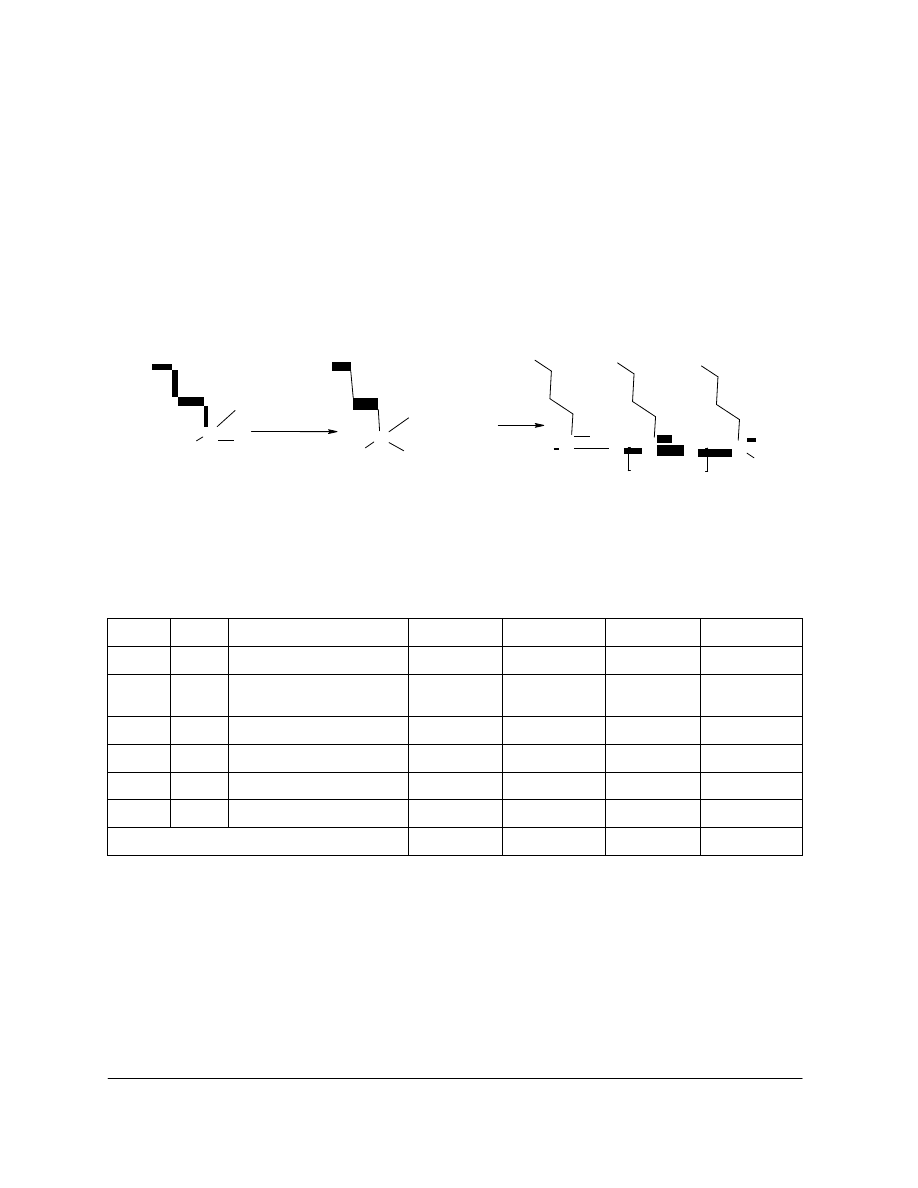
to its capability to polymerize as a linear polymer upon hydrolysis (see Figure 1). No three
dimensional structure can form that would create a cross-linked network, which brings rigidity
to the system, as was shown previously by using tri-functional silanes (Ipert 2006). The
modification of the physicochemical and mechanical properties upon treatment with AMDES of
a recent groundwood pulp paper and one old brittle book, as well as a pure cellulose paper
before and after its chemical oxidation with sodium hypochlorite, were evaluated. The oxidation
was performed in order to achieve a degree of degradation which would be somewhat more
representative of old and brittle papers.
Proceedings of Symposium 2011 – Adhesives and Consolidants for Conservation
3
Materials and methods
Materials
AMDES is a primary amine with a silicon atom bearing two hydrolysable ethoxy groups. The
polycondensation of the silanol functions formed upon hydrolysis leads to linear oligomers and
polymers (Figure 1).
The papers used and their characteristics are summarized in Table 1.
H
2
N
H
2
N
H
2
N
H
2
N
H
2
N
C
2
H
5
O
Si
H
2
O
OC
2
H
5
+
Si
HO
OH
H
5
C
2
OH
CH
3
Si
HO
O
CH
3
Si
O n
CH
3
Si
OH
AMDES
AMSdiol
Figure 1. 3-aminopropylmethyldiethoxysilane (AMDES) and its reaction path to form 3-
aminopropylmethylsilanediol (AMSdiol) (hydrolysis) and poly-AMSdiol (polycondensation).
Table 1. Characteristics of the papers used
paper
date
pulp composition
fillers
sizing
basis weight
pH
(g m
-2
)
(cold extract)
P2
1990
>95% cotton
none
none
76
6.2
P3
1990
75% groundwood pulp
20% kaolin
alum/rosin
80
5.1
25% softwood cellulose
traces casein
B1928
1928
50% groundwood pulp
ND*
ND
ND
4.7
50% chemical pulp
* ND: Not Determined
Chemical and physicochemical determinations
The moisture content of the papers (MC) (% wt/wt) was determined according to TAPPI
standard T 412 om-02 with a 50 mg mass of paper. The alkaline reserve of papers (AR)
(meq(OH
-
)/100g) was evaluated following the standard method ASTM D4988-96R01. The cold
extract pH of the papers was measured according to TAPPI T509 om-88, with a 50 mg mass of
paper. The uptake in the paper (% wt/wt) was measured by weighing the samples pre-
conditioned at 23 °C and 50% relative humidity (RH) before and after AMDES treatment. The

Proceedings of Symposium 2011 – Adhesives and Consolidants for Conservation
4
reported values are the average of the measurements on at least three samples. The copper
number N(Cu) (g Cu
2
O), which represents an index for compounds in paper which possess
reducing properties (such as carbonyl functions), was determined according to TAPPI standard
T 430 cm-99, with a reduced mass of paper (300 mg). At least three repeat measurements were
done for each sample type and the average value is given.
Tensile breaking length (BL) (km) and tensile elongation at break (EB) (%) were measured
according to the standard method NF: Q03-004 July 1986 using a Adamel Lhomargy
instrument (DY-20B). Samples were tested at a speed of 10 mm min
-1
, with the 100 DaN load
cell. The data was processed with TestWorks 4 (MTS Systems Corp.) software.
Zero-span tensile strength (zsTS) was measured with a Pulmac instrument (TS 100) following
TAPPI standard T231 cm-96. The measured value (P) was used in the modified formula zsTS =
(P-P
0
) × 5.474 (daN mm
-1
), where P
0
= 2 (instrument constant).
Folding endurance (FE) (log of number of double folds) was determined according to ISO
5626:1993 with a Tinius Olsen double fold instrument. The applied force was 0.5 kg. These
mechanical properties were measured in the machine direction, on 10 strips taken from the same
sample conditioned at 23 °C and 50 % RH.
Colour measurements were carried out with a hand-held spectrophotometer SP 64 (X-rite)
equipped with an integrating sphere. The configuration adopted was in reflectance mode
(spectral range 400-700 nm in 10 nm steps), with the specular component included, using the 5
mm diameter aperture. The colorimetric coordinates values (L,a,b)* were calculated in the
CIE*Lab76 Colour System, with the D65 Standard Illuminant and 10° Standard Observer.
Based on the (L,a,b)* values before and after treatment, the total colour change ∆E* occurred
upon treatment was calculated as ∆E
*
= (∆L
*
)
2
+ (∆a
*
)
2
+ (∆b
*
)
2
(Marcus 1998, p. 31).
Reported values are the average of 10 measurements.
Molar mass determinations
Size-exclusion chromatography with multiangle light scattering and differential refractive index
detection (SEC-MALS-DRI) was used for the determination of the average molar mass of
cellulose according to a procedure previously published (Dupont 2003). A HPLC pump 515
(Waters) and autosampler ACC-3000T (Dionex) were part of the chromatographic set-up,
together with a Dawn EOS MALS detector (Wyatt Technologies) and a DRI detector 2414
(Waters). The separation was carried out on a set of three polystyrene divinyl benzene columns
Phenogel Linear(2) (5-μm particle-diameter mixed bed pores columns, L×D 300 mm×4.6 mm,
Phenomenex) preceded by a guard column Phenogel (5-μm, L×D 30 mm×4.6 mm,
Phenomenex). The data acquisition was carried out with ASTRA software version 5.3.1.5
(Wyatt Technologies). Each sample solution was run three times non-consecutively. The
average values are reported.
Artificial aging
Papers were artificially aged at 100°C for 2, 5 and 10 days in tightly closed glass vessels
following ASTM D6819-02e2.
Proceedings of Symposium 2011 – Adhesives and Consolidants for Conservation
5
A
M
D
E
S
up
ta
k
e
(
%
w
t/
w
t)
F
E
(
lo
g
n
u
m
b
e
r
doub
le
f
o
ld
s
)
Oxidation
Sheets of P2 were immersed in aqueous solutions of sodium hypochlorite (NaClO) at 0.26%
(P2 ox1), 0.39% (P2 ox2) and 0.52% (P2 ox3) active chlorine at pH 7 (adjusted with HCl 6 N),
at room temperature. The papers were thoroughly rinsed in deionized water. After gentle
pressing, they were dried under vacuum at room temperature.
AMDES impregnation
The impregnation was carried out by immersing paper sheets (4 at a time, i.e. approximately 12
g) separated with non-woven fabric and placed on a metallic grid in 1L of treatment solution
(AMDES/HMDS (% wt/wt)) at room temperature under magnetic stirring in open air. After
treatment, the sheets were dried under vacuum for one hour at room temperature. Control
papers were not subjected to any treatment as it was shown that their immersion in HMDS did
not modify their mechanical properties.
Results and Discussion
AMDES treatment efficacy
Treatment parameters and physicochemical properties
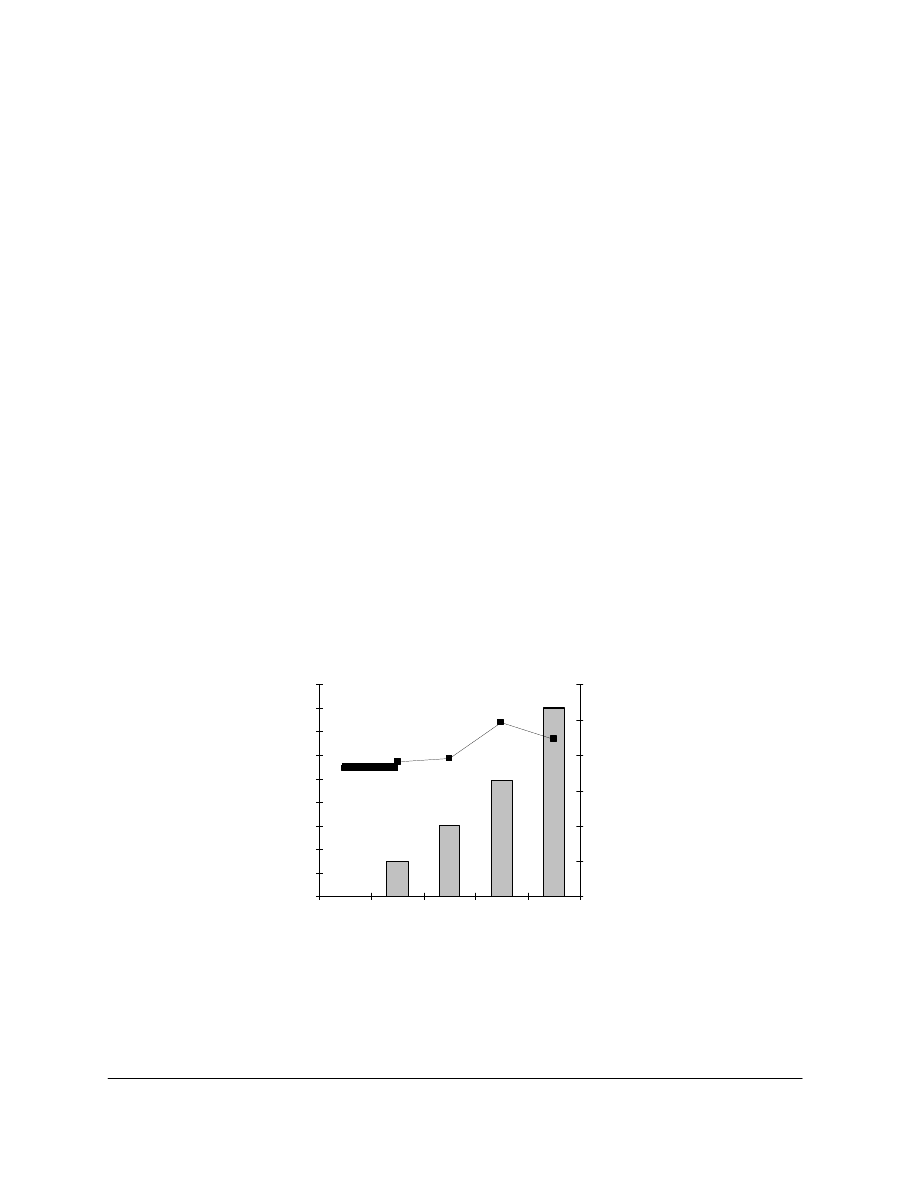
For P2, higher AMDES solution concentrations resulted in larger uptakes after impregnation
during 10 minutes (Figure 2). The impregnation time, in 10% AMDES/HMDS, from 10 to 60
minutes was also investigated with P2. After 10 minutes the uptake was of 4.9%. After 30
minutes and up to 60 minutes the uptake was 10%. Two impregnation times will be used for
further experiments: 10 and 30 minutes. Figure 2 also shows that larger uptakes corresponded to
increased folding endurance.
9
8
7
6
1.8
5
4
3
2
1
0
1.9
1.9
5
2.5
2.2
3.0
2.5
2.0
1.5
1.0
0.5
0.0
0
3.9
7.9
10
11.7
AMDES concentration (% w t/w t)
Figure 2. AMDES uptake and folding endurance (FE) of P2 Vs
AMDES/HMDS concentration.
Proceedings of Symposium 2011 – Adhesives and Consolidants for Conservation
6
B
L
,
F
E
zs
T
S
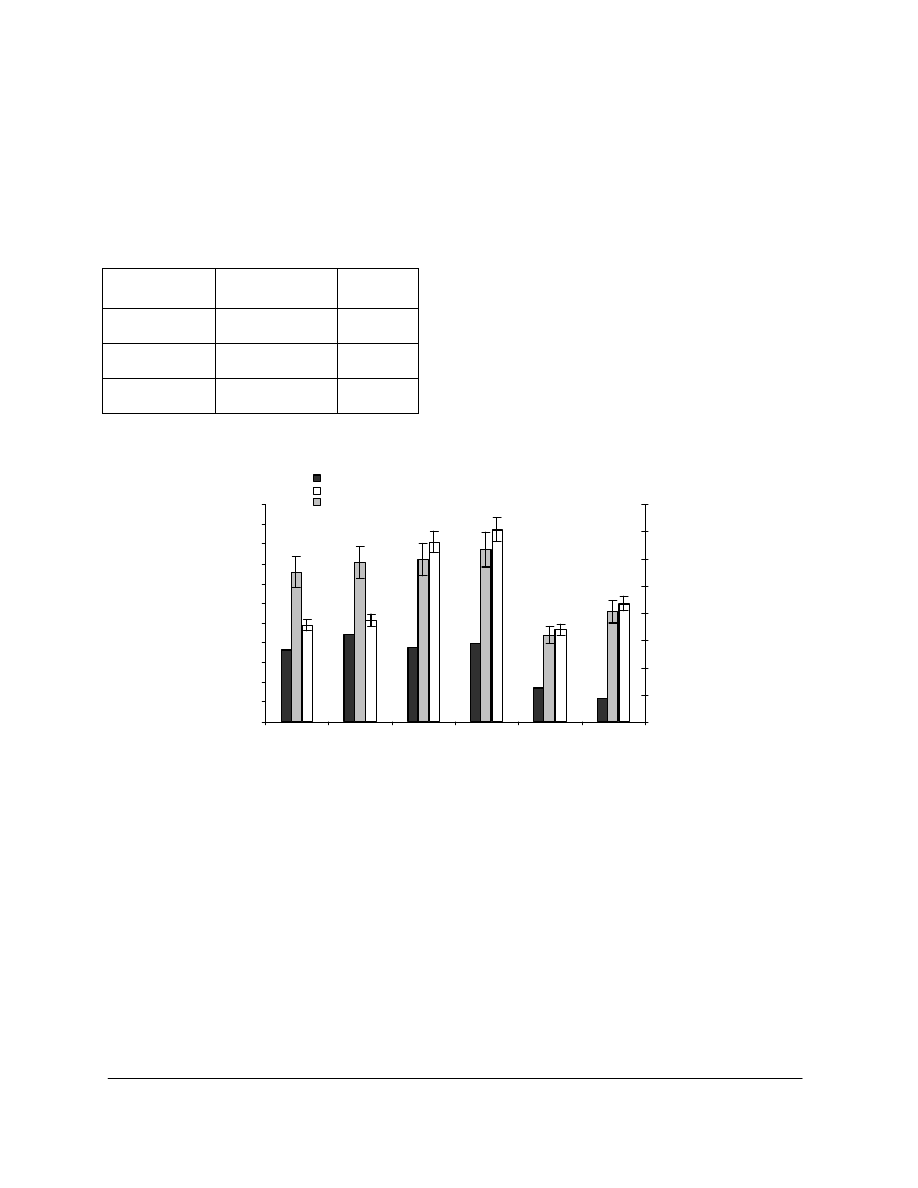
The alkaline reserve and uptake values of various papers treated with 11.7 % AMDES/HMDS
are reported in Table 2, and their mechanical properties are represented in Figure 3. For the
book B1928, a significant increase in BL (22%) and zsTS (21%) was observed after treatment.
For P2 and P3, zsTS and BL increased slightly after the treatment. Only P2 showed a
considerable increase in FE. In the case of B1928, FE remained very low after the treatment.
Table 2. Alkaline reserve (AR) and uptake of the papers treated with 11.7 % AMDES/HMDS (10 min
impregnation time).
Papers
AR
(meq(OH
-
)/100g)
Uptake
(% wt/wt)
P2
40
8.0
P3
26
4.5
B1928
30
6.0
5.5
5.0
4.5
4.0
3.5
3.0
110
2.44
FE (log nb double f olds)
BL (km)
zsTS (daN/mm)
4.55
117
120
2.56
127
4.86
64 2.32
81 2.99
160
140
120
100
80
2.5
2.0
1.5
1.0
0.5
0.0
2.22
1.81
1.87
1.98
0.85
60
40
0.60
20
0
P2 Ctrl
P2 T
P3 Ctrl
P3 T
B1928 Ctrl B1928 T
Figure 3. Folding endurance (FE), tensile breaking length (BL) and zero-span
tensile strength (zsTS) of P2, P3 and B1928 with (T) and without (Ctrl) treatment
in 11.7 % AMDES/HMDS.
Impact of heat/humid aging
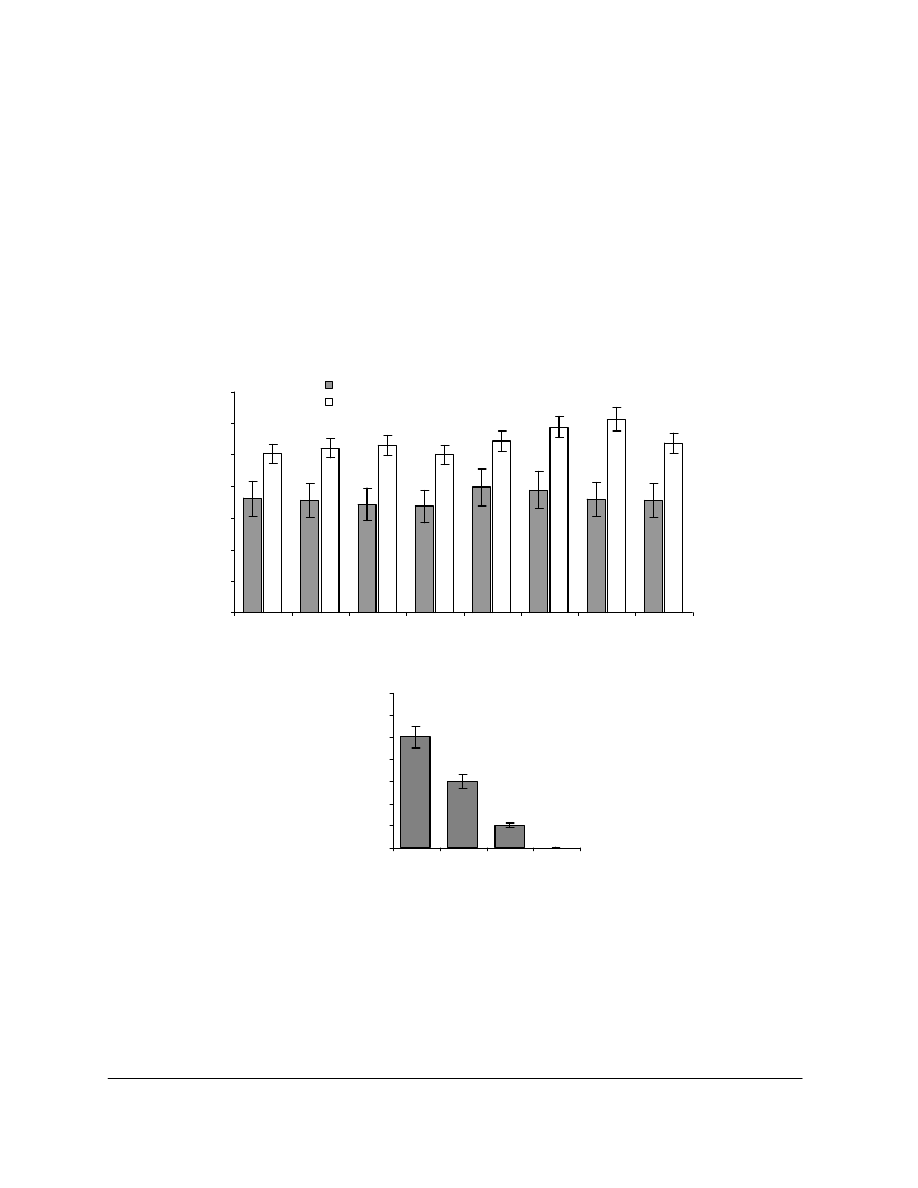
Samples of P2 treated with 10% AMDES/HMDS (average uptake of 4.4%) were subsequently
aged for 2, 5 and 10 days in order to evaluate the long-term impact and aging behavior of the
treatment. Their properties were measured and compared to those of the reference papers
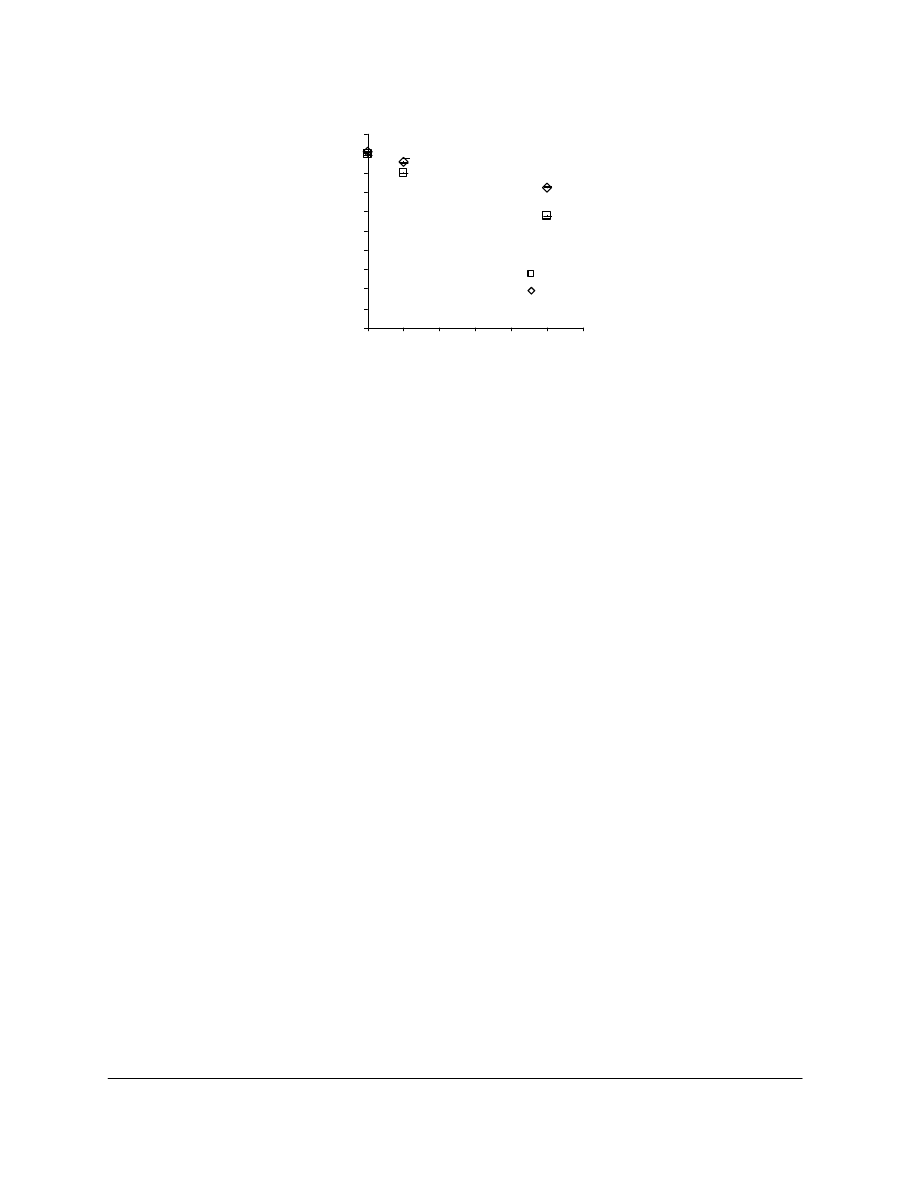
(untreated) aged. Results are shown in Figure 4. The breaking length, which remained roughly
unchanged for the reference papers aged, increased for the aged papers treated, up to five days
of aging. After ten days of aging, the treated sample still showed slightly higher BL than the
reference unaged (Ref A0d).
The folding endurance of the treated papers decreased slightly with aging (about 10%), roughly
as much as for the untreated papers. However, the nominal values of FE for the treated papers
Proceedings of Symposium 2011 – Adhesives and Consolidants for Conservation
7
A
R
(
m
E
q
(O
H
-)
/100g)
were all higher than for the untreated counterparts. The treatment with AMDES appears to have
imparted intrinsic resistance to the paper vis-à-vis the degradation incurred during the artificial
aging, up to a certain degradation state, beyond which the benefit vanishes. As expected, the
alkaline reserve decreased during the aging upon production of acids by the paper, and was
fully consumed after 10 days (Figure 4b). A decrease of the molar mass of cellulose was also
observed (Figure 5). The weight-average degree of polymerization (DP
w
) was 1792 ± 23 for the
untreated sample unaged, and 1151 ± 1 after ten days (36% decrease). The DP
w
of the sample
treated with AMDES was 1448 ± 12 after ten days, which is 16% less decrease compared to the
aged counterpart reference sample. A modest molar mass retention upon aging, due to the
treatment was thus observed. For the unaged sample, DP
w
was 1816 ± 3 after treatment,
showing that AMDES did not modify the macromolecular properties of cellulose.
3.5
3.0
(a)
2.5
2.6
FE (log number double f olds)
BL (km)
2.6
2.5
2.7
2.9
3.1
2.7
2.5
2.0
1.81
1.78
1.71
1.68
1.98
1.94
1.79
1.78
1.5
1.0
0.5
0.0
Ref A0d
(Ctrl)
Ref A2d Ref A5d Ref A10d
T A0d
T A2d
T A5d
T A10d
140
120
100
80
60
40
20
0
(b)
100
60
20
0
T A0d T A2d T A5d T A10d
Figure 4. Folding endurance (FE) and breaking length (BL) (a) and alkaline reserve (AR)
(b) of P2 reference (Ref) and P2 treated (T) with 10% AMDES/HMDS, unaged (A0d) and
aged 2 (A2d), 5 (A5d) and 10 (A10d) days.
Proceedings of Symposium 2011 – Adhesives and Consolidants for Conservation
8
D
P
w
2000
1800
1600
1400
1200
1000
800
600
400
200
0
P2 Ctrl
P2 T
0
2
4
6
8
10
12
artif icial aging at 100°C (days)
Figure 5. DP
w
of P2 control (Ctrl) and P2 treated (T)
with 10% AMDES/HMDS Vs aging time.
Impact of chemical degradation with NaClO
Attack of cellulose with sodium hypochlorite (NaClO) has been characterized to happen
randomly in the accessible areas of the fibers, and lead to considerable chain scission, as well as
to the formation of carbonyl groups (aldehyde, ketone, and carboxyl groups) on C2, C3 and C6,
and short chain organic acids (Lewin 1962, Potthast 2006). The nature and the relative amount
of the carbonyl functions produced depend largely on the pH; oxidation at neutral pH creates
predominantly aldehyde and ketone functions.
The results of the analyses are presented in Table 3. The values obtained for N(Cu) confirmed
that the oxidation at neutral pH created carbonyl functions on cellulose, the quantity of which
increased with NaClO concentration. The decrease in the degree of polymerization, weight and
number average DP
w
and DP
n
, respectively, clearly indicates that extensive cleavage of the β-
(1-4) glycosidic bond occurred with oxidation. The moisture content of the papers decreased
upon degradation, which was expected as degraded paper has lesser capacity to retain moisture.
The oxidized papers show smaller AMDES uptake than the reference paper. This could be the
result of the smaller moisture content in the paper, and/or the hindered possibility to form
hydrogen bonding with AMDES due to the high proportion of carbonyl groups on cellulose, as
proposed in a recent study (Souguir 2011). The pH values of the oxidized papers remained quite
comparable, the acids produced during the oxidation being washed away by the water rinsing.
As expected, after treatment, the pH increased considerably, confirming the efficient
deacidification and alkaline reserve deposition.
One drawback was that the treatment brought some discoloration to the paper. Although the
yellowing was below the commonly accepted perceptible limit in the case of P2 reference
(∆E*<1) (Marcus 1998 p31), it was slightly larger (1<∆E*<3) for all the oxidized papers. This
could possibly arise from the reaction of the amine groups of AMDES with the carbonyl groups
on cellulose, forming imine, amine, amide functions and Maillard reactions products (Hodge

Proceedings of Symposium 2011 – Adhesives and Consolidants for Conservation
9
Uptake
(% wt/wt)
pH
bef
pH
aft
MC
(%)
DP
n
DP
w
N(Cu)
bef
(g Cu O)
N(Cu)
aft
(g Cu O)
∆E*
b*
P2 Ref
11.2 ± 1.4
6.3 ± 0.3
9.7 ± 0.1
6.2
997 ± 11
1972 ± 43
0.28 ± 0.04
-
0.79 ± 0.1
-1.44
P2 ox1
7.0 ± 1.7
7.1 ± 0.1
9.7 ± 0.3
5.5
789 ± 45
1470 ± 20
1.0 ± 0.1
0.87 ± 0.13
1.08 ± 0.28
3.56
P2 ox2
6.9 ± 0.7
6.8 ± 0.2
9.7 ± 0.2
5.3
545 ± 35
1158 ± 23
4.30 ± 0.3
3.48 ± 0.35
2.05 ± 0.93
6.37
P2 ox3
6.5 ± 1.8
6.4 ± 0.3
9.7 ± 0.2
5.2
249 ± 26
681 ± 23
5.31 ± 0.06
3.45 ± 0.37
2.86 ± 0.36
7.51
1953, De la Orden 2006, Martinez Urreaga 2006). This observation is consistent with the
decrease in N(Cu) of the treated oxidized papers as compared to their untreated counterpart
samples, as under that hypothesis, the carbonyl function would be unavailable to titration.
Unfortunately, attempts to determine these chemical functions using Fourier transform infrared
spectroscopy were unsuccessful, probably due to their small concentration in the paper.
Table 3. AMDES uptake, cold extract pH before and after AMDES treatment (pH
bef
, pH
aft
), copper number before and after
AMDES treatment (N(Cu)
bef
, N(Cu)
aft
), trichromatic coordinate after treatment b*
aft
, and total color difference ∆E* (between
a given sample and his AMDES treated counterpart) for P2 reference and P2 oxidized.
2
2
aft
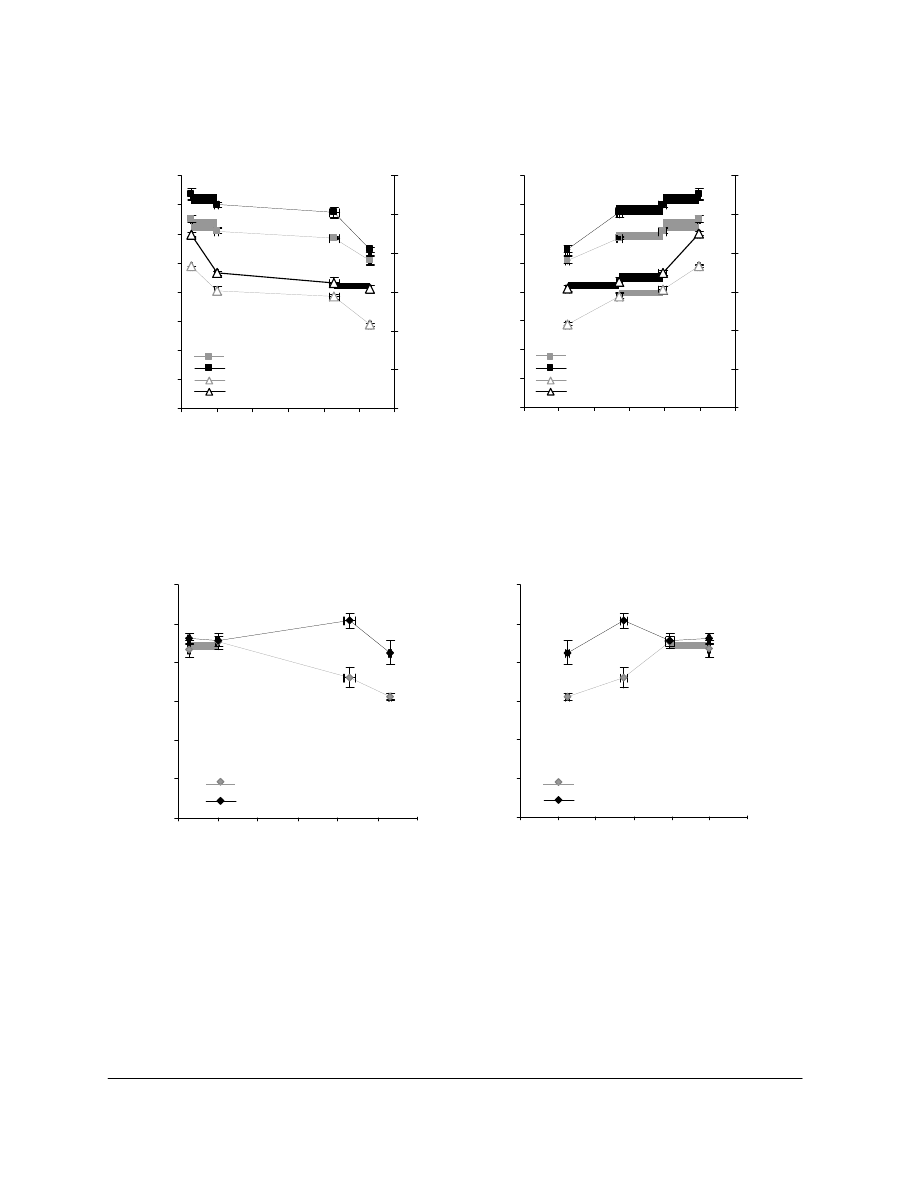
Figure 6 (a) shows the relation between the degree of oxidation of cellulose and the mechanical
properties. The values of zsTS for the oxidized papers decreased with increasing oxidation. For
the treated papers, the nominal values of zsTS were all higher compared to their untreated
counterpart. The decrease in FE with increasing N(Cu) confirmed that oxidation greatly affected
the paper strength, while AMDES imparted somewhat better mechanical properties in terms of
paper deformability. On Figure 6 (b) these properties plotted against DP
n
indicate a similar
trend, with the treated papers showing better mechanical resistance than their untreated
counterpart. Accordingly, the elongation at break decreased dramatically for the oxidized papers
(Figure 7). The cellulosic material became brittle after oxidation, and the degradation of the
amorphous areas led to increased rigidity. After treatment, the elongation at break was roughly
maintained for the moderately oxidized papers showing a better deformability capacity, but
decreased for highly degraded paper. From these results it can be assumed that the inter-fiber
and intra-fiber bonding of cellulose fibers was improved by the presence of the AMDES
oligomers in the paper.
Proceedings of Symposium 2011 – Adhesives and Consolidants for Conservation
10
zs
T
S
(
da
N
m
m
-1
)
E
B
(
%
)
F
E
(
lo
g
n
u
m
b
e
r
doub
le
f
o
ld
s
)
E
B
(
%
)
zs
T
S
(
da
N
m
m
-1
)
F
E
(
lo
g
n
u
m
b
e
r
doub
le
f
o
ld
s
)
(a)
(b)
160
3
160
3
140
120
100
2.5
2
140
120
100
2.5
2
80
1.5
80
1.5
60
40
zsTS P2 NT
zsTS P2 T
1
0.5
60
40
zsTS P2 NT
zsTS P2 T
1
0.5
20
FE P2 NT
FE P2 T
0
20
FE P2 NT
FE P2 T
0
0
0
0
1
2
3
4
5
6
N(Cu) (g Cu
2
O)
0
200
400 600 800 1000 1200
DP
n
Figure 6. Zero span tensile strength (zsTS) and folding endurance (FE) of P2 untreated (NT) and P2 treated with
AMDES (T) as a function of copper number N(Cu) (a) and as a function of DP
n
(b).
(a)
(b)
3
3
2.5
2.5
2
2
1.5
1.5
1
1
0.5
EB P2 NT
EB P2 T
0
0
1
2
3
4
5
6
N(Cu) (g Cu
2
O)
0.5
EB P2 NT
EB P2 T
0
0
200
400
600
800 1000 1200
DP
n
Figure 7. Elongation at break (EB) of P2 untreated (NT) and P2 treated with AMDES (T) as a function of copper
number N(Cu) (a) and as a function of DP
n
(b).

Proceedings of Symposium 2011 – Adhesives and Consolidants for Conservation
11
Conclusion
The investigation carried out showed that AMDES not only provided deacidification and
alkaline reserve, but also improved some of the mechanical resistance properties of papers of
different composition, such as breaking length, zero span tensile strength and folding
endurance. This can be attributed to the formation of AMDES oligomers in-situ, which provides
strengthening and plasticity to the paper. The mechanism of this reinforcement has been
investigated in a recent publication by the authors (Souguir 2011), which showed that in-situ
polycondensation of hydrolyzed AMDES monomers occurs in the paper to form poly-AMDES
with an average DP of 10. The importance of the presence of moisture in the paper in relation
with the uptake was investigated as well in the same publication. Upon treatment with AMDES,
the extent of the macromolecular degradation due to heat/humid aging was somewhat
diminished. The beneficial effects were also found for papers which had been oxidized to
various extents before their treatment, and for which the cellulose degradation in terms of DP
loss reached about 40-45%. This positive effect of the treatment with AMDES was however
more modest for extremely degraded papers, which had undergone extensive chain scission (DP
losses around 65-75%). However, it has to be noted that in such cases, the DP of the cellulose
approached the levelling-off degree of polymerization where the length of the cellulose chains
comes close to the size of the crystallite, and where virtually all the amorphous regions are lost.
Such a large degradation state is rarely attained in historic paper documents. It was also
observed that upon incorporation of AMDES in these highly oxidized papers, some yellowing
occurred, which might be due to a reaction between the amine function of AMDES and the
carbonyl functions on the cellulose, with possible formation of imines, amines, amides, and
Maillard reactions products. This point remains to be investigated.
Acknowledgements
A research grant from the French Ministry of Culture is gratefully acknowledged. Sabrina Paris
and Laetitia Lee from CRCC are warmly thanked for technical assistance.

Proceedings of Symposium 2011 – Adhesives and Consolidants for Conservation
12
References
Bennevault-Celton, V.; Maciejak, O.; Desmazières, B.; Cheradame, H. “Condensation of Alkoxysilanes in Alcoholic
Media: II. Oligomerization of Aminopropylmethyldiethoxysilane and Co-oligomerization with
Dimethyldiethoxysilane.”
Polymer International 59 (2010), pp. 1273-1281.
Carter, H. A. “The Chemistry of Paper Preservation: Part 1. The Aging of Paper and Conservation Techniques.”
Journal of Chemical Education 73 (1996), pp. 417-420.
Dupont, A.-L. “Cellulose in Lithium Chloride/
N;N-Dimethylacetamide, Optimisation of a Dissolution Method Using
Paper Substrates and Stability of the Solutions.”
Polymer 44 (2003), pp. 4117-4126.
Dupont, A.-L., Lavédrine, B., Cheradame, H. “Mass Deacidification and Reinforcement of Papers and Books VI -
Study of Aminopropylmethyldiethoxysilane Treated Papers.”
Polymer Degradation and Stability 95 (2010), pp.
2300-2308.
De la Orden, M.U., Martínez Urreaga J. “Discoloration of Celluloses Treated With Amino Compounds.”
Polymer
Degradation and Stability 91 (2006), pp. 886-893.
Hodge, J. E. “Dehydrated Foods, Chemistry of Browning Reactions in Model Systems.”
Journal of Agricultural and
Food Chemistry 1 (1953), pp. 928-943.
Ipert S., Rousset E., Cheradame H. “Mass Deacidification of Papers and Books III: Study of a Paper Strengthening
and Deacidification Process with Amino Alkyl Alkoxy Silanes.”
Restaurator 26 (2005), pp. 250-264.
Ipert, S., Dupont, A. L., Lavédrine, B., Bégin P., Rousset, E., Cheradame, H. “Mass Deacidification of Papers and
Books IV. A Study of Papers Treated With Aminoalkylalkoxysilanes and Their Resistance to Ageing.”
Polymer
Degradation and Stability 91 (2006), pp. 3448-3455.
Jacob, M., Varughese, K. T., Thomas S. “Water Sorption Studies of Hybrid Biofiber-Reinforced Natural Rubber
Biocomposites.”
Biomacromolecules 6 (2005), pp. 2969-2979.
Lewin, M.; Epstein, J.A. “Functional Groups and Degradatipn of Cotton Oxidized by Hypochlorite.”
Journal of
Polymer Science 58 (1962) 1023-1037.
Marcus, R.T. “The Measurement of Color”, pp. 31-96 in
Color for Science, Art and Technology, Nassau Ed.,
Elsevier, Amsterdam, 1998.
Martínez Urreaga, J.; De la Orden, M. U. “Chemical Interactions and Yellowing in Chitosan-Treated Cellulose.”
European Polymer Journal 42 (2006), pp.2606–2616.
Moon, J. H., Shin, J. W., Kim, S. Y., Park, J. W. “Formation of Uniform Aminosilane Thin Layers: An Imine
Formation To Measure Relative Surface Density of the Amine Group.”
Langmuir 12 (1996), pp. 4621-4624.
North, S. H., Lock, E. H., Cooper, C. J., Franek, J. B., Taitt, C. R., Walton, S. G. “Plasma-Based Surface
Modification of Polystyrene Microtiter Plates for Covalent Immobilization of Biomolecules.”
ACS Applied Materials
and Interfaces 2 (2010), pp. 2884–2891.
Pasqui, D.; Atrei, A.; Barbucci, R. “A Novel Strategy To Obtain a Hyaluronan Monolayer on Solid Substrates.”
Biomacromolecules 8 (2007), pp. 3531-3539.
Patentschrift DE 4104515C1, Battelle Institut, 1992.
Potthast, A., Rosenau, T., Kosma, P. "Analysis of Oxidized Functionalities in Cellulose.” pp.1-48 in
Polysaccharides
II (edited by D. Klemm), Advances in Polymer Science 205, Springer-Verlag Berlin Heidelberg, 2006.
Rakotonirainy, M. S., Dupont, A.-L., Lavédrine, B., Ipert, S., Cheradame, H. “Mass Deacidification of Papers and
Books: V. Fungistatic Properties of Papers Treated with Aminoalkylakoxysilanes.”
Journal of Cultural Heritage 9
(2008), pp. 54-59.

Proceedings of Symposium 2011- Adhesives and Consolidants for Conservation
13
Souguir, Z., Dupont, A.-L., d'Espinose de Lacaillerie, J.-B., LavE!drine, B., Cheradame, H. "A Chemical and
Physicochemical Investigation of an Aminoalkylalkoxysilane as Strengthening Agent for Cellulosic Materials".
Submitted.
Turko, K. "Mass Deacidification Systems: Planning and Managerial Decision Making" Association of Research
Libraries, Washington, D.C. 1990.

Proceedings of Symposium 2011- Adhesives and Consolidants for Conservation
14
Materials and suppliers
Chemicals
AMDES and HMOS were purchased from ABCR, Gelest (France).

Proceedings of Symposium 2011 – Adhesives and Consolidants for Conservation
15
Author Biographies and Contact
Information
Biographies et coordonnées des
auteurs
Anne-Laurence Dupont has two Master’s degrees [an
MSc in Biochemistry from the University of Montpellier
in France (1988) and an MSc in Art Conservation
(specializing in Paper Conservation) from the University
of Paris - La Sorbonne (1994)] as well as a PhD in
Chemistry from the University of Amsterdam (2003).
She works at the Centre de Recherche sur la
Conservation des Collections (CRCC) in Paris, where
she is the principal researcher in charge of the paper
and cellulose section. Her current research focuses on
the characterization and diagnostic methods of the
degradation of cellulose and paper using
microdestructive analytical techniques, the impact of
the environment on cellulosic artifacts, and new
methodologies for long-term stabilization of paper.
Contact Information:
Centre de Recherche sur la Conservation des
Collections (CRCC)
Muséum National d’Histoire Naturelle
CNRS USR 3224, 36 rue Geoffroy-Saint-Hilaire
75005 Paris, France
Tel.: +33 140 795 300
E-mail:
Anne-Laurence Dupont a deux maîtrises [une en
biochimie de l’Université de Montpellier en France
(1988) et une en conservation-restauration des œuvres
d’art (avec spécialisation en œuvres sur papier) de
l’Université de Paris – La Sorbonne (1994)] ainsi qu’un
doctorat en chimie de l’Université d’Amsterdam (2003).
Elle travaille au Centre de recherche sur la conservation
des collections (CRCC) de Paris, où elle est chargée de
recherche principale responsable de la section du
papier et de la cellulose. Ses recherches actuelles
portent sur les méthodes de caractérisation et de
diagnostic de la dégradation de la cellulose et du papier
à l’aide de méthodes d’analyse microdestructive, sur
les effets des conditions ambiantes sur les artéfacts de
cellulose et sur les nouvelles méthodes de stabilisation
à long terme du papier.
Coordonnées :
Centre de recherche sur la conservation des
collections (CRCC)
Muséum national d’Histoire naturelle
CNRS USR 3224, 36 rue Geoffroy Saint-Hilaire
75005 Paris, France
Tél. : +33 140 795 300
Zied Souguir received a PhD in Chemistry and Polymer
Science in 2006, with a dissertation that focused on the
chemical modification of polysaccharides and the study
of the chemical and physico-chemical properties of
colloidal systems. In 2007, he undertook a Postdoctoral
Fellowship at the Centre de Recherche sur la
Conservation des Collections (CRCC), where he studied
the degradation of paper at the wet–dry interface. The
following year (2008), he joined the Laboratory of
Physical Chemistry of Polymers and Dispersed Media
(CNRS - PPMD) for a Postdoctoral Fellowship on the
study of hybrids nanoassemblies and, more precisely,
on the formation of hybrid inorganic-polymer
nanocomposites and their stability. Since February
2010, he has been working with the CRCC and the
Laboratoire Analyse et Modélisation pour la Biologie et
l’Environnement (CNRS -LAMBE) on deacidification and
strengthening of paper with aminosilanes.
Contact Information:
Centre de Recherche sur la Conservation des
Collections (CRCC)
Muséum National d’Histoire Naturelle
CNRS USR 3224, 36 rue Geoffroy-Saint-Hilaire
75005 Paris, France
Tel.: +33 140 795 300
E-mail:
Zied Souguir a passé un doctorat en chimie et en
science des polymères en 2006. Sa thèse portait sur la
modification chimique des polysaccharides et l’étude
des propriétés chimiques et physicochimiques des
systèmes colloïdaux. En 2007, il entreprend des études
postdoctorales au Centre de recherche sur la
conservation des collections (CRCC). Il s’intéresse alors
à la dégradation du papier à l’interface humide/sec.
L’année suivante (2008), il se joint au Laboratoire de
physico-chimie des polymères et des milieux dispersés
(CNRS – PPMD) pour y faire des études postdoctorales
sur les nanoassemblages hybrides et, plus précisément,
sur la formation des nanocomposites hybrides
polymère/charge inorganique et leur stabilité. Depuis
février 2010, il travaille au CRCC et au Laboratoire
d’analyse et de modélisation pour la biologie et
l’environnement (CNRS – LAMBE). Ses travaux portent
sur la désacidification et la consolidation du papier à
l’aide d’aminosilanes.
Coordonnées :
Centre de recherche sur la conservation des
collections (CRCC)
Muséum national d’Histoire naturelle
CNRS USR 3224, 36 rue Geoffroy Saint-Hilaire
75005 Paris, France
Tél. : +33 140 795 300

Proceedings of Symposium 2011 – Adhesives and Consolidants for Conservation
16
Bertrand Lavédrine has a Master’s in Organic Chemistry
and a PhD in Art and Archaeology. He is a professor at
the Muséum national d’Histoire naturelle in Paris and,
since 1998, has been the Director of the Centre de
Recherche sur la Conservation des Collections (CRCC),
a national scientific research institute on the
conservation of museum collections. He is currently
coordinator of POPART, a research project (funded by
the European Commission) for the preservation of
plastic artifacts in museum collections.
Contact Information:
Centre de Recherche sur la Conservation des
Collections (CRCC)
Muséum National d’Histoire Naturelle
CNRS USR 3224, 36 rue Geoffroy-Saint-Hilaire
75005 Paris, France
Tel.: +33 140 795 300
E-mail:
Bertrand Lavédrine est titulaire d’une maîtrise en
chimie organique et d’un doctorat en art et en
archéologie. Il enseigne au Muséum national d’histoire
naturelle de Paris et, depuis 1998, il dirige le Centre de
recherche sur la conservation des collections (CRCC),
un institut de recherche scientifique national dont la
mission est la conservation des collections muséales. Il
coordonne actuellement POP’ART, un projet de
recherche (financé par la Commission européenne)
portant sur la préservation des œuvres en matière
plastique dans les musées.
Coordonnées :
Centre de recherche sur la conservation des
collections (CRCC)
Muséum national d’Histoire naturelle
CNRS USR 3224, 36 rue Geoffroy Saint-Hilaire
75005 Paris, France
Tél. : +33 140 795 300
Hervé Cheradame has a degree in Chemistry
Engineering from École Nationale Supérieure de Chimie
de Paris and a PhD in Cationic Polymerization of Olefins
from the University of Paris - La Sorbonne (1966). He
became an Assistant Professor at the University of Paris
in 1969 and a Professor at the University of Grenoble in
1972, and founded a laboratory in the Polytechnic
Institute of Grenoble in 1973. In 1992, he joined the
recently founded Université d’Evry, and created the
Laboratory of Polymeric Materials and Interfaces (now
Laboratoire Analyse et Modélisation pour la Biologie et
l’Environnement) devoted to the synthesis of model
polymers, and to the physico-chemistry of biological
membranes and formulations for use in gene therapy.
He is currently an Emeritus Professor at the Université
d’Evry and Vice-President of the Centre de
Conservation du Livre (Arles).
Contact Information:
Université Evry Val d’Essonne,
Laboratoire Analyse et Modélisation pour la
Biologie et l’Environnement
CNRS UMR 8587, Bld. Mitterrand
91025 Evry cedex, France
Tel.: +33 169 477 725
E-mail:
Hervé Cheradame possède un diplôme en génie
chimique de l’École nationale supérieure de chimie de
Paris et un doctorat en polymérisation cationique des
oléfines de l’Université de Paris – La Sorbonne (1966).
Il est devenu chargé d’enseignement à l’Université de
Paris en 1969 et professeur à l’Université de Grenoble
en 1972. Il a ensuite mis sur pied un laboratoire à
l’Institut polytechnique de Grenoble en 1973. En 1992,
il s’est joint à l’Université d’Evry, qui venait d’être
fondée, et a créé le Laboratoire des matériaux
polymères aux interfaces (qui porte maintenant le nom
de Laboratoire d’analyse et de modélisation pour la
biologie et l’environnement), qui se spécialise dans la
synthèse des polymères modèles, les structures
physicochimiques des membranes biologiques et les
formulations à utiliser dans la thérapie génique. Il est
actuellement professeur émérite à l’Université d’Evry et
vice-président du Centre de Conservation du Livre
(Arles).
Coordonnées :
Université Evry Val d’Essonne
Laboratoire Analyse et Modélisation pour la
Biologie et l’Environnement
CNRS UMR 8587, boulevard François Mitterrand
91025 Evry cedex, France
Tél. : +33 169 477 725
Wyszukiwarka
Podobne podstrony:
Paper 19 Henniges et al
Review Santer et al 2008
Arakawa et al 2011 Protein Science
Byrnes et al (eds) Educating for Advanced Foreign Language Capacities
Huang et al 2009 Journal of Polymer Science Part A Polymer Chemistry
Mantak Chia et al The Multi Orgasmic Couple (37 pages)
5 Biliszczuk et al
[Sveinbjarnardóttir et al 2008]
II D W Żelazo Kaczanowski et al 09 10
2 Bryja et al
Ghalichechian et al Nano day po Nieznany
4 Grotte et al
6 Biliszczuk et al
ET&AL&DC Neuropheno intro 2004
3 Pakos et al
7 Markowicz et al
Bhuiyan et al
Agamben, Giorgio Friendship [Derrida, et al , 6 pages]
więcej podobnych podstron