
Munich 2/6/2005
GILDANET

Munich 2/6/2005
GILDANET approach
“
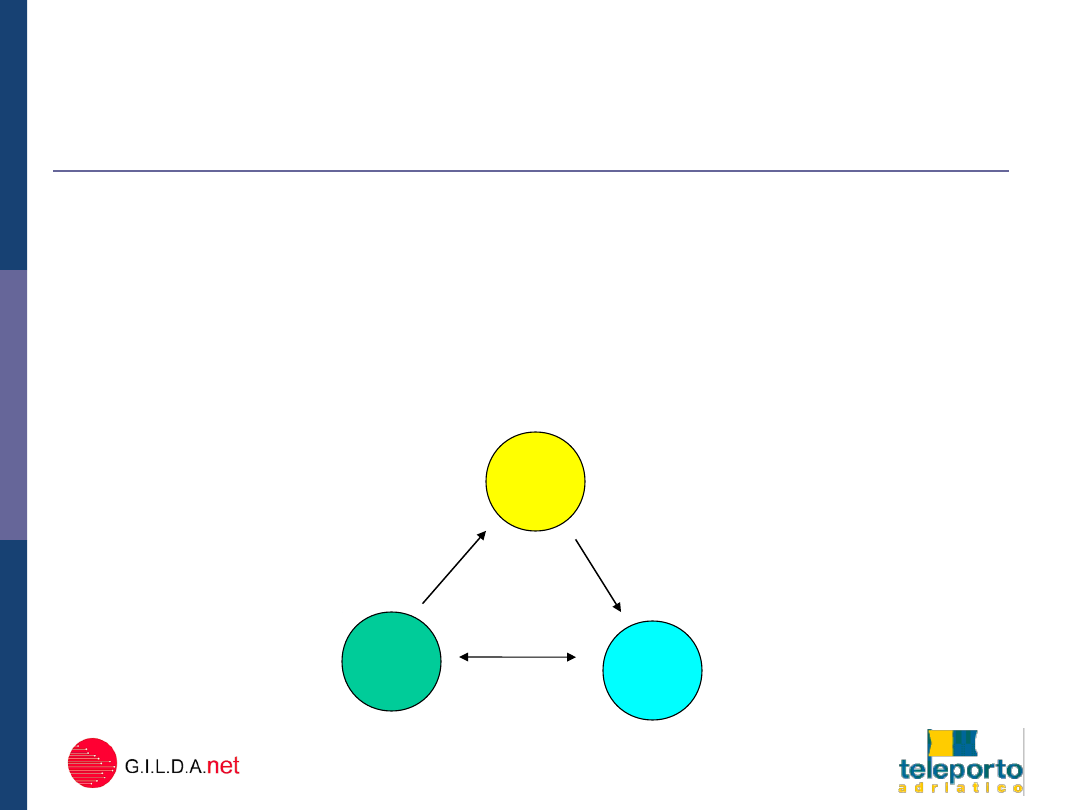
Main concept of the whole project is to
develop regional (per country) platforms operated
over Internet, which will be integrated providing
the GILDANET Integrated Portal. Through this
portal and in combination with the applications
that will be developed, all public and private
organizations acting in the logistics freight
transport sector can cooperate and perform their
business and transport transactions.”
(from the GILDANET Application)
Munich 2/6/2005
SOA
In the context of SOA, we have the terms service, message,
dynamic discovery, and web services. Each of these plays
an essential role in SOA.
directory service
service consumer
service provider
message
discover
register

Munich 2/6/2005
APPLICATIONS
Multimodal Transport Chain Monitoring
Rail Transport Planning and Monitoring
Fleet Management
E-Document
Tracking & Tracing
ebXML Registry

Munich 2/6/2005
Multimodal Transport Chain Monitoring
The
Multimodal
Transport
Chain
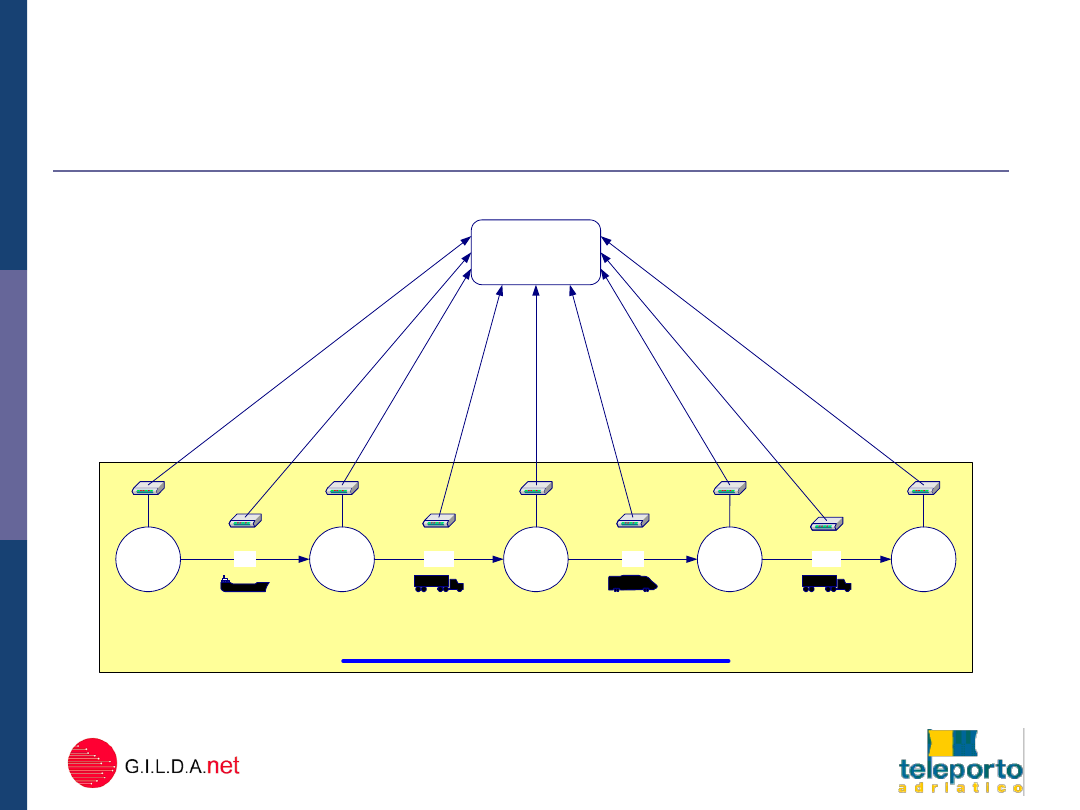
Monitoring is directly related to the
execution
of
integrated
multimodal
transport chains. This application allows
the integration with sea, road and rail
systems for the collection, processing and
reporting of real time status information
and forecasts.
Munich 2/6/2005
Multimodal Transport Chain
Monitoring
Position Data Providers
Intermodal
Tracking/Tracing
System
Port
Terminal
Port
Terminal
Freight
Center
Border
station
Sea
Road
Rail
End
customer
Road

Munich 2/6/2005
Rail Transport Planning and Monitoring
Rail
Transport
Planning
and
Monitoring corresponds to the planning
of the rail part of a transport chain as well
as the Tracking and Tracing real time data
for rail transport means/load unit/load
item.

Munich 2/6/2005
Fleet Management
Fleet
Management
application
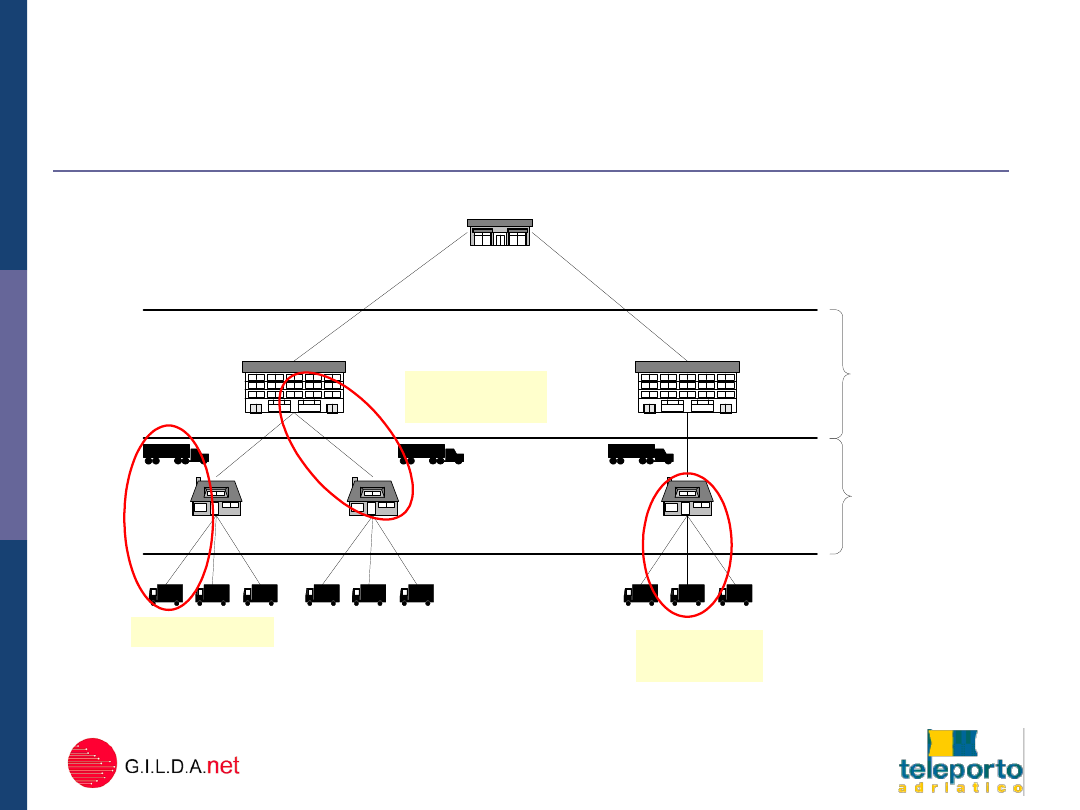
corresponds to the resource management
by organizing a fleet of trucks from an
intermodal freight terminal to the end
destination and vice versa. It also
automatically monitors the deliveries of
load units and items at the road leg of the
transport chain, thus providing Tracking
and Tracing services.
Munich 2/6/2005
Fleet Management
P ROODOS
HQ
Larissa
P atras
.....
Thessaloniki
Athens
Major
Distribution
Centers
Hubs
Warehouse to
warehouse
Warehouse to
warehouse
Local
distributions
Local
distributions
Cross docking
Cross docking

Munich 2/6/2005
E-Documents
E-Document application supports the
totality of the multimodal transport
chain electronic message
transactions for the logistics chain
management such as booking,
forecast, transport orders,
contracting as prerequisites for the
organization of a multimodal
transport chain.
UNeDocs

Munich 2/6/2005
UNeDocs
Invoice
Order
Quotation
Consignment Document Despatch Notice
International Consignment Note
Certificate of Origin
Export Customs Declarations
Shipping Instructions
Non-negotiable Sea Waybill
IMMTA Non-negotiable Transport document
IMMTA Negotiable Transport document
Forwarding Instructions
Munich 2/6/2005
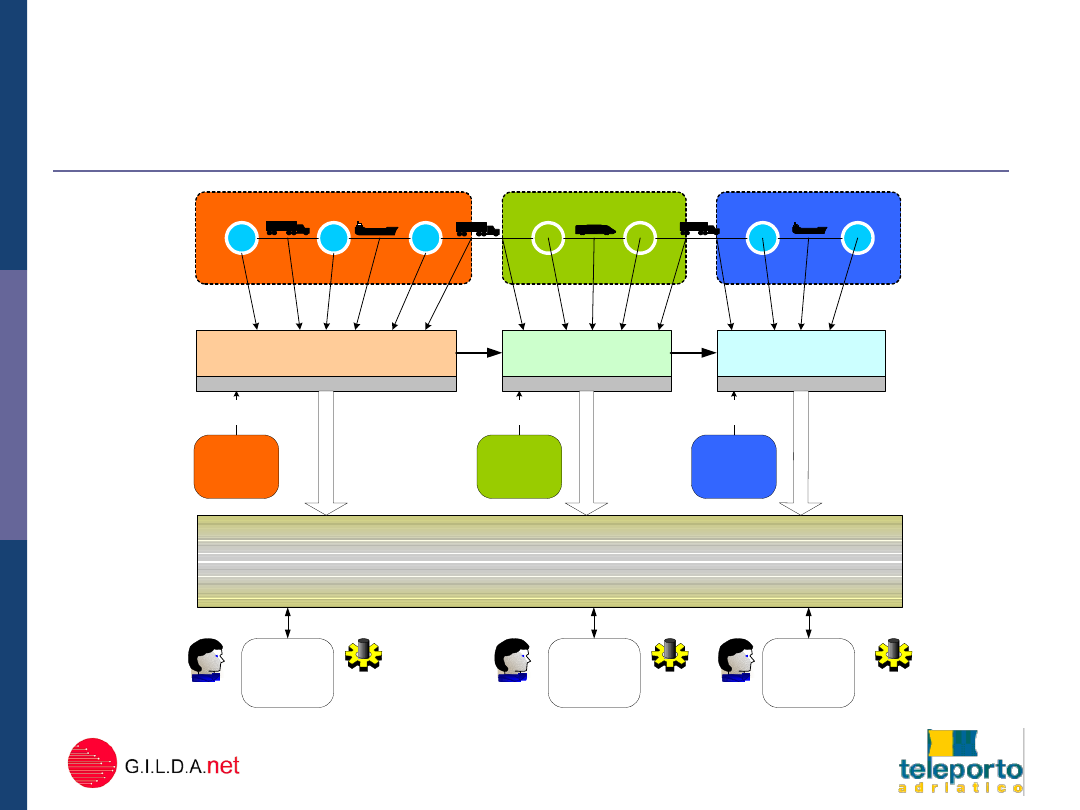
T&T
REGION 3
REGION 2
REGION 1
T&T1
UI: Localised
T&T2
UI: Localised
T&T3
UI: Localised
Regional
Planning &
Execution
GILDANET PLATFORM
Client 1
Client 2
Client 3
Regional
Tracking &
tracing
information
Regional
Tracking &
tracing
information
Regional
Tracking &
tracing
information
Status
information
Status
information
Status
information
????
???
System
Process
User
Process
System
Process
User
Process
System
Process
User
Process
Regional
Planning &
Execution
Regional
Planning &
Execution
Transport
Chain Specifications
Transport
Chain Specifications
Transport
Chain Specifications
SERVICE
PROVIDERS

Munich 2/6/2005
T&T
implements some basic technology, e.g.:
IEEE 802.11b/g (WiFi) : 200 mt. range, active
UHF RFID : 5 mt. range, passive and semiactive
13.56 MHz : 0.5 mt. range, passive (MIFARE, ICODE)
implements a general model to manage the objects to be
tracked/traced
implements a general model to query/update the
tracked/traced objects
Munich 2/6/2005
big issue
T&T

Munich 2/6/2005
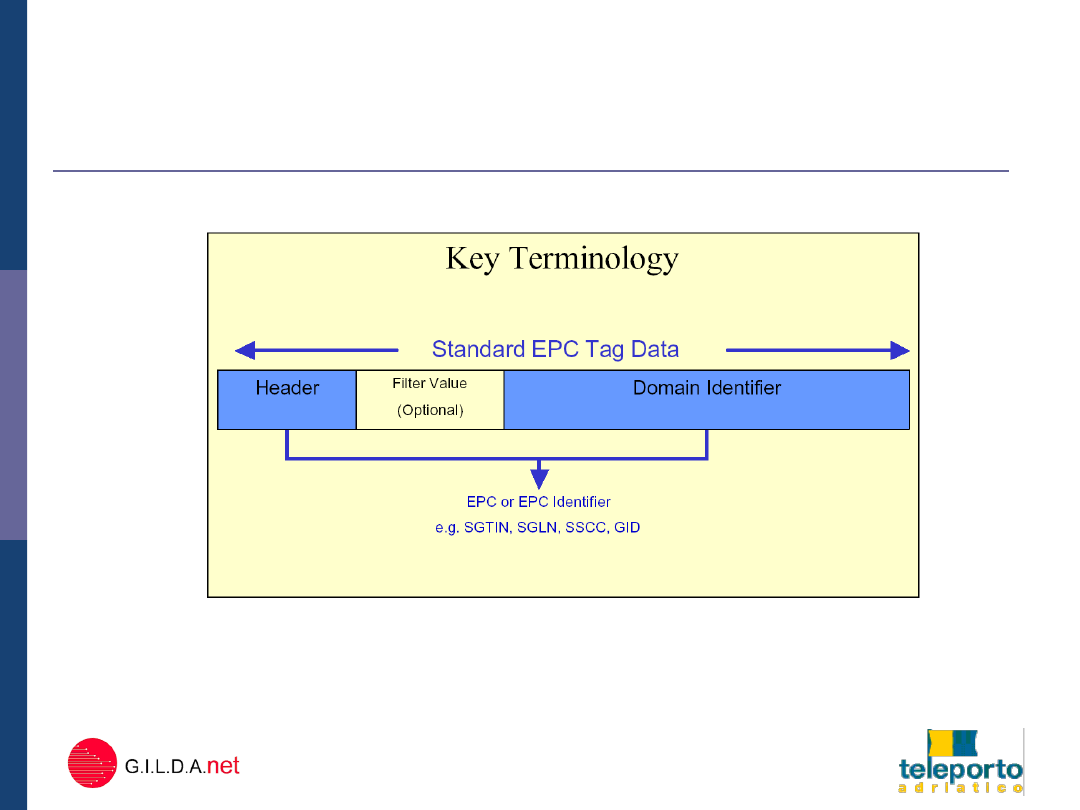
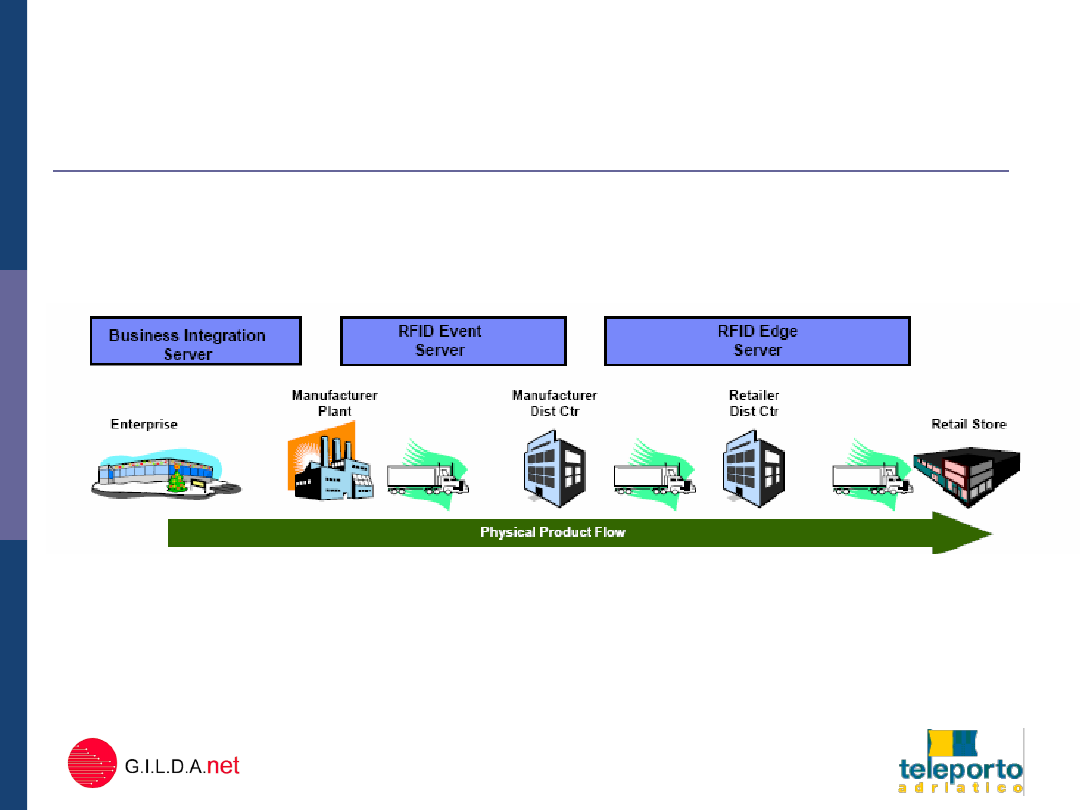
EPCglobal: an architecture
Electronic Product Code™ (EPC)
ID System (EPC tags, readers and interface
protocols)
EPC Middleware (Savant)
Object Naming Service (ONS)
Physical Markup Language (PML)
EPC Information Services (EPCIS)
EPCglobal Network Reference Architecture

Munich 2/6/2005
EPCglobal
EPC Informatin System (EPCIS)
Any system that stores, hosts and provides access to
EPC-number-specific product information across the
Internet. It will enable organizations to exchange data
with their trading partners based on EPCs. Product
information will be stored in PML, a variant of the
Internet's standard Extensible Markup Language (XML).

Munich 2/6/2005
EPCglobal
Object Name Service (ONS
)
(authoritative)
This provides a way for business systems to match the
EPC to information about the associated item. The ONS
is an automated networking service that points
computers to information about a product associated
with an EPC. It's based on the Domain Name Service
(DNS), which points computers to Web sites on the
Internet.

Munich 2/6/2005
EPCglobal
The EPC Discovery Service
(non universally authoritative)
This network service is designed to allow a company to
identify every reader that has read a particular EPC tag,
anywhere in the world. It's designed for track and trace
and other applications that are critical to achieving a
return on investment in EPC technology.

Munich 2/6/2005
EPCglobal
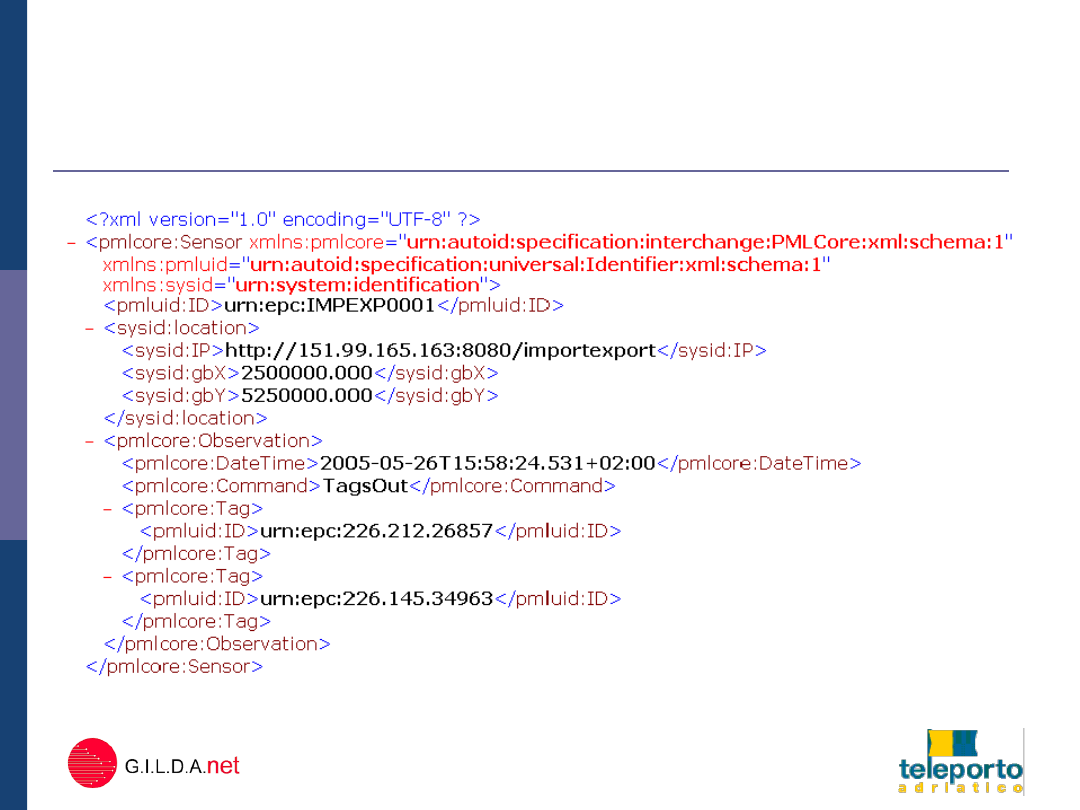
Physical Markup Language (PML)
Core Specification, Extensible Markup Language (XML)
Schema and Instance Files. The PML Core specification
establishes a common vocabulary set to be used within
the EPCglobal Network. It provides a standardised
format for data captured by readers. This specification
also includes XML Schema and Instance files for
reference.
Munich 2/6/2005
EPCglobal - GILDANET
Munich 2/6/2005
EPCglobal
Munich 2/6/2005
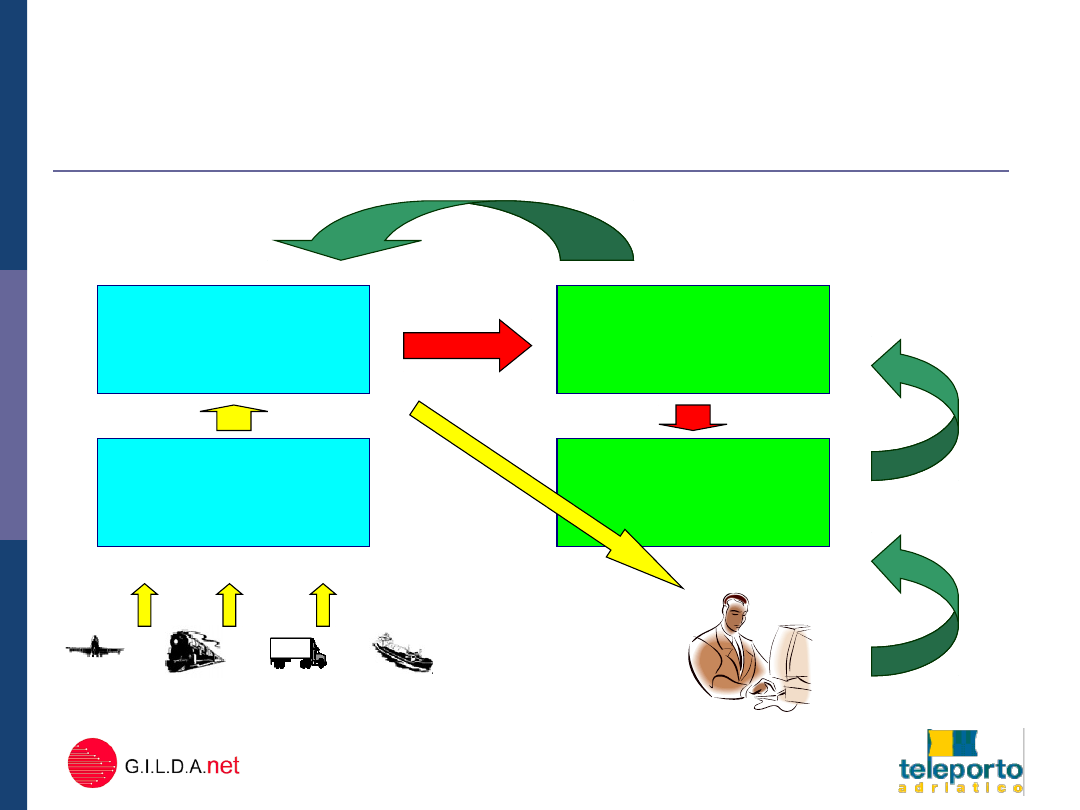
EPCglobal - GILDANET
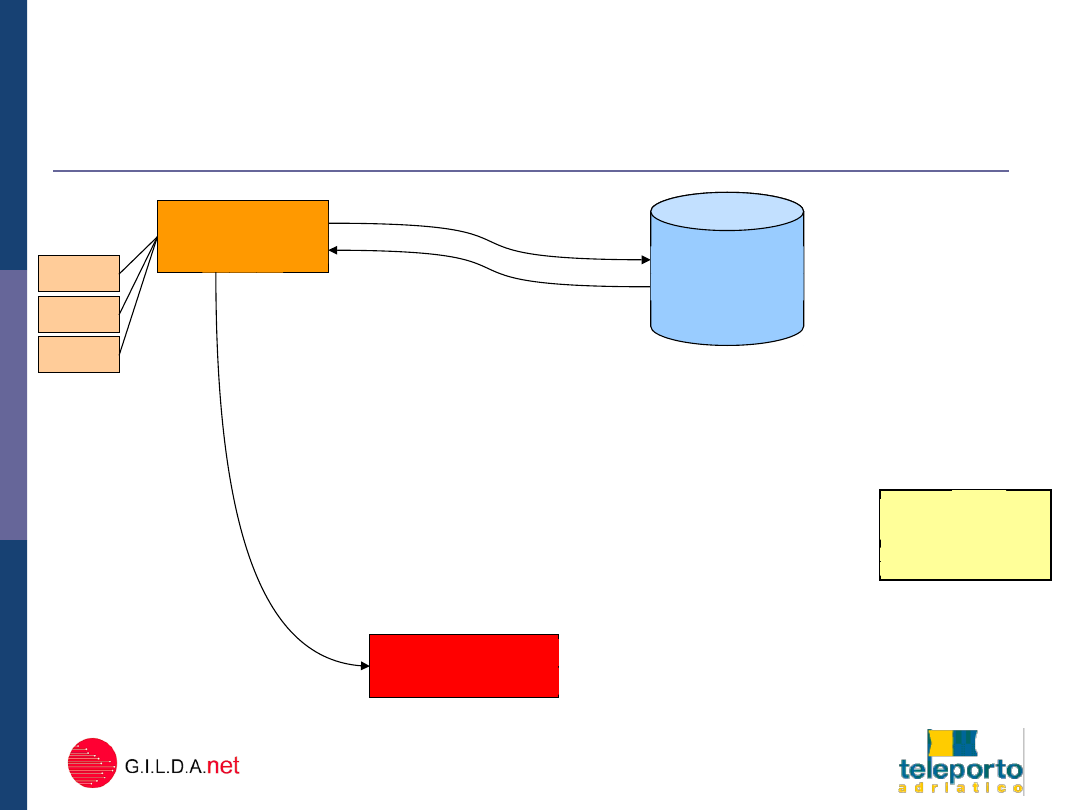
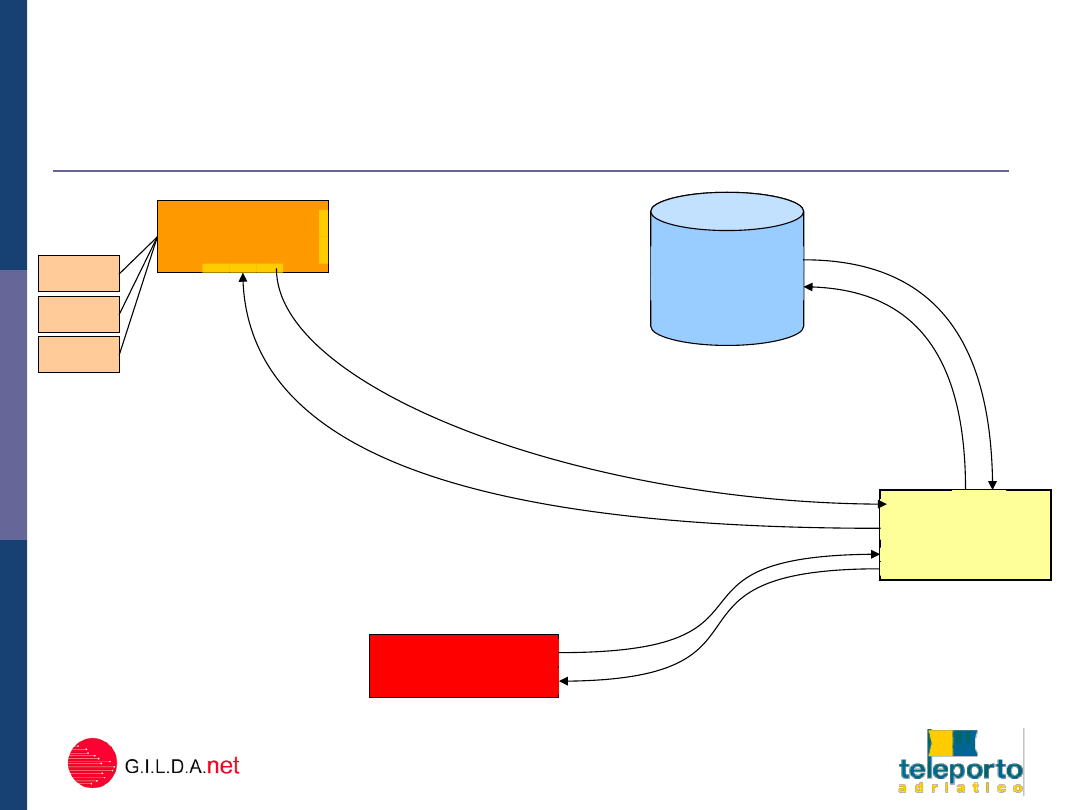
EPC
information system
EPC
event manager
ebXML
registry
EPC
discovery service
Munich 2/6/2005
RFID
RFID
RFID
ONS
SHIPPER
PRODUCER
USER
2 - EPC Code
3 - Producer address
4 - Updates Producer DB
EPCglobal - GILDANET
1 – event !
Munich 2/6/2005
EPCglobal - GILDANET
RFID
RFID
RFID
ONS
SHIPPER
PRODUCER
USER
1 - EPC Code
2 - Producer address
3 – EPC Code
4 - List Shippers addresses
5 – EPC Code
6 - Detailed information

Munich 2/6/2005
ISO/CD 24533
Transport information and control systems (TICS) Reference model
architecture for the TICS sector – Part 2 Core TICS reference
architecture (ISO TR 14813-2:2000) identifies a Commercial
Vehicle functional domain including:
"Transactions to maintain the TICS information
about a shipment from the time of the order by
the consignor to the reception of goods by the
consignee. The key TICS transactions are to
provide registers of service providers and to
enable the goods to be tracked throughout
intermodal journeys."
Consequently Technical Committee 204, Intelligent Transport
Systems, seeks to fill a role focusing specifically on motor carrier
transportation data exchange needs for the international supply
chain. Those needs are essential for road transport information
and control systems.

Munich 2/6/2005
ISO/CD 24533
Preliminary investigations suggest that there is no single
organization responsible for data standards through the
intermodal supply chain. To achieve a coherent set of
standards requires coordination among the various
international organizations working on pieces of these
standards. TC204 has advanced the idea of close
coordination among other ISO Technical Committees, IEC,
CEN, UN Centre for Trade Facilitation and Electronic
Business, and the World Customs Organization. Contact has
been made and interest has been expressed in cooperating
on the development of intermodal data exchange standards
that fully cover the supply chain.
The vision is to have an electronic supply chain manifest
that will satisfy the needs of the transport business industry
and governmental organizations that regulate the flow of
commerce.

Munich 2/6/2005
Empties Pilot
Munich 2/6/2005
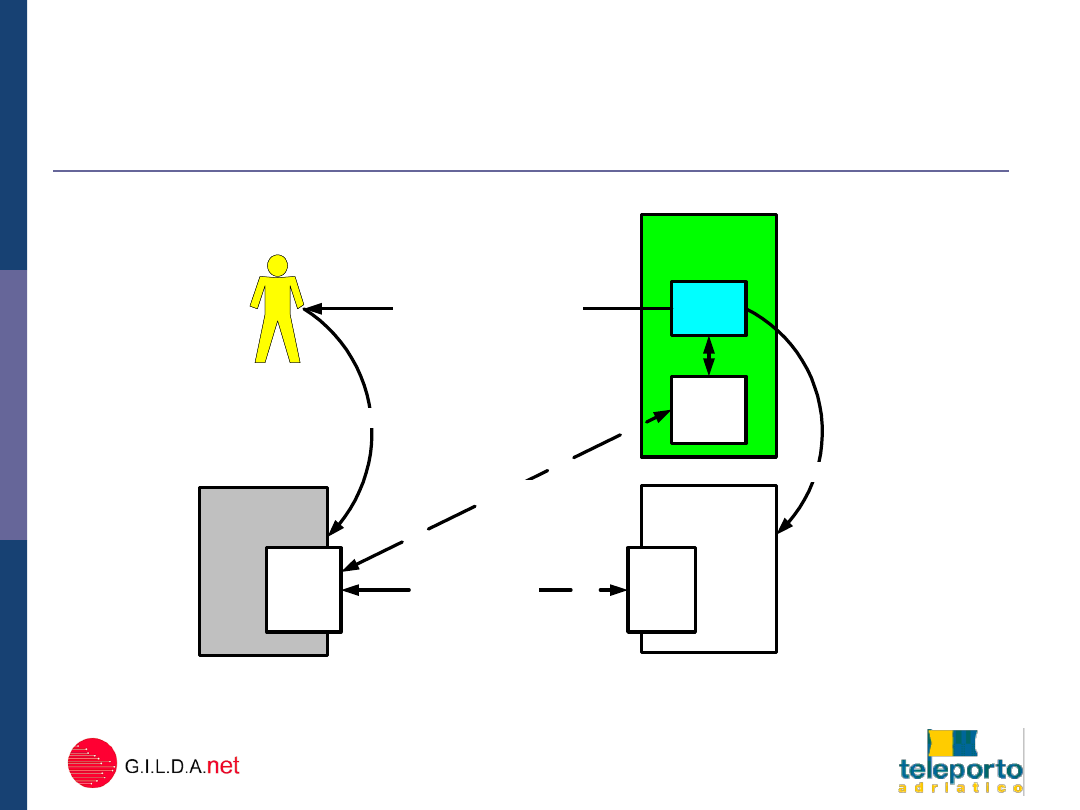
Empties
Multimodal
Operator
Legacy
System
Shipping
Line
Container
Terminal
Web
Service
Web
Service
Customer
SOAP Message
Container pickup notification
Container delivery notification
Web
Service
Client
SOAP Message
Container ready for pickup
Munich 2/6/2005
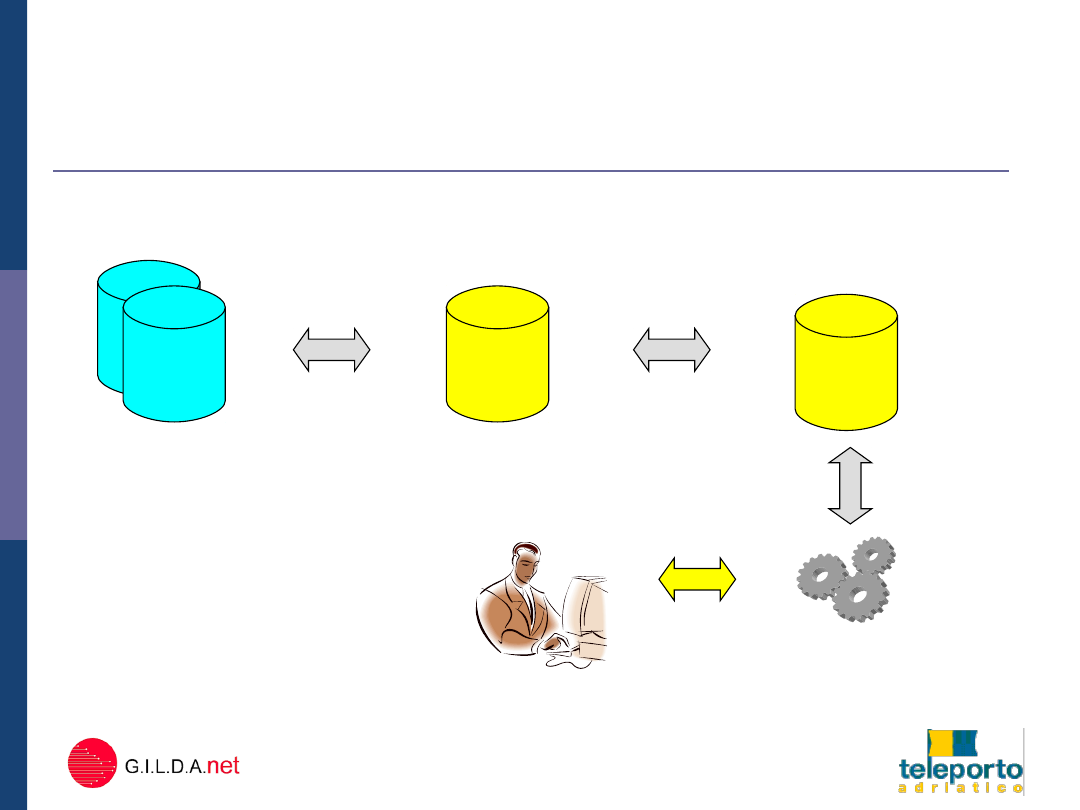
Empties
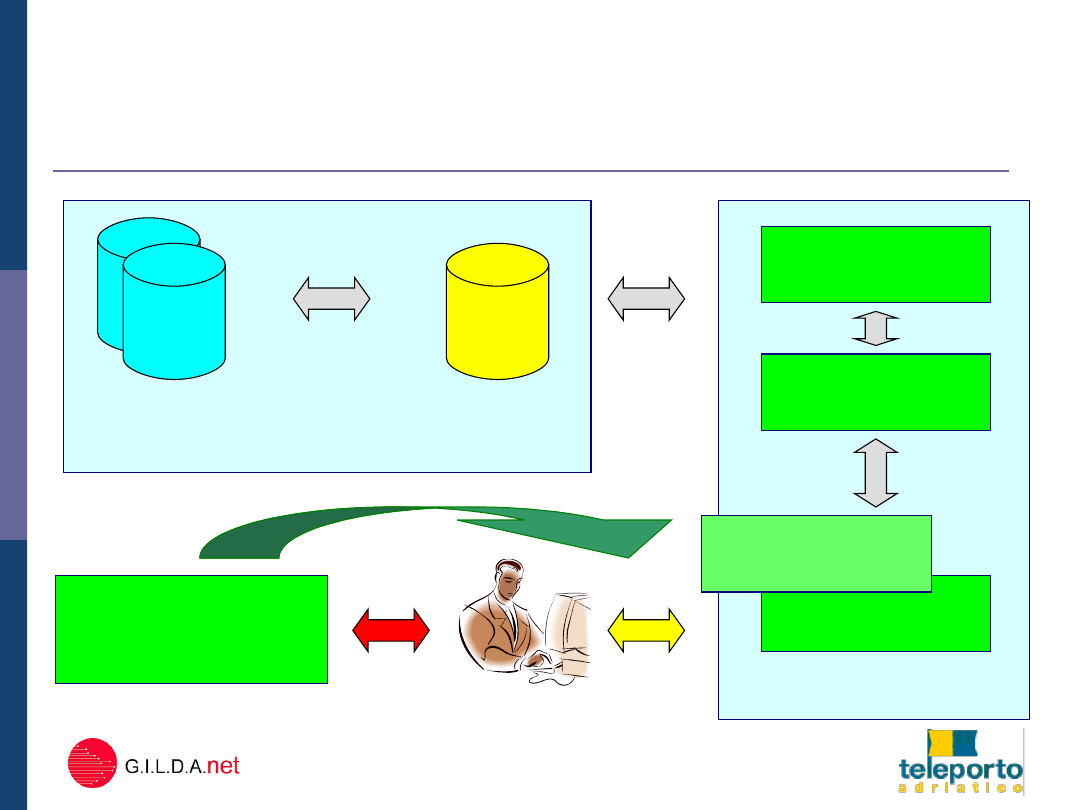
TCR legacy System
Empties
application
TCR interface
GILDANET
Munich 2/6/2005
Empties
STRATOS
mySQL
TC Ravenna
WebSphere
proxy
business logic
web services
web browser
ebXML
registry

Munich 2/6/2005
Empties - WebServices
RequestListOfContainers
RequestContainerStatus
ContainerArrivalNotification
RequestCostEstimate
MoveContainers
ContainerArrivalReportInfo

Munich 2/6/2005
TELEPORTO ADRIATICO srl
www.tpa.it
San Basilio, Fabbr. 26 - 30123 VENEZIA
Tel.: +39.041.5334830 - Fax: +39.041.5334838
TELEPORTO ADRIATICO srl
www.tpa.it
San Basilio, Fabbr. 26 - 30123 VENEZIA
Tel.: +39.041.5334830 - Fax: +39.041.5334838
Document Outline
- Slide 1
- Slide 2
- Slide 3
- Slide 4
- Slide 5
- Slide 6
- Slide 7
- Slide 8
- Slide 9
- Slide 10
- Slide 11
- Slide 12
- Slide 13
- Slide 14
- Slide 15
- Slide 16
- Slide 17
- Slide 18
- Slide 19
- Slide 20
- Slide 21
- Slide 22
- Slide 23
- Slide 24
- Slide 25
- Slide 26
- Slide 27
- Slide 28
- Slide 29
- Slide 30
- Slide 31
- Slide 32
Wyszukiwarka
Podobne podstrony:
0415327938 Routledge On the Public Jun 2005
0415327938 Routledge On the Public Jun 2005
148 Bitwa o brzuchy Battle of the Bulge, Jay Friedman, Jun 8, 2005
0415283388 Routledge Leibniz Jun 2005
AM1 2005 W1upg
Wytyczne ERC 2 2005
BYT 2005 Pomiar funkcjonalnosci oprogramowania
Wyklad3 2005
SWW epidem AIDS 2005
gemius 2005 zagrozenia
21 02 2014 Wykład 1 Sala
Świecie 14 05 2005
Walproiniany 2005
1 Podstawy diagnostyki w chorobach nerek 2005
N T 2005(fizjoterapia)
więcej podobnych podstron