II. Polynomials
Definition 1.2:
Definition 1.2:
The real (or complex) polynomial of order n
(nN{0}) is a function W : R (or C) R (or C)
defined as follows:
Where a
k
R (or C) for 0 k n and a
n
0.
The function w(x) 0 is the polynomial of order
-. The numbers a
k
for 0 k n are called the
coefficients of polynomial W.
0
1
1
1
)
(
a
x
a
x
a
x
a
x
W
x
n
n
n
n
!!!
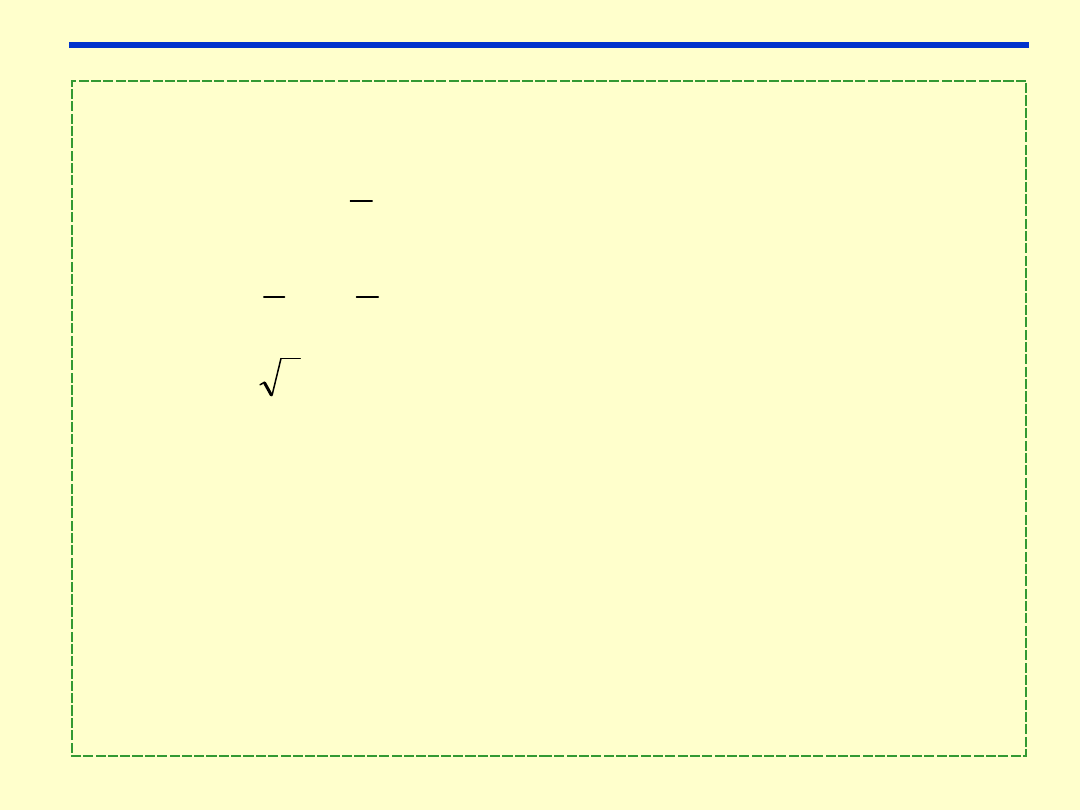
All real polynomials could be identified as a complex by
generalization of domain R (real) to C (complex).
Example
:
R
R
:
15
4
3
)
(
3
w
x
x
x
w
order 3
R
R
:
7
9
1
)
(
7
9
p
x
x
e
x
x
p
order 9
R
R
:
3
)
(
q
x
q
order 0
C
C
:
,
4
)
3
2
(
)
(
6
15
v
i
z
i
iz
z
v
order
15
C
C
:
1
)
(
2
g
z
z
g
order 2
C
C
:
2
1
)
(
u
i
x
u
order 0

Definition 2.2:
Definition 2.2:
Let P and Q are polynomials. The sum, difference
and product of P and Q is polynomial defined as:
)
(
)
(
)
(
),
(
)
(
)
(
x
Q
x
P
x
Q
P
x
Q
x
P
x
Q
P
df
df
sum/difference
product
Example
:
Find sum and difference of polynomials P and Q
;
5
1
)
(
,
1
)
(
2
2
x
x
x
Q
x
x
P
)
(
)
(
)
(
x
Q
x
P
x
Q
P
2
2
5
1
1
x
x
x
x
5
)
(
)
(
)
(
x
Q
x
P
x
Q
P
2
2
5
1
1
x
x
x
2
2x
x
5
2
Operations
Definition 3.2:
Definition 3.2:
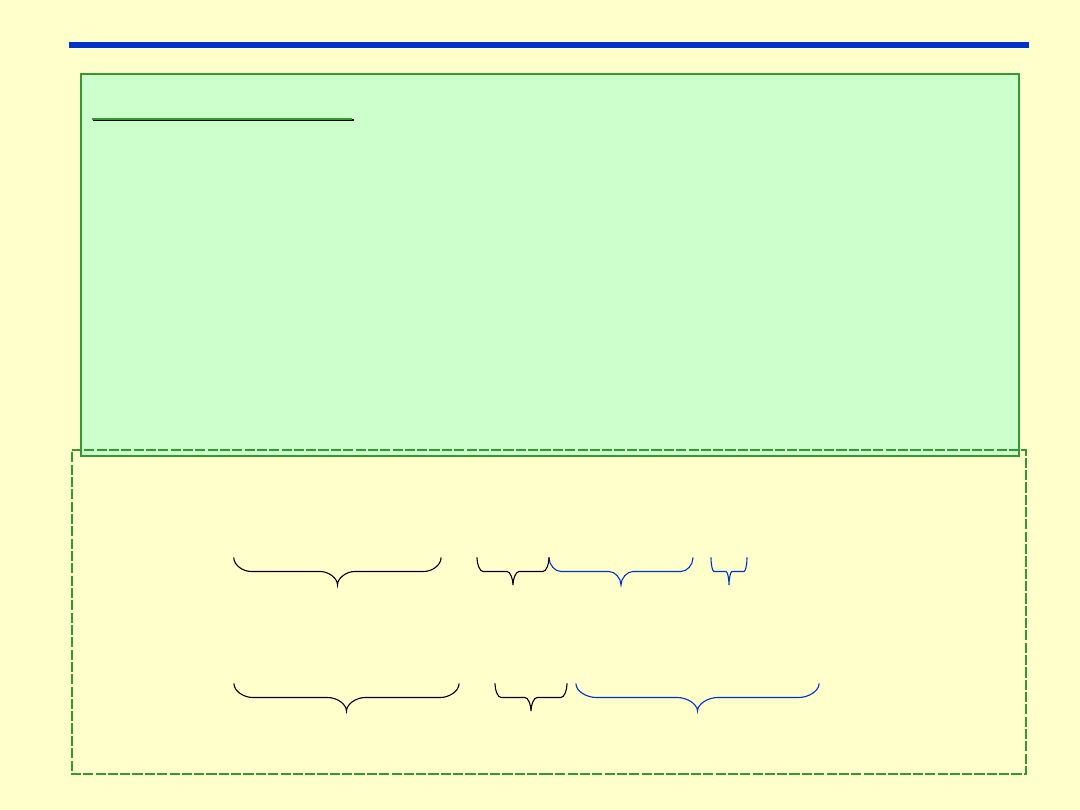
The polynomial S is a quotient and polynomial R
is a reminder of the division polynomials P by Q,
if for all x
R (or C) following condition is
satisfied
and order of R is lower then order of Q. If R(x)
0, one say that P is
divisible by Q.
)
(
)
(
)
(
)
(
x
R
x
S
x
Q
x
P
Example
:
17
9
)
(
2
3
x
x
x
x
P
3
)
7
)(
2
(
2
x
x
x
6
5
3
8
)
(
2
4
x
x
x
x
P
)
6
11
8
8
)(
1
(
2
3
x
x
x
x
quotient
- order 2
reminder
- order 0
P(x) – order 3
Q(x) – order
1
quotient
- order 3
P(x) – order 4
Q(x) – order
1
P is divisible by Q
i
z
iz
z
P
3
1
2
)
(
3
i
i
z
iz
i
z
7
7
)
4
2
2
)(
2
(
2
quotient
- order 2
reminder
- order 0
P(x) – order 3
Q(x) – order
1
Definition
Definition
4
4
.2:
.2:
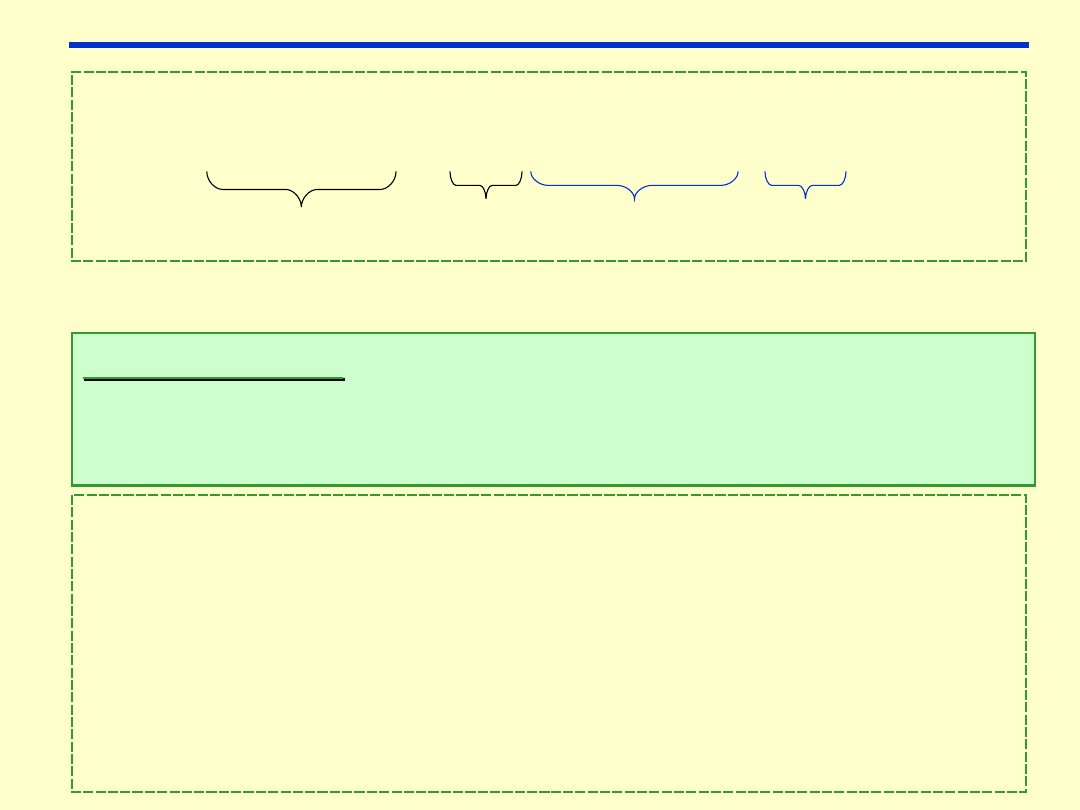
Real (or complex) number x
0
is called root of real
(or complex) polynomial W when W(x
0
)=0.
i
i
i
i
i
W
z
W
4
2
)
1
(
2
)
1
(
)
1
(
)
(
2
1
i
i
i
4
2
)
2
2
(
)
1
2
1
(
0
i
i
i
i
i
W
z
W
4
2
)
2
1
(
2
)
2
1
(
)
2
1
(
)
(
2
2
i
i
i
4
2
)
4
2
(
)
4
4
1
(
i
2
3
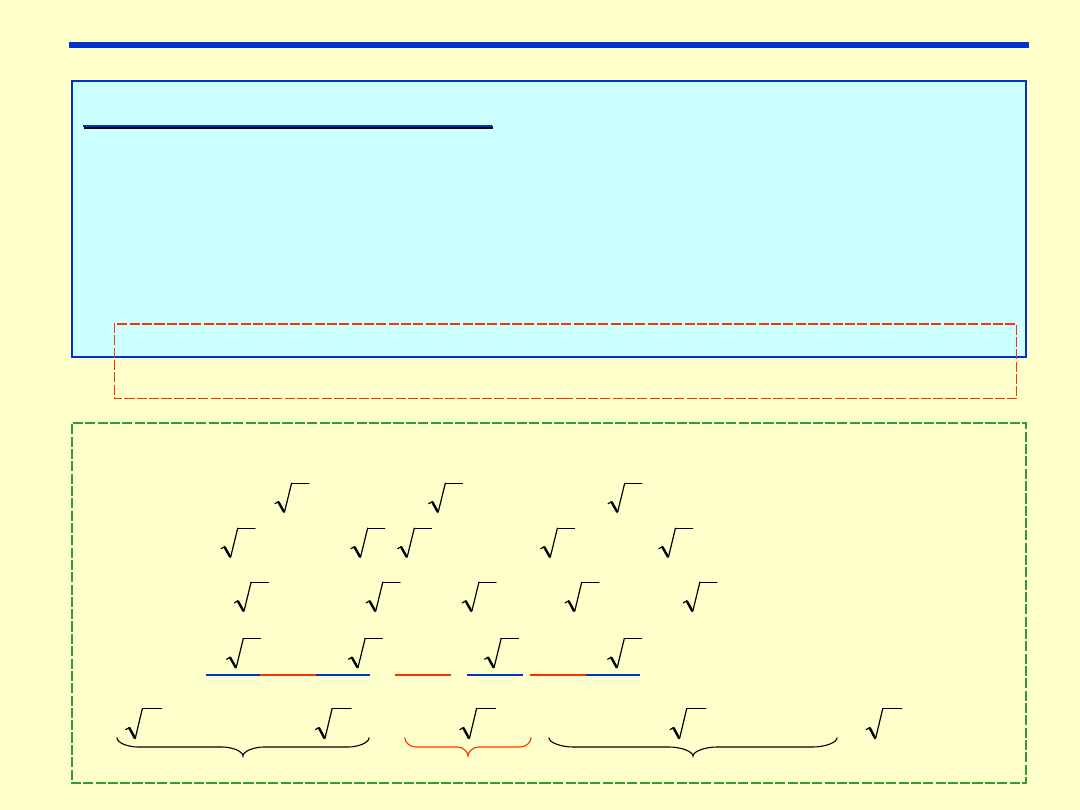
Example
:
Example cont.
:
i
z
i
z
i
iz
z
z
W
2
1
,
1
,
4
2
2
)
(
2
1
2
Check if z
1
or z
2
is a
root of
Root of Polynomial
Theorem 1.2: (Bezout)
Theorem 1.2: (Bezout)
Real (or complex) number x
0
is called root of real
(or complex) polynomial W if and only if exist
polynomial P that
)
(
)
(
0
x
P
x
x
x
W
• the reminder of division W by (x - x
0
) is equal W (x
0
)
!!!
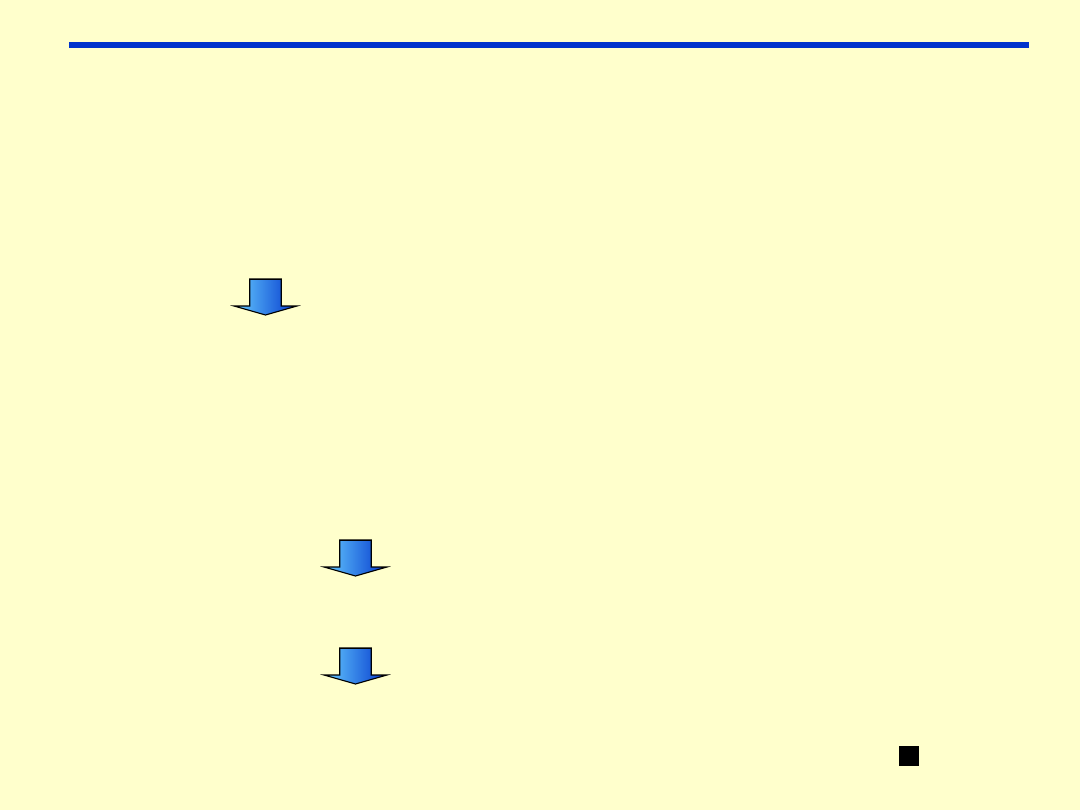
Example
:
2
3
7
2
3
)
(
2
3
z
z
z
z
W
i
z
2
0
2
3
)
2
(
7
)
2
(
2
3
)
2
(
)
(
2
3
0
i
i
i
z
W
2
3
)
2
(
7
)
2
2
1
(
2
3
)
5
2
(
i
i
i
2
3
7
2
7
12
2
3
5
2
i
i
i
0
i
z
i
z
i
z
z
z
z
2
2
)
2
2
(
)
2
(
2
3
7
2
3
2
2
3
W
P
z - z
0
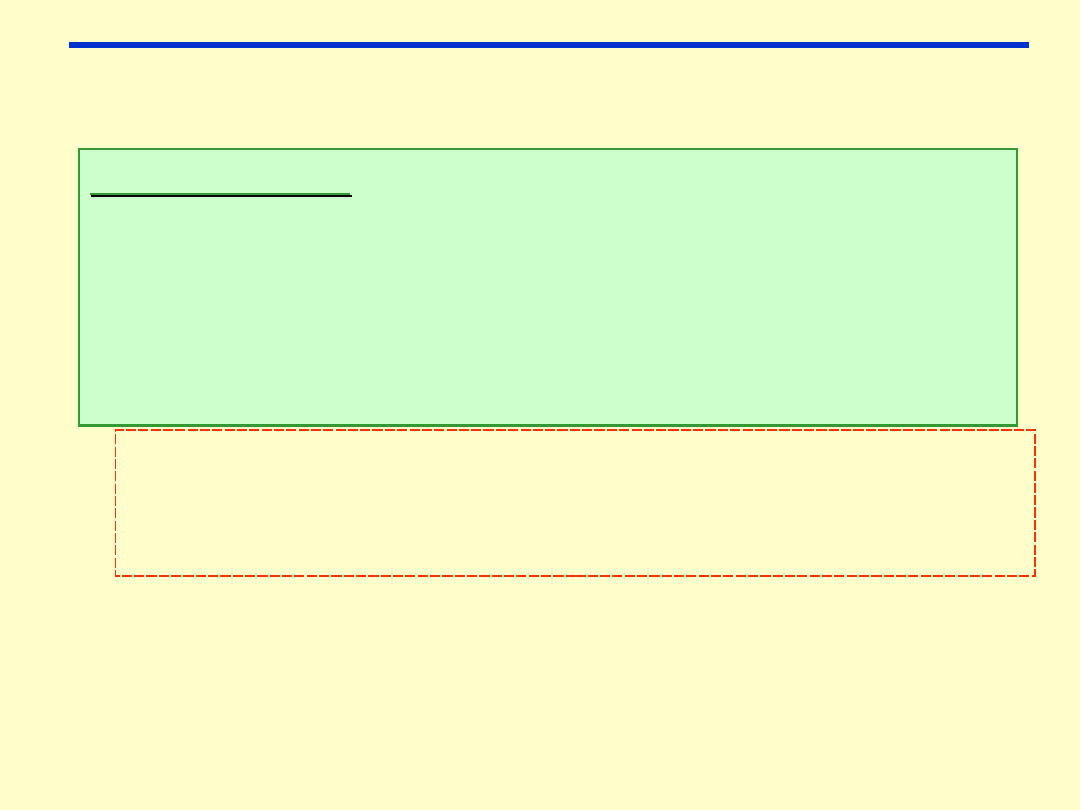
Proof:
Let
x
0
be a
root of polynomial W.
So
0
)
(
0
x
W
)
(
)
(
)
(
)
(
0
x
R
x
P
x
x
x
W
c
x
R
)
(
Order of the reminder has to be
lower then order of
)
(
0
x
x
x
0
is a
root of polynomial W
c
x
P
x
x
x
W
)
(
)
(
)
(
0
0
0
0
c
0
so
)
(
)
(
)
(
0
x
P
x
x
x
W
We know that
)
(
)
(
)
(
0
x
P
x
x
x
W
0
)
(
)
(
)
(
0
0
0
0
x
P
x
x
x
W
x
0
is a
root of polynomial W
Definition
Definition
5
5
.2:
.2:
Real (or complex) number x
0
is called k-fold root
of real (or complex) polynomial W if and only if
exist polynomial P that
)
(
)
(
0
x
P
x
x
x
W
k
and
0
)
(
0
x
P
!!!
• if x
1
is k
1
-fold root, x
2
is k
2
-fold root,..., x
m
is k
m
-fold root
of polynomial then this polynomial is divisible by product
m
k
m
k
k
x
x
x
x
x
x
2
1
2
1
k-fold Root of Polynomial
Theorem 2.2:
Theorem 2.2:
Let
be a polynomial with integer coefficients and
integer p
0 be a root of W.
Then number p is a divisor of free term a
0
0
1
1
1
)
(
a
x
a
x
a
x
a
x
W
n
n
n
n
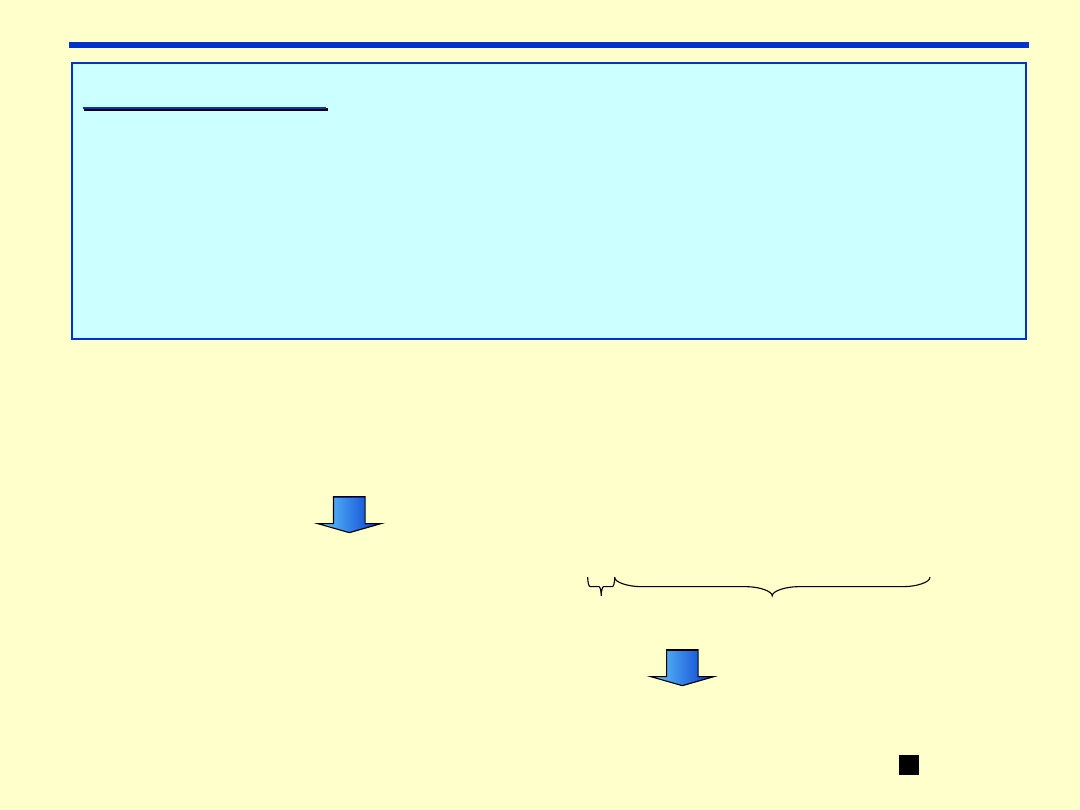
Proof:
Let
p
0 be a
integer root of polynomial W.
So
0
)
(
0
1
1
1
a
p
a
p
a
p
a
p
W
n
n
n
n
p
a
p
a
p
a
a
n
n
n
n
1
1
1
0
1
2
1
1
a
p
a
p
a
p
n
n
n
n
Z
Z
number p is a divisor of free term a
0

Find all integer roots of
polynomial W
8
5
2
)
(
2
3
x
x
x
x
W
Example
:
1
,
2
,
4
,
8
A
Set of „potential roots” of W
12
8
1
5
1
2
1
)
1
(
2
3
W
0
8
)
1
(
5
)
1
(
2
)
1
(
)
1
(
2
3
W
18
8
)
2
(
5
)
2
(
2
)
2
(
)
2
(
2
3
W
18
8
)
2
(
5
)
2
(
2
)
2
(
)
2
(
2
3
W
60
8
)
4
(
5
)
4
(
2
)
4
(
)
4
(
2
3
W
108
8
)
4
(
5
)
4
(
2
)
4
(
)
4
(
2
3
W
432
8
)
8
(
5
)
8
(
2
)
8
(
)
8
(
2
3
W
672
8
)
8
(
5
)
8
(
2
)
8
(
)
8
(
2
3
W
Solution:
1
0
x

Rational Roots of Polynomial
Theorem
Theorem
3.2
3.2
:
:
Let
be a polynomial of order n with integer
coefficients a
k
(0 k n). Furthermore let
number p/q be a root of polynomial W (p,q are
relatively prime integer numbers).
Then p is a divisor of free term a
0
and q is a
divisor or coefficient a
n
.
0
1
1
1
)
(
a
x
a
x
a
x
a
x
W
n
n
n
n
!!!
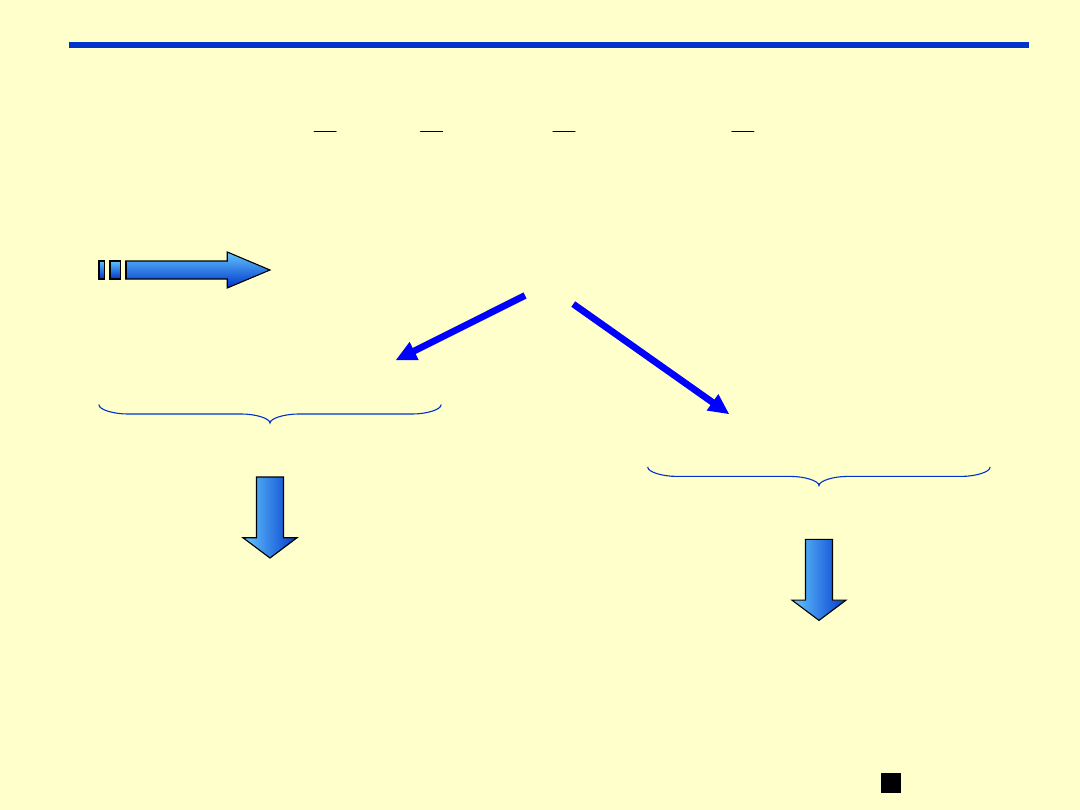
• if a
n
= 1 then all rational roots are integer;
notes that only 1 and –1 are divisors of a
n
and the
number p/q=
p
(integer number)
Proof:
0
0
1
1
1
a
q
p
a
q
p
a
q
p
a
q
p
W
n
n
n
n
We knew that
and p,q are relatively prime integer numbers.
0
0
1
1
1
1
n
n
n
n
n
n
q
a
pq
a
q
p
a
p
a
Number p is a divisor of number
a
0
q
n
, but
is not a divisor of q
n
. So p is a
divisor of a
0
0
0
n
q
a
pk
0
0
1
1
2
1
1
n
n
n
n
n
n
q
a
q
a
q
p
a
p
a
p
0
1
0
2
1
1
1
n
n
n
n
n
n
q
a
pq
a
p
a
q
p
a
0
ql
p
a
n
n
k
(integer
number)
l
(integer
number)
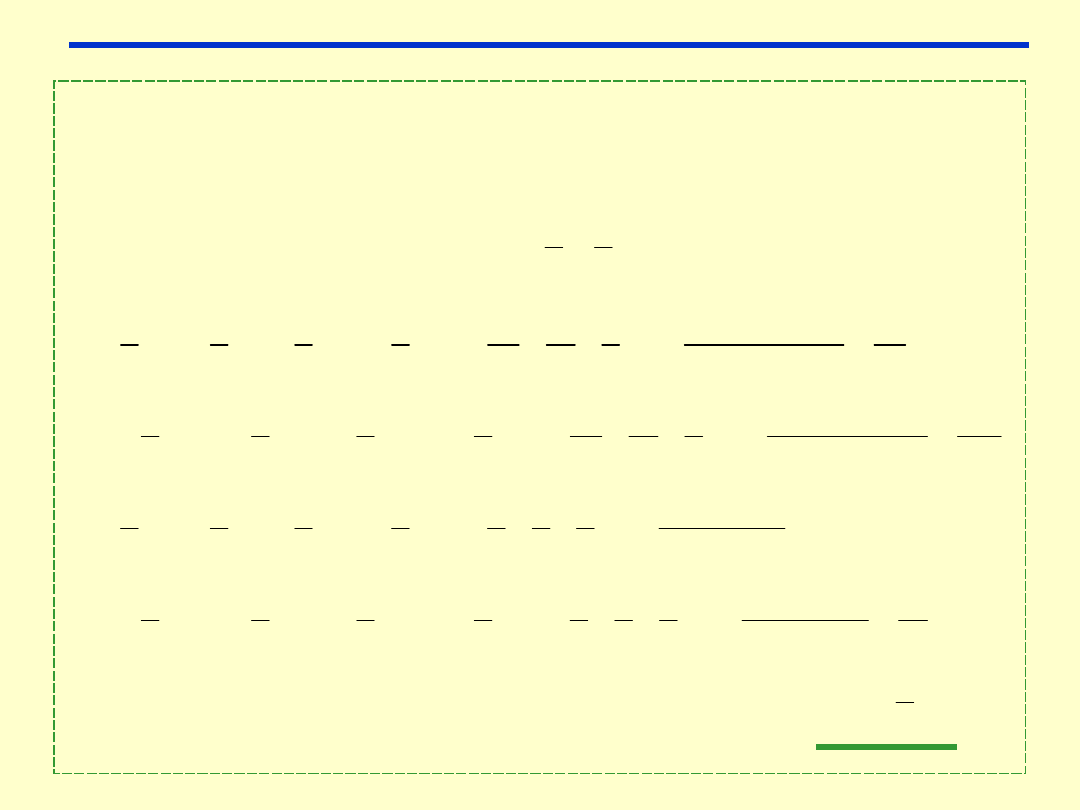
Number q is a divisor of number
a
n
p
n
, but
is not a divisor of p
n
. So q is a
divisor of a
n
Example
:
Find all rational roots of polynomial W
1
3
4
)
(
2
4
x
x
x
x
W
1
2
1
,
4
1
A
Set of „potential roots” of W
64
21
64
64
48
4
1
1
4
3
16
1
64
1
1
4
1
3
4
1
4
1
4
4
1
2
4
W
64
117
64
64
48
4
1
1
4
3
16
1
64
1
1
4
1
3
4
1
4
1
4
4
1
2
4
W
0
4
4
6
1
1
1
2
3
4
1
4
1
1
2
1
3
2
1
2
1
4
2
1
2
4
W
3
4
12
4
4
6
1
1
1
2
3
4
1
4
1
1
2
1
3
2
1
2
1
4
2
1
2
4
W
3
1
3
1
4
1
1
3
1
1
4
1
2
4
W
9
1
3
1
4
1
)
1
(
3
)
1
(
)
1
(
4
1
2
4
W
Solution:
2
1
0
x

The Fundamental Theorem of Algebra
Theorem
Theorem
4
4
.
.
2
2
:
:
(
(
the Fundamental Theorem of
the Fundamental Theorem of
Algebra
Algebra
)
)
Every complex polynomial of positive order has
at least one complex root.
Proof:
- too complicated (some method of calculus and advanced
algebra are needed)
Number Class Notation
Equation
positive integer
N
integer
Z
rational
Q
real
R
complex
C
0
5
x
0
5
4
x
0
2
2
x
0
3
2
x
all equations have complex root
Document Outline
- Slide 1
- Slide 2
- Slide 3
- Slide 4
- Slide 5
- Slide 6
- Slide 7
- Slide 8
- Slide 9
- Slide 10
- Slide 11
- Slide 12
- Slide 13
- Slide 14
Wyszukiwarka
Podobne podstrony:
Psycholgia wychowawcza W2
SP dzienni w2
w2 klasy(1)
W2 Chemiczne skladniki komorki
OK W2 System informacyjny i informatyczny
W2 6
W2 Uproszczone formy rachunkowości
W2 i W3
ulog w2
UC W2
w2 podsumowanie
W2 cele
więcej podobnych podstron