
This slide set “Hand Hygiene in Healthcare
Settings-Core” and accompanying speaker notes
provide an overview of the Guideline for Hand
Hygiene in Health-care Settings published in
2002.
A second slide set “Hand Hygiene in Healthcare
Settings-Supplemental” which can be obtained
at www.cdc.gov/handhygiene provides additional
slides that may be used in conjunction with the
core slide set.
The target audience for this slide set is
healthcare workers in acute care hospitals
.

Hand Hygiene in
Healthcare
Settings: An
Overview
Guideline for Hand Hygiene in Health-care Settings. MMWR
2002; vol. 51, no. RR-16.
Background
Definitions
Indications
Selection of Agents
Techniques
Surgical
Other

Most common mode of
transmission of pathogens is via
hands!
Infections acquired in healthcare
Spread of antimicrobial resistance
So Why All the
Fuss About Hand
Hygiene?

Evidence of
Relationship Between
Hand Hygiene and
Healthcare-Associated
Infections
Substantial evidence that hand hygiene
reduces the incidence of infections
Historical study: Semmelweis
More recent studies: rates lower when
antiseptic handwashing was performed
Guideline for Hand Hygiene in Health-care Settings. MMWR
2002; vol. 51, no. RR-16.

Hand Hygiene
Adherence in
Hospitals
1. Gould D, J Hosp Infect 1994;28:15-30. 2. Larson E, J Hosp Infect
1995;30:88-106. 3. Slaughter S, Ann Intern Med 1996;3:360-365. 4.
Watanakunakorn C, Infect Control Hosp Epidemiol 1998;19:858-860. 5.
Pittet D, Lancet 2000:356;1307-1312.
Year of StudyAdherence Rate Hospital Area
1994
(1)
29%
General and
ICU
1995
(2)
41%
General
1996
(3)
41%
ICU
1998
(4)
30%
General
2000
(5)
48%
General

Self-Reported
Factors for Poor
Adherence with
Hand Hygiene
Handwashing agents cause irritation and
dryness
Sinks are inconveniently located/lack of sinks
Lack of soap and paper towels
Too busy/insufficient time
Understaffing/overcrowding
Patient needs take priority
Low risk of acquiring infection from patients
Adapted from Pittet D, Infect Control Hosp Epidemiol
2000;21:381-386.

Definitions
Hand hygiene
–
Performing handwashing, antiseptic handwash, alcohol-
based handrub, surgical hand hygiene/antisepsis
Handwashing
–
Washing hands with plain soap and water
Antiseptic handwash
–
Washing hands with water and soap or other detergents
containing an antiseptic agent
Alcohol-based handrub
–
Rubbing hands with an alcohol-containing preparation
Surgical hand hygiene/antisepsis
–
Handwashing or using an alcohol-based handrub before
operations by surgical personnel
Guideline for Hand Hygiene in Health-care Settings. MMWR
2002; vol. 51, no. RR-16.

Indications for
Hand Hygiene
When hands are visibly dirty,
contaminated, or soiled, wash with
non-antimicrobial or antimicrobial
soap and water.
If hands are not visibly soiled, use
an alcohol-based handrub for
routinely decontaminating hands.
Guideline for Hand Hygiene in Health-care Settings. MMWR
2002; vol. 51, no. RR-16.

Specific Indications
for Hand Hygiene
Before:
–
Patient contact
–
Donning gloves when inserting a CVC
–
Inserting urinary catheters, peripheral vascular
catheters, or other invasive devices that don’t
require surgery
After:
–
Contact with a patient’s skin
–
Contact with body fluids or excretions, non-intact
skin, wound dressings
–
Removing gloves
Guideline for Hand Hygiene in Health-care Settings. MMWR
2002; vol. 51, no. RR-16.

Selection of Hand
Hygiene Agents:
Factors to Consider
Efficacy of antiseptic agent
Acceptance of product by healthcare
personnel
–
Characteristics of product
–
Skin irritation and dryness
Accessibility of product
Dispenser systems
Guideline for Hand Hygiene in Health-care Settings. MMWR
2002; vol. 51, no. RR-16.

Efficacy of Hand
Hygiene Preparations
in Killing Bacteria
Good
Bette
r
Best
Plain
Soap
Antimicrobi
al soap
Alcohol-
based
handrub

Ability of Hand
Hygiene Agents to
Reduce Bacteria on
Hands
Adapted from: Hosp Epidemiol Infect Control, 2
nd
Edition, 1999.
0.0
1.0
2.0
3.0
0 60
180minutes
0.0
90.0
99.0
99.9
log
%
B
a
c
te
ri
a
l
R
e
d
u
c
ti
o
n
Alcohol-based handrub
(70% Isopropanol)
Antimicrobial soap
(4% Chlorhexidine)
Plain soap
Time After Disinfection
Baseline
0
1
2
3
4
5
6
Baseline
2 weeks
Alcohol rub
Soap and water
15
17
19
21
23
25
27
Baseline
2 weeks
Alcohol rub
Soap and water
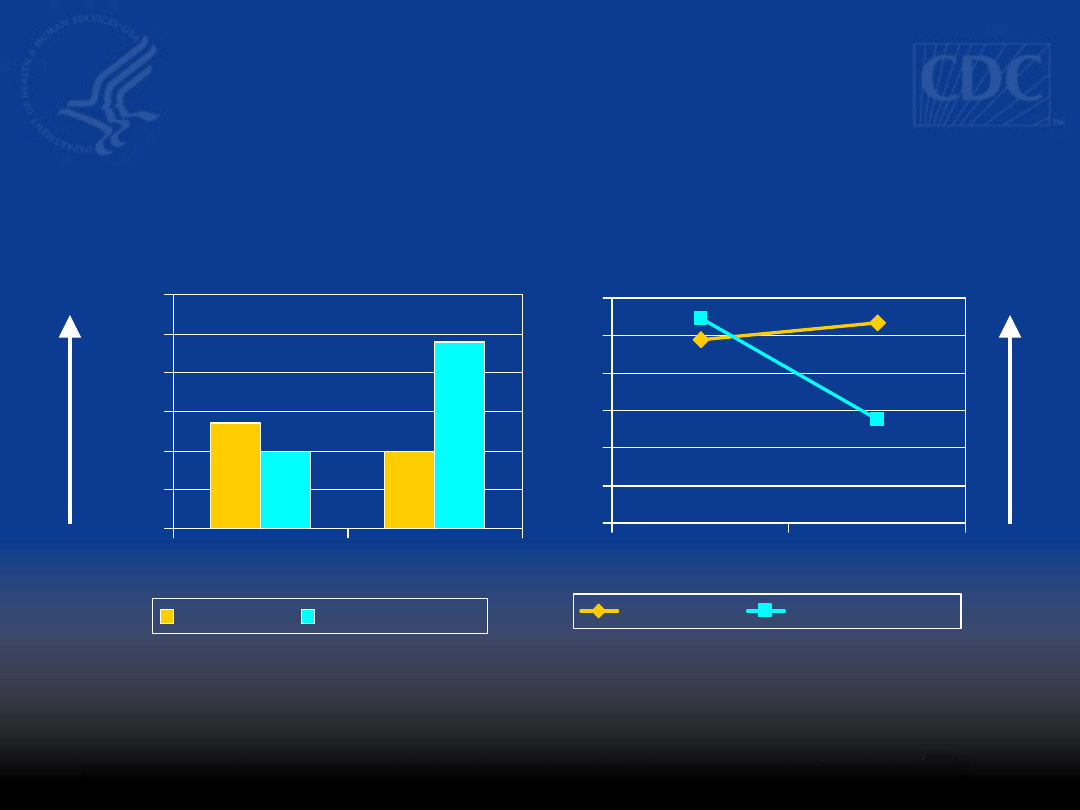
Epidermal water content
Self-reported skin score
Dry
Healthy
Dry
Healthy
Effect of Alcohol-Based
Handrubs on Skin
Condition
~ Alcohol-based handrub is less damaging to the
skin ~
Boyce J, Infect Control Hosp Epidemiol 2000;21(7):438-441.

Time Spent
Cleansing Hands:
one nurse per 8 hour shift
Hand washing with soap and water: 56
minutes
–
Based on seven (60 second) handwashing episodes per
hour
Alcohol-based handrub: 18 minutes
–
Based on seven (20 second) handrub episodes per hour
Voss A and Widmer AF, Infect Control Hosp Epidemiol 1997:18;205-208.
~ Alcohol-based handrubs reduce
time needed for hand disinfection
~

Recommended
Hand Hygiene
Technique
Handrubs
–
Apply to palm of one hand, rub hands
together covering all surfaces until dry
–
Volume: based on manufacturer
Handwashing
–
Wet hands with water, apply soap, rub
hands together for at least 15 seconds
–
Rinse and dry with disposable towel
–
Use towel to turn off faucet
Guideline for Hand Hygiene in Health-care Settings. MMWR
2002; vol. 51, no. RR-16.

Surgical Hand
Hygiene/Antisepsi
s
Use either an antimicrobial soap or
alcohol-based handrub
Antimicrobial soap: scrub hands and
forearms for length of time
recommended by manufacturer
Alcohol-based handrub: follow
manufacturer’s recommendations.
Before applying, pre-wash hands and
forearms with non-antimicrobial soap
Guideline for Hand Hygiene in Health-care Settings. MMWR
2002; vol. 51, no. RR-16.

Infection Rates:
Surgical
Handscrub vs.
Handrub
2
Test of
Class of
No. SSI/No.Operations (%)
Equivalence
ContaminationHandscrub
Handrub
(p-value)
Clean
29/1485 (1.9) 32/1520 (2.1) 16.0
(<0.001)
Clean-
Contaminated24/650 (3.7) 23/732 (3.1) 1.9
(0.09)
All
53/2135 (2.5) 55/2252 (2.4) 19.5
(<0.001)
Parienti et al. JAMA 2002: 288(6);722-
27.

Skin Care
Provide healthcare workers with
hand lotions or creams
Get information from manufacturers
regarding effects that hand lotions,
creams, or alcohol-based handrubs
may have on the effectiveness of
antimicrobial soaps
Guideline for Hand Hygiene in Health-care Settings. MMWR
2002; vol. 51, no. RR-16.

Fingernails and
Artificial Nails
Natural nail tips should be kept to
¼ inch in length
Artificial nails should not be worn
when having direct contact with
high-risk patients (e.g., ICU, OR)
Guideline for Hand Hygiene in Health-care Settings. MMWR
2002;
vol. 51, no. RR-16.

Unresolved Issues
Routine use of nonalcohol-
based handrubs
Wearing rings in healthcare
settings
Guideline for Hand Hygiene in Health-care Settings. MMWR
2002; vol. 51, no. RR-16.

Gloving
Wear gloves when contact with blood
or other potentially infectious materials
is possible
Remove gloves after caring for a
patient
Do not wear the same pair of gloves
for the care of more than one patient
Do not wash gloves
Guideline for Hand Hygiene in Health-care Settings. MMWR
2002; vol. 51, no. RR-16.

Education/Motivat
ion Programs
Monitor healthcare workers (HCWs)
adherence with recommended hand
hygiene practices and give feedback
Implement a multidisciplinary program
to improve adherence to
recommended practices
Encourage patients and their families
to remind HCWs to practice hand
hygiene
Guideline for Hand Hygiene in Health-care Settings. MMWR
2002; vol. 51, no. RR-16.

Administrative
Measures to
Improve Hand
Hygiene
Make improved hand hygiene an
institutional priority
Place alcohol-based handrubs at
entrance to patient room, or at bedside
Provide HCWs with pocket-sized
containers
Guideline for Hand Hygiene in Health-care Settings. MMWR
2002; vol. 51, no. RR-16.

Alcohol and
Flammability
Alcohols are flammable
Alcohol-based handrubs should be
stored away from high temperatures or
flames
Europe: fire incidence low
U.S.: one report of flash fire
Application is key: Let It Dry!
Guideline for Hand Hygiene in Health-care Settings. MMWR
2002; vol. 51, no. RR-16.

Performance
Indicators
Monitor and record adherence to
hand hygiene by ward or service
Provide feedback to healthcare
workers about their performance
Monitor the volume of alcohol-based
handrub used per 1,000 patient days
Monitor adherence to policies on
wearing artificial nails
Guideline for Hand Hygiene in Health-care Settings. MMWR
2002; vol. 51, no. RR-16.

Summary
Alcohol-Based
Handrubs:
What
benefits do they
provide?
Require less time
More effective for standard
handwashing than soap
More accessible than sinks
Reduce bacterial counts on hands
Improve skin condition
PREVENTION
IS PRIMARY!
Protect patients…protect healthcare
personnel…
promote quality healthcare!
Document Outline
- Slide 1
- Hand Hygiene in Healthcare Settings: An Overview
- So Why All the Fuss About Hand Hygiene?
- Evidence of Relationship Between Hand Hygiene and Healthcare-Associated Infections
- Slide 5
- Self-Reported Factors for Poor Adherence with Hand Hygiene
- Definitions
- Indications for Hand Hygiene
- Specific Indications for Hand Hygiene
- Selection of Hand Hygiene Agents: Factors to Consider
- Efficacy of Hand Hygiene Preparations in Killing Bacteria
- Slide 12
- Slide 13
- Time Spent Cleansing Hands: one nurse per 8 hour shift
- Recommended Hand Hygiene Technique
- Surgical Hand Hygiene/Antisepsis
- Infection Rates: Surgical Handscrub vs. Handrub
- Skin Care
- Fingernails and Artificial Nails
- Unresolved Issues
- Gloving
- Education/Motivation Programs
- Administrative Measures to Improve Hand Hygiene
- Alcohol and Flammability
- Performance Indicators
- Summary Alcohol-Based Handrubs: What benefits do they provide?
- Slide 27
Wyszukiwarka
Podobne podstrony:
Hand Hygiene BIOIS EDITED
CYWILNE I HAND CZ 2
1b Water Hygiene Amended EB
CORE CURRICULUM
Attribution of Hand Bones to Sex and Population Groups
Hygiene Tribune 4nr 1
Hygiene Tribune 6nr 1
hand-out agresja, BIOLOGIA UJ LATA I-III, ROK III, dydaktyka, psychologia, Nowy folder
THE COMPLETE CORE FOOD LIST
CORE
krav maga hand combat QUXJMMAEAE7ZVYIIDRJCT4ZL7CTBEIJZ3Q77DAY
Fallout Hand to Hand Bible
Podkręcanie Celerona FCPGA-zmiana napięcia V Core.
CORE SCIENCE
Hand sanitizer
1a Intro with exercises + Water hygiene
Focus S Series Hand Held and GUI Instrukcja Obsługi
więcej podobnych podstron