
1
JU-JITSU
GRAPPLING
(JJG)
COMPETITION RULES
Of
The National Ju-Jitsu Grappling Program Of:
UNITED STATES
JU-JITSU FEDERATION
(USJJF)
All contents Copyright © 1998 - 2011 by the United States Ju-Jitsu Federation, The "United States
Ju-Jitsu Federation", "USJJF", "US JU-JITSU", "USJJ", "USA Ju-Jitsu Federation",
"USAJJF", USA Traditional Kodokan Judo, "USA-TKJ" and our Logos are registered trademarks of
The United States Ju-Jitsu Federation

2
The USA National Governing Body for Ju-Jitsu
US Ju-Jitsu Grappling Competition Rules
USA National Member:
Pan American Ju-Jitsu Union (PAJJU)
Ju-Jitsu International Federation (JJIF)
Martial Arts International Federation (MAIF)
USA National Officers:
President: Bruce R. Bethers
Vice President: Carl Wilcox
General Secretary: James Caldwell
Treasurer: Donna K. Cosper
US Ju-Jitsu Grappling Committee:
Chairman - Jeffrey Cook
Vice-Chairman - Earl DelValle,
Members – Brian D. Walsh, Michael Piaser, Ernest G. McPeek, Michael Pancer,
Robert M. Carver, Bruce R. Bethers, Jeff Santella, Jeff Rhodes, John Newton
US Ju-Jitsu Tournament Admin & Rules Committee:
Chairman: Ernest G. McPeek
Members - Carl Wilcox, Donna K. Cosper, Michael Piaser, Bruce R. Bethers,
Patrick M. Hickey, Nadeem Ansari, Jeffrey Cook, Earl DelValle, Robert M. Carver,
US Ju-Jitsu National Office:
1850 Columbia Pike, Ste. # 619
Arlington, VA 22204 USA

3
US JU-JITSU GRAPPLING
Competition Rules
As of June 15, 2011
Requirements for Use:
1. These USJJF/USMAF Ju-Jitsu Grappling Competition Rules must be used at all sanctioned events.
2. These rules may be used by non-USJJF/USMAF organizations if desired. No liability for use of these Rules
is assumed by the United States Ju-Jitsu Federation (USJJF) and the United States Martial Arts Federation
(USMAF).
3. The United States Ju-Jitsu Federation, the International Sports Grappling Association, and the United States
Martial Arts Federation shall not assume any responsibility or liability of any kind whatsoever for any
unauthorized modification of any rules.
Divisions/Event Definition:
Grappling is defined as an event involving (2) individuals engaged in a ground match. Opponents will start on
their feet in a designated matted area or ring. Their goal is to demonstrate their ability to take an opponent to the
ground and submit or demonstrate superior grappling abilities within a set period of time. Competitors are
separated by age, weight, and ability. Competitors are required to wear specified gear for their division and
must adhere to the general rules.
Contest Areas:
The competition takes place on mats. Each area (ring) must be composed of a minimum of 20’x20’ (7mx7m)
fighting area plus a 3’ (1mx1m) wide warning area surrounding the fighting area.
Specified Gear:
1. All contestants are required to wear a mouthpiece during competition. Competitors with a medical mouth
apparatus (e.g. Braces, retainers, etc.) are required to remove the apparatus if removable, or wear a mouth guard
that fully covers the apparatus.
2. If the mouthpiece is involuntarily dislodged during competition, the referee shall call time and allow the
competitor to reinsert the mouthpiece at the first opportune moment, without interfering with the immediate
action.
3. Males-cup and supporter are required.
4. Females-Sport bra is required.
Note: Taping of hands, wrists or feet are not allowed

4
No-Gi Events:
1. Each contestant shall wear grappling shorts, biking type shorts, or kick-boxing shorts.
2. Gi, Kimono or shirt is prohibited during competition.
3. Rash guard (long or short sleeve) must be worn, no skin only.
4. Wrestling/Martial Arts shoes are allowed in the no gi divisions but NOT in the gi divisions
Note: Contestants may not attack using their own or the opponent’s cloth.
Gi Events:
1. A Judo or Ju-Jitsu approved uniform with sleeves, constructed of cotton or similar material.
2. Colors must be solid and tops must match bottoms, no combined colors
3. The uniform cannot be so tight or so loose as to give an “unfair advantage” to the wearer of the gi.
4. The sleeves of the competitor’s uniform must extend past the elbow to approximately center between the
elbow and the wrist, but shall not cover the wrist. The pants of the competitor’s uniform must extend below the
knee covering most of the shin, but must be at least one inch above the mat.
5. Sleeves or pants shall not be rolled-up or cuffed-up on the competitor’s uniform during a match.
6. Athletes are not permitted to compete with a torn or bloody uniform, sleeves or pants that are not of proper
length or with t-shirts underneath (except in the female divisions).
Match Duration:
Youth- (0-12 yrs) 3 minutes
Teen- (13-17 yrs) 4 minutes
Adult- (18+) 5 minutes
Advanced Adult- 6 minutes
Scoring:
Takedown
1 to 2 Points (explained later)
Sweep from the Guard
2 Points
Pass the Guard to Side or Mount
3 Points
Rear Mount
4 Points
Mount Position
4 Points
Simulated Submission
4 Points
Knee On Stomach
2 Points
Each position must be held for 3 seconds (excluding takedowns) in order to be awarded
points
Scoring Definitions:
Takedown -
2 points are awarded for all complete, well executed throws or takedowns If the takedown demonstrates less
than near perfect technique, then 1 point will be awarded. If the takedown is incomplete or the competitor starts
the execution of the takedown with both knees on the mat, than an advantage will be awarded. In determining a
takedown a referee will look for the competitor who initiates control of an opponent from a takedown attempt.
A takedown will not be awarded for aggressively pulling guard.
Sweep from the Guard -
2 points are awarded for a sweep from the guard where a competitor, from the bottom position advances their
position into any top position.

5
Reversals - Advancing position from a bottom to top position other than from the guard. These are
considered “escapes” and DO NOT get any points. Advantage points can be awarded if deemed
appropriate. Examples: Side Control or North/South reverse. Full Mount escape: when competitor A
push's off competitor B from a full mount position and gains a top position or simply escapes.
Pass the Guard to Side or Top Position -
3 points are awarded for a guard pass where a competitor reverses a dominant position and places
himself/herself into a dominant position.
Rear Mount -
4 points are awarded for controlling a competitor’s back from a rear mount position. The competitor holding the
rear mount must demonstrate control over the opponent. Control can be showed by proper heel hooks (heels
resting on the inner part of the opponent’s thighs or any action which controls the hip or torso.
Mount Position -
4 points are awarded to a competitor for positioning into a dominant top mount position.
Simulated Submission - (Youth = 0 to 12 years only)
4 points are awarded for the competitor who attempts a submission. The referee will stop the match, award 4
points and then start both competitors from their feet.
Legal Simulated Submissions -
The legal submissions would include all variations of arm, shoulder locks, as well as chokes.
(Note: No wrist locks for youth)
Knee on Abdomen Position -
2 Points are awarded for a competitor placing their rear knee to the chest or stomach of the opponent with the
forward leg extended. This is not a legal position in youth’s divisions.
Advantage -
Advantages are “ALMOST” submissions and position attempts that pose a real threat to the other fighter. These
include: near arm-bar tap out, near chokes, near sweeps, near passes, etc. Also dominant positions that do not have
points awarded (side, scarf, north/south). Advantages only affect the outcome of a tie match.
In Case of A Tie (or Draw) -
In the event of a tie at the end of the specified timed match the winner will be determined by the competitor
with the most number of Advantages. If the number of advantages for both competitors is equal, the match shall
be started with both competitors on their feet. The match will end with the winner determined by whoever
scores the first points (sudden death).
15 Point Advantage -
When a competitor scores 15 points more than his/her opponent the match shall be stopped and that competitor
declared the winner.
Playing For Points -
If a competitor simply transitions between various dominant positions with no earnest attempt at submission,
but rather adding points by repeating prior positions, no additional points will be awarded

6
NOTE:
No points will be awarded to a competitor who is attaining a position while in a submission.
Points will be awarded after the submission attempt has been defended.
ALSO,
If a competitor is about to get POINTS for a position and the referee starts to count the 3 seconds for control
and the match time runs out, the referee will give the competitor an ADVANTAGE only.
Injuries -
During an injury, the center referee will stop time and a medical professional brought in to diagnose the athlete.
1. If the athlete cannot continue because of the injury, he/she is the winner if the opponent is responsible or if
responsibility for the injury cannot be determined...
2. If the athlete cannot continue because of the injury, he/she is the loser if the opponent is not responsible.
3. If you cannot continue during your event, due to injury, you must not compete anymore that day.
How to Win at Ju-Jitsu Grappling –
The winner will be decided according to:
1. If a contestant gives up or submits (Tap out or verbal tap out).
(Note: Youth 0-12 years follow Simulated Submission Rule.)
2. Technical Stoppage:
• Referee stops bout when an injury as a result of a legal maneuver is severe enough to terminate a match.
3. Decision via Points
4. In the event of a tie at the end of the specified timed match the winner will be determined by the Advantage.
5. If neither competitor has been awarded an advantage then the match shall be started with both competitors on
their feet. The match will end with the winner determined by whoever scores the first points. (sudden death)
6. If a competitor is unable to defend himself or the referee feels a contestant’s well-being is in danger, the
Referee will declare the winner.
7. In case of accidental injury or blood spillage where it is not the fault of the opponent, the contestant has one
minute to completely stop the bleeding or recover else the referee will require that he/she loses.
8. Referees decision is final.
General Rules:
Coaching -
Coaches must remain in the chairs provided beside the scoring table. They are not permitted to enter the mat
area unless asked to do so by the referee. Only the designated coach should be directing the competitor.
Excessive shouting from multiple spectators only serves to confuse the competitors. No calling out of points.
This only serves to confuse the scorekeepers. A Coach can stop the match by indicating to the referee that he
does not want his competitor to continue. This will be considered a disqualification. Coaches must have
credentials and be wearing a coaches shirt. No Negative Coaching.
Warnings and Penalties:
Boundary Warning -
If the competitors go off the mat, the match can be stopped for safety and restarted in the middle of the mat with
the referee to determine the original positions. A boundary warning is defined as deliberately stepping out of
bounds to either escape from an opponent, or to avoid grappling without any physical contact made to force the
competitor out of the ring. First time, verbal warning. Second and Third, 2 points awarded to opponent. Fourth
time is Disqualification.
7
Stalling Warning -
If there is stalling on the ground or no change in position as determined by the referee in a 10 second period the
referee may restart competitors on their feet. First time, verbal warning. Second and Third, 2 points awarded to
opponent. Fourth time is Disqualification.
Contact Warning -
A contact warning is defined as excessive contact as determined by the referee. This may include illegal
takedowns, throws or slamming, punching or kicking. First time, verbal warning. Second and Third, 2 points
awarded to opponent. Fourth time is Disqualification.
Note: The referee has the ability to escalate penalties. If deemed severe by the referee, can lead to Immediate
Penalty Points or Disqualification.
Legal Submissions -
The legal submissions would include all variations of arm, shoulder and wrist-locks, as well as chokes. Leg
locks are restricted by division and further discussed in next section.
Attacks below the Waist -
White Belt (gi) / Novice (no-gi) - No attacks below the waist (i.e. toe holds, knee bars, ankle locks)
Blue Belt (gi) / Intermediate (no-gi) - Only straight knee bars and straight ankle locks are allowed (no twisting).
Purple Belt & above (gi) / Advanced Divisions (no-gi) - see table below.
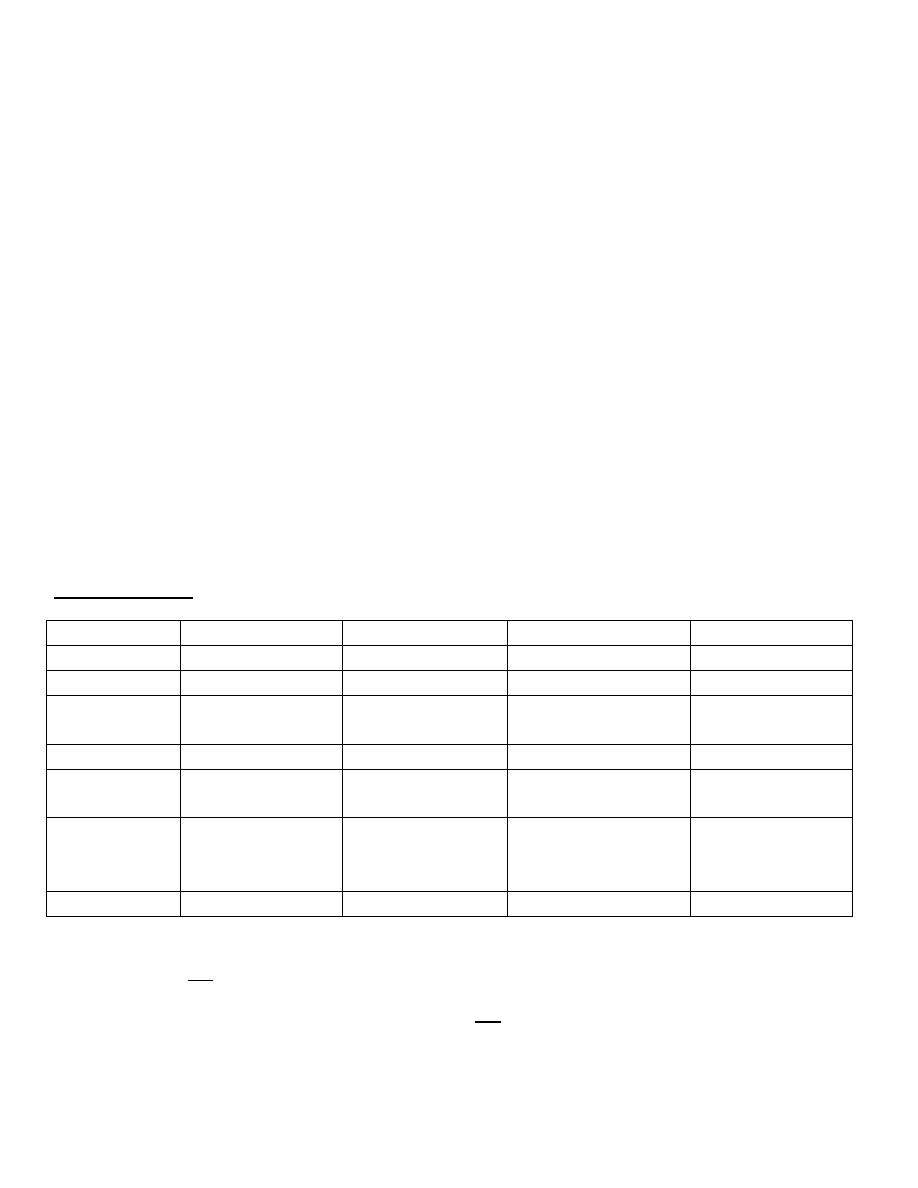
Illegal Techniques
------------ USJJF / USMAF - Teens and Adults ----------------
Technique
Ages 0-12 Yrs
Novice
Intermediate
Advanced
Neck Crank
illegal
illegal
illegal
Illegal
Wrist Lock
illegal
OK
OK
OK
Knee
on
Abdomen
illegal
OK
OK
OK
Bicep Locks
illegal
illegal
OK
OK
Attacks
below Waist
illegal
illegal
OK
OK
Any
lower
body twisting
techniques
illegal
illegal
illegal
OK
Heel hooks
illegal
illegal
illegal
Illegal
Neck Cranks -
Necks Cranks are not allowed in any division. In addition, placing the opponent in a headlock and twisting the
neck to force a takedown or submission may cause spinal damage and is not allowed. Also, excessive squeezing
or pressure on the back of the neck or base of the head is not allowed. Applying a Neck Crank or a Squeezing
technique is “grounds” for Immediate Disqualification.

8
Other Restrictions -
There shall be no attacks to the eyes of the competitor.
Intentional contact to the groin is not allowed.
No biting or fish hooking (fingers in mouth) is allowed.
Placing your fingers in any orifice is not allowed.
No small joint manipulations.
No slamming.
No strikes of any kind
An uncontrolled throw
No head or neck cranks
Biting- gouging or pulling hair
The above techniques can be deemed un-sportsmanlike conduct.
Un-sportsmanlike Conduct:
Defined as any act considered to be a physical display of disrespect to an official, other competitor or spectator.
This includes but is not limited to arguing with an official, profanity, vulgarity, throwing of equipment,
speaking in a loud or disrespectful manner. These results in one or all of the following: warning to the
competitor, points awarded to the opponent, disqualification of the competitor from the match and or
disqualification from the tournament.
Referee Stopping the Match:
It is the Referee’ Responsibility to ensure the Safety of each competitor.
The referee has the authority to stop a match. If a referee determines that a competitor’s safety is at risk he/she
can end the match. This is a non-disputable call.
Competition Officials:
1. Medical personnel shall be available at all times and easily recognizable.
2. Each contest must have: One referee, one scorekeeper, and one timekeeper.
3. All officials should be identifiable by wearing appropriate clothing.
4. The scorekeeper tracks all scoring.
5. The scorekeeper will completely fill out the fight forms and turn them into the referee at the completion of
the match.
Duties of the Referee:
1. The referee assigns points for valid techniques using designated hand signals.
2. The referee is charged with supervision of the contest.
3. He/she administers and controls the tempo of the contest, enforces the rules, and ensures fair play.
4. To this end, he/she starts and stops the fight, calls and enforces all penalties.
5. The referee shall communicate clearly with the scorekeeper and timekeeper, as well as announce the winner
of each match. The referee shall announce in a loud clear voice all official decisions, and shall indicate with
voice and gestures the player affected by his/her decisions.
6. The referee is the only person who can call for and administer a penalty.
7. The referee is encouraged to give verbal commands throughout the competition where a penalty has not been
called, such as "watch the contact, or, stay in bounds, etc."
8. Only the referee may call time out. He/she must do so for the following reasons:
A. To allow equipment adjustments.
B. To assess penalties, administer warnings.
C. To attend to an injured competitor.
D. To hear a legal protest.
9
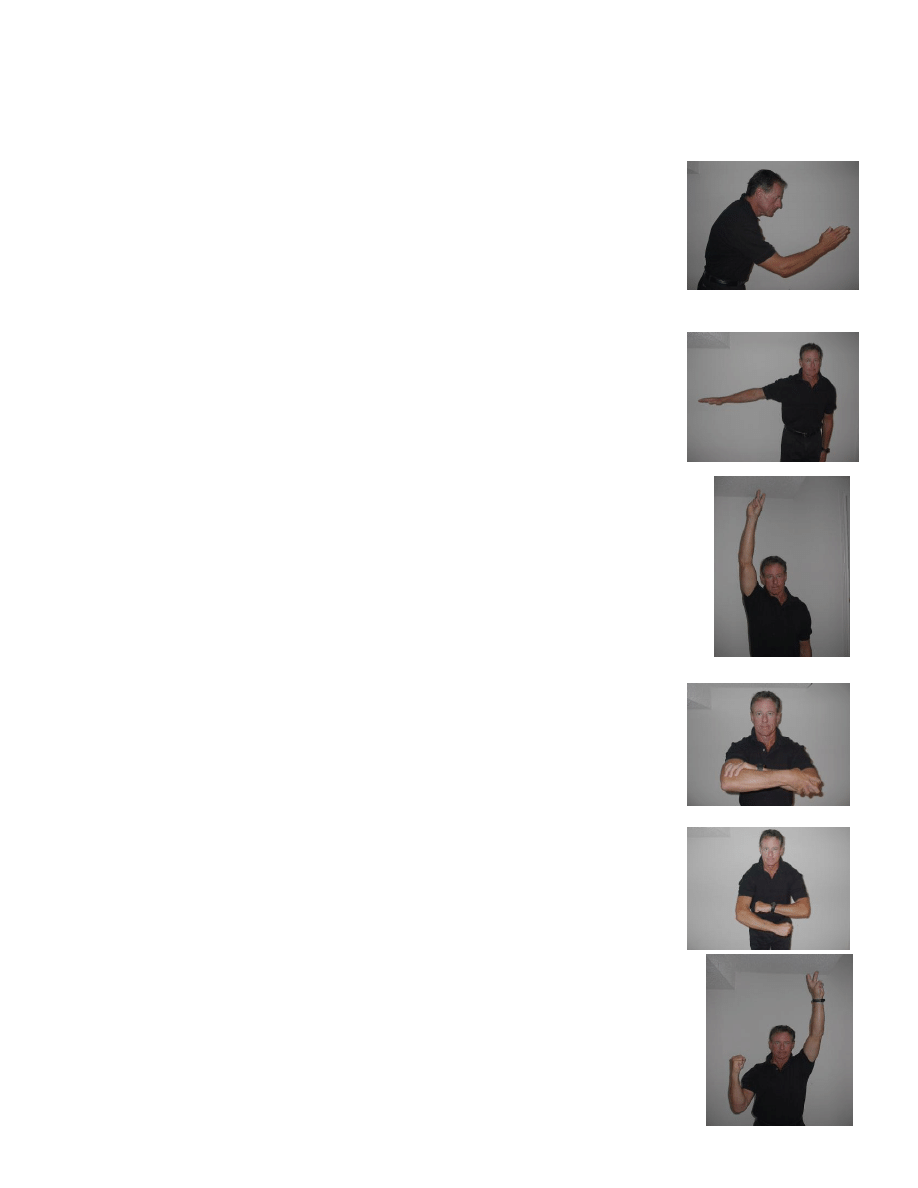
Referee Commands - Hand Signals:
The purpose or need for hand signals is so that everyone, including a spectator on the farthest side of the
facility, can understand what is going on in the match.
1. To start the fight - say the word "Combat", "fight", "go", etc and move your hand
vertically (up /down motion).
2. When the fight is over- say the word "Time" and, if necessary, touch both of the
competitors.
3. Advantages - move your hand horizontally from your chest out to the side of the
competitor getting the advantage point.
4. Points - hold the appropriate arm over your head and indicate the number of POINTS
with your fingers (1, 2, 3 or 4). Be sure to make eye contact with the table.
5. Stalling - hold both of your elbows in a box formation at chest height.
(Note: For “Single Round” Matches - Time is 10 seconds)
6. Warnings - make a rolling wrist movement and indicate with your arm raised and fist
closed (bent arm) the opponent getting the warning. See picture at right and below.
7. Penalties with two points - make a rolling wrist movement and indicate with your
arm raised and fist closed (bent arm) the opponent being penalized. Hold the other arm
over your head and indicate the appropriate number of POINTS going to the other
opponent.
10
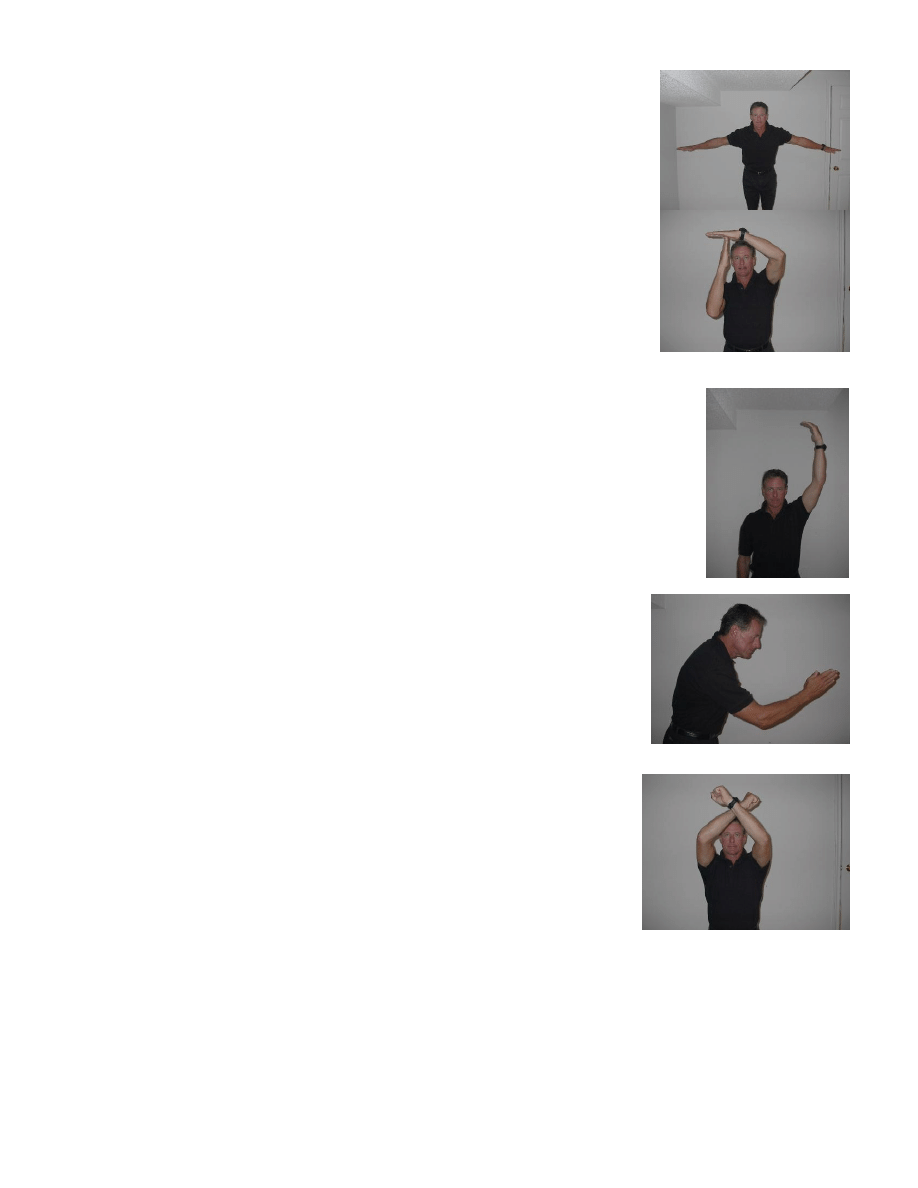
8. Stopping the match - open both arms horizontally.
Also, YELL Stop or FREEZE to the Competitors
9. Stopping the time - use your hands to make the T-sign above the head.
The timekeeper should stop time each time you stop the match
10. Waive points - used when correcting POINTS. Hold the appropriate arm parallel to your
head and waive your hand to remove the last points.
Coordinate with scorekeeper to ensure correction is properly recorded
11. Re-starting a fight: fighters must face each other and referee takes place in
between the competitors and says the words to start as well as vertical hand
motion.
12. Disqualification (DQ): Cross your forearms above your head and then point to
the competitor who is getting disqualified.
Duties of the Scorekeeper:
1. The scorekeeper keeps detailed match records on the grappling Scoring Sheets.
2. The referee will indicate grappling points for each competitor. The scorekeeper will record points for each
competitor as indicated by the referee.
3. The scorekeeper shall keep count of all penalties awarded to competitors, as instructed by the referee.
4. The scorekeeper shall keep count of the number of advantage awarded to each competitor.

11
Duties of the Timekeeper
:
Timekeepers shall be seated adjacent to the competition area and shall stop and start time according to the
referee's signal to do so. The referee must call time out with the referee's signal, and restart when fighting
resumes. Timekeeper shall use the appropriate electronic time and scoring board, or if one is not available, by
verbal and visual signals, such as throwing a bean bag or suitable substitute into the center of the fighting area,
inform the referee when time has run out, or when he/she has received a formal protest. Time officially runs out
only when the referee calls the signal to stop.
Legal Protest / Arbitration:
A legal or formal protest can only be lodged for a noncompliance of the rules and can only be introduced by a
designated coach, the tournament director, or his designate. A legal protest to be acted upon during a match
must be lodged with the timekeeper, who will immediately notify the center referee. The center referee will then
call a time out to deal with the protest. Process:
1. Coach must raise hand. The center referee will acknowledge, stop time, and confer with the coach.
2. Coach must state arbitration issue in a respectful manner.
3. Once resolved, match will continue.
4. If not in a respectful manner, coach may be asked to leave the ring, or the event, and possible
disqualification of his competitor.
DIVISIONS
USJJF / USMAF reserve the right to add or eliminate divisions.
On the day of the event
In the event there is no competitor within the division weight limits to match with an athlete, then;
1. The Competitor will be asked to move up (1) age division,
2. The weight difference shall not to exceed 15 lbs max.
3. In the event there is still no other competitor, then USJJF / USMAF reserves the right to match the
competitor with another athlete deemed to be at a similar weight (within 15 lbs) and skill level,
regardless of age."
4. For the youngest age group (7 yrs and under), and under 50 lbs. the weight difference should be no
more than 10 lbs. For fairness and safety considerations.
Experience defined: Based on grappling continuous training only
Novice: 1 year or less continuous ju-jitsu grappling training, for Gi, below Blue Belt
Intermediate- up to 2 years of continuous ju-jitsu grappling training, for Gi, Blue Belt
Advanced- over 2 years of continuous ju-jitsu grappling training, for Gi, Purple Belt and up
Youth and Teen Divisions:
Age/experience/male/female/weight
Age Groups for Competition:
Youth Divisions -
7 years and under: Novice - Intermediate
8 to 9 years: Novice – Intermediate - Advanced
10 to 12 years: Novice - Intermediate - Advanced
12
Teen Divisions –
13 to 15 years: novice- intermediate- advanced
16 to 17 years: novice- intermediate- advanced
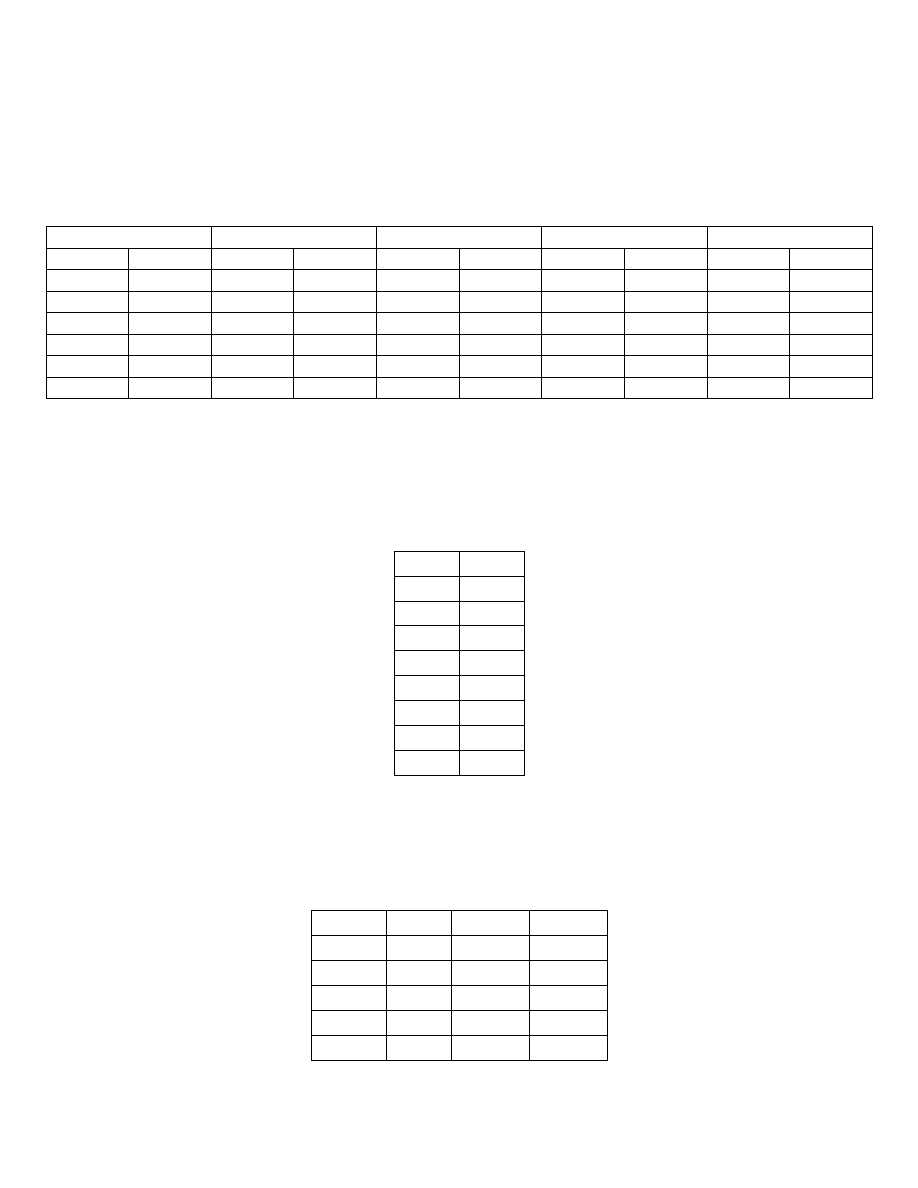
Weight Divisions:
7 & Under
8 to 9
10 to 12
13 to 15
16 to 17
LBS
KG
LBS
KG
LBS
KG
LBS
KG
LBS
KG
- 48
- 22
- 62
- 28
- 79
- 36
- 90
- 41
- 125
- 57
- 55
- 25
- 70
- 32
- 90
- 41
- 105
- 48
- 140
- 64
- 62
- 28
- 79
- 36
- 101
- 46
- 120
- 55
- 155
- 70
- 70
- 32
- 88
- 40
- 112
- 51
- 135
- 61
- 170
- 77
70 +
32 +
- 97
- 44
- 123
- 56
- 150
- 68
170 +
77 +
97 +
44 +
123 +
56 +
150 +
68 +
Adult Divisions (18 years & older)
White, Blue (gi) and Novice, Intermediate (no-gi)
LBS
KG
- 130
- 59
- 145
- 66
- 160
- 73
- 175
- 80
- 190
- 86
- 205
- 93
- 220 - 100
220 + 100 +
Adult Divisions – Purple to Black Belts (gi), Advanced (no-gi)
Male Male Female Female
LBS KG LBS KG
- 150
- 68
- 125
- 57
- 175
- 79
- 140
- 64
- 200
- 91
- 155
- 71
200 + 91 + 155 + 71 +

13
Glossary of Terms
Ju-Jitsu Grappling refers to techniques, maneuvers, and counters applied to an opponent (sometimes making
use of the clothing or uniform of either person) in order to gain a physical advantage. Ju-Jitsu Grappling is a
general term that encompasses several disciplines or styles practiced throughout the world. Ju-Jitsu Grappling is
practiced as a sport and as a form of self defense, but does not include striking or the use of weapons.
Rear Mount is a dominant ground grappling position where one combatant is behind the other in such a way
that he or she is controlling the combatant in front.
The Mount or Mounted Position is a dominant ground grappling position, where one combatant sits on the
other combatant’s torso with the face pointing towards the opponent's head.
Side Control (often also called side mount or sometimes cross mount) is a dominant ground grappling position
where the top combatant is lying perpendicularly over the face-up bottom combatant in such a way that the legs
are free and he or she exerts considerable control over the combatant on the bottom. The top combatant is
referred to as having side control, and is in a stable position, with the other combatant pinned beneath him or
her.
The Guard or Full Guard is a ground grappling position where one combatant has their back to the ground,
while holding the other combatant using the legs. The closed guard is the typical guard position. The legs are
hooked behind the back of the opponent, preventing them from standing up or moving away. The opponent
needs to open the legs up to be able to improve positioning. The bottom combatant might transition between the
open and closed guard, as the open guard allows for better movement, but also increased risk in the opponent
passing the guard.
Half Guard or alternatively half mount is a ground grappling position where one combatant is lying on the
other, with the bottom combatant having one leg entangled. Sometimes the bottom combatant is said to be in
half guard, while the top combatant is in a half mount respectively. The half guard is the position that is in
between a full guard and side control or mount. The combatant on top will try to unentangle the leg and obtain
side control or mount, while the bottom combatant will try to transition into a full guard or alternatively attempt
a sweep or submission.
Knee-On-Stomach or Knee-On-Belly or Knee-On-Chest, is a dominant ground grappling position where the
top combatant places a knee on the bottom combatants torso, and usually extends the other leg to the side for
balance. This position is typically obtained from side control, simply by rising up slightly and putting a knee on
the opponent's stomach or chest. This is illegal in Youth divisions.
A Takedown is a term for a technique that involves off-balancing an opponent and bringing him or her to the
ground, typically with the combatant performing the takedown landing on top.
Sweep from the Guard is technique used to transition from a neutral or inferior position to a dominant position,
such as moving from under guard to full mount, hence the alternative term 'reversal' as the dominance of
positions have been reversed.
Passing the Guard. While in guard, the top combatant's priority is to transition into a more dominant position,
such as side mount or mount.
A Transition in grappling is a move from one grappling position to another. The process is called transitioning
and is one of the most important aspects of ground grappling, as it allows the combatant performing the
transition to advance in positioning, for instance by using a sweep, or to attempt a submission. A submission

14
(depending on the context also referred to as a "tap out" or "tapping out") is a term for yielding to the
opponent, and hence resulting in an immediate defeat. The submission is commonly performed by clearly
tapping the floor or the opponent with the hand or sometimes with the foot, to signal the opponent and possibly
the referee of the submission. The submission can also be verbal, during which the fighter verbally informs that
he is giving up.
Simulated Submission is the process of working toward achieving a submission that is stopped by the referee
before the opponent would tap out or yield. The objective is to protect the fighter being submitted, while
rewarding the fighter demonstrating the technique or ability to submit his or her opponent.
A Neck Crank (and technically known as a cervical lock) is a spinal lock applied to the cervical spine causing
hyperextension, hyperflexion, lateral hyperflexion, hyperrotation or extension-distraction, either through
bending, twisting or elongating. A neck crank is typically applied by pulling or twisting the head beyond its
normal ranges of rotation. This is illegal in all divisions.
A Wrist Lock is a joint lock primarily affecting the wrist-joint through rotation of the hand. A wristlock is
typically applied by grabbing the opponent's hand, and bending and/or twisting it. This is illegal in Youth
divisions.
An Arm Lock is a single or double joint lock that hyperextends, hyperflexes or hyperrotates the elbow joint
and/or shoulder joint. An armlock that hyperflexes or hyperrotates the shoulder joint is referred to as a shoulder
lock, and an armlock that hyperextends the elbow joint is called an Arm Bar.
A Leg Lock is a joint lock that is directed at joints of the leg such as the ankle, knee or hip joint. A leglock
which is directed at joints in the foot is sometimes referred to as a foot lock and a lock at the hip as a hip lock.
An ankle lock is a leglock which hyperextends the ankle. This is restricted to intermediate and advanced
adults only.
A Biceps Lock or Slicer is a compression lock that involves pressing the biceps into the humerus. An effective
biceps lock can be applied by putting an arm or leg as a fulcrum on the opponent's arm at the inside of the arm
by the elbow, and flexing the opponent's arm over the fulcrum. This will result in the biceps and forearm being
pressed into the fulcrum. The biceps slicer becomes most effective as a compression lock when the bony parts
of the limb such as the shin or any of the bones in the forearm are forced into the biceps of the opponent. This is
restricted to intermediate and advanced adults only.
A Heel Hook is a leg lock affecting multiple joints, and is applied by transversely twisting the foot either
medially or laterally. The torsional force puts severe torque on the ankle, which in turn transfers torque to the
knee. The heel hook is generally considered to be a very dangerous leg lock, with a high rate of injury,
especially to ligaments in the knee. This is illegal in all divisions.
Small Joint Manipulation refers to twisting, pulling or bending fingers or toes to cause joint locks in the
various joints in those appendages. Joint locks on fingers and toes are respectively referred to as finger locks
and toe locks. This is illegal in all divisions.
Slamming or Spiking is the act of lifting and aggressively dropping or throwing the opponent either head-first,
or on their back, to the mat. This often causes injury or atleast loss of breath. This is illegal in all divisions.
References for many of the terms: Wikipedia®, a registered trademark of the Wikimedia Foundation, Inc., a
non-profit organization.
Wyszukiwarka
Podobne podstrony:
1999 USA Ju Jitsu Official Rules and Regulations
policyjne ju jitsu
Policyjne Ju Jitsu darmowy fragment
Policyjne Ju Jitsu (samoobrona, sztuki walki, policja) (2)
Policyjne Ju Jitsu Wszytko to, czego uczy się policjantów w USA i żołnierzy Piechoty morskiej
(Ebook Pdf) Combat judo au sol [sport][french][français][arts matiaux][art martial][combat][judo ju
10 Brazilian Ju Jitsu Moves Every Cop Should Know Brad Parker
Brazilian Ju Jitsu Techniques
policyjne ju jitsu
2011 2 KOSZE
higiena dla studentów 2011 dr I Kosinska
Plan pracy na 2011 pps
W 8 Hormony 2010 2011
wm 2011 zad 2
Zawal serca 20 11 2011
więcej podobnych podstron