
Langenscheidt
Czasowniki frazowe
Język angielski
Cena: 19,90 zł
Język angielski
C
za
so
w
nik
i f
ra
zo
w
e
Langenscheidt
Czasowniki frazowe
Język angielski
•
Czasowniki frazowe na poziomie A1-C1 uporządkowane
alfabetycznie
•
Różnorodne ćwiczenia utrwalające wraz z kluczem
odpowiedzi
•
Testy sprawdzające, przykłady i słowniczki
•
Praktyczne wskazówki i zabawne rysunki, dzięki którym
łatwiej zapamiętać nowe informacje
ISBN 978-83-7476-594-7
Powtórka przed
•
klasówką
•
maturą
•
egzaminem

Warszawa
Langenscheidt
Czasowniki frazowe
Język angielski
Elżbieta Mańko
konsultacja językowa
James Todd

Tytuł: Czasowniki frazowe. Język angielski
Autor: Elżbieta Mańko
Redaktor prowadzący: Joanna Szeligowska
Konsultacja językowa: James Todd
Redakcja: Klaudyna Cwynar
Korekta: Krystyna Luto-Lach, Magdalena Lech, Agnieszka Łodzińska
Okładka: Grażyna Ficenes
Ilustracje: Marzenna Dobrowolska
Skład i łamanie: Marzenna Dobrowolska
© for the Polish edition: 2009 Langenscheidt Polska, Sp. z o.o., Warszawa
Langenscheidt Polska Sp. z o.o.
02-548 Warszawa
ul. Grażyny 13
ISBN 978-83-7476-939-6

3
Drogi Czytelniku!
Jak wiadomo, angielskie czasowniki złożone (phrasal verbs) przysparzają nam wielu kłopotów. Tymczasem
w żywej mowie i języku potocznym są używane bardzo często. Czasami łatwiej jest nam zapamiętać formę
oficjalną danego czasownika np. postpone/delay niż formę potoczną put off. To dlatego język angielski w wy-
konaniu Polaków brzmi często chłodno i zbyt oficjalnie, a między rozmówcami tworzy niepotrzebny dystans.
Ta książka pomoże to zmienić.
Znajdziesz w niej:
• 365 czasowników złożonych uporządkowanych alfabetycznie
• minisłowniczek na każdej stronie
• przykład użycia czasownika w zdaniu z tłumaczeniem na język polski
• ćwiczenia utrwalające
• klucz odpowiedzi
• 30 testów sprawdzających na końcu książki
Książka ta przeznaczona jest dla wszystkich uczących się języka angielskiego: zarówno na poziomie
podstawowym jak i zaawansowanym. Według Europejskiego Systemu Kształcenia Językowego publikacja
z zakresu A1-C1 wspaniale nadaje się dla uczniów szkół ponadpodstawowych i studentów oraz nauczycieli
przygotowujących się do zajęć. Słowem dla wszystkich, którzy chcą udoskonalić lub sprawdzić swoją znajo-
mość języka angielskiego.
Życzymy powodzenia!
Autorka i Wydawnictwo

4
Spis treści
– CHECK | CHOP | CLEAN | CLEAR | CLOSE 116
– SHUT | SIGN | SIT | SPEAK | STAND
5
ask after sb
inquire about sb’s health
pytać o czyjeś zdrowie, rozpytywać o kogoś
ask around
request information
popytać w celu zasięgnięcia informacji
ask for
request sb or sth
prosić (o kogoś lub o coś)
ask sb in
invite sb inside
zaprosić kogoś do środka (aby wszedł)
ask sb out
(eg. to dinner) invite sb to go out
zapraszać kogoś (np. na obiad do restauracji)
Jim asked after your mother.
Jim pytał o twoją matkę.
I’ll ask around where they sell organic food.
Popytam, gdzie sprzedają żywność
ekologiczną.
Helen asked me for help.
Helena prosiła mnie o pomoc.
He has never asked me in.
Nigdy mnie nie zaprosił do domu.
John often asks Mary out to dinner.
John często zaprasza Mary na obiad
do restauracji.
ASK
after | around | for | in | out
Your turn now!
Replace the verb in bold with a suitable phrasal verb from the box above.
1. Jack invited Molly to dinner in a restaurant, but she refused, so he went with someone else.
2. I’ve never seen the inside of his flat. He never invites me into it.
3. The police were seeking information about you. What’s up?
4. There’s a man at the door. He wants to talk to you.
Complete the sentences with the right preposition.
1. We spend every evening watching TV. Why don’t you ask me ______ tonight?
2. Jeffrey moved to a new flat but hasn’t asked us ______ to his new place yet.
3. He’s got what he deserves. He asked ______ it!
4. Molly was here. She was asking ______ you. Very kind of her, isn’t it?
Translate the following sentences into English. Use suitable phrasal verbs.
1. Poprośmy twoich rodziców o pożyczkę. ______________________________________________
2. Zaprośmy Wagnerów na kolację do restauracji. _________________________________________
3. Popytaj o miejscową szkołę w tej wsi. ________________________________________________
4. Jakiś podejrzany typ rozpytywał o ciebie. _____________________________________________
Answer Key
1.Jack asked
Molly out to dinner, but she refused, so he went with someone else. 2.He never asks
me
in.
3.The police were asking after you.
4.He is asking for
you. 1.out, 2.in, 3.for, 4.after; 1.Let’s ask your parents for a loan. 2.Let’s invite the Wagners out to supper. 3.Ask around
the local school in that village. 4.A suspicious guy was asking after you.
6
BLOW
off | out | over | up
blow off (away)
carry away by the wind
zerwać (przez wiatr)
blow out
extinguish fire by blowing
zdmuchnąć, ugasić
blow over (down)
fall because of the wind
poprzewracać się na wietrze
blow over
pass, stop
przeminąć, ucichnąć, uspokoić się
blow up
destroy with an explosion
wysadzić (w powietrze), wybuchnąć
to start suddenly
zerwać się, wybuchnąć
inflate
nadmuchać
make a photo bigger
powiększyć zdjęcie
The storm was so fierce that the roof blew off.
Burza była tak silna, że zerwało dach.
Jeff blew out all the candles on his birthday cake. Jeff zdmuchnął wszystkie świeczki na swoim
urodzinowym torcie.
The rubbish bins have blown over and plastic
Kosze na śmieci poprzewracały się na wietrze
bags are scattered all over the lawns.
i plastikowe torby leżą porozrzucane na
trawnikach.
Don’t worry, the storm will soon blow over.
Nie martw się, burza wkrótce minie.
The terrorists blew up the railway station.
Terroryści wysadzili dworzec kolejowy.
Your turn now!
Replace the verb in bold with a suitable phrasal verb from the box above.
1. He had to inflate the mattress before he went to sleep.
2. The angry voices became quieter and the argument gradually stopped.
3. The fence surrounding our house fell down in the wind.
4. Can you make the photo a little bit bigger?
5. Her balloon got carried by the wind.
Complete the sentences with the right preposition.
1. Little Johnny wasn’t able to blow ______ the three candles at one go.
2. Guy Fawkes wanted to blow ______ the Houses of Parliament.
3. The storm blew ______ in the afternoon.
4. Some pot plants on the balcony blew ______ in the gale and demolished a car parked in the street.
5. When we were in the middle of the lake, a gale blew ______ unexpectedly.
Answer Key
1.He had to blow up the mattress before he went to sleep. 2.The angry voices became quieter and the argument gradually blew over.
3.The fence surrounding our house blew over. 4.Can you blow up
the photo a little bit? 5.Her balloon blew off (away).
1.out, 2.up, 3.up,
4.off (away), 5.up;
7
BREAK
away from | down | in/into
break away from
separate from
wyłamać się, oddzielić, oderwać
break down
stop working
zepsuć się
lose control of one’s emotions stracić panowanie nad sobą, załamać się
break in/into
enter a place in order to steal
włamać się
break in
interrupt
przerwać
The cyclist broke away from the pack.
Kolarz oderwał się od peletonu.
His car broke down unexpectedly.
Jego samochód popsuł się niespodziewanie.
Helen broke down and started to cry.
Helena załamała się i zaczęła płakać.
Somebody broke into my car yesterday
Ktoś wczoraj włamał się do mojego
and stole my GPS.
samochodu i ukradł GPS.
The waitress broke into our chat
Kelnerka przerwała naszą pogawędkę
and took our order.
i przyjęła zamówienie.
Your turn now!
Choose the right preposition to complete the sentence.
1. Helen broke away/down and confessed everything.
2. The dog broke away/down from
its lead.
3. The burglar broke down/in through the kitchen door.
4. When her computer broke away/down, she started to panic.
5. The boss broke down/in
the talks to answer the phone.
Join the broken sentences.
1. The lift has broken down
a) so we are going to call the police.
2. Somebody has broken into our flat
b) and start a new party.
3. They decided to break away
c) so we have to walk up the stairs.
4. On hearing the news
d) she broke down and burst into tears.
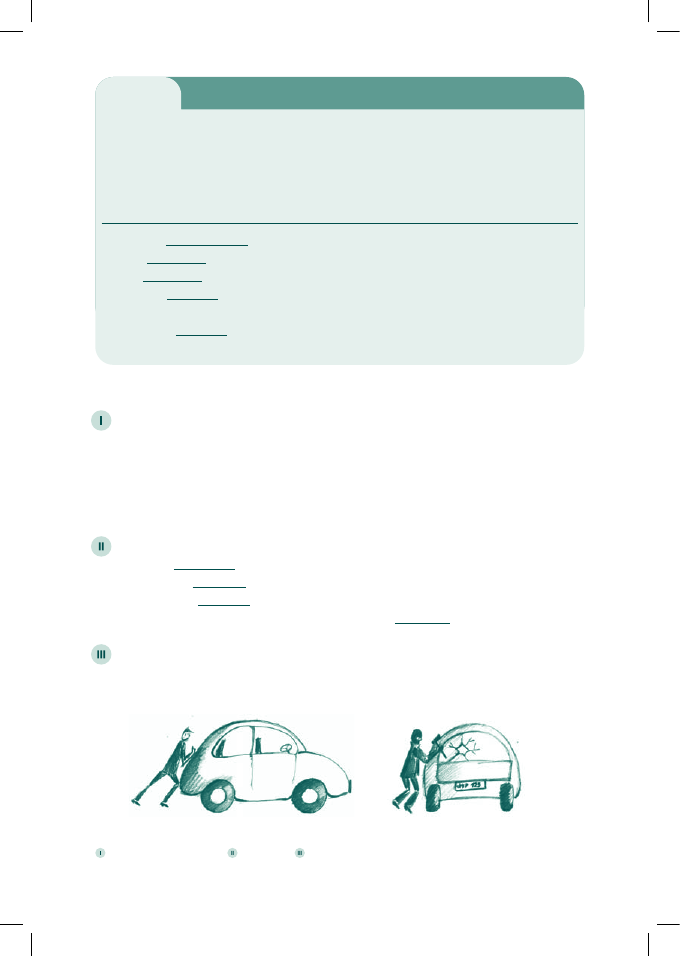
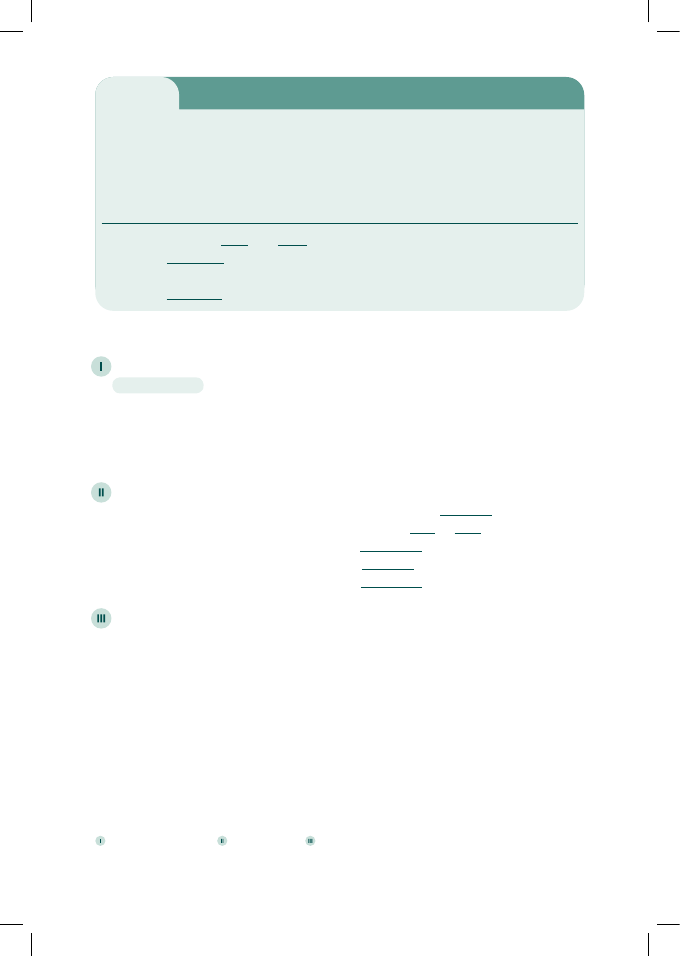
Match the sentences with the pictures.
a) He’s going to break into the car.
b) His car has just broken down.
Answer Key
1.down, 2.away, 3.in, 4.down, 5.in;
1.c, 2.a, 3.b, 4.d; 1.b, 2.a;
1
2
8
Your turn now!
Replace the verbs in bold with a suitable phrasal verb from the box above.
1. World War II began on 1st September 1939.
2. When do schools in England close for summer holidays?
3. They argue a lot so I think they’re going to stop going out.
4. Did you hear? Tim and Anne decided to finish their relationship.
5. The thieves escaped from the prison on Sunday night.
Choose the suitable preposition to complete the sentences.
1. A fierce argument broke ______ in my neighbours’ flat last night.
a) off
b) up
c) out
2. Riots broke ______ in the streets of Belfast.
a) up
b) out
c) off
3. The family managed to break ______ from the flooded area.
a) out
b) off
c) in
4. The couple decided to break ______ after ten years of their relationship.
a) down
b) off
c) in
5. When does school break ______ in your country?
a) out
b) up
c) down
Answer Key
1.World War II broke out on 1st September 1939. 2.When do schools in England break up for summer holidays? 3.They argue a lot so I think
they’re going to break up/off. 4.Tim and Anne decided to break up/off. 5.The thieves broke out from the prison on Sunday night.
1.c, 2.b,
3.a, 4.b, 5.b;
BREAK
off | out | up
break off
end a relationship
zerwać z kimś
break out
begin suddenly
wybuchnąć
escape from a place
uciec (skądś)
break up
end a relationship
zerwać z kimś
close a school for holidays
zamknąć szkołę na wakacje
Jack broke off with Mary when he got
Jack zerwał z Mary, gdy dostał pracę w Irlandii.
a job in Ireland.
A fire broke out in the attic and spread
Pożar wybuchł na strychu i szybko
quickly through the entire building.
rozprzestrzenił się na cały budynek.
Their marriage finally broke up.
Ich małżeństwo w końcu się rozpadło.
Stella has broken up with her boyfriend.
Stella zerwała ze swoim chłopakiem.
School breaks up on 23rd June.
Wakacje szkolne zaczynają się 23 czerwca.
9
BRING
along | back | on
bring (sb/sth) along
take (sb/sth) with you
przyprowadzić (kogoś), przynieść (coś)
bring back
cause memories or feelings przywoływać (wspomnienia)
to return to your mind
bring on (sth)
cause something
powodować coś
(usually unpleasant)
(zwykle coś niemiłego)
Come to my place and bring Anne along.
Wpadnij do mnie i przyprowadź Annę.
This photo brings back memories of my childhood.
To zdjęcie przywołuje wspomnienia
z mojego dzieciństwa.
His allergy brought on that attack.
Jego alergia spowodowała ten atak.
Your turn now!
Complete the sentences with a suitable preposition from the box below.
along | back | on
1. Pop in tomorrow and don’t forget to bring your son ______.
2. The damp, chilly weather brought ______ his bronchitis.
3. European soldiers returning from Asian missions bring ______ antibiotic resistant bugs.
4. Is there a song that brings ______ memories from when you were a teenager?
Match the broken sentences.
1. If I can’t get a babysitter for my daughter,
a) which must have brought on her illness.
2. The shock of losing all his money
b) I’ll have to bring her along to work.
3. She got cold and wet in the rain
c) brought back memories of my teenage years.
4. The documentary
d) brought on a stroke.
5. The school reunion party
e) brought back the drama of that time.
Translate into English.
1. Przynieś ze sobą niezbędne dokumenty. _____________________________________________
2. Trzęsienie ziemi spowodowało wybuch epidemii. _______________________________________
3. Jak radzić sobie ze stresem spowodowanym atakami terrorystycznymi? ______________________
4. Żałował, że nie wziął ze sobą komórki. _______________________________________________
Answer Key
1.along, 2.on, 3.along, 4.back;
1.b, 2.d, 3.a, 4.e, 5.c;
1.Bring along the necessary documents. 2.The earthquake brought on the
outbreak of epidemic. 3.How can we deal with stress brought on by terrorist attacks? 4.He wished he had brought along his mobile.
10
Your turn now!
Match the broken sentences.
1. Mary brings up three children
a) splashing water on her face.
2. The European Commission decided
b) so they’ve brought forward their
to bring forward
wedding a month.
3. Peter is being transferred to Canada in June
c) the subject of noise pollution soon.
4. They tried to bring her round
d) a single anti-discrimination directive.
5. They’re going to bring up
e) on her own.
Read the sentences and choose the most suitable reply.
1. She fainted when she heard the news!
a) Oh dear! Did you manage to bring her round?
b) Oh dear! Who brought her up?
2. It’s too late to have a party at midnight.
a) Shall we bring it round then?
b) Shall we bring it forward then?
3. I’m going to give a speech at the conference.
a) Great! Are you going to bring up the issue
of teaching grammar to young children?
b) Great! Are you going to bring forward your speech?
Answer Key
1.e, 2.d, 3.b, 4.a, 5.c;
1.a, 2.b, 3.a;
BRING
forward
| round | up
bring forward
change the date of an event
przyśpieszyć
so that it happens earlier
produce, present
pokazać, zaprezentować,
przedłożyć
bring (sb) round
make somebody
cucić (kogoś), doprowadzać
conscious again
do przytomności
bring up
raise
wychowywać
mention, introduce a topic
wspomnieć, poruszyć temat
The match has been brought forward
Mecz odbędzie się wcześniej,
from 7 p.m. to 5 p.m.
o 17.00, zamiast o 19.00.
A group of MPs decided to bring forward
Grupa posłów postanowiła przedłożyć
their plans of new bills.
plany nowych ustaw.
She fainted and we tried to bring her round.
Zemdlała i próbowaliśmy ją ocucić.
He is a single parent who brings up
On jest samotnym ojcem, który wychowuje
two children.
dwoje dzieci.
The boss said the issue would be brought up Szef powiedział, że temat będzie poruszony
at the next meeting.
na następnym spotkaniu.
11
CALL
back | off | on | up
call back
telephone sb in response
oddzwonić
call off
cancel
odwołać
call on
pay a short visit
wpaść (do kogoś)
call up
telephone sb
zadzwonić do kogoś
I must call him back as soon as I have
Muszę do niego oddzwonić, jak tylko będę
a spare minute.
mieć wolną chwilę.
The flight has been called off due to the fog.
Lot został odwołany z powodu mgły.
As we were in London, we called on my cousin. Gdy byliśmy w Londynie, wpadliśmy
do mojego kuzyna.
I’ll call you up as soon as I know the results.
Zadzwonię do ciebie, jak tylko będę
znał wyniki.
Your turn now!
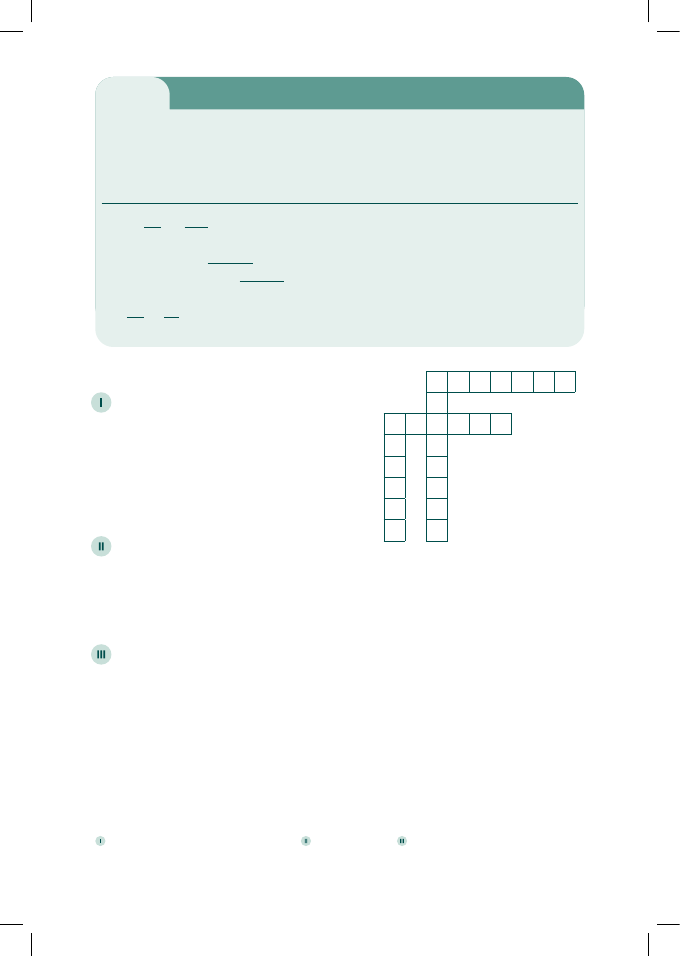
Do the crossword.
Across
1. cancel
2. telephone somebody
Down
1. return a phone call
2. pay a short visit
Complete the sentences with the right preposition.
1. Mrs Smith will call you ______ as soon as she is free.
2. The game was called ______ because of the torrential rain.
3. Shall we call ______ your brother when we are in London?
4. I would have called you ______ if I knew your phone number.
Translate into English.
1. Oddzwonię do pani, gdy przemyślę sprawę. ___________________________________________
2. Wpadnij do mnie, gdy będziesz w Warszawie. __________________________________________
3. Musieliśmy odwołać imprezę. ______________________________________________________
4. Zadzwoń do mnie po egzaminie. ___________________________________________________
Answer Key
Across: 1.call off, 2.call up; Down: 1.call back, 2.call on;
1.back, 2.off, 3.on, 4.up; 1.I’ll call you back when I have thought the matter
over. 2.Call on me when you are in Warsaw. 3.We had to call off the event. 4.Call me up when the exam is over.
1
2
12
carry off
succeed in doing sth
dać radę coś zrobić, poradzić sobie
win a prize
zdobyć nagrodę
cause death, die of a disease
spowodować śmierć, umrzeć
remove from a place
wynieść
carry on
continue
kontynuować
carry out
do (a task)
dokonywać, prowadzić,
realizować (zadanie)
carry through
succeed in putting sth into practice wprowadzić
Ralph carried off the project perfectly.
Ralf doskonale poradził sobie z tym projektem.
Jenny carried off most of the awards.
Jenny zdobyła większość nagród.
Yellow fever carried him off two years ago.
Żółta febra zabrała go dwa lata temu.
After a short break, the teacher carried on
Po krótkiej przerwie nauczyciel kontynuował
his lecture.
wykład.
Some urgent repairs of the roads are being
Obecnie prowadzone są na drogach pilne
carried out at the moment.
prace naprawcze.
The government carried the tax reforms
Pomimo trudności rząd wprowadził
through despite difficulties.
reformy podatkowe.
CARRY
off
| on | out | through
Your turn now!
Complete the sentences with a suitable preposition.
1. She carried ______ the first prize in the competition.
2. He looked confused for a while but managed to carry ______ his speech.
3. We’ll need a qualified and experienced engineer to carry ______ the project.
4. They are planning to carry ______ a survey nationwide.
Match the broken sentences.
1. They managed to carry the project through
a) the Oscar for best actor this year?
2. It seems she has too many duties
b) despite difficulties.
3. Who will carry off
c) to carry out.
4. The troops
d) carried out the mission successfully.
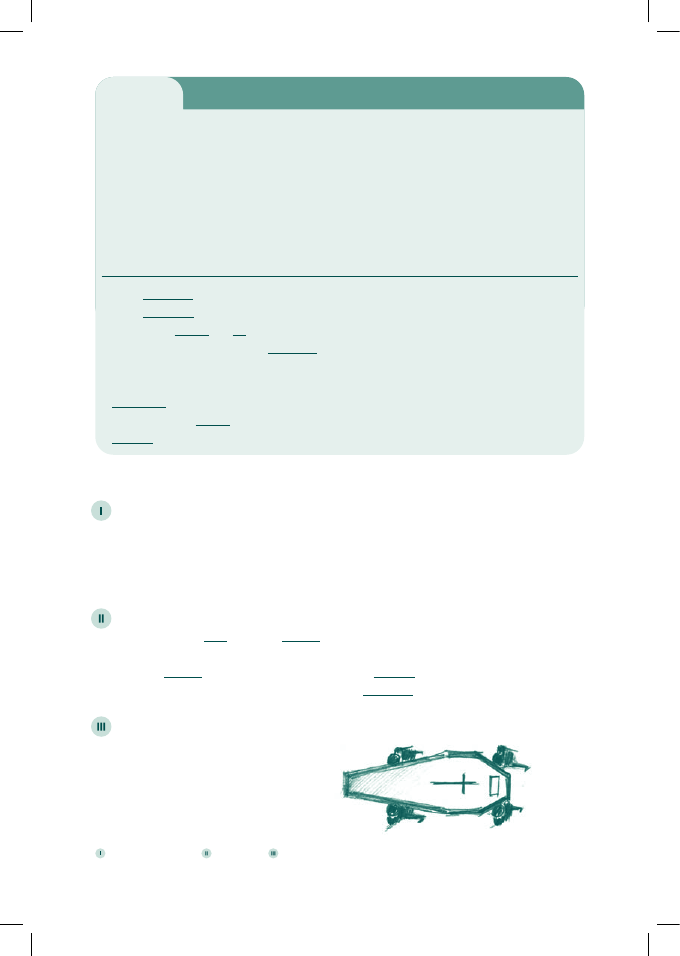
Complete the tongue-twister (caption) next to the picture with the right preposition.
“It wasn’t the cough that carried him ______,
it was the coffin they carried him ______ in.”
Answer Key
1.off, 2.on, 3.through, 4.out;
1.b, 2.c, 3.a, 4.d; off, off;
13
catch on
understand and learn
załapać, zrozumieć, połapać się
become popular
przyjąć się, stać się popularnym
catch out
discover sb doing sth wrong
przyłapać kogoś na czymś
or making an error
catch up with
become even with someone
dorównać, dogonić
learn something that many people zrozumieć, załapać
already understand
Everybody knew what was going on,
Każdy wiedział co się dzieje, ale Harry potrzebował
but it took Harry ages to catch on.
więcej czasu, aby się połapać.
Chinese herbs are catching on in the US.
Chińskie ziółka stają się popularne w Stanach.
Fingerprint checking helps catch out
Sprawdzanie odcisków palców pomaga złapać
repeat offenders.
notorycznych przestępców.
Mark is finally catching up with his
Mark nareszcie dorównuje swojemu
older brother.
starszemu bratu.
My grandmother is trying to catch up with
Moja babcia próbuje załapać, o co chodzi
the Internet.
z internetem.
CATCH
on | out | up with
Your turn now!
Choose the right sentence that has a similar meaning.
1. Mark has to work hard to catch up with the rest of the class.
a) Mark is a weaker student than the rest of the class.
b) Mark has worked hard and now he is the best student in his class.
2. I must catch up with (on) my work.
a) I don’t need to work faster.
b) I am late with my work.
3. They caught him out when they phoned his previous employer.
a) They discovered that he was lying.
b) They found him a reliable person.
4. Organic food has caught on as consumers are now more health-conscious.
a) Organic food is becoming more and more popular.
b) Organic food is hardly available on the market.
Translate into English.
1. Przyłapałem go na kłamstwie. ______________________________________________________
2. W końcu zrozumiał reguły gry. _____________________________________________________
3. Opuściłem kilka lekcji i muszę teraz nadgonić z materiałem. ________________________________
Answer Key
1.a, 2.b, 3.a, 4.a;
1.I’ve caught him out lying. 2.Eventually/Finally, he caught on to the rules of the game. 3.I missed some lessons and now
I must catch up with the material.
Wyszukiwarka
Podobne podstrony:
langenscheidt nowe wzory odmian czasownikow jezyk angielski demo
langenscheidt gry i zabawy czesc 5 jezyk angielski demo
langenscheidt gry i zabawy czesc 1 jezyk angielski demo
langenscheidt gry i zabawy czesc 2 jezyk angielski demo
langenscheidt gry i zabawy czesc 4 jezyk angielski demo
langenscheidt gry i zabawy czesc 4 jezyk angielski demo
czasowniki nieregularne język angielski
Język angielski, tabelka z budową wszystkich czasów
Język angielski tabelka z budową wszystkich czasów
Język Angielski Tabelka z budową wszystkich czasów 2
Nowe wzory odmian czasowników Język angielski ebook
więcej podobnych podstron