
87
7.1
Overview
The Nuclear Weapons Council (NWC) is a joint Department of Defense
(DoD) and National Nuclear Security Administration (NNSA) organization
established to facilitate cooperation and coordination between the two
Departments as they fulfill their dual agency responsibilities for U.S. nuclear
weapons stockpile management. Nuclear weapons stockpile management
includes the full range of activities related to the development, production,
maintenance (upkeep) and elimination (retirement, disassembly and disposal) of
all United States nuclear weapons. Nuclear weapons stockpile management has
evolved over time, particularly since the end of the Cold War and the demise
of the Soviet Union. The responsibilities and administrative procedures of the
Council have also evolved to accommodate changing circumstances.
The NWC serves as the focal point for activities to maintain the U.S. nuclear
weapons stockpile. The Council provides an inter-agency forum for reaching
consensus and establishing priorities between the two Departments. It also
provides policy guidance and oversight of the nuclear stockpile management
process to ensure high confidence in the safety, security, reliability and
performance of U.S. nuclear weapons. The NWC meets regularly to raise
and resolve issues between the DoD and the NNSA regarding concerns and
strategies for stockpile management.
The NWC is also responsible for a number of annual reports that focus senior-
level attention on important nuclear weapons issues. The Council is required
to report regularly to the President regarding the safety and reliability of the
U.S. stockpile as well as to provide an annual recommendation on the need
to resume Underground Nuclear Testing (UGT) to preserve the credibility of
the U.S. nuclear deterrent. The NWC is obligated to evaluate the surety of
the stockpile and to report its findings to the President each year. The Council,
through its oversight and reporting functions, also ensures that any significant
threats to the continued credibility of the U.S. nuclear capability will be
identified quickly and resolved effectively.
7.2
NWC History
Following World War II, Congress wanted to ensure civilian control over the
uses of nuclear energy. Consequently, the 1946 Atomic Energy Act created
Chapter 7
The Nuclear Weapons Council
and Annual Reports

88
Nuclear Matters: A Practical Guide
20
08
the Atomic Energy Commission (AEC), which has evolved into what is now
the NNSA.
The NNSA is a civilian agency responsible for the management
of nuclear energy as well as the design, development, testing, production,
maintenance, and disassembly of nuclear warheads for the U.S. Nuclear
Weapons Program. The Act did stipulate that the DoD would participate
jointly in the oversight of the U.S. nuclear weapons program to ensure the
fulfillment of military requirements for atomic weapons.
7.2.1
The Military Liaison Committee (MLC)
The 1946 Atomic Energy Act also established the Military Liaison Committee
(MLC), the predecessor of the NWC. The MLC was created to coordinate
joint DoD-DOE nuclear defense activities.
The MLC was an executive or flag-level (one/two-star) DoD organization,
which served as the authorized channel of communication between the DoD
and the DOE on all atomic energy matters related to the military application
of atomic weapons or atomic energy, as determined by the DoD. The MLC
addressed substantive matters involving policy, programming, and the
commitment of significant funds associated with the military application of
atomic energy. The MLC formulated the official DoD position on all matters
related to joint nuclear weapons issues for transmittal to the DOE.
The MLC was composed of seven members and three official observers. The
Assistant to the Secretary of Defense for Atomic Energy (ATSD(AE)) served
as the MLC Chairman, and members included two flag-level representatives
from each of the Services. The MLC was the DoD forum for the coordination
of policy and the development of unified DoD positions on nuclear weapons-
related issues. The DOE, the Joint Staff (JS), and the Defense Nuclear Agency
(DNA) participated as observers. An Action Officers (AO) Group, which was
composed of AOs representing each of the seven members and each of the
three official observers, supported the MLC. Other organizations with a direct
interest in nuclear weapons matters, such as the National Weapons Laboratories,
frequently participated in AO-level meetings and discussions.
In the early 980s, some members of Congress expressed concern about the
high cost of funding the U.S. Nuclear Weapons Program. In 984, a majority
of the Senate Armed Services Committee (SASC) proposed the transfer of
funding responsibility for DOE nuclear weapons activities from the DOE to the
In 974, an administrative reorganization transformed the AEC into the Energy Research
and Development Agency (ERDA). A subsequent reorganization in 977 created the
Department of Energy (DOE). In 200, the NNSA was established as a semi-autonomous
agency within the DOE.

89
The Nuclear Weapons Council and Annual Reports
7
c
h
a
pt
er
DoD. Under this proposal, the DOE would then execute its nuclear weapons-
related activities using funds provided by the DoD. The goal was to encourage
DoD nuclear weapons system acquisition decisions to account for total costs.
Other Senators, who endorsed the general purpose of the proposal, expressed
reservations about the proposed transfer of responsibility. They were concerned
that the transfer might undermine the principle of civilian control over nuclear
weapons research and development. Although opposed to the proposed
transfer, the Secretaries of Defense and Energy supported a study of the issue.
As a result of all of this, The National Defense Authorization Act for Fiscal Year
(FY) 1985 (Public Law 98-525) directed the President to establish a Blue Ribbon
Task Group to examine the issue.
7.2.2
The Blue Ribbon Task Group on Nuclear Weapons
Program Management
On January 8, 985, the President established the Blue Ribbon Task Group
on Nuclear Weapons Program Management. This Task Group was chartered
to examine the procedures used by the DoD and the DOE in establishing
requirements and providing resources for the research, development, testing,
production, surveillance, and retirement of nuclear weapons. The Task
Group’s final report was issued in July 985. While the Task Group found
the relationship between the DoD and the DOE regarding the management
of the nuclear weapons program to be generally sound, the Group identified
areas for improvement. Specifically, the Task Group suggested introducing
administrative and procedural changes to enhance inter-Departmental
cooperation and to achieve potential cost savings. These changes were
intended to result in closer integration between nuclear weapons programs and
national security planning without sacrificing the healthy autonomy of the two
Departments in the performance of their respective missions.
The Task Group noted the absence of a high-level joint DoD and DOE body
charged with coordinating nuclear weapons program activities. The MLC had
no such mandate. The original purpose of the MLC was to provide a voice for
the military in the atomic energy program, which was controlled by the then-
powerful AEC. By 985, the AEC had evolved into the DOE, and the original
purpose of the MLC had become obsolete.
The MLC was an intra-agency DoD group, not an interagency organization.
Also, the staff and stature of the MLC had diminished to a point where it could
no longer effectively analyze nuclear weapons cost trade-offs, establish program
priorities, or address budget and resource allocation issues. Consequently, the
Task Group recommended the formation of a senior-level, joint DoD-DOE

90
Nuclear Matters: A Practical Guide
20
08
group to coordinate nuclear weapons acquisition issues and related matters and
to oversee joint nuclear activities. The Task Group suggested that the new group
be named the Nuclear Weapons Council.
The Task Group recommended certain responsibilities for this new organization:
Preparing the annual Nuclear Weapons Stockpile Memorandum
(NWSM);
Developing stockpile options and their costs;
Coordinating programming and budget matters;
Identifying cost-effective production schedules;
Considering safety, security, and control issues; and
Monitoring the activities of the Project Officers Groups (POGs) to
ensure attention to cost as well as performance and scheduling issues.
The Task Group believed that a dedicated staff drawn from both departments
and reporting to a full-time Staff Director would be necessary to fulfill these
new responsibilities. The Task Group also argued that regardless of how the
MLC was altered, it was important for the Secretary of Defense to maintain a
high-level office dedicated primarily to nuclear weapons matters.
7.3
The NWC Today
Acting on the recommendations of the President’s Blue Ribbon Task Group,
Congress established the NWC in the National Defense Authorization Act for
FY 1987 (Public Law 99-66). A letter signed by the Secretary of Defense
formalized the establishment of the NWC.
The original 987 statute establishing the NWC and delineating its
responsibilities reflected the concerns of the day. The Council was established
by Congress as a means of enhancing coordination between the DoD and the
DOE with respect to nuclear weapons production. The Council was created
when U.S. plans for continued nuclear weapons production were indefinite, and
the U.S. production capability was relatively robust. Congress was concerned
about the expense of the U.S. nuclear weapons program and wanted to realize
possible cost savings without jeopardizing the safety, security, or reliability of the
stockpile.
The statute establishing the NWC has been amended several times. Each
additional responsibility assigned to the Council has reflected emerging
concerns as the Cold War ended and the Post-Cold War era began.
2
2
In addition, the law has been amended to include a broader membership.
91
The Nuclear Weapons Council and Annual Reports
7
c
h
a
pt
er
7.4
NWC Organization and Members
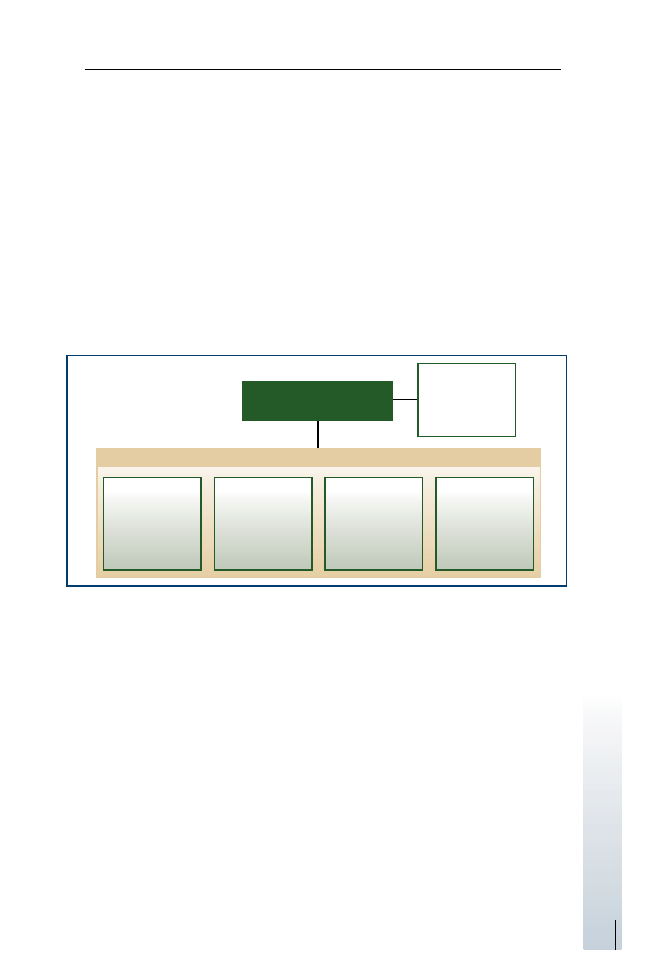
By law, the NWC is now composed of five members: the Under Secretary of
Defense for Acquisition, Technology and Logistics (USD(AT&L)); the Under
Secretary of Defense for Policy (USD(P)); the Vice Chairman of the Joint
Chiefs of Staff (VCJCS); the Commander of the U.S. Strategic Command
(CDRUSSTRATCOM); and the Under Secretary of Energy for Nuclear
Security/National Nuclear Security Administration (NNSA) Administrator.
The USD(AT&L) serves as the Chairman of the NWC. The Assistant to
the Secretary of Defense for Nuclear and Chemical and Biological Defense
Programs (ATSD(NCB)) is designated as the NWC Staff Director. Figure 7.
illustrates NWC membership as stated in Title 0 USC 79.
The law also directed the DoD and the DOE to provide personnel to serve as
the NWC Staff. From the beginning, the ATSD(NCB) performed the role of
NWC Executive Secretary in addition to the legally mandated Staff Director
function. In this role, the ATSD(NCB) manages the agendas and facilitates
the activities of the Council. As the NWC Staff Director, the ATSD(NCB)
also has oversight responsibilities for the NWC Staff and the other subordinate
organizations of the Council.
The NWC membership includes several guest and observer organizations
in addition to its official members. Though not voting members, these
organizations make valuable technical contributions to NWC deliberations.
NWC guest organizations include:
Director, Program Analysis and Evaluation (PA&E);
Assistant Secretary of Defense for Networks and Information
Integration (ASD(NII));
Chair
USD(AT&L)
Vice Chairman
of the
Joint Chiefs
of Staff
[VCJCS]
NNSA
Administrator
Under
Secretary of
Defense
(Policy)
[USD(P)]
U.S.
Strategic
Command
[USSTRATCOM]
MEMBERS
Staff Director
and Executive
Secretary
ATSD(NCB)
Figure 7.
NWC Membership per Title 0 USC 79

92
Nuclear Matters: A Practical Guide
20
08
Under Secretary of Defense for Intelligence (USD(I));
National Security Council (NSC) Staff/Special Assistant to the
President and Senior Director for Defense Policy and Arms Control;
NNSA Deputy Administrator, Defense Programs (DP);
Director, Defense Threat Reduction Agency (DTRA);
Office of the Under Secretary of Defense, Comptroller (OUSD(C));
and
OSD Legislative Affairs
NWC observer organizations include:
U.S. Army (U.S. Army Nuclear and Chemical Agency (USANCA));
U.S. Navy (Strategic Systems Programs (SSP));
U.S. Air Force (Director of Strategic Security(AF/A3S));
Office of the Deputy Under Secretary of Defense for Acquisition and
Technology (OUSD(A&T)); and
National Security Agency
7.5
NWC Responsibilities and Activities
The NWC is given specific responsibilities by authority of Section 79 of Title
0 of the United States Code (USC). These include evaluating, maintaining,
and ensuring the safety, security, and control of the nuclear weapons stockpile
as well as developing nuclear weapons stockpile options. The NWC currently
fulfills four annual reporting requirements: the Nuclear Weapons Stockpile
Memorandum/Requirements and Planning Document (NWSM/RPD); the
NWC Report on Stockpile Assessments (ROSA); the NWC Joint Surety Report
(JSR); and the NWC Chairman’s Annual Report to Congress.
Presidential direction, Congressional legislation, and agreements between the
Secretaries of Defense and Energy create additional requirements for the NWC.
Many of these are coordinated at the subordinate level and then finalized and
approved by the NWC.
NWC activities to support its statutory responsibilities were refined in a 997
Joint DoD/DOE Memorandum of Agreement (MOA). These activities
include:
Establishing subordinate committees to provide coordinated senior-
level staff support to the Council and performing such duties as the
Council may assign within the limits of the Council’s responsibilities;
Providing guidance to these support committees as well as reviewing

93
The Nuclear Weapons Council and Annual Reports
7
c
h
a
pt
er
and acting on recommendations from the committees relating to the
nuclear weapons stockpile;
Providing a senior-level focal point for joint DoD/NNSA
consideration of nuclear weapons safety, security, and control;
Authorizing analyses and studies of issues affecting the nuclear
weapons stockpile;
Reviewing, approving, and providing recommendations on these
analyses and studies to the appropriate authority within the DoD and
the NNSA;
Receiving information and recommendations from advisory
committees on nuclear weapons issues and recommending appropriate
actions to the DoD and the NNSA;
Providing broad guidance to the DoD and the NNSA on nuclear
weapons matters regarding the life-cycle of U.S. nuclear weapons;
Reviewing other nuclear weapons program matters as jointly directed
by the Secretaries of Defense and Energy; and
Fulfilling annual reporting requirements as provided in Section 79 of
Title 0 of the U.S. Code.
7.6
NWC Procedures & Processes
The statute establishing the NWC did not specify any associated procedures
or processes for fulfilling the mandates of the law. As a result, the NWC
administrative procedures continue to evolve. These procedures ensure
that the information and data necessary to make informed decisions and
recommendations concerning nuclear weapons stockpile management issues
reach the members of the NWC efficiently and effectively. To achieve this, the
NWC has delegated certain responsibilities and authority to its subordinate
organizations. The NWC usually makes decisions or provides final approval
only after thorough review and coordination at the subordinate levels. This
assures that all views are considered and reflected.
NWC review and approval are usually achieved through an established voting
process in which members’ positions and views are recorded. Issues that require
NWC action, including decisions or recommendations, are recorded through an
Action Item tracking process.
For some actions, such as a decision to approve the progress of a warhead-
type from one life-cycle Phase to the next, a voice vote at the meeting may be
recorded in the Council’s meeting minutes. This voice vote, as recorded in the
minutes, would serve as the official NWC approval.

94
Nuclear Matters: A Practical Guide
20
08
In theory, each member of the NWC could veto any action or decision. In
practice, the Council works to achieve consensus among its members before it
issues official decisions or recommendations. Issues rarely reach the NWC level
until they have been thoroughly vetted by NWC subordinate organizations, as
appropriate. Documents, including NWC reports, memoranda, and letters,
are revised and coordinated until all NWC members concur. The majority of
revision and coordination occurs at the subordinate levels.
The Council’s administrative processes and procedures are designed to ensure
consideration of all relevant factors in making decisions and recommendations.
The Council receives information and data from a variety of sources including:
the Project Officers Groups (POGs) associated with each warhead-type in the
stockpile;
3
advisory groups; subject matter experts from the DoD, the NNSA,
and the National Weapons Laboratories; and programmatic specialists from
various government offices. Information and data are communicated to the
Council and its subordinate bodies through letters, memoranda, reports, and
briefings.
Generally, when a decision is required, representatives from the appropriate
organizations brief the Council (and/or its subordinate groups) in person so
as to provide an opportunity for members, advisors, and observers to solicit
additional information as required for clarity or completeness.
Briefings are generally tailored for the individual audience in terms of length
and level of detail. Because the NWC has delegated some responsibilities to its
subordinate organizations, the subordinate group may determine that a briefing
need not progress to the NWC.
Decisions and recommendations made at the subordinate levels are always
communicated to the NWC through meeting minutes, memoranda, etc. These
decisions and recommendations are theoretically subject to modification or
repeal by the NWC itself; however, in practice, this does not usually occur.
7.7
NWC Subordinate Organizations
The NWC conducts day-to-day operations and coordinates issues through its
subordinate organizations. The Council’s subordinate organizations are not
codified in Title 0 USC 79. This affords the Council the necessary flexibility
to create, merge, or abolish organizations as needed.
3
The POGs are joint DoD-NNSA groups associated with each warhead-type. POGs
are created at the beginning of a weapon development program and charged with the
responsibility to coordinate the development and assure the compatibility of a warhead-type
with its designated delivery system(s).

95
The Nuclear Weapons Council and Annual Reports
7
c
h
a
pt
er
Two committees were established shortly after the creation of the NWC: the
Nuclear Weapons Council Standing Committee (NWCSC), commonly called
the “Standing Committee,” and the Nuclear Weapons Council Weapons Safety
Committee (NWCWSC), known as the “Safety Committee.” The Standing
Committee was established in 987 and served as a joint DoD-DOE senior
executive or flag-level committee. The Standing Committee performed the
routine activities of the NWC including coordinating all actions going to the
NWC as well as providing advice and assistance to the Council. Established
in 989, the Safety Committee was a joint DoD-DOE senior executive or
flag-level committee dedicated to nuclear weapons safety issues. The Safety
Committee provided advice and assistance to the NWC Staff Director, the
NWCSC, and to the NWC concerning nuclear weapons safety.
In 994, the Standing and Safety Committees were combined to form the
Nuclear Weapons Council Standing and Safety Committee (NWCSSC). In
995, the ATSD(AE) (now the ATSD(NCB)) delegated responsibility for day-
to-day oversight of the NWC Staff to the Deputy Assistant to the Secretary of
Defense for Nuclear Matters (DATSD(NM)). In addition, there is an NWC
Action Officers (AO) Group and an NWC Staff that support the Council and
its subordinate bodies.
In 996, the Chairman of the NWC established an additional organization,
subordinate to the NWCSSC, called the Nuclear Weapons Requirements
Working Group (NWRWG). The NWRWG was created to review and
prioritize high-level nuclear weapons requirements and to define them
more precisely where necessary. While it was active, several NWRWG
functions duplicated those of the NWCSSC. Also, both the DoD and the
DOE developed nuclear weapons requirements processes within their own
Departments. For these reasons, the NWRWG members voted to abolish
the Group and to transfer all NWRWG responsibilities to the NWCSSC
in November 2000. The NWC never ratified the decision to disband the
NWRWG, but the NWRWG has not met since the vote.
Also in November 2000, the Compartmented Advisory Committee (CAC)
was formed as an additional subordinate body to the NWC. The CAC
provides information and recommendations to the NWC concerning technical
requirements for nuclear weapons surety upgrades.
In 2005, the Transformation Coordinating Committee (TCC) was created by
the Nuclear Weapons Council to coordinate the development and execution of
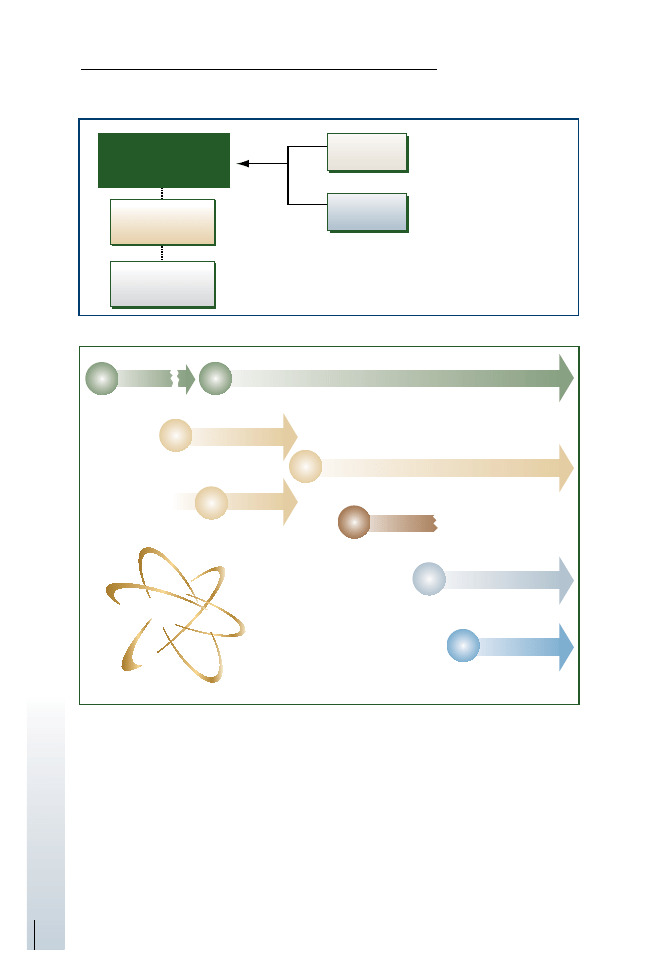
a joint strategy for the transformation of the national nuclear enterprise. Figure
7.2 illustrates the subordinate bodies of the NWC, and Figure 7.3 provides a
timeline of their establishment.
96
Nuclear Matters: A Practical Guide
20
08
7.7.1
The Nuclear Weapons Council Standing and
Safety Committee
The NWCSSC is a subordinate body to the NWC. The primary mission of the
NWCSSC is to advise and assist the NWC and to provide preliminary approval
for many NWC activities. The NWCSSC is a joint DoD-NNSA senior
executive or flag-level (one/two-star) committee, that conducts transactions
between the DoD and the NNSA on behalf of the NWC. The NWC has also
delegated certain approval authorities to the NWCSSC.
NWC
NWCSSC
AO
Group
TCC
CAC
Supports the
NWCSSC Principals.
Advises and
assists the
NWC; has been
delegated decision authority by the NWC.
Advises and assists the NWC
on compartmented programs.
Coordinates development and
execution of joint strategy for the
transformation of the nuclear
weapons enterprise.
Figure 7.2
The NWC and Its Current Subordinate Bodies
1987 NWCSC
NWC Standing
Committee
1989 NWCWSC
NWC
Weapons
Safety Committee
1994 NWCSSC
2000 CAC
NWC Standing and Safety Committee
1996 NWRWG
Nuclear Weapons Requirements Group
Compartmented
Advisory Committee
2005 TCC
Transformation
Coordinating
Committee
1946 MLC
Unofficially
disestablished in 2000
NWC
Nuclear Weapons Council
Military Liaison
Committee
1987
Atomic
Energy Act
1946
Figure 7.3
Timeline of the Establishment of the NWC and Its Subordinate Bodies

97
The Nuclear Weapons Council and Annual Reports
7
c
h
a
pt
er
NWCSSC Organization and Members
The NWC Staff Director is the ATSD(NCB). The ATSD(NCB) also serves
as the Chair of the NWCSSC and represents the Under Secretary of Defense
for Acquisition, Technology, and Logistics USD(AT&L) as well as the Office
of the Secretary of Defense (OSD). A
NNSA senior official is the NWCSSC
Vice Chair and represents the NNSA
Administrator. For an illustration of
NWCSSC membership, see Figure 7.4.
The NWCSSC is composed of one
flag-level representative or the civilian
equivalent from each of the following
organizations: the NNSA; the Office
of the Under Secretary of Defense
for Policy; the Office of the Assistant
Secretary of Defense for Networks
and Information Integration; the Joint
Staff (JS); the United States Strategic
Command (USSTRATCOM); the
Army; the Navy; the Air Force; and
the Defense Threat Reduction Agency
(DTRA).
Given the disparate nature of the
Committee’s responsibilities and other
important demands on members’
schedules, each member organization
may appoint one or more alternates to
attend meetings when the Principal is
not available or when the alternate’s
skills are appropriate to the topic of
discussion. The NWCSSC Executive Secretary, who is also the NWC Assistant
Staff Director, is the NNSA Liaison to the NWC Staff.
The NWCSSC is also supported by Official Observers and Technical Advisors.
Five offices participate as Observers: the United States Navy (USN) Strategic
Systems Programs (SSP); the Office of the Under Secretary of Defense for
Acquisition and Technology (OUSD(A&T)); the U.S. European Command
(USEUCOM); the Air Force Material Command (AFMC) Nuclear Weapons
Center; and the NNSA Office of Secure Transportation (OST). Technical
Advisors represent the following organizations: Los Alamos National
Chair
ATSD(NCB)
Vice-Chair
NNSA
NNSA
ASD(SOLIC/SC)
Joint Staff
USSSTRATCOM
Army
Navy
Air Force
DTRA
NWCSSC MEMBERS
NWCSSC OFFICIAL OBSERVERS
Navy SSP
ODDS(Systems Aquisition)
NNSA/OST
USEUCOM
AFNWCTR
NWCSSC TECHNICAL ADVISORS
LANL
LLNL
SNL
NSS
OUSD(PA&E)
OUSD(C)
Legislative Affairs
Figure 7.4
NWCSSC Membership

98
Nuclear Matters: A Practical Guide
20
08
Laboratory (LANL); Lawrence Livermore National Laboratory (LLNL); Sandia
National Laboratories (SNL); U.S. Nuclear Command and Control System
(NCCS) Support Staff (NSS); the Office of the Under Secretary of Defense
for Program Analysis and Evaluation (OUSD (PA&E))/Strategic and Space
Programs; and the Director, Strategic and Information Programs from the
OUSD(Comptroller).
NWCSSC Responsibilities and Activities
The Council uses the NWCSSC to develop, coordinate, and approve most
actions before NWC review and final approval, including the annual NWC
reports to the President and to Congress.
The NWCSSC also actively participates in Project Officers Group (POG)
oversight activities. For example, the POGs regularly report to the NWCSSC
and seek approval for specific weapons program activities. The NWCSSC
can authorize the establishment of POG Study Groups for activities including
NWC-directed studies or reviews, review of Service-approved POG charters,
and review of POG study proposals and reports.
In addition to the responsibilities relating to POG oversight, the NWCSSC
reviews proposed and ongoing refurbishments for existing weapon systems
and production activities for new systems. As recommended by the POGs,
the NWCSSC reviews and approves the Military Characteristics (MCs) and
Stockpile-to-Target Sequence (STS) for major modifications of existing weapons
and new systems.
The NWCSSC is informed on a wide variety of issues related to nuclear
weapons stockpile management through informational briefings and other
channels of communication. Over the past several years, the NWCSSC has
reviewed a number of topics including: Nevada Test Site (NTS) readiness;
warhead dismantlement activities; findings of the Joint Advisory Committee
(JAC) on nuclear weapons surety; component and warhead storage; nuclear
component production; and nuclear weapons safety standards. Although this
list is not exhaustive, it is representative of the issues that fall within the purview
of the NWCSSC.
In summary, NWCSSC responsibilities include:
Preparing and coordinating the annual Nuclear Weapons Stockpile
Memorandum and Requirements Planning Document (NWSM/
RPD), which are then provided to the Council for review and
approval prior to being forwarded to the Secretaries of Defense and
Energy for signature;

99
The Nuclear Weapons Council and Annual Reports
7
c
h
a
pt
er
Approving nuclear weapons stockpile quantity adjustments within the
authority delegated by the President and the NWC;
Reviewing the stockpile when required, and providing recommended
stockpile improvements to the Council for its endorsement;
Preparing and coordinating the annual NWC Report on Stockpile
Assessments (ROSA) for the NWC;
Preparing and coordinating the Joint Surety Report (JSR) for the
DoD-NNSA annual report to the President on nuclear weapons
surety;
Preparing and coordinating the NWC Chairman’s Annual Report to
Congress (CARC);
Reviewing the Joint Requirements Oversight Council (JROC)
recommendations related to nuclear weapons planning for possible
impact on nuclear warhead programs;
Approving Design Review and Acceptance Group (DRAAG) Report
findings;
Authorizing the establishment of POGs and Study Groups for
Council-directed studies or reviews; reviewing Service-approved POG
charters; providing tasking and guidance to these POGs; reviewing
POG study plans and reports; and resolving outstanding issues;
Reviewing and approving the original and/or amended Military
Characteristics (MCs) proposed by the Military Departments through
their respective POGs. (Safety-related MCs must be approved by the
Secretaries of Defense and Energy);
Reviewing the STS requirements for each nuclear warhead-type and
considering proposed changes to the STS that may have a significant
impact on cost or weapons performance;
Advising the NWC on weapons safety design criteria; safety standards
and processes; safety rules; and the safety aspects of MCs, STSs as well
as weapons transportation, storage, and handling;
Reviewing information from the DoD and the NNSA on nuclear
weapons-related issues under the NWC purview;
Reviewing the status and results of nuclear weapons safety studies
performed either by the Military Departments or jointly by the DoD
and the NNSA;
Requesting weapon program status information from the DoD and
the NNSA;

100
Nuclear Matters: A Practical Guide
20
08
Conducting studies, reviews, and other activities as directed by the
NWC, one of its members, or as required by a Joint Memorandum of
Understanding (MOU) between the Departments; and
Coordinating or taking action on other matters, as appropriate.
NWCSSC Procedures and Processes
The NWCSSC normally meets once each month. On occasion, the
NWCSSC will meet in Special Session to address a specific issue that must
be resolved before the next regularly-scheduled meeting. The majority of the
work performed by the NWCSSC involves issues related to DoD military
requirements in relation to NNSA support plans and capacity as well as issues
regarding consideration and monitoring of all nuclear surety issues and nuclear
weapons refurbishments.
During meetings, NWCSSC members usually hear briefings from various
organizations involved with nuclear stockpile management issues. These
organizations include the nuclear weapons POGs, the National Weapons
Laboratories as well as individual components within the DoD and the
NNSA. The NWCSSC Chairman leads the NWCSSC meetings and facilitates
discussion among the members. The NWC Staff is responsible for coordinating
meeting times and places as well as developing meeting agendas.
The NWC Staff drafts the minutes of each NWCSSC meeting. The minutes
describe briefings and record NWCSSC agreements, decisions, and actions.
NWCSSC minutes are then formally coordinated with Action Officers and
approved by the members at the next meeting.
7.7.2
The Compartmented Advisory Committee
The Compartmented Advisory Committee (CAC) was established in November
2000 by the NWC Chairman. The CAC provides advice and recommendations
on technical requirements for new warhead production and surety upgrades for
nuclear weapons in the stockpile that are being refurbished. The formation of
this Committee was recommended in the DOE 30-Day Review.
4
4
In response to Congressional concerns about security measures at DOE nuclear facilities and
cost overruns involving the National Ignition Facility (NIF), the Secretary of Energy directed
his Under Secretary to complete a comprehensive internal review of the DOE’s Stockpile
Stewardship Program (SSP) in October 999. The Under Secretary of Energy was to report
back within 30 days. The review examined the accomplishments of the SSP between 996
and 999 as well as the overall Program structure and its ability to meet both the current and
the long-term needs for certifying the stockpile.

101
The Nuclear Weapons Council and Annual Reports
7
c
h
a
pt
er
CAC Organization and Members
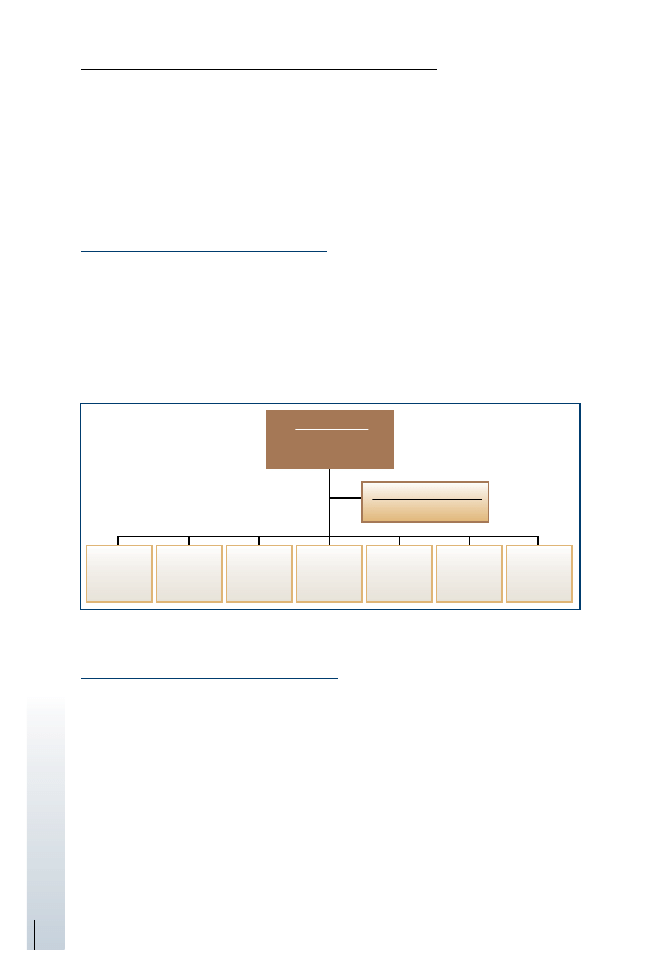
Because of the highly sensitive nature of the information involved, it is
necessary to keep CAC membership relatively limited (see Figure 7.5). The
members of the CAC are read-in to all relevant DOE and DoD Special Access
Programs (SAP). The CAC is co-chaired by representatives from the DoD
and the NNSA. Currently, the DATSD(NM) is the DoD Chair, and a NNSA
senior official is the NNSA Chair. The Executive Secretary is a member of
the DATSD(NM) staff. The CAC is composed of members or observers
of the NWCSSC who have primary
responsibility for nuclear weapons
use-control and security issues. CAC
membership includes representatives
from: the Department of the Navy; the
Navy Strategic Systems Programs; the
U.S. Strategic Command, the Joint Staff
for Operations; the NNSA Defense
Programs (DP) Assistant Deputy
Administrator for Military Application;
the Defense Threat Reduction Agency;
the Office of the Air Force Associate
Director of Strategic Security; the Office
of the Deputy Assistant to the Secretary
of Defense for Nuclear Matters; and
the Office of the Assistant Secretary of
Defense for Networks and Information Integration (ASD(NII)).
CAC Responsibilities and Activities
The CAC reviews sensitive information that cannot be made available to the
various Project Officers Groups or Action Officers in the normal administration
of these sensitive programs. Making this information available to the CAC,
with its direct access to the NWC, fills a gap in the knowledge base and helps
ensure that decision-makers have the information and staff work necessary
for the execution of these sensitive programs. The responsibilities of the CAC
include: examining the need for nuclear surety improvements; determining
the timeframe for improvements; preparing cost-benefit analyses for NWC
consideration; assessing proposals for use control upgrades, both internal and
external to the weapons systems; and technical and/or operational security
mitigators or solutions. All CAC recommendations to the NWC include both
majority and minority opinions. The CAC meets as needed. Because of the
overlap with the membership of the NWCSSC, CAC meetings usually occur
before or after an NWCSSC meeting.
DATSD(NM)
NNSA
CAC CO-CHAIRS
CAC MEMBERS
Navy
Air Force
ODATSD(NM)
OASD(NII)
DTRA
USSTRATCOM
Joint Staff/J-3
NNSA
Figure 7.5
CAC Membership
102
Nuclear Matters: A Practical Guide
20
08
7.7.3
The Transformation Coordinating Committee
The Transformation Coordinating Committee (TCC) was established in
2005 by the Nuclear Weapons Council to coordinate the development and
execution of a joint DoD-NNSA strategy for transforming the National Nuclear
Enterprise.
TCC Organization and Members
The TCC is co-chaired by the DATSD(NM) for the DoD and a senior NNSA
official for the NNSA. Its membership includes representatives from: the U.S.
Air Force Headquarters (Director of Strategic Security); U.S. Navy (Strategic
Systems Program); Joint Chiefs of Staff (Plans and Policy Directorate);
USSTRATCOM (Structure, Resources, and Assessment); DTRA (Combat
Support); OSD (Policy); and NNSA (Research, Development, and Simulation).
Figure 7.6 illustrates TCC membership.
TCC Responsibilities and Activities
The TCC is chartered to explore various transformation courses of action, advise
Reliable Replacement Warhead (RRW) Project Officer Groups (POGs), and
make recommendations to the NWC to facilitate transformation initiatives.
Some of its activities include: establishing a clear, consistent message on nuclear
weapons enterprise transformation; examining needs, plans, and options for
sustainment or replacement of nuclear weapons delivery systems; examining
plans for meeting dismantlement requirements; recommending stockpile
assumptions necessary for responsive infrastructure planning; and examining
plans for the development of a responsive nuclear weapons infrastructure,
consistent with the Nuclear Posture Review or subsequent guidance. The TCC
meets monthly.
STRATCOM
J8
OSD(P)
Strategic
Capabilities
NNSA
Executive Secretary
DoD - ODATSD(NM)
Co-Chairmen
DoD DATSD(NM)
NNSA
JCS
J5
USAF/
A3S
DTRA
Navy
SSP
Figure 7.6
TCC Membership

103
The Nuclear Weapons Council and Annual Reports
7
c
h
a
pt
er
7.7.4
The NWC Action Officers Group
The NWCSSC is supported by an Action Officers Group that meets to review
nuclear weapons stockpile management issues, ensure consistent progress, and
facilitate information dissemination. The AOs prepare nuclear weapons issues
for their NWCSSC Principals. In a frank and informal meeting environment,
the AOs discuss issues, receive pre-briefings in preparation for NWCSSC or
NWC meetings, and coordinate actions for consideration by their Principals at
the NWCSSC level.
AO Group Organization and Members
The AO Group is composed of AOs
representing NWCSSC member
organizations, observer organizations,
technical advisors, and agencies
involved in nuclear weapons program
matters, where appropriate. The
NWC Staff supports the AO Group.
When they are responsible for NWC
actions in progress, other agencies
and organizations such as the Project
Officers Groups (POGs) and the
National Weapons Laboratories (Labs)
send Action Officers to participate.
Figure 7.7 illustrates NWC AO Group
membership.
AO Group Responsibilities and
Activities
The responsibilities of the AO Group
have been established through practice
as well as direction from the NWCSSC
Principals. The AOs are responsible for
keeping their NWCSSC Principals fully
informed regarding all NWC-related activities and preparing their Principals
for NWCSSC or related meetings. Normally, the NWC Staff is responsible for
creating and distributing an informal meeting summary as well as for tracking
any actions that arise from the AO meetings.
AO Group Procedures & Processes
The NWCSSC Executive Secretary, who is also the NWC Assistant Staff
Director, chairs the AO meetings. The NWC Staff is responsible for
coordinating meeting times and locations as well as for developing meeting
Chair
NWC
Asst. Staff
Director
Joint Staff
Army
USD(P)
NNSA
USSSTRATCOM
Air Force
ATSD(NCB)
DTRA
Navy
Navy SSP
AO MEMBERS
AO OBSERVERS
LANL
LLNL
SNL
OUSD(PA&E)
NSS
ODDS (Systems Aquisition)
Navy SSP
Figure 7.7
NWC AO Group Membership

104
Nuclear Matters: A Practical Guide
20
08
agendas. The AOs normally meet once each week to discuss issues and
coordinate actions. The AOs usually receive initial drafts of information and
decision briefings before these drafts and briefings progress to the NWCSSC.
The AOs provide comments and suggestions to refine briefings for presentation
to the NWCSSC.
During the coordination of official reports, documents, or correspondence,
the AO Group may comment on initial drafts and the Action Officers’ input
is considered in the development of subsequent drafts. Official Observers and
Technical Advisors may also provide comments to the Assistant Staff Director
for consideration and potential inclusion. This process is repeated until a final
draft is completed. Generally, the AOs complete an action when the Group
reaches consensus on an issue and forwards it to the NWCSSC. If consensus
cannot be reached, the issue may move to the NWCSSC for resolution.
7.7.5
The Nuclear Weapons Council Staff
The NWC Staff provides analytical and administrative support to the NWC and
its subordinate organizations. As codified in the 997 NWC Memorandum of
Agreement (MOA) signed by the Secretaries of Defense and Energy, both the
DoD and the NNSA assign personnel to provide necessary support services to
the entire NWC organization.
NWC Staff Organization and Members
The NWC Staff is located within the Office of the DATSD(NM) at the
Pentagon. The NWC Staff is composed of an NNSA staff member and a
DTRA staff member, both of whom have been assigned to the Office of the
DATSD(NM). The NWC Staff is also supported by government contractors, as
required.
The NWC Staff reports through the DATSD(NM) to the NWC Staff Director
who is the Assistant to the Secretary of Defense for Nuclear and Chemical and
Biological Defense Programs (ATSD(NCB)).
NWC Staff Responsibilities and Activities
The NWC Staff has a variety of responsibilities, all of which ensure that the
Council and its subordinate bodies operate as efficiently and effectively as
possible. The primary responsibilities of the NWC Staff can be divided into
two areas: meetings, for planning and follow-up activities; and the NWC annual
reports, for development, drafting, coordination, and execution.
The NWC Staff plans and schedules all meetings of the NWC, the NWCSSC,
and the NWC AO Group. The responsibilities of the NWC Staff include:

105
The Nuclear Weapons Council and Annual Reports
7
c
h
a
pt
er
preparing meeting agendas; drafting and distributing tasking letters to request
information or briefings from organizations within the nuclear weapons
community; and preparing the Chair of the group to lead the meeting and
facilitate discussion and decision-making, if required. The NWC Staff works
with the AOs to develop an annual NWC Work Plan that identifies the topics
for each fiscal year. Agenda items derived from this Work Plan may include
decision and informational briefings as well as issues for group discussion.
The NWC Staff is responsible for a variety of follow-up activities including:
preparation and coordination of meeting minutes; the development of vote
packages for NWC or NWCSSC paper votes; the scheduling of supplementary
briefings; and the development of responses to members’ questions or requests.
The NWC Staff maintains the official records of the NWC, the NWCSSC, and
the AO Group proceedings and other official documents.
The NWC Staff facilitates the timely development of the four annual reports
for which the NWC is responsible. The NWC Staff manages the coordination
of these reports with the many different representatives from the DoD and the
NNSA. NWC Staff activities include: publishing report milestone completion
schedules; developing first and subsequent drafts of each annual report;
conducting coordination meetings; consolidating and reconciling input from
various participants; and guiding the reports through the progressive approval
channels.
The NWC Staff conducts business and disseminates information through an
Action Item tracking system for the NWC, the NWCSSC, and the AO Group.
This system constitutes the official record of NWC and NWCSSC decisions
and activities. The NWC Action Item tracking system is used to record and
track actions from initiation through resolution. This includes, for example,
draft meeting minutes where the action is a vote to approve the minutes as
official and draft NWC reports where the action is a vote to approve the report
or request its modification.
The Action Item tracking system is also used to document and track requests
originating from NWC or NWCSSC members, the NWC Staff, or the AO
Group to organizations within the nuclear community. An example of this is a
request to a particular agency or organization for additional information or an
additional briefing on a related subject. An Action Item remains “open” until
its final resolution. Action Items are recorded in a database maintained by the
NWC Staff. The NWC Staff is responsible for tracking all Action Items and
ensuring that all Action Items are resolved and closed.

106
Nuclear Matters: A Practical Guide
20
08
7.8
NWC Annual Reports
The Nuclear Weapons Council is responsible for a number of annual reports.
These include the NWSM/RPD, the ROSA, the CARC, and the JSR. Each of
the NWC annual reports focuses senior-level attention on important nuclear
weapons issues. Each report responds to a separate Executive or Congressional
requirement; each has an individual purpose; and each communicates unique
information. Figure 7.8 illustrates the NWC Annual Reports schedule.
7.8.1
Nuclear Weapons Stockpile Memorandum and
Requirements Planning Document (NWSM/RPD)
The NWSM is an annual memorandum to the President from the Secretaries of
Defense and Energy. The NWSM transmits a proposed Presidential
Directive,
5
which, if approved, becomes the Nuclear Weapons Stockpile Plan
(NWSP). The NWSP specifies the size and composition of the stockpile
for a projected multi-year period. The NWSM is the transmittal vehicle for
the proposed Presidential Directive and communicates the positions and
recommendations of the two Secretaries. It is the Directive (signed by the
President) that actually guides U.S. nuclear stockpile activities. For ease of
reference, the NWSM and the proposed Directive containing the NWSP
are collectively called the “NWSM package” or “the NWSM.” Summary
information regarding the NWSM is located in Figure 7.9.
5
Presidential Directives are designated differently in each Administration. The Reagan
Administration, for example, used the term “National Security Decision Directive (NSDD).”
The Clinton Administration used the term “Presidential Decision Directive (PDD).” The
Administration of George W. Bush uses the term “National Security Presidential Directive
(NSPD).”
Oct Nov Dec Jan Feb Mar Apr May Jun Jul Aug Sep Oct Nov Dec Jan Feb Mar
JSR
NWSM/RPD
01 Oct (YY) - 31 Mar (YY+1)
February - 30 Sep
ROSA
01 Jul - 30 Nov
01 Aug - 31 Jan
CARC
Figure 7.8
NWC Annual Reports Schedule

107
The Nuclear Weapons Council and Annual Reports
7
c
h
a
pt
er
The coordination process
for these documents
serves as the key forum
in which the DoD
and the NNSA/DOE
resolve issues concerning
the DoD military
requirements for nuclear
weapons in relation to
the NNSA capacity and
capability to support
these requirements.
Resolving these issues is a
complex, iterative, and time-consuming endeavor. Once the President signs the
Directive, the NWC is authorized to approve nuclear weapons stockpile changes
within the limits specified by the President.
Historically, the NWSM has been the legal vehicle for the President’s formal
annual approval of the production plans of the U.S. nuclear weapons complex.
6
Since the early 990s, however, the NWSM has evolved to reflect the shift
away from new warhead production and toward the sustainment of the existing
nuclear weapons stockpile. The Requirements Planning Document (RPD),
previously known as the Long Range Planning Assessment (LRPA), was
developed to facilitate this shift in emphasis. The RPD is now linked with the
NWSM to form a single NWC vote package for coordination and approval
through the NWC Chair. The Chair forwards the NWSM to the Secretaries
of Defense and Energy for signature and distributes the RPD to the NWC and
NWCSSC members.
The RPD identifies long-term planning considerations that affect the future
of the nuclear weapons stockpile. It provides detailed technical information
and analyses that support the development of the NWSM and the proposed
Presidential Directive containing the NWSP. The NWSM, which was formerly
coordinated to satisfy only a statutory requirement, has evolved into an
instrument for programmatic authorization. This is particularly true for the
NNSA, which relies on the current NWSM/RPD to direct and authorize its
planning decisions and to serve as the basis for workload scheduling in the field.
When the military requirements are received from the Joint Staff in March, the
NWC Staff develops and coordinates the NWSM/RPD package for review and
6
The Atomic Energy Act of 1954 requires that the President provide annual authorization for all
U.S. nuclear weapons production.
Requirement:
Title 10 USC 179
Reporting period:
Fiscal Year
Annual due date:
30 September
Drafted by:
NWC Staff
Coordinated through:
NWCSSC and NWC
Signed by:
The Secretary of Defense and
the Secretary of Energy
Submitted/Transmitted to:
The President
NWSM/RPD
Figure 7.9
NWSM/RPD Summary Information

108
Nuclear Matters: A Practical Guide
20
08
approval by the NWCSSC. After coordination and approval, the NWCSSC
forwards the NWSM/RPD package to the NWC for review and approval.
Following NWC approval, the package is transmitted to the Secretaries of
Defense and Energy for signature.
After it is signed by the two Secretaries, the NWSM is forwarded to the
President with the proposed NWSP. The approved RPD is distributed to the
NWC and NWCSSC members and is provided informally to the National
Security Council, if requested. The NWSM package is due annually to the
President no later than September 30.
7.8.2
NWC Report on Stockpile Assessments (ROSA)
In August 995, President William J. Clinton announced the establishment
of a “new annual reporting and certification requirement that will ensure that
our nuclear weapons remain safe and reliable under a comprehensive test ban.”
In this speech, the President announced the decision to pursue a “true zero-
yield Comprehensive Test Ban Treaty.” As a central part of this decision, the
President established a number of safeguards designed to define the conditions
under which the United States would enter into such a treaty.
Among these safeguards was Safeguard F, which specified the exact conditions
under which the United States would invoke the standard “supreme national
interest clause” and withdraw from a comprehensive test ban treaty.
7
The
annual assessment process, of which the NWC Report on Stockpile Assessments
(formerly called the “Annual Certification Report”) is but one element, was
originally developed to correspond with Safeguard F.
Although the United States did not ratify the Comprehensive Test Ban Treaty
(CTBT) and the Treaty has not entered into force, the United States continues
to observe a self-imposed moratorium on UGT. The annual assessment
process, originally associated with the CTBT, has evolved independently of the
Treaty. As long as the United States continues to observe a self-imposed UGT
moratorium, or until the CTBT receives U.S. ratification and enters into force,
the annual assessment process serves to ensure that the safety and reliability of
the stockpile is regularly evaluated in the absence of UGT.
The annual assessment process itself was originally modeled on the structure
of Safeguard F, and that structure remains valid at the present time. Safeguard
7
This clause is written into almost all international treaties. It states that the signatory reserves
the right to withdraw from the treaty to protect supreme national interests. Most treaties
define a specific withdrawal process that normally involves, among other things, advance
notification to all States that are party to the treaty.

109
The Nuclear Weapons Council and Annual Reports
7
c
h
a
pt
er
F specified that if the President were informed by the Secretaries of Defense
and Energy—as advised by the NWC, the Directors of the NNSA’s Nuclear
Weapons Laboratories and the Commander of the United States Strategic
Command (USSTRATCOM)—that “a high level of confidence in the safety
or reliability of a nuclear weapon-type which the two Secretaries consider to be
critical to the U.S. nuclear deterrent can no longer be certified,” the President
(in consultation with Congress) would be prepared to conduct whatever testing
may be required.
8
The FY03 National Defense Authorization Act, legally codified the requirement
for an annual stockpile assessment process. Specifically, section 34 of the law
requires that the Secretaries of Defense and Energy submit a package of reports
on the results of their annual assessment to the President by March of each
year. The President must forward the reports to Congress by March 5.
These reports are prepared individually by the directors of the three DOE
weapons laboratories—Los Alamos National Laboratory (LANL), Lawrence
Livermore National Laboratory (LLNL), and Sandia National Laboratories
(SNL)—and by the Commander of USSTRATCOM, who is responsible for
nuclear weapons targeting within the DoD. The reports provide each official’s
assessment of the safety, reliability, and performance of each warhead-type in
the nuclear stockpile. In addition, the Commander of USSTRATCOM assesses
the military effectiveness of the weapons. In particular, the reports include a
recommendation on the need to conduct an underground nuclear test to resolve
any identified issues. The Secretaries of Defense and Energy are required to
submit these reports unaltered to the President, along with the conclusions the
Secretaries have reached as to the safety, reliability, performance, and military
effectiveness of the U.S.
nuclear deterrent. The
NWC supports the two
Secretaries in fulfilling
their responsibility to
inform the President if a
return to underground
nuclear testing is
required to address any
issues associated with the
stockpile. See Figure 7.0
for summary information
about the ROSA.
8
Because the CTBT is not in force, the U.S. would not need to invoke the “supreme national
interest clause” to resume testing.
Requirement:
Statute
Reporting period:
Fiscal Year
Annual due date:
01 March
Drafted by:
NNSA/NWC Staff
Coordinated through:
NWCSSC and NWC
Signed by:
NWC Members
Submitted/Transmitted to:
The Secretary of Defense and
the Secretary of Energy
ROSA
Figure 7.0
ROSA Summary Information

110
Nuclear Matters: A Practical Guide
20
08
While the principal purpose of annual assessment is to provide analyses of and
judgments about the safety, reliability, performance, and military effectiveness
of the nuclear stockpile, the process would not be used as a vehicle for notifying
decision makers about an immediate need to conduct a nuclear test. If an
issue with a weapon were to arise that required a nuclear test to resolve, the
Secretaries of Defense and Energy, the President, and the Congress would be
notified immediately outside of the context of the annual assessment process.
7.8.3
NWC Chairman’s Annual Report to Congress
(CARC)
An FY95 amendment to Title 0 USC 79 requires the NWC Chairman to
submit a report to Congress each fiscal year evaluating the “effectiveness and
efficiency of the Council and the deliberative and decision-making processes
used.” The CARC is submitted through the Secretary of Energy. The law
requires that the CARC also contain a description of all activities conducted by
the NNSA during the reporting period, as well as all nuclear weapons-related
activities planned by the NNSA for the following fiscal year that have been
approved by the NWC for the study, development, production, or retirement
of nuclear warheads. When the President’s budget is submitted to Congress,
the Secretary of Energy is required to submit the CARC to Congress in a
classified form. The Report is sent to the House and Senate Committees on
Armed Services and
Appropriations. The first
CARC was submitted
to Congress in February
of 995. Summary
information about the
CARC is located in
Figure 7..
The NWC Staff drafts
and coordinates the
CARC in consultation
with the Action Officers
representing the NWC
members. The Report
is coordinated and approved at the NWCSSC level and forwarded to the NWC
for final review and approval. After NWC approval, the CARC is signed by the
NWC Chairman and forwarded to the Secretary of Energy. The DOE prepares
the eight letters containing the CARC to the committee chairpersons and ranking
members. The Secretary signs the letters, and they are then transmitted to Congress.
Requirement:
FY95 amendment to Title 10
US 179
Reporting period:
Fiscal Year
Annual due date:
NLT first Monday in February
Drafted by:
NWC Staff
Coordinated through:
NWC and NWCSSC
Signed by:
Secretary of Energy
Submitted/Transmitted to:
House and Senate Committees
on Armed Services and
Appropriations
CARC
Figure 7.
CARC Summary Information

111
The Nuclear Weapons Council and Annual Reports
7
c
h
a
pt
er
7.8.4
Joint Surety Report (JSR)
National Security Presidential Directive-28, United States Nuclear Weapons
Command and Control, Safety, and Security, dated June 20, 2003,
9
requires the
DoD and the DOE to prepare and submit to the President an annual joint
surety report that assesses, as a minimum, nuclear weapon safety, security,
control, emergency response, inspection and evaluation programs, and the
impact of budget constraints on required improvement programs. This report
also addresses the current status of each of these subject areas, as well as the
impact of trends affecting capabilities and the nature of the threat. The security
assessment also includes separate DoD and DOE descriptions of the current
state of protection of their respective nuclear weapons facilities in the United
States, its territories, and overseas. The report primarily covers activities of the
preceding fiscal year and is due on March 3, 80 days after the end of that
fiscal year.
Currently, the NNSA prepares the preliminary draft of the JSR. The NWC
Staff is then responsible for further drafting and coordination of the JSR
with input from the DoD and the NNSA. When all preliminary comments
are received and
incorporated, the
JSR is then reviewed
and approved by the
NWCSSC. This is
followed by an NWC
vote to approve the
report before it is
forwarded to the
Secretaries of Defense
and Energy for signature.
The JSR, along with
the Nuclear Command
and Control System
Annual Report, is submitted to the President by March 3 each year. Summary
information about the JSR is located in Figure 7.2.
9
NSPD-20 replaces the Reagan Administration June 27, 988 National Security Decision
Directive Number 309.
Requirement:
NSPD-28
Reporting period:
Fiscal Year
Annual due date:
31 March
Drafted by:
NNSA/NWC Staff
Coordinated through:
NWC and NWCSSC
Signed by:
Secretary of Energy
Submitted/Transmitted to:
House and Senate Committees
on Armed Services and
Appropriations
JSR
Figure 7.2
JSR Summary Information

Wyszukiwarka
Podobne podstrony:
Megadeath Nuclear Weapons Info Classification
Megadeath Nuclear Weapons Effects
Control of Megadeath Nuclear Weapons Data
Megadeath Nuclear Weapons Effects Survivabilty
Control of Megadeath Nuclear Weapons Design Info
Ancient Nuclear Weapons
Hazards of Nuclear Weapons Waste Storage
Navy Information on Nuclear Weapons
DoD Nuclear Weapon System Safety Program Manual
Does the United States Need to Develop a New Nuclear Earth Penetrating Weapon
iraq seized weapons 2008
Paranoia Equipment Weapon Vehicle Request Form
AL LO The White Council
3 energy as a political weapon
The?uses and?fects of the Chernobyl Nuclear Reactor Melt
Bio Chemical Weapons Exposure Treatment Pepid
00 Council on Foreign Relations
Dawning Star Terraformer 03 Daxion Arms Weapons
więcej podobnych podstron