Auto Alternator Check and Replacement
http://www.extremehowto.com/xh/printpage.asp?article_id=60367
1 of 5
17/09/2006 11:12 AM
Auto Alternator Check and Replacement
Mike Bumbeck
The electrical system in an automobile is comprised of
three parts that must all function individually for the
system to operate in balance. The battery is the first part.
The battery stores electricity to spin the starter and start the
engine when the ignition key is turned. The alternator is
next in line.
Middle Manager
The alternator produces electricity once the engine is running. It gets its juice for making juice from a belt
and pulley system driven by engine power. As well as producing electricity for heated seats, turn signals,
and the four in-seat DVD players, the alternator also sends extra electricity to the battery for storage. The
battery can also help out during times of heavy electrical demand. The third component is the voltage
regulator. The aptly named component tells the alternator how hard to work depending on electrical
demand, and regulates the flow of electricity coming from the alternator and going to the battery and
accessories.
If all goes well, there will be electricity in wait when the key is turned, as well as when the engine is
running. If any one of these parts wears out or fails, the symbiotic relationship of the automotive electrical
system goes pell-mell. A number of unwanted things can happen to you by way of an out-of-commission
electrical system, from having no radio to absolutely no electrical power to get the engine going again.
Current Events
The trick to determining whether or not a new alternator is required lies in testing. When the electricity
stops flowing, a common error is to assume that the battery is dead. You can replace it with a new one,
only to have it quickly discharge because the alternator had already breathed its last breath and is no
longer making electricity to charge up the battery. Conversely, one could replace a perfectly good
alternator when in fact it is the battery that has lost its ability to store electricity. A finicky voltage
regulator can also cause problems. The classic symptoms of a dying alternator are lights getting dimmer
and sluggish electrical accessories while driving around after dark.
Auto Alternator Check and Replacement
http://www.extremehowto.com/xh/printpage.asp?article_id=60367
2 of 5
17/09/2006 11:12 AM
This situation occurs because the alternator is no longer making enough electricity to run the show, and
the vehicle is drawing power off the slowly dying battery. If driven around long enough, the vehicle will
use up all the battery's electricity and everything will come to a halt. Since getting stranded at night is not
the world's best motoring experience, it pays off in the long run to maintain and check batteries, belts,
voltage regulators and alternators. The good news is that determining which part of the system is doing its
part and which part is a little tired or about to quit altogether is easier than ever. Many auto parts stores
now have portable diagnostic equipment that can sniff out in minutes what's going on with the electrical
system. If the alternator has gone out to lunch permanently, replacing it is usually a relatively easy job.
Follow along with the step-by-steps for some alternator replacement tips.
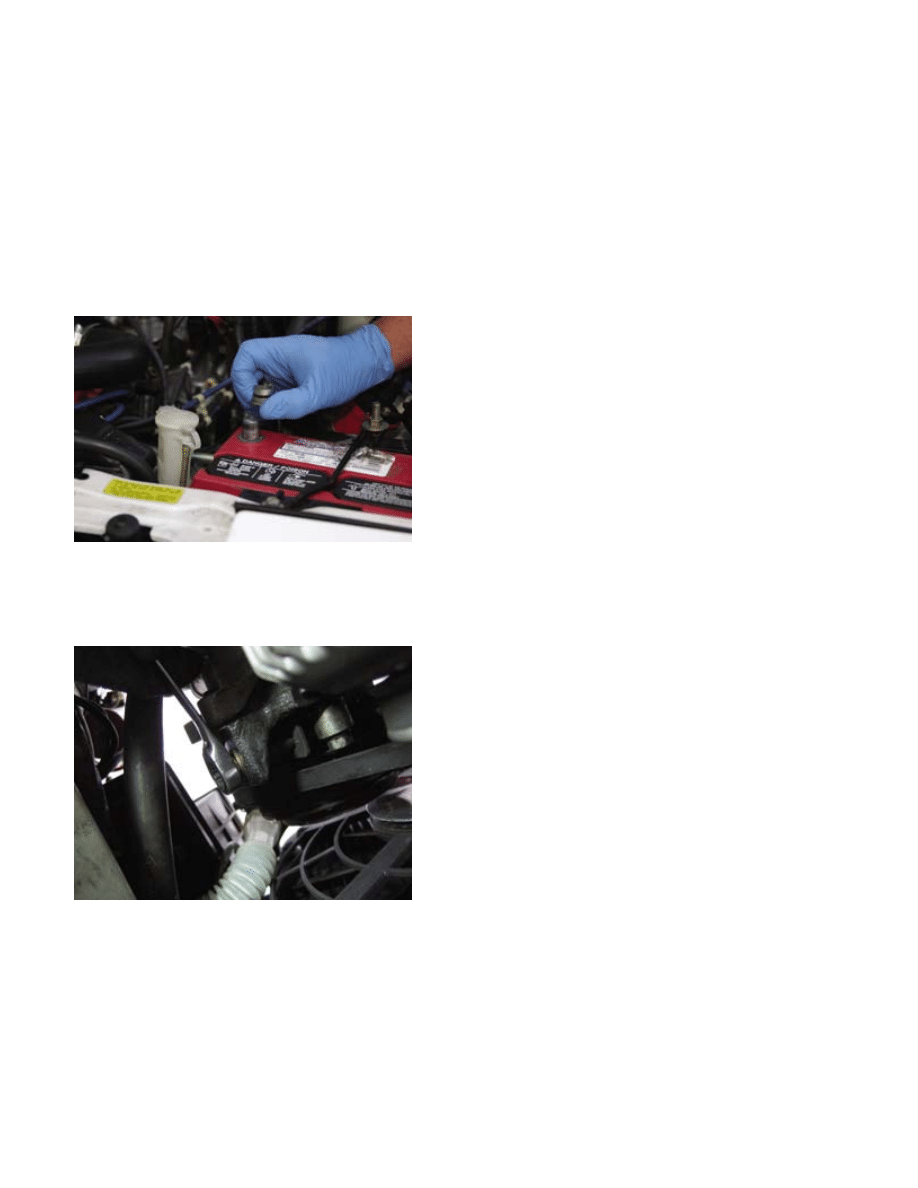
Step 1: Disconnect the battery negative. This is an especially important first step, as all the electricity for
the entire vehicle goes through the alternator. A wrench or a screwdriver across connectors can quickly
fry voltage regulators, expensive engine computers, and cause injury.
Step 2: On a v-belt vehicle there are usually two bolts holding an alternator to its mounts. One bolt or
assembly maintains tension on the belts, and the other holds the alternator in place. First loosen and
remove the tension bolt or assembly.
Auto Alternator Check and Replacement
http://www.extremehowto.com/xh/printpage.asp?article_id=60367
3 of 5
17/09/2006 11:12 AM
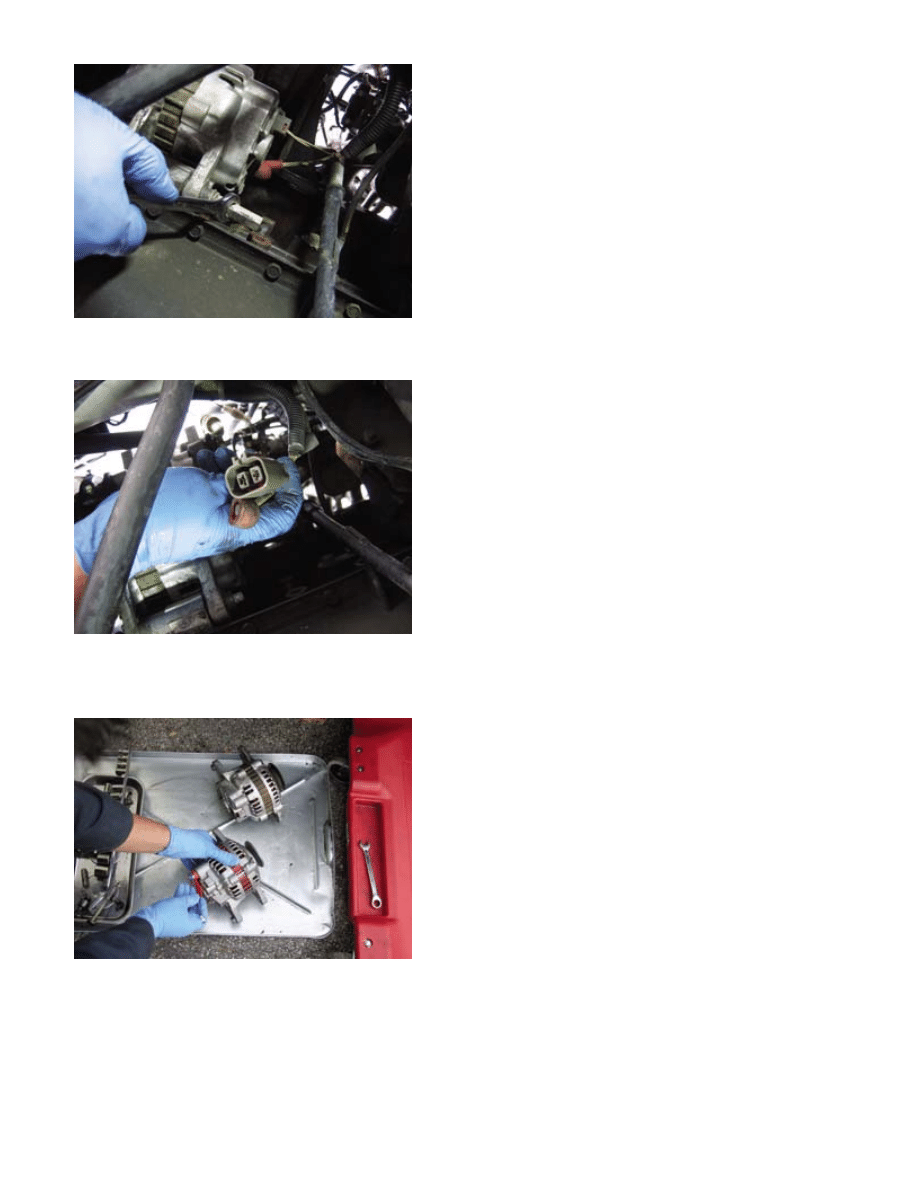
Step 3: Next, loosen the pivot bolt.
Step 4: Remove the pivot bolt. Remove electrical connections and slide the pivot bolt through the mount.
Remove the alternator. This is a good time to check and replace worn belts.
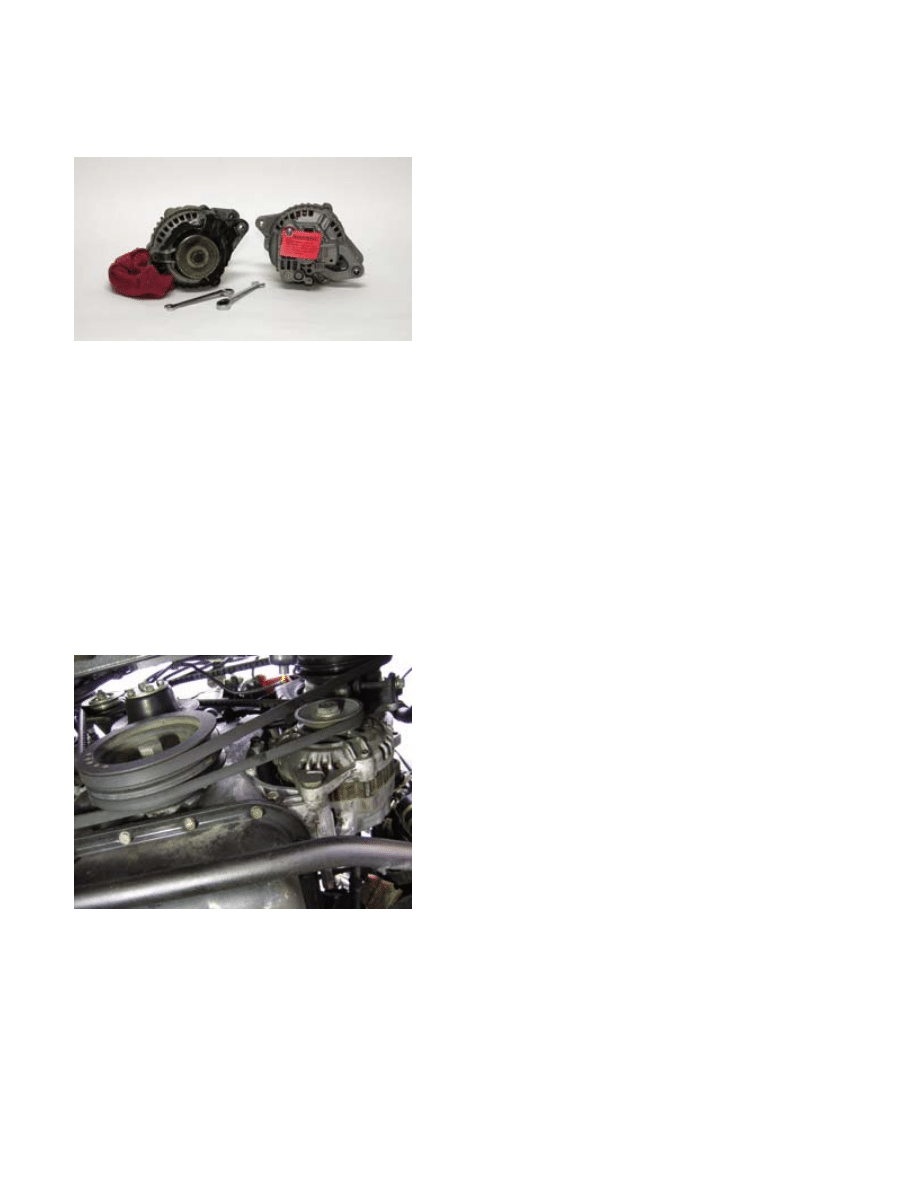
Step 5: Compare the old and new alternators to make sure everything is the same. Transfer any connectors
or bolts from the old to the new.
Auto Alternator Check and Replacement
http://www.extremehowto.com/xh/printpage.asp?article_id=60367
4 of 5
17/09/2006 11:12 AM
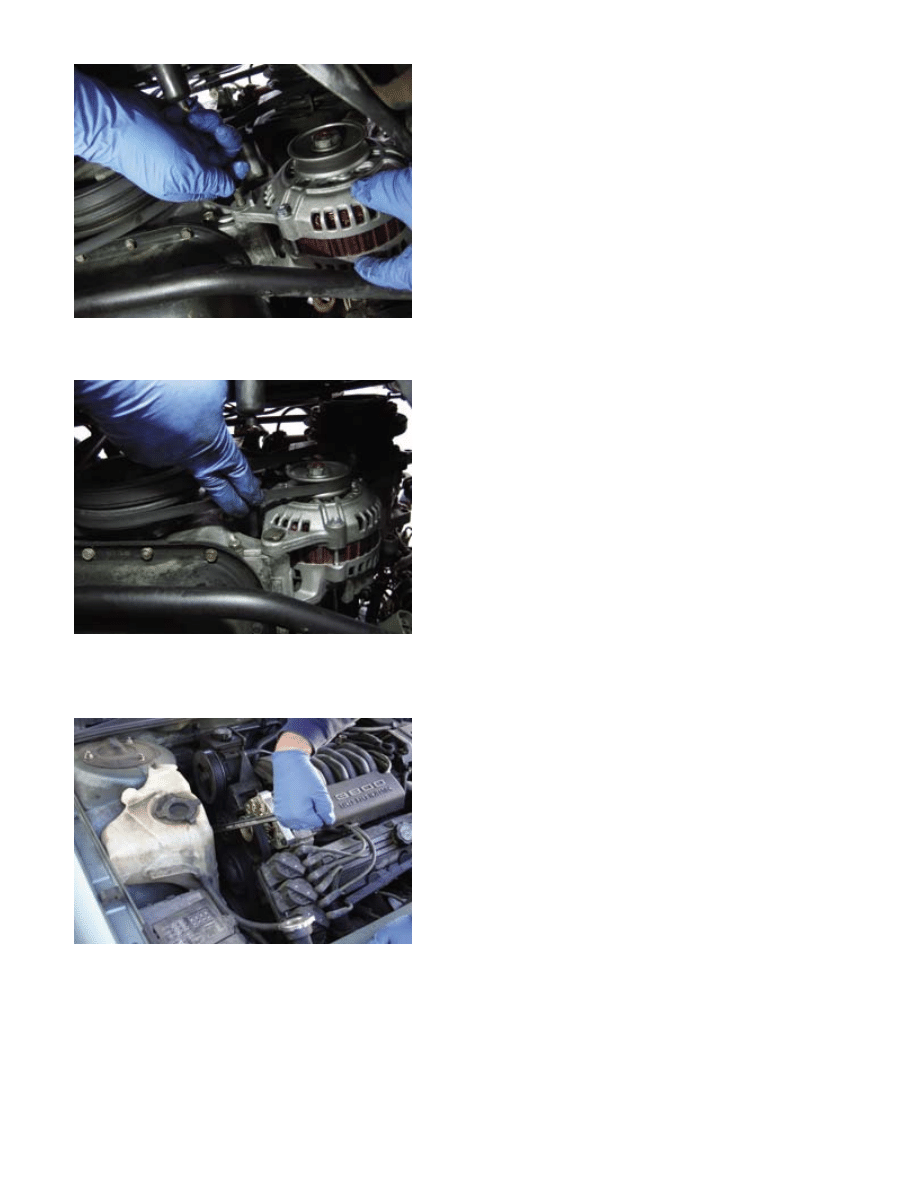
Step 6: Reverse the removal procedure and install the new alternator.
Step 7: Check belt tension. A little under an inch of deflection is ideal. Too much tension will quickly
destroy bearings. Better a slightly loose belt than one too tight.
Step 8: On this vehicle, the alternator and the engine-driven accessories rely on one serpentine belt. A
spring-loaded tensioner holds the belt in place. Slack allows the belt and the alternator to be removed.
Auto Alternator Check and Replacement
http://www.extremehowto.com/xh/printpage.asp?article_id=60367
5 of 5
17/09/2006 11:12 AM
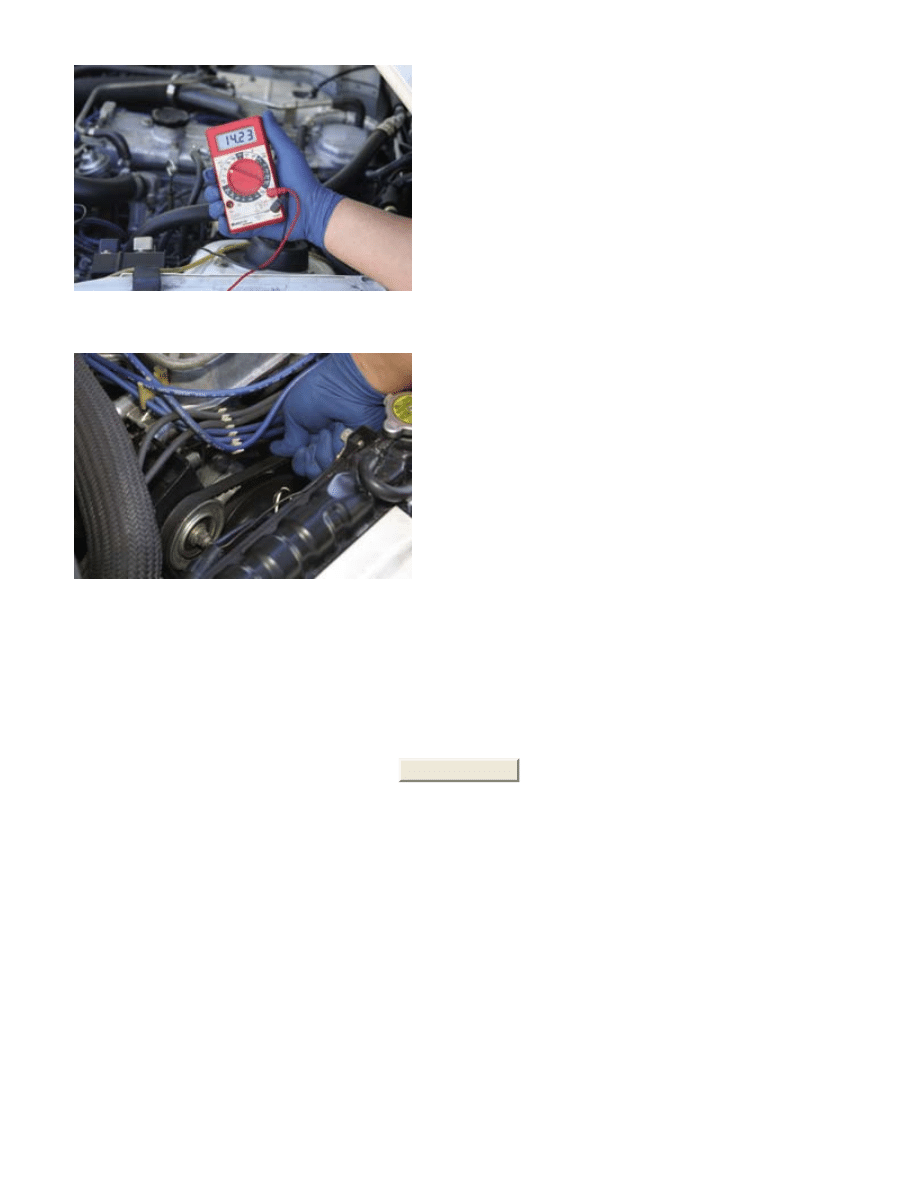
Step 9: Start the vehicle and check alternator output with a multimeter.
Step 10: Re-check belt tension after about 500 miles. Adjust tension if required.
Close Window
Wyszukiwarka
Podobne podstrony:
SHSBC057 SEC CHECK AND WITHHOLDS
Procedure to remove and replace 12v battery2
Grittier Alternate Rules and Options
Samurai Distributer Oil Leaks Telling how to check and fix a leaky distributer on a SJ413
Kto,blokuje tą wiedzę Antenna To Replace?tteries And Provide Unlimited Free Energy For Electric?rs
Check Your Vocabulary for Phrasal Verbs and Idioms
Check your Vocabulary for Banking and Finance
Advantages and disadvantages of alternative medicine
Turtledove, Harry Alternate Generals II Advance and Retreat
Homemade Cleaners Quick and Easy, Toxin Free Recipes to Replace Your Kitchen Cleaner, Bathroom Disin
alternator replacement with wiring diagrhams
Check Your English Vocabulary for Business and Administration
1550 Check spark plugs, replace if necessary
British Patent 19,426 Improvements in the Construction and Mode of Operating Alternating Current Mot
Canadian Patent 33,317 Improvements in Methods and Apparatus for Converting Alternating into Direct
Alternative Energy Technologies, Solar and Wind Power Systems
Check Your English Vocabulary for Business and Administration 2
A dynamic model for solid oxide fuel cell system and analyzing of its performance for direct current
więcej podobnych podstron