
Michail Zolotov, Candidate of science, professor
Kharkiv National Academy of Municipal Economy, Ukraine
Katerina Zhdanyuk, postgraduate student
Kharkiv National Academy of Municipal Economy, Ukraine
Valeriy Zhdanyuk, Doctor of science, professor
Kharkiv National Automobile and Highway University, Ukraine
THE INFLUENCE OF TECHNOLOGICAL FACTORS ON BRIDGE
DECK WATERPROOFING WHEN LAYING HOT ASPHALT
CONCRETE PROTECTIVE AND WEARING COURSES
Summary
The paper covers the influence of technological factors on bridge deck waterproofing when
laying hot asphalt concrete protective and wearing courses. The influence of crushed stone
content in mineral part of hot asphalt mixes, value of compaction loading and asphalt mix
temperature on the watertightness parameter of roll polymer modified bituminous
waterproofing material has been determined. The technique of samples preparation for the
determination of watertightness, simulating influence of technological factors on
waterproofing material under hot asphalt concrete protective or wearing course has been
developed. The parameter of watertightness is recommended for use as a selection criterion of
waterproofing materials for bridge and overbridge decks waterproofing protection.

1. Introduction
The majority of highway bridge decks waterproofing technologies include application
of polymer modified bituminous membranes or mastics. Laying of concrete protective layer
prior to the asphalt concrete wearing courses is generally provided for waterproofing
protection. Disadvantages of this design are the increase of superstructure dead load and
operation period prolongation. The technology of bridge deck waterproofing, using specified
waterproofing materials, omitting the stage of concrete protective layer placing has been
spreading throughout Ukraine. According to the specified technology hot (or mastic) asphalt
mix is laid directly on the waterproofing layer [1]. However, the influence of such
technological factors as high temperature (140-160
0
С) (in case of mastic asphalt mix laying it
can run to 250
0
С) and compaction load (30-40MPa) on the layer of waterproofing material
occurs when laying and compacting hot asphalt mix.
As a measure of high service temperatures influence on waterproofing materials
designed for roofing the parameter of their heat resistance is traditionally employed. For this
purpose manufacturers of waterproofing materials more often use method involving
determination of ultimate temperature causing no visual damage (no blisters on the surface
and coating displacement) to the sample vertically hung for a certain period [2]. As a rule, the
magnitude of high service temperatures gained by waterproofing material in pavement on
bridge and overbridge decks does not exceed 70 to 80
0
С. Practically all roll waterproofing
materials recommended for waterproofing protection of bridge decks are characterized by
much higher magnitude of heat resistance index. However, the temperature of waterproofing
material can be twice as high values when putting hot asphalt concrete protective layer over
waterproofing material. High temperature of asphalt mix results in softening of waterproofing
material coating, which is absorbed by asphalt concrete layer due to compaction loading,
making waterproofing material thinner. Thereby, the reduction in waterproofing material
thickness makes it more susceptible to damage by crushed stone grains, comprising asphalt
concrete mix, under its compaction.
The lack of any other external factors, except temperature, which could influence the
state of waterproofing material, proves the imperfection of the method [1]. Besides, the
influence of high temperature, provided that the sample is vertically located, is not typical for
waterproofing materials designed for highway bridge decks waterproofing. The specified
method can serve for the evaluation of heat resistance of roofing materials only.
Development of method of heat resistance determination of waterproofing materials,
designed for highway bridge decks waterproofing, which could take into consideration
simultaneous influence of high technological temperatures, occurring when laying hot asphalt
mixes directly on the layer of waterproofing material, and value of compaction load is of
considerable importance.
2. Materials and procedures
Reinforced roll waterproofing material POLYFLEX HP 25 5 mm thick was taken for
the research. Waterproofing material POLYFLEX HP 25 is produced on the basis of polymer
modified bituminous composition, modified with atactic polypropylene (APP) and filled with
fine mineral filler. The material is reinforced with non-woven spunbond polyester fabric,
located in upper zone of the material. Properties of the waterproofing material are detailed in
Table 1.
In order to evaluate the influence of high temperature of hot asphalt mix, when placing
protective layer, values of compaction load and asphalt mix type on roll polymer modified
bituminous material the authors have developed special technique. According to the technique
the impact measure of the factors is index of waterproofing material watertightness.
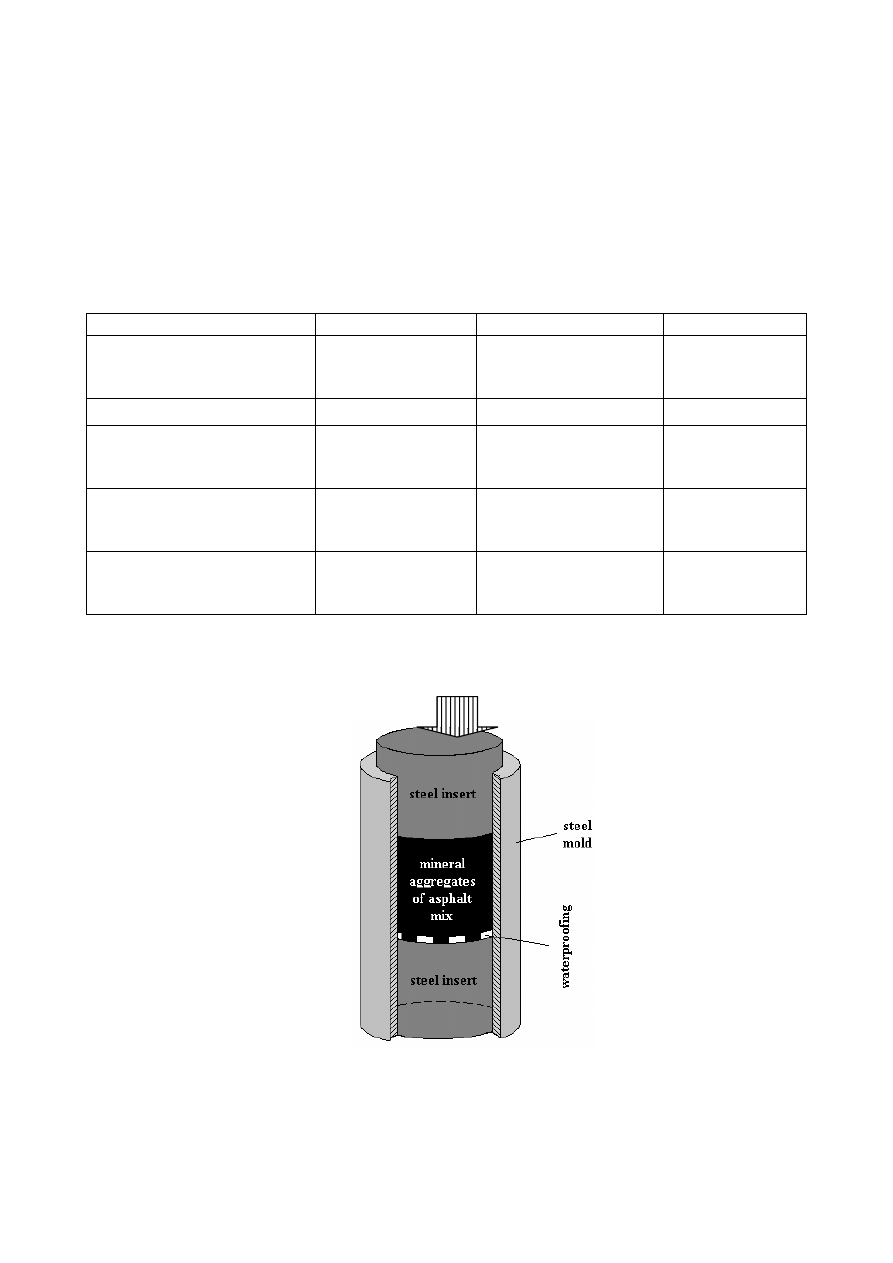
To estimate watertightness sample of waterproofing material 70 mm in diameter is laid
on steel cylinder insert located in special mould. The sample is covered with mineral
aggregates of asphalt mix preheated to temperature of asphalt mix laying and loaded by
another steel insert. Compaction load is then applied to mineral material via steel insert.
Table 1 – Properties of polymer modified bituminous waterproofing material
POLYFLEX HP 25 according to the manufacturer’s data (Polyglass s.p.a.)
Technical features
Nominal values
Technical features
Nominal values
Length
Width
10 m
1 m
Tearing resistance:
- longitudinal
- transversal
170 N
180 N
Thickness
5 mm
Cold flexibility
-10
°C
Weight
4,8
kg/mq
Dimensional stability:
- longitudinal
- transversal
-0,4 %
0,3 %
Tensile strength:
- longitudinal (max. charge)
- transversal (max. charge)
1000
N/50 mm
800
N/50 mm
Heat resistance
120
°C
Elongation at break:
- longitudinal
- transversal
50 %
50 %
Water tightness
≥60 kPa
Compaction of mineral aggregates was performed at loading of 20, 30 and 40 MPa during 3
minutes. Schematic of sample preparation is shown in Fig. 1.
Fig. 1 – Schematic of sample preparation
Laying and compaction of mineral aggregates of type “А”, “Б”, “В” and “Г” asphalt
mixes as well as stone mastic asphalt preheated to 120, 140 and 160
0
С was carried out for the
estimation of watertightness of waterproofing material. The specified asphalt mix types differ
in crushed stone grains content.
3. Results
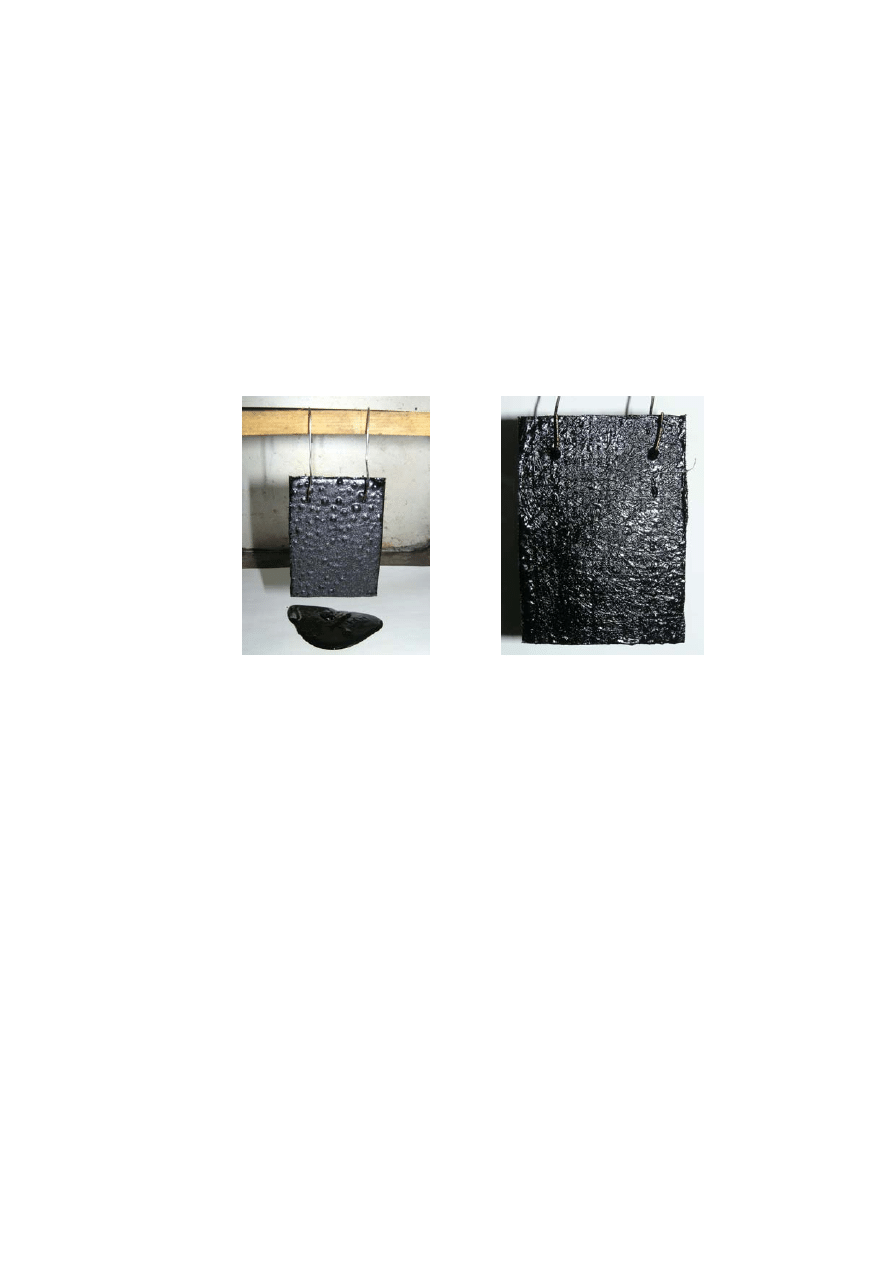
Results of heat resistance determination of roll waterproofing material POLYFLEX
HP 25 by means of technique [1] indicate (Fig.2) that being conditioned at 160
0
С coating on
the underside of waterproofing material softens and completely flows from vertically
positioned sample. At the specified temperature coating on the upper surface of the material
was covered with blisters. Data obtained confirmed the fact that specified technique does not
model real performance conditions of waterproofing material under service conditions on
bridges and cannot bу applied for evaluation of technological heat resistance of waterproofing
materials when laying hot asphalt pavement directly on them.
1 2
Fig. 2 – View of waterproofing material sample after 30 minutes of its conditioning in
oven at 160
0
С (1 – upper side, 2 – underside)
In Fig. 3 is shown general view of waterproofing material surface prepared according
to the technique proposed by authors for determination of watertightness. Fig. 3 demonstrates
damage of the surface in form of punctures. Evaluation of damage level of roll waterproofing
material by crushed stone grains, constituting a part of mineral aggregates of asphalt mixes,
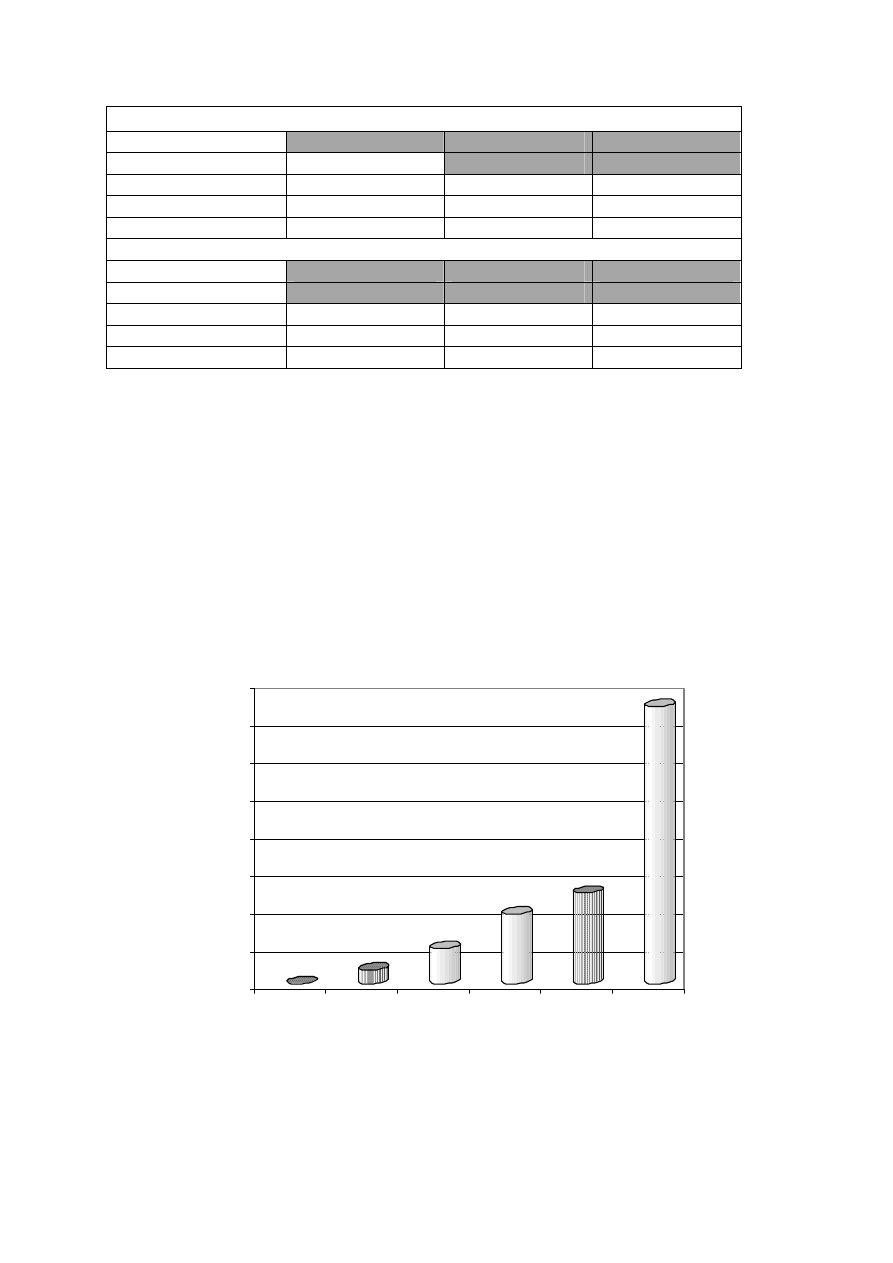
was performed by determination of its watertightness index under hydrostatic pressure (0.001
MPa). For this purpose graduated glass cylinder was placed on the surface of the sample
obtained from the side of waterproofing material. Glass cylinder was filled with water at
(20±5)
0
С at the amount necessary to create hydrostatic pressure of 0.001 MPa (Fig. 4).
Parameter of waterproofing material watertightness was estimated by change of water level in
cylinder within 24 hours. The sample was considered watertight if water level in cylinder
after 24 hours did not change.
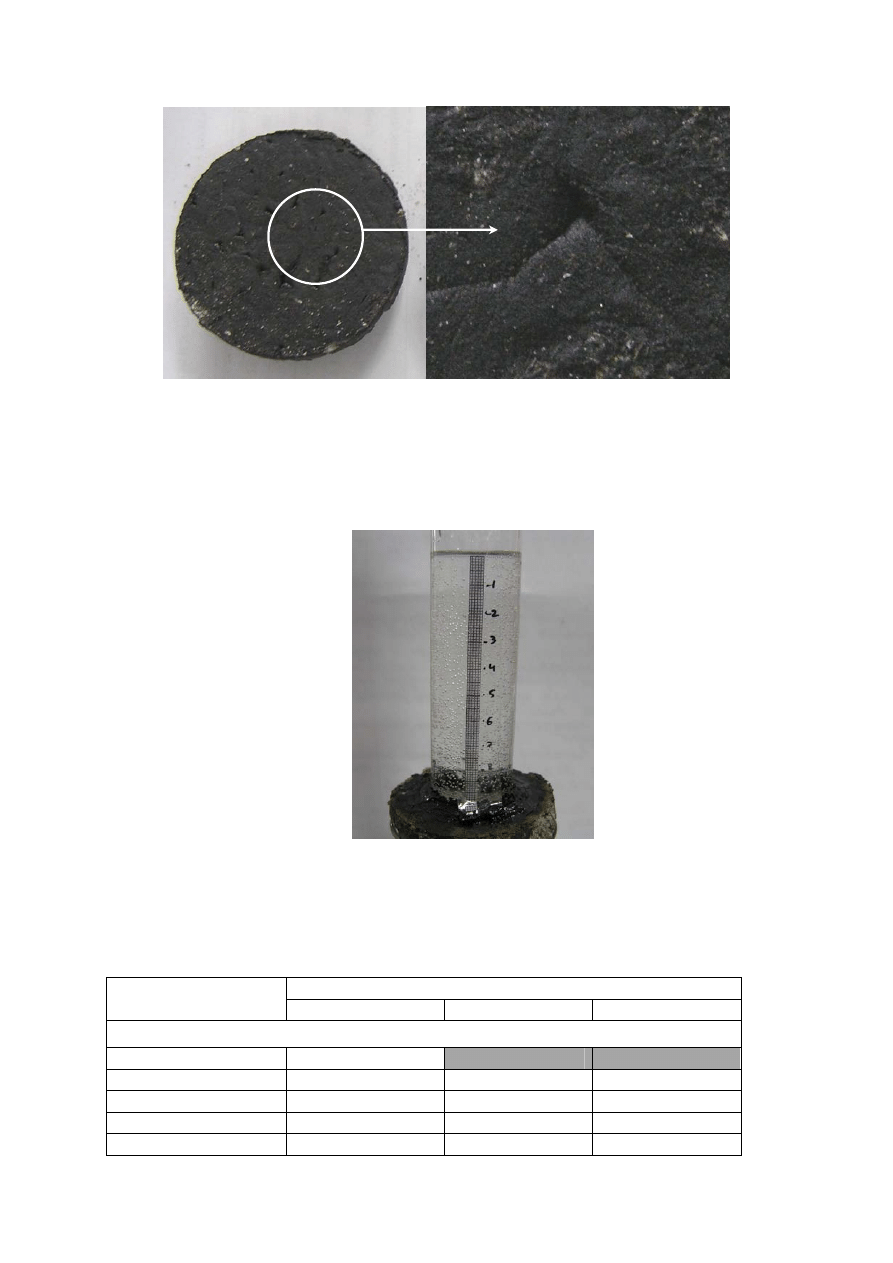
Fig. 3 – View of underside of waterproofing material samples after application and
compaction of SMA mineral aggregates at 140
0
С
Research results of influence of compaction load, temperature of mineral aggregates of
asphalt mixes of different grading types on watertightness of roll waterproofing material
under consideration are shown in Table 2.
Fig. 4 – Determination of waterproofing material watertightness under hydrostatic pressure of
0.001 MPa
Table 2 – Watertightness of roll polymer modified bituminous waterproofing material after
24 hours of hydrostatic pressure of 0.001 MPa
Compaction load, MPa
Type of asphalt mix
20
30
40
Compaction temperature 120
0
С
SMA
+
-
-
“А”
+
+
+
“Б”
+
+
+
“В”
+
+
+
“Г”
+
+
+
Compaction temperature 140
0
С
SMA
-
-
-
“А”
+
-
-
“Б”
+
+
+
“В”
+
+
+
“Г”
+
+
+
Compaction temperature 160
0
С
SMA
-
-
-
“А”
-
-
-
“Б”
+
+
+
“В”
+
+
+
“Г”
+
+
+
Note: grey colour shows samples that have not passed the test, white – those samples
that have passed the test
Data presented in Table 2 indicate that enhancement of compaction load from 20 to 40
MPa and mix temperature from 120 to 160
0
С results in failure of waterproofing material by
watertightness parameter in case of application of mixes other than type “Б”, “В” and “Г”.
When laying stone mastic asphalt mix on waterproofing material the damage of waterproofing
material at all specified temperatures and practically all values of compaction load is
observed. When using fine-aggregate type A mixes damage of the waterproofing material at
140 and 160
0
С and loss of watertightness has been detected. Reduction of the specified mix
temperature to 120
0
С provides preservation of waterproofing material watertightness.
Research results illustrated in Fig. 5 show that after only 2 hours of water action
waterproofing material loses its watertightness. The amount of water leaking through
waterproofing material increases with compaction loading increase.
0
1,76
4,59
9,18
12,0
36,72
0
5
10
15
20
25
30
35
40
W
at
er
l
ea
k
ag
e,
m
l/
cm
2
1
2
3
4
5
6
Fig. 5 – Dependence of water leakage parameter through waterproofing material after 120
minutes of 0.001 MPa water pressure after laying of mineral aggregates of type “A” asphalt
mix (dark columns) and SMA (light columns) at 140
0
С from the magnitude of compaction
load (1 – 20 MPa, 2 – 30 MPa, 3 – 20 MPa, 4 – 30 MPa, 5 – 40 MPa, 6 – 40 MPa)
0
0
0
12,0
36,72
0
5
10
15
20
25
30
35
40
W
at
er
l
ea
k
ag
e,
m
l/
cm
2
1
2
3
4
5
Fig. 6 – Dependence of water leakage parameter through waterproofing material after 120 minutes
of 0.001 MPa water pressure after laying of mineral aggregates of asphalt mix at 40 MPa
compaction load and 140
0
С from crushed stone grains content in asphalt mix (1 – 5 %, 2 – 27 %,
3 – 36 %, 4 – 47 %, 5 – 70 %)
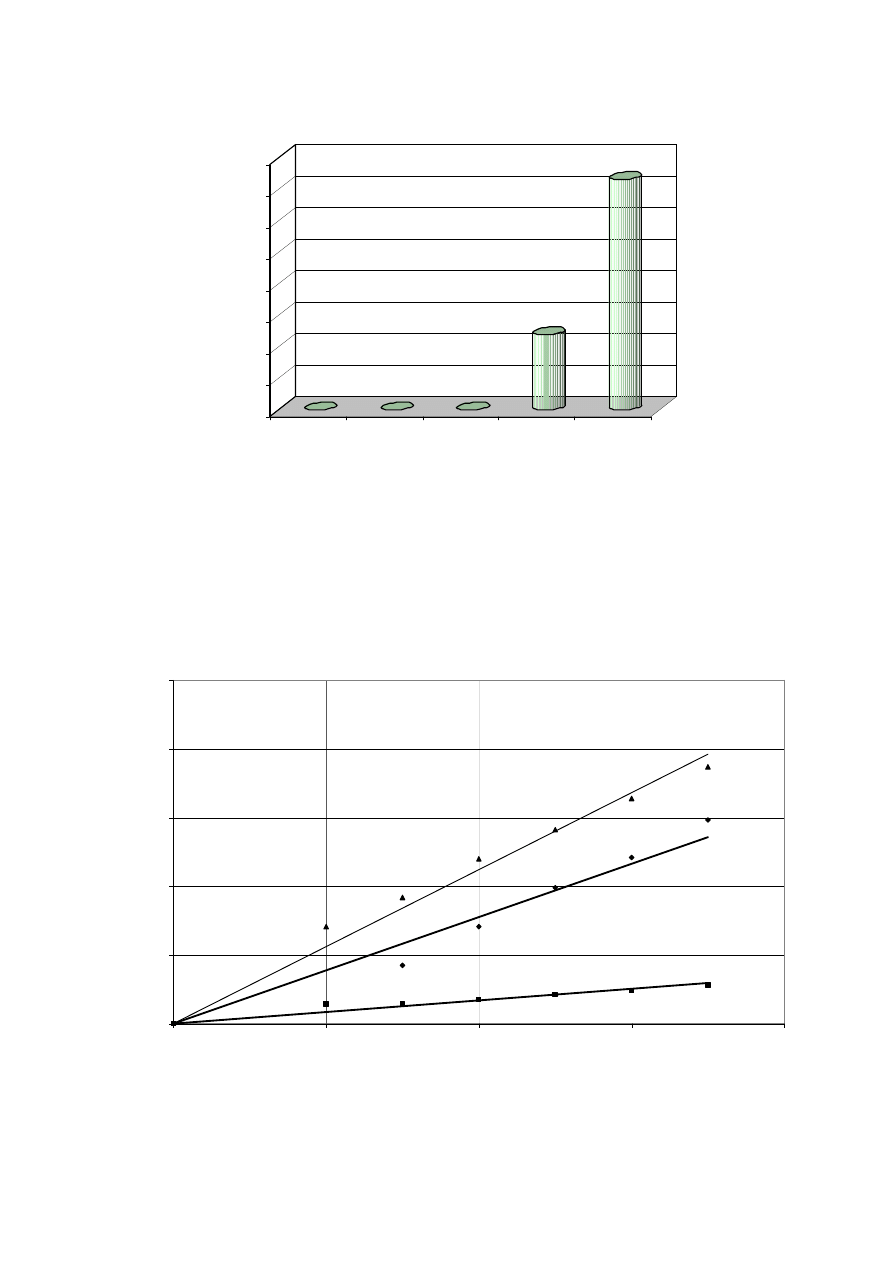
Increase of crushed stone content in mineral part of asphalt mix results in increase of
waterproofing material permeability (Fig. 6). Using type “A” asphalt mix as an example (Fig.
7) it is shown that water volume leaking through waterproofing material increases with time.
As this takes place, water volume that leaked through waterproofing material increases with
the increase of mix temperature and compaction loading.
0
5
10
15
20
25
0
60
120
180
240
Time, minutes
W
a
te
r
le
a
k
a
g
e,
m
l/
cm
2
2
3
1
Fig. 7 – Dependence of water leakage parameter under 0.001 MPa water pressure through roll
waterproofing material from temperature and magnitude of compaction load (type “A” mix):
1 – 140
0
C and 40 MPa; 2 – 160
0
C and 20 MPa; 3 – 140
0
C and 30 MPa

4. Conclusions
The influence of crushed stone content in mineral part of hot asphalt mixes, value of
compaction loading and asphalt mix temperature on the watertightness parameter of roll
polymer modified bituminous waterproofing material POLYFLEX HP 25 has been
determined. Asphalt mixes with crushed stone content up to 40 % (by weight) do not damage
the waterproofing material when compacting mix at 40 MPa loading at technological laying
temperatures. The increase of crushed stone content in mix, asphalt mix temperature and
compaction load value contributes to the increase in water permeability of roll reinforced
polymer modified bituminous waterproofing material. It is due to the integrity loss of both
reinforcement and waterproofing material coating. As a result of aggregate high temperature
and influence of compaction load coating loses its heat resistance, passes through reinforcing
layer and is absorbed by the layer of hot aggregate. It makes waterproofing material thinner
and more susceptible to hydrostatic pressure.
The technique of samples preparation for the determination of watertightness, more
closely simulates influence of technological factors on waterproofing material under hot
asphalt concrete protective or wearing course. The parameter can be used as a criterion for
selection of waterproofing material for bridge and overbridge decks waterproofing protection.
References
1.
ВБН В.2.3-218-197:2005 Споруди транспорту. Проектування та влаштування
гідроізоляції залізобетонних мостових споруд.
2.
ДСТУ Б В.2.7-83-99. Матеріали рулонні покрівельні та гідроізоляційні. Методи
випробувань. – Київ, 1999.
Wyszukiwarka
Podobne podstrony:
zhdanyuk, govorucha, gnativ, ivzhenko
zhdanyuk, kijashko, gustelev
dikoe zoloto
koncepcija zolotogo milliarda i novyj mirovoj porjadok
sinee na zolotom
ulybka zolotogo boga
Brukner Zolotoy faraon 449029
Krete Povsednevnaya zhizn Kalifornii vo vremena Zolotoy Lihoradki 202581
pushkin aleksandr skazka o zolotom petushke
Chernyshov Drevniy Rim mechta o zolotom veke 382759
Zolototrubov Kuznecov Opalnyy admiral 438029
Ivanov zoloto bunta
zolotoj treugolnik
vitim zolotoj
zoloto partii istoricheskaja hronika
Kozlovskiy Zolotaya kniga 1 Kod Zolotoy knigi 256001
więcej podobnych podstron