
1
1
2
Isolation of essential oil from different plants and herbs
3
by supercritical fluid extraction
4
5
6
7
Tiziana Fornari*, Gonzalo Vicente, Erika Vázquez, Mónica R. García-
8
Risco, Guillermo Reglero
9
10
11
12
Instituto de Investigación en Ciencias de la Alimentación CIAL (CSIC-UAM).
13
CEI UAM+CSIC. C/Nicolás Cabrera 9, Universidad Autónoma de Madrid,
14
28049 Madrid, España.
15
16
17
18
19
* Corresponding author: Instituto de Investigación en Ciencias de la Alimentación CIAL
20
(CSIC-UAM). C/ Nicolás Cabrera 9. Universidad Autónoma de Madrid. 28049, Madrid,
21
Spain Tel: +34661514186. E-mail address:
22
23
*Manuscript

2
Abstract
24
Supercritical fluid extraction (SFE) is an innovative, clean and environmental friendly
25
technology with particular interest for the extraction of essential oil from plants and herbs.
26
Supercritical CO
2
is selective, there is no associated waste treatment of a toxic solvent, and
27
extraction times are moderate. Further supercritical extracts were often recognized of superior
28
quality when compared with those produced by hydro-distillation or liquid-solid extraction.
29
This review provides a comprehensive and updated discussion of the developments and
30
applications of SFE in the isolation of essential oils from plant matrices. SFE is normally
31
performed with pure CO
2
or using a cosolvent; fractionation of the extract is commonly
32
accomplished in order to isolate the volatile oil compounds from other co-extracted
33
substances. In this review the effect of pressure, temperature and cosolvent on the extraction
34
and fractionation procedure is discussed. Additionally, a comparison of the extraction yield
35
and composition of the essential oil of several plants and herbs from Lamiaceae family,
36
namely oregano, sage, thyme, rosemary, basil, marjoram and marigold, which were produced
37
in our supercritical pilot-plant device, is presented and discussed.
38
39
40
41
42
43
44
45
Keywords: supercritical extraction; carbon dioxide; essential oil; Lamiaceae plants;
46
bioactive ingredients.
47
48

3
Contents
49
1. Introduction
50
2. The essential oil of plants and herbs
51
3. Supercritical fluid extraction (SFE) of essential oils
52
3.1 Effect of matrix pre-treatment and packing
53
3.2 Effect of extraction conditions
54
3.3 Fractionation alternatives
55
3.4 Ultrasound assisted SFE
56
4. Supercritical chromatography fractionation of essential oils
57
5. Comparison of the SFE extraction of essential oil from different plant matrix
58
59

4
1. Introduction
60
Essential oils extracted from a wide variety of plants and herbs have been traditionally
61
employed in the manufacture of foodstuffs, cosmetics, cleaning products, fragrances,
62
herbicides and insecticides. Further, several of these plants have been used in traditional
63
medicine since ancient times as digestives, diuretics, expectorants, sedatives, etc., and are
64
actually available in the market as infusions, tablets and/or extracts.
65
Essential oils are also popular nowadays due to aromatherapy, a branch of alternative
66
medicine that claims that essential oils and other aromatic compounds have curative effects.
67
Moreover, in the last decades, scientific studies have related many biological properties
68
(antioxidant, anti-inflammatory, antiviral, antibacterial, stimulators of central nervous system,
69
etc.) of several plants and herbs, to some of the compounds present in the essential oil of the
70
vegetal cells [1-5]. For example, valerenic acid, a sesquiterpenoid compound, and its
71
derivatives (acetoxyvalerenic acid, hydroxyvalerenic acid, valeranone, valerenal) of valerian
72
extract are recognized as relaxant and sedative; lavender extract is used as antiseptic and anti-
73
inflammatory for skin care; menthol is derived from mint and is used in inhalers, pills or
74
ointments to treat nasal congestion; thymol, the major component of thyme essential oil is
75
known for its antimicrobial activity; limonene and eucalyptol appear to be specifically
76
involved in protecting the lung tissue. Therefore, essential oils have become a target for the
77
recovery of natural bioactive substances. For example, nearly 4000 articles in which
78
“essential oil” or “volatile oil” appears as keyword were published in the literature since year
79
2000 up today (
); around 3000 also include the word “bioactive” or
80
“bioactivity” in the article text.
81
Essential oils are composed by lipophilic substances, containing the volatile aroma
82
components of the vegetal matter, which are also involved in the defense mechanisms of the
83
plants. The essential oil represent a small fraction of plant composition, and is comprised
84
mainly by monoterpenes and sesquiterpenes, and their oxygenated derivatives such as
85
alcohols, aldehydes, ketones, acids, phenols, ethers, esters, etc. The amount of a particular
86
substance in the essential oil composition varies from really high proportions (e.g. around 80-
87
90 %w/w of δ-limonene is present in orange essential oil) to traces. Nevertheless,
88
components present in traces are also important, since all of them are responsible for the
89
characteristic natural odor and flavor. Thus, it is important that the extraction procedure
90
applied to recover essential oils from plant matrix can maintain the natural proportion of its
91
original components [6].
92

5
New effective technological approaches to extract and isolate these substances from raw
93
materials are gaining much attention in the research and development field. Traditional
94
approaches to recover essential oil from plant matrix include steam- and hydro-distillation,
95
and liquid-solvent extraction. One of the disadvantages of steam-distillation and hydro-
96
distillation methods is related with the thermolability of the essential oil constituents, which
97
undergo chemical alteration due to the effect of the high temperatures applied (around the
98
normal boiling temperature of water). Therefore, the quality of the essential oil extracted is
99
extremely damaged [6].
100
On the other side, the lipophilic character of essential oils requires solvents such as paraffinic
101
fractions (pentane and hexane) to attain an adequate selectivity of the extraction. Further,
102
liquid solvents should have low boiling points, in order to be easily separated from the extract
103
and re-utilized. In this sense, the main drawback is the occurrence of organic toxic residues in
104
the extracted product.
105
Among innovative process technologies, supercritical fluid extraction (SFE) is indeed the
106
most widely studied application. In practice, SFE is performed generally using carbon
107
dioxide (CO
2
) for several practical reasons: CO
2
has moderately low critical pressure (74 bar)
108
and temperature (32
C), is non-toxic, non-flammable, available in high purity at relatively
109
low cost, and is easily removed from the extract. Supercritical CO
2
has a polarity similar to
110
liquid pentane and thus, is suitable for extraction of lipophilic compounds. Thus, taking into
111
account the lipophilic characteristic of plant essential oils, it is obvious that SFE using CO
2
112
emerged as a suitable environmentally benign alternative to the manufacture of essential oil
113
products.
114
The commercial production of supercritical plant extracts has received increasing interest in
115
recent decades and has brought a wide variety of products that are actually in the market. As
116
mentioned before, supercritical plant extracts are being intensively investigated as potential
117
sources of natural functional ingredients due to their favorable effects on diverse human
118
diseases, with the consequent application in the production of novel functional foods,
119
nutraceuticals and pharmacy products. The reader is referred to several recent works [7-10] in
120
which is reviewed the supercritical extraction and fractionation of different type of natural
121
matter to produce bioactive substances. The general agreement is that supercritical extracts
122
proved to be of superior quality, i.e. better functional activity, in comparison with extracts
123
produced by hydro-distillation or using liquid solvents [11-14]. For example, Vági et al. [11]
124
compared the extracts produced from the extraction of marjoram (Origanum maorana L.)
125

6
using supercritical CO
2
(50ºC and 45 MPa) and ethanol Soxhlet extraction. Extraction yields
126
were, respectively, 3.8 and 9.1%. Nevertheless, the supercritical extract comprised 21% of
127
essential oil, while the alcoholic extract contained only 9% of the volatile oil substances.
128
Furthermore, studies related with the antibacterial and antifungal properties of the extract
129
revealed better activity for the supercritical product. Another example of improved biological
130
activity exhibit by supercritical extracts was reported by Glisic et al. [14], demonstrating that
131
supercritical carrot essential oil was much more effective against Bacillus cereus than that
132
obtained by hydro-distillation.
133
Indeed, numerous variables have singular effect on the supercritical extraction and
134
fractionation process. Extraction conditions, such as pressure and temperature, type and
135
amount of cosolvent, extraction time, plant location and harvesting time, part of the plant
136
employed, pre-treatment, greatly affect not only yield but also the composition of the
137
extracted material.
138
Knowledge of the solubility of essential oil compounds in supercritical CO
2
is of course
139
necessary, in order to establish favorable extraction conditions. In this respect, several studies
140
have been reported [15-18]. Nevertheless, when the initial solute concentration in the plant is
141
low, as is the case of essential oils, mass transfer resistance can avoid that equilibrium
142
conditions are attained. Therefore, pretreatment of the plant become crucial to break cells,
143
enhancing solvent contact, and facilitating the extraction. In fact, moderate pressures (9-12
144
MPa) and temperatures (35-50
C) are sufficient to solubilize the essential oil compounds [15-
145
18]. Yet, in some cases, higher pressures are applied to contribute to the rupture of the
146
vegetal cells and the liberation of the essential oil. However, other substances such as
147
cuticular waxes are co-extracted and thus, on-line fractionation can be applied to attain the
148
separation of the essential oil from waxes and also other co-extracted substances.
149
In this review, on the basis of data reported in the literature and own experience, a detailed
150
and thorough analysis of the supercritical extraction and fractionation of plants and herbs to
151
produce essential oils is presented. Furthermore, the supercritical CO
2
extraction of several
152
plants (oregano, sage, thyme, rosemary, basil, marjoram and marigold) from Lamiaceae
153
family was accomplished in our supercritical pilot-plant at 30 MPa and 40
C. High CO
2
154
density was applied in order to ensure a complete extraction of the essential oil compounds.
155
Then, on-line fractionation in a cascade decompression system comprising two separators
156
was employed to isolate de essential oil fraction. Yield and essential oil composition was
157
determined and compared.
158

7
159
2. The essential oil of plants and herbs
160
Essential oils could be obtained from roots and rhizomes (such as ginger), leaves (mint,
161
oregano and eucalyptus), bark and branches (cinnamon, camphor), flowers (jasmine, rose,
162
violet and lavender) and fruits and seeds (orange, lemon, pepper, nutmeg). In general,
163
essential oil represents less than 5% of the vegetal dry matter. Although all parts of the plant
164
may contain essential oils; their composition may vary with the part of the plant employed as
165
raw material. Other factors such as cultivation, soil and climatic conditions, harvesting time,
166
etc. can also determine the composition and quality of the essential oil [19, 20]. For example,
167
Celiktas et al. [21] studied different sources of variability in the supercritical extraction of
168
rosemary leaves, including location (different cities of Turkey) and harvesting time
169
(December, March, June and September). They demonstrated that even applying the same
170
raw material pre-treatment and the same process conditions, extracts obtained from leaves
171
collected in different locations and harvesting times have rather different composition. For
172
example, the concentration of carnosic acid, one of the most abundant antioxidant substances
173
present in rosemary, varied from 0.5 to 11.6 % w/w in the extracts obtained from the different
174
samples of plant matrix. Furthermore, they observed that the plants harvested in September
175
had antioxidant capacities superior to those collected at other harvesting times. Of course,
176
geographical coordinates and local climate should be evaluated to consider this conclusion;
177
for example, high temperatures occur in September (average values around 25-29
C) in the
178
Turkish locations. Accordingly, Hidalgo et al. [22] reported that for rosemary plants
179
harvested from Cordoba (Spain), the carnosic acid content increased gradually during the
180
spring and peaked in the summer months.
181
The main compounds of plant essential oils are terpenes, which are also called isoprenes
182
since derived from isoprene (2-methyl-1,3-butadiene, chemical formula C
5
H
8
) (see Figure 1).
183
Main hydrocarbon terpenes present in plant essential oil are monoterpenes (C10), which may
184
constitute more than 80% of the essential oil, and sesquiterpenes (C15). They can present
185
acyclic structures, so as mono-, bi- or tricyclic structures (see Figure 2). Terpenoids are
186
derived from these hydrocarbons, for example by oxidation or just reorganization of the
187
hydrocarbon skeleton. Terpenoids present in essential oils comprise a wide variety of
188
chemical organic functions, such as alcohols, aldehydes, ketones, acids, phenols, ethers,
189
esters, etc.
190

8
The chemical structure of some popular essential oil compounds are depicted in Figure 2:
191
limonene, a cyclic hydrocarbon, and citral, an acyclic aldehyde, are main terpenes present in
192
citrus peel; menthol is a cyclic alcohol and the characteristic aroma compound of mint
193
(Mentha varieties); linalool is a acyclic alcohol that naturally occur in many flowers and spice
194
plants and has many commercial applications due to its pleasant fragrance; thymol and
195
carvacrol (positional isomers) are phenolic alcohols with strong antiseptic properties;
-
196
pinene, a bicyclic hydrocarbon, is found in the oils of many species of coniferous trees,
197
particularly the pine; sabinene, also a bicyclic hydrocarbon, is one of the chemical
198
compounds that contributes to the spiciness of black pepper and is a major constituent of
199
carrot seed oil; camphor is a bicyclic ketone present in abundance in camphor tree and in the
200
essential oil of several Lamiaceae plants, such as sage and rosemary; and valerenic acid is a
201
sesquiterpenoid constituent of the essential oil of the valerian (Valeriana officinalis) and is
202
thought to be at least partly responsible for the sedative effects of the plant.
203
In general, terpenes and terpenoids are chemically instable (due to the C=C bonds) and thus
204
molecules present different chemical reorganizations (isomerization). Further, substances
205
comprising essential oils have similar boiling points and are difficult to isolate. The normal
206
boiling point of terpenes varies from 150
C to 185
C; while the normal boiling point of
207
oxygenated derivatives is in the range 200-230
C. Extraction and fractionation of these
208
substances should be carried out at moderate temperatures, in order to prevent thermal
209
decomposition. In fact, this is the main drawback of steam- and hydro-distillation. Besides
210
the breakdown of thermally labile components, Chyau et al. [23] observed incomplete
211
extraction of the essential oil compounds of G. tenuifolia and promotion of hydration
212
reactions when steam-distillation is employed. Furthermore, the removal of water from the
213
product is usually necessary after steam- or hydro-distillation.
214
In general, terpenes contribute less than terpenoids to the flavor and aroma of the oil.
215
Additional, they are easily decomposed by light and heat, quickly oxidize and are insoluble in
216
water. Thus, the removal of terpenes from essential oil leads to a final product more stable
217
and soluble. In this respect, supercritical fluid fractionation in countercurrent packed columns
218
was employed to accomplish the deterpenation of essential oils [24-26].
219
For example, Benvenuti et al. [25] studied the extraction of terpenes from lemon essential oil
220
(terpenoids/terpene ratio = 0.08) using a semi-continuous single-stage device at 43
C and
221
8.0-8.5 MPa and developed a model (based in Peng-Robinson equation of state) to simulate
222
the process. Then, the model was applied to study the steady state multistage countercurrent
223

9
process and a terpenoids/terpene ratio around 0.33 (4-fold increase) was obtained in the
224
raffinate. A similar result (5-fold increase of terpenoids in raffinate) was obtained by
225
Espinosa et al. [26] in the simulation and optimization of orange peel oil deterpenation. The
226
low terpenoids/terpene ratio of the original essential oil requires high solvent flow and high
227
recycle flow rate in order to achieve moderate terpenoids concentration in the raffinates.
228
With respect to the solubility of essential oil compounds in supercritical CO
2
, it could be
229
stated in general that the solubility of hydrocarbon monoterpenes is higher than the solubility
230
of monoterpenoids. For example, the reported solubility of limonene at 9.6 MPa and 50
C is
231
2.9 % w/w; at the same pressure and temperature conditions the solubility of thymol and
232
camphor are, respectively, 0.9 and 1.6 % w/w [18]. Moreover, these values are considerably
233
higher than the solubility of other extractable compounds present in plants and herbs, such as
234
phenolic compounds, waxes, carotenoids and chlorophylls. As it is well-known phenolic
235
compounds present in plans constitute a special class of bioactive substances due to their
236
recognized antioxidant activity [27]. For example, Murga et al. [28, 29] reported that the
237
solubility of protocatechuic acid, methyl gallate and protocatechualdehyde (phenolic
238
compounds present in grapes) in pure supercritical CO
2
measured at different temperatures
239
(40-60
C) and pressures up to 50 MPa were lower than 0.02 % w/w. Furthermore, also low
240
solubilities were reported for carotenoids [30].
241
On the other side, the solubility of n-alkanes C24-C29 in supercritical CO
2
is in the range of
242
0.1-1 %w/w at rather low pressures (8-25 MPa) [31]. These values are quite close to the
243
solubility values referred above for several monoterpene compounds and thus, waxes are in
244
general the main substances co-extracted with essential oils. Thus, fractionation schemes are
245
target towards an efficient separation of essential oil constituents from high molecular weight
246
hydrocarbons and waxy esters.
247
Figure 3 compares the solubility in supercritical CO
2
of several substances, representing
248
different family of compounds present in vegetal natural matter. Solubilities are represented
249
as a function of pressure, for temperatures in the range 35-50
C. Particularly, the figure
250
shows the solubility of main monoterpenes of grape essential oil, namely
-pinene, limonene
251
and linalool; the solubility reported for some low molecular weight phenolic compounds
252
(protocatechuic acid, methyl gallate and p-cumaric acid) also present in grapes; and the
253
solubility of
-carotene and n-C28, as representatives, respectively, of pigments and waxy
254
compounds. As can be observed in Figure 3, the solubility of main constituents of essential
255
oil (monoterpenes) of grapes is considerably higher than the solubility of the phenolic
256

10
compounds present in grapes. That is, low extraction pressures would extract grape essential
257
oil but would not promote the extraction of its phenolic compounds. Further, pigments and
258
chlorophylls also require high solvent pressures to be readily extracted. But waxes solubilities
259
are quite close to monoterpene solubilities and thus, this type of compounds are readily co-
260
extracted when extraction pressure is somewhat increased.
261
Table 1 presents a list of several plants which have been subject of SFE to produce essential
262
oils. Also given in the table are the main compounds identified in the references cited in the
263
table. As can be observed, several plants from Lamiaceae family, namely oregano, thyme,
264
sage, rosemary, mint, basil, marjoram, etc. were focus of intensive study.
265
Among Origanum genus, oregano (Origanum vulgare) is an herbaceous plant native of the
266
Mediterranean regions, used as a medicinal plant with healthy properties like its powerful
267
antibacterial and antifungal properties [32, 33]. It has been recognized that the responsible of
268
these activities in oregano is the essential oil, which contains thymol and carvacrol as the
269
primary components [34]. In these compounds, Puertas-Mejia et al. [35] also found some
270
antioxidant activity. Also marjoram (Origanum maorana) essential oil, which represent
271
around 0.7-3.0% of plant matrix, was recognized to have antibacterial and antifungal
272
properties [36, 37]. Popularly, the plant was used as carminative, digestive, expectorant and
273
nasal decongestant. Main compounds identified in marjoram essential oil are cis-sabinene, 4-
274
terpineol, α-terpineol and γ-terpinene [11, 38-40].
275
Thymol and carvacrol isomers were also found in the essential oil of another Lamiaceae
276
plant, namely Thymus. The variety most studied is, indeed, Thymus vulgaris [41, 42]. Yet,
277
particularly attention is focused on Thymus zygis, a thyme variety widespread over Portugal
278
and Spain, which extract has proved to be useful for food flavoring [43] and in the
279
pharmaceutical [44, 45] and cosmetic industries [46].
280
Other Lamiaceae plants being intensively studied are the “Officinalis” ones (from Latin
281
meaning medicinal). Sage (Salvia officinalis) is a popular kitchen herb (preserves a variety of
282
foods such as meats and cheeses) and has been used in a variety of food preparations since
283
ancient times. Further, sage has a historical reputation for promotion of health and treatment
284
of diseases [47]. Modern day research has shown that sage essential oil can improve the
285
memory and has shown promise in the treatment of Alzheimer’s disease [48]. Main
286
constituents of sage essential oil are camphor and eucalyptol (1,8 cineole). Depending on
287
harvesting, sage oil may contain high amounts of toxic substances, such us
- and
-thujone
288
[49, 50], which content is regulated in food and drink products. In the past few decades
289

11
however, sage has been the subject of an intensive study due to its phenolic antioxidant
290
components [51-53]. Although main studies related with rosemary (Rosmarinus officinalis)
291
extracts are related with its high content of antioxidant substances (mainly carnosic acid,
292
carnosol, and rosmarinic acid) [54-56], the essential oil of this plant contains high amounts of
293
eucalyptol and camphor, and is also recognized as an effective anti-bactericide [56-58].
294
Basil (Ocimum basilicum L.) is an aromatic plant also belonging to the group of Lamiaceae
295
family. It has been used in traditional medicine as digestive, diuretic, against gastrointestinal
296
problems, intestinal parasites, headaches, and even as a mild sedative due to its activity as
297
depressant of the central nervous system. Basil essential oil has been recognized to have
298
antiseptic and analgesic activity and thus, it has been used to treat eczema, warts and
299
inflammation [59]. Main monoterpenes present in basil essential oil are linalool, 1,8-cineole
300
and α-terpineol, and also sesquiterpenes such as α-bergamotene, epi-α-cadinol y α-cadinene
301
[60-65].
302
In the case of marigold (Calendula officinalis L.) the essential oil is mainly comprised in the
303
flower petals (0.1-0.4%). Traditionally it has been used externally to treat wounds or sores.
304
The essential oil contains monoterpenes, such as eugenol and γ-terpineno, and sesquiterpenes,
305
such as γ- and
-cadinene. Furthermore, marigold is highly regarded for the important content
306
of lutein [59].
307
308
3. Supercritical fluid extraction (SFE) of essential oils
309
A basic extraction scheme for SFE of solid materials is shown in Figure 4. The equipment
310
design implies a semi-continuous procedure. A continuous feeding and discharging of the
311
solid to obtain the continuous process was studied and developed [66] but design and
312
operation of this alternative is neither cheap nor simple and thus, in practice is not commonly
313
employed.
314
The central piece in the SFE device of Figure 4 is the extraction vessel (EV) charged with the
315
raw matter to be extracted. The raw matter (dried and grinded) is generally loaded in a basket,
316
located inside the extractor, and allows a fast charge and discharge of the extraction vessel.
317
The extraction vessel is commonly cylindrical; as a general rule the ratio between length and
318
diameter is recommended to be 5-7.
319
From the bottom of the extraction vessel the supercritical solvent is continuously loaded; at
320
the exit of the extractor the supercritical solvent with the solutes extracted flows through a
321

12
depressurization valve (V) to a separator (S1) in which, due to the lower pressure, the extracts
322
are separated from the gaseous solvent and collected. Some SFE devices contain two or more
323
separators, as is the case of the scheme shown in Figure 4. In this case, it is possible to
324
fractionate the extract in two or more fractions (on-line fractionation) by setting suitable
325
temperatures and pressures in the separators.
326
In the last separator of the cascade decompression system the solvent reaches the pressure of
327
the recirculation system (generally around 4-6 MPa). Then, after passing through a filter (F),
328
the gaseous solvent is liquefied (HE1) and stored in a supplier tank (ST). When the solvent is
329
withdrawn from this tank is pumped (P1) and then heated (HE2) up to the desired extraction
330
pressure and temperature. Before pumping, precooling of the solvent is generally required
331
(HE3) in order to avoid pump cavitation. If a cosolvent is employed an additional pump is
332
necessary (P2). Usually, the cosolvent is mixed with the solvent previously to introduction to
333
HE2 as is depicted in Figure 4.
334
3.1 Effect of matrix pretreatment and packing
335
The particular characteristics of the plant species is, indeed, a decisive factor in the
336
supercritical extraction kinetics. Recently, Fornari et al. [67] presented a comparison of the
337
kinetics of the supercritical CO
2
extraction of essential oil from leaves of different plant
338
matrix from Lamiaceae family. In their work, identical conditions of raw material
339
pretreatment, particle size, packing and extraction conditions (30 MPa, 40
C and no co-
340
solvent) were maintained. Figure 5 show a comparison between the global yields obtained for
341
the different raw materials as a function of extraction time. As can be deduced from the
342
figure, sage (Salvia officinalis) and oregano (Origanum vulgare) were completely extracted
343
in less than 2 h, while rosemary (Rosmarinus officinalis) and thyme (Thymus zygis) were not
344
completely exhausted after 4.5 h of extraction. Moreover, very similar kinetic behavior
345
resulted for sage and oregano, so as for thyme and rosemary. Considering the first period of
346
extraction (1.5 h) it was estimated a removal velocity of around 0.004 g extract / g CO
2
in the
347
case of sage and oregano, and almost half of this value in the case of rosemary and thyme.
348
With respect to the fractionation of the extracted material, a depressurization cascade system
349
comprised of two separators (similar to that depicted in Figure 4) was employed, and it was
350
observed that the performance is quite different considering the diverse plants studied. In the
351
case of oregano, the amount of material recovered in the second separator (S2) is almost half
352
the amount recovered in the first one (S1). Just the opposite behavior is detected for sage and
353

13
thyme, while in the case of rosemary extraction similar amounts of extract were recovered in
354
both S1 and S2. This distinct fractionation behavior observed should be attributed to the
355
different substances co-extracted with the essential oil compounds (extraction and
356
fractionation conditions were kept exactly the same), since the isoprenoid type compounds
357
were selectively recovered in S2 separator for the four plant materials studied [67]. GC-MS
358
analysis of the essential oil compounds present in S1 and S2 samples resulted that ca. 91, 78,
359
93 and 86% of the volatile oil compounds identified, respectively, in oregano, sage, thyme
360
and rosemary were recovered in S2 separator. A comparison of the content of some common
361
volatile oil compounds identified in oregano, sage and thyme was also given by Fornari et al.
362
[67] and is resumed in Table 2. The oregano/thyme and sage/thyme ratios given in Table 2
363
indicate that the content of 1,8 cineole and camphor in sage was at least 8 times higher than
364
in thyme. Further, oregano and thyme contain similar amounts of linalool, and around 15
365
times higher than sage. Sabinene,
-terpineol, carvacrol and caryophyllene were significantly
366
more abundant in oregano than in thyme or sage extracts [67].
367
Also the part of the plant employed as raw material is an important factor to be considered,
368
since may greatly affect the composition of the extracted essential oil. For example, Bakó et
369
al. [68] investigate the carotenoid composition of the steams, leaves, petals and pollens of
370
Calendula officinalis L. and concluded that in the petals and pollens, the main carotenoids
371
were flavoxanthin and auroxanthin while the stem and leaves mostly contained lutein and
-
372
carotene. Moreover, with respect to essential oil composition, minor qualitative and major
373
quantitative variations were determined with respect to the substances present in the different
374
parts of the plant. For example, Chalchat et al. [69] examined the chemical composition of
375
the essential oil produced by hydro-distillation of flowers, leaves and stems from basil
376
(Ocimum basilicum L.). They conclude that the essential oil obtained from flowers and leaves
377
contained more than 50-60% of estragole and around 15-20% of limonene, while only 16%
378
of estragole and 2.4% of limonene were present in the essential oil extracted from stems.
379
Furthermore, dillapiole was the main substance identified in stems (
50%) and very low
380
amounts of this compound were found in flowers and leaves.
381
Despite the lipophilic character of essential oil compounds, the water present in the vegetable
382
matrix may interfere in the solute-CO
2
interaction (particularly in the case of terpenoids
383
which are most polar than terpenoids) and produce a decrease of extraction yield. For this
384
reason, drying of the raw material is recommended.
385

14
Generally, the vegetable matrix should not have water content higher than 12%; the presence
386
of water can cause other undesirable effects such as formation of ice in pipelines due to the
387
rapid depressurization provoked to precipitate the solutes, hydrolysis of compounds, etc.
In
388
turn, it is obvious that drying may influence the content of volatile oil compounds. Oca et al.
389
[70] studied the influence of different drying processes on the essential oil composition of
390
rosemary supercritical extracts. Three different methods of drying were investigated: freeze-
391
drying, oven-drying and vacuum rotary evaporation. They conclude that the highest quantity
392
of rosemary essential oil was achieved when freeze-drying was utilized, due to the low
393
temperatures applied and thus, less aroma compounds were lost. Although rotary evaporation
394
was carried out at lower temperature (35
C) than oven-drying (45
C), the absence of light in
395
the second method produced less damage in the composition of rosemary essential oil.
396
Beyond the specific characteristics of the plant variety and the part of the plant employed for
397
extraction, cell disruption is a crucial factor in solvent extraction processes and thus, in SFE.
398
Essential oil compounds are found in intracellular spaces, more than on the surface of the
399
vegetal cell. Thus, in order to attain an adequate contact with the solvent, a pretreatment to
400
produce cell disruption (comminuting, grinding) is critical. Then, the efficiency of the
401
extraction process is improved by a decreasing of mass transfer resistance. Indeed, particle
402
size greatly affects process duration and both variables are interconnected with CO
2
flow rate.
403
The selection of these parameters has the target of producing the exhaustion of the desired
404
compounds in the shorter time.
405
Particle size plays an important role in SFE processes; if internal mass transfer resistances
406
could be reduced, the extraction is controlled by equilibrium conditions and thus, short
407
extraction times are required. For example, Aleksovsk and Sovová [49] proved that in the
408
SFE of sage leaves ground in small particles, the essential oil was easily accessible to the
409
supercritical CO
2
solvent at moderate conditions (9-13 MPa and 25-50
C) and the extraction
410
was controlled by phase equilibrium. The same readily SFE of sage was observed by Fornari
411
et al. [67] while a delayed kinetic (controlled by mass diffusion) was deduced for thyme and
412
rosemary supercritical extraction [67, 71] although the same grinding method, particle size
413
and packing procedure was applied for the three plants.
414
Decreasing particle size improves SFE rate and yield. For example, Damjanovic et al. [72]
415
reported that a decrease of fennel particles from 0.93 to 1.48 mm produced a significant
416
increase in the essential oil yield (from 2.15% to 4.2%). Moreover, very small particles could
417
result in low bed porosity (tight packing) and problems of channeling can arise inside the
418

15
extraction bed. Also, during grinding, the loss of volatile compounds could be produced. In
419
this respect, several authors have studied the effect of cooling during grinding [73, 74].
420
Almost 99% of input energy in grinding is dissipated as heat, rising the temperature of the
421
ground product. In spice grinding temperature rises to the extent of 42 - 93
C [75] and this
422
causes the loss of volatile oil and flavor constituents. The temperature rise of the vegetal
423
matter can be minimized to some extent by circulating cold air or water around the grinder.
424
But this technique is generally not enough to significantly reduce the temperature rise of the
425
solid matrix. The loss of volatiles can be significant reduced by the cryogenic grinding
426
technique, using liquid nitrogen or liquid carbon dioxide that provides the refrigeration (by
427
absorbing heat generation during grinding) needed to pre-cool the spices and maintain the
428
desired low temperature. Meghwal and Goswami [73] present a comprehensive study of
429
black pepper grinding. They compare the grinding using a rotor mill at room temperature
430
without any refrigeration and cryogenic grinding using liquid nitrogen. They proved that the
431
volatile oil content in powder obtained after the cryogenic grinding was higher (ca. 1.98 to
432
2.15 ml / 100 g of powder) than that obtained from ambient grinding (0.87 to 0.96 ml / 100 g
433
of powder). Further, the authors also demonstrated cryogenic grinding improved the
434
whiteness and yellowness indices of the product obtained, whereas ambient grinding
435
produces ash colored powder with high whiteness and low yellowness indices.
436
3.2 Effect of extraction conditions
437
The most relevant process parameter in SFE from plant matrix is the extraction pressure,
438
which can be used to tune the selectivity of the supercritical solvent. With respect to
439
extraction temperature, in the case of thermolabile compounds such as those comprising
440
essential oils, values should be set in the range 35-50
C; e.g., in the vicinity of the critical
441
point and as low as possible to avoid degradation.
442
Essential oils can be readily extracted using supercritical CO
2
at moderate pressures and
443
temperatures. That is, from an equilibrium point of view rather low pressures are required to
444
extract essential oils from plant matrix (9-12 MPa) (see Figure 3). Yet, higher pressures are
445
also applied in order to take advance of the compression effect on the vegetal cell, what
446
enhances mass transfer and liberation of the oil from the cell. High pressures produce the co-
447
extraction of substances other than essential oil. The general rule is: the higher is the
448
pressure, the larger is the solvent power and the smaller is the extraction selectivity. Thus,
449
when high pressures are applied, on-line fractionation scheme with at least two separators is
450

16
required to isolate the essential oil from the other co-extracted substances. For example,
451
moderate conditions (solvent densities between 300 and 500 kg/m
3
) were found to be
452
sufficient for an efficient extraction of essential oil from oregano leaves [76]. Although
453
higher pressures increase the rate of extraction and yield, also significant amounts of waxes
454
were co-extracted and, consequently, the essential oil content in the extract decreased [67]. In
455
the case of marigold extraction, when high pressures are applied (50 MPa and 50ºC) main
456
compounds extracted are triterpenoid esters [77], while lower pressures (20 MPa and 40ºC)
457
produce extracts rich in aliphatic hydrocarbons, acetyl eugenol and guaiol [78].
458
Supercritical CO
2
is a good solvent for lipophilic (non-polar) compounds, whereas, it has a
459
low affinity with polar compounds. Thus, a cosolvent can be added to CO
2
to increase its
460
solvent power towards polar molecules. Since essential oils are comprised by lipophilic
461
compounds, the addition of a cosolvent to attain a suitable recovery of essential oils is not
462
necessary. This is an important advantage of SFE essential oil production, since subsequent
463
processing for solvent elimination (and recuperation for recycling) is not required. Moreover,
464
several studies are reported in which ethanol and other low molecular weight alcohols are
465
employed in the SFE of plants and herbs. But in these cases, antioxidant compounds were
466
generally the target. For instance, Leal et al. [79] studied the SFE of basil using water at
467
different concentrations (1, 10 and 20 %) as cosolvent of CO
2
. They conclude that the
468
extraction yield increases as the percentage of cosolvent increases, but also a reduction of the
469
content of terpene compounds while an increase of phenolic acids content is observed in the
470
extracted product. Menaker et al. [63] and Hamburger et al. [80] also observed an increase in
471
the extraction yield when ethanol is employed as co-solvent in the SFE of basil, but a
472
substantial decrease of the essential oil components when the amount of co-solvent and CO
2
473
density increases, while the extract is enriched in flavonoid-type compounds.
474
Table 3 show the effect of ethanol as cosolvent in the supercritical extraction of rosemary
475
leaves. Although different extraction pressures were employed (data obtained in our SFE
476
pilot-plant) is evident that the amount of essential oil extracted, which is represented in the
477
table by the main constituents of rosemary essential oil, is not significantly increased when
478
ethanol is employed as cosolvent, while ca. 4 and 6 fold increase in the extraction of,
479
respectively, carnosic acid and carnosol is observed. That is, the major effect of employing
480
ethanol as cosolvent in the CO
2
SFE of rosemary is observed on the recovery of its phenolic
481
antioxidant compounds but not in the extraction of essential oil substances.
482
483

17
3.3 Fractionation alternatives
484
Another technological alternative that can be very useful to improve the selectivity of SFE to
485
produce essential oils is fractionation of the extract, what means the separation of the solutes
486
extracted from the plant matrix in two or more fractions. This strategy can be used when it is
487
produced the extraction of several compound families from the same matrix, and they show
488
different solubilities in supercritical CO
2
(see Figure 3). Fractionation techniques take
489
advantage of the fact that the supercritical solvent power can be sensitively varied with
490
pressure and temperature.
491
Two different fractionation techniques are possible: an extraction accomplished by successive
492
steps (multi-step fractionation) and fractionation of the extract in a cascade decompression
493
system (on-line fractionation).
494
In the case of multi-step fractionation, the conditions applied in the extraction vessel are
495
varied step by step, increasing CO
2
density in order to obtain the fractional extraction of the
496
soluble compounds contained in the organic matrix. Thus, the most soluble solutes are
497
recovered in the first fraction, while substances with decreasing solubility in the supercritical
498
solvent are extracted in the successive steps. Essential oils generally constitute the first
499
fraction of a multi-step fractionation scheme due to their good solubility in supercritical CO
2
.
500
For example, multi-step fractionation arrangement may consist in performing a first
501
extraction step at low CO
2
density (
300 kg/m
3
) followed by a second extraction step at high
502
CO
2
density (
900 kg/m
3
). Then, the most soluble compounds are extracted during the first
503
step (for example, essential oils) and the less soluble in the second one (e.g. antioxidants).
504
Fractionation of rosemary extract was first reported by Oca et al. [70]: two successive
505
extraction steps resulted in a low-antioxidant but essential oil rich fraction in the first step (10
506
MPa and 40
C, CO
2
density = 630 kg/m
3
) and a high-antioxidant fraction in the second step
507
(40 MPa and 60
C, CO
2
density = 891 kg/m
3
).
508
Multi-step fractionation was also employed by the authors (data non published) to produce
509
the complete exhaustion of rosemary essential oil using pure CO
2
in a first step, and a
510
fraction with high antioxidants content using CO
2
and ethanol as co-solvent in the second
511
step. But in this case, high CO
2
density was applied first (30 MPa and 40
C, CO
2
density =
512
911 kg/m
3
) in order to produce the complete deodorization of plant matrix. Despite the fact
513
that some antioxidants were also co-extracted in this step, the high pressures applied ensured
514
the complete exhaustion of essential oil substances from plant matrix. Then, a step using
515

18
ethanol cosolvent was applied at lower CO
2
densities (15 MPa and 40
C, CO
2
density = 781
516
kg/m
3
). This second step produced an extract (5% yield) containing 33 %w/w of antioxidants
517
(carnosic acid plus carnosol) and less than 2.5 %w/w of volatile oil compounds.
518
On-line fractionation is another fractionation alternative which allows operation of the
519
extraction vessel at the same conditions during the whole extraction time, while several
520
separators in series (normally, no more than two or three separators) are set at different
521
temperatures and decreasing pressures. The cascade depressurization is achieved by means of
522
back pressure regulators valves (see the scheme depicted in Figure 4). The scope of this
523
operation is to induce the selective precipitation of different compound families as a function
524
of their different saturation conditions in the supercritical solvent. This procedure has been
525
applied with success in the SFE of essential oils as it was well established by Reverchon and
526
coworkers in the 1990s [50, 81-83].
527
A different on-line fractionation alternative to improve the isolation of antioxidant
528
compounds from rosemary has been recently presented by the authors [55]. The experimental
529
device employed in the study is similar to the one schematized in Figure 4, comprising two
530
separators (S1 and S2) in a cascade decompression system. The SFE temperature and
531
pressure were kept constant (30 MPa and 40
C) but the depressurization procedure adopted
532
to fractionate the material extracted was varied with respect to time. At the beginning (first
533
period) on-line fractionation of the extract was accomplished; due to the lower solubility of
534
the antioxidant compounds in comparison to the essential oil substances it is apparent that the
535
antioxidants would precipitate in S1, while the essential oil would mainly be recovered in S2.
536
Nevertheless, when the amount of volatile oil remained in the plant matrix is significantly
537
reduced, no further fractionation is necessary. Then, during the rest of the extraction (second
538
period) S1 pressure is lowered down to CO
2
recirculation pressure and all the substances
539
extracted were precipitated in S1, and mixed with the material that had been recovered in this
540
separator during the first period of extraction. The authors varied the extend of the first
541
extraction period and determine the optimum in order to maximize antioxidant content and
542
yield in the product collected in S1. In this way, a fraction was produced with a 2-fold
543
increase of antioxidants in comparison with a scheme with no fractionation, and with a yield
544
almost five times higher than that obtained when on-line fractionation is accomplished during
545
the whole extraction time. With respect to rosemary volatile oil a 2.5-4.5 fold increase was
546
observed for several substances (1,8 cineol, camphor, borneol, linalool, terpineol, verbenone
547

19
and
-caryophyllene) in the sample collected in S2 with respect to the antioxidant fraction
548
collected in S1 [55].
549
550
3.4 Ultrasound assisted SFE
551
Since high pressures are used in SFE, mechanical stirring is difficult to be accomplished.
552
Thus, application of ultrasound assisting the extraction may produce important benefits to
553
improve mass transfer processes.
554
The use of ultrasound to enhance extraction yield has started in the 1950s with laboratory
555
scale equipment. Traditional solvent extraction assisted by ultrasound has been widely used
556
for the extraction of food ingredients such as lipids, proteins, essential oils, flavonoids,
557
carotenoids and polysaccharides. Compared with traditional solvent extraction methods,
558
ultrasound can improve extraction rate and yield and allow reduction of extraction
559
temperature [84].
560
The enhancement produced by the application of ultrasonic energy in the extraction of plants
561
and herbs was recognized in several works [85, 86]. Ultrasound causes several physical
562
effects such as turbulence, particle agglomeration and cell disruption. These effects arise
563
principally from the phenomenon known as cavitation, i.e. the formation, growth and violent
564
collapse of microbubbles due to pressure fluctuations. Cavitation in conventional solvent
565
extraction is well established. However, in the case of pressurized solvents, the intensity
566
required producing cavitation increases and thus it is expected that the effect of ultrasound
567
application to high pressure processes is much limited [87].
568
Riera et al. [88] study the effect of ultrasound assisting the supercritical extraction of almond
569
oil. Trials were carried out at various pressures, temperatures, times and CO
2
flow rates. At
570
pressures around 20 MPa the improvement in the yield was low (
15%) probably because
571
the solubility of almond oil in supercritical CO
2
is rather low. However, at higher extraction
572
pressures larger improvements between extraction curves with and without ultrasounds where
573
achieved (around 40-90%).
574
Balachandran et al. [89] studied the influence of ultrasound on the extraction of soluble
575
essences from a typical herb (ginger) using supercritical CO
2
. A power ultrasonic transducer
576
with an operating frequency of 20 kHz was connected to an extraction vessel and the
577
extraction of gingerols (the pungent compounds of ginger) from freeze-dried ginger particles
578

20
was monitored. In the presence of ultrasound, both extraction rate and yield increased. The
579
recovery of gingerols was significantly increased up to 30%, in comparison with the
580
extraction without sonication. This higher extraction rate observed was attributed to
581
disruption of the cell structures and an increase in the accessibility of the solvent to the
582
internal particle structure, which enhances the intra-particle diffusivity. While cavitation
583
would readily account for such enhancement in ambient processes, the absence of phase
584
boundaries should exclude such phenomena at supercritical conditions.
585
586
4. Supercritical chromatography fractionation of essential oils
587
Supercritical fluid chromatography (SFC) is also a novel procedure employed in the food and
588
nutraceutical field to separate bioactive substances. SFC embraces many of the features of
589
liquid and gas chromatography, and occupies an intermediate position between the two
590
techniques. Because solubility and diffusion can be optimized by controlling both pressure
591
and temperature, chromatography using a supercritical fluid as the mobile phase can achieve
592
better and more rapid separations than liquid chromatography.
593
Natural products have also been subjected to application of SFC. First studies in this field
594
were the separation of tocopherols from wheat germ [90] and the isolation of caffeine from
595
coffee and tea [91]. More recent works are related with the fractionation of lipid-type
596
substances and carotenoids. As examples, the reader is referred to the work of Sugihara et al.
597
[92], in which SFE and SFC are combined for the fractionation of squalene and phytosterols
598
contained in the rice bran oil deodorization distillates, and the work of Bamba et al. [93] in
599
which an efficient separation of structural isomers of carotenoids was attained.
600
With respect to essential oils, Yamauchi et al. [94] reported the SFC fractionation of lemon
601
peel oil in different compounds such as hydrocarbons, alcohols, aldehydes or esters.
602
Desmortreux et al. [95] studied the isolation of coumarins from lemon peel oil and Ramirez et
603
al. [96, 97] reported the isolation of carnosic acid from rosemary extract both in analytical
604
and semi-preparative scale.
605
Recently, the authors [98] studied the fractionation of thyme (Thymus vulgaris L.) essential
606
oil using semi-preparative SFC. The essential oil was produced by supercriticl extraction at
607
15 MPa and 40
C (no co-solvent). In the SFC system a silica- packed column (5
m particle
608
diameter) placed in an oven was employed, and was coupled to a UV/Vis detector. The SFC
609
system comprises six collector vessels in which the sample can be fractionated, with a
610

21
controlled flow of solvent (also ethanol) to ensure completely recovery of injected material.
611
Figure 6 shows a scheme of the supercritical SFC device employed. Different conditions
612
were explored, including the use of ethanol as cosolvent, to produce a fraction enriched in
613
thymol, the most aboundant antimicrobial substance present in thyme essential oil.
614
Figure 7 shows the SFC chromatogram obtained at 50
C, 15 MPa and using 3 % ethanol
615
cosolvent. Chromatogram A on Figure 7 corresponds to the injection of 5 mg/ml concentrate
616
of supercritical thyme extract and chromatogram B corresponds to injections carried out at 20
617
mg/ml. In both cases, a distinct peak at similar elution time of thymol (2.8 min) can be
618
observed in the figure. Figure 7 also shows the intervals of time selected to fractionate the
619
thyme extract sample; three different fractions (F1, F2 and F3) were collected. As a result,
620
around a 2 fold increase of thymol was obtained in F2 fraction (from 29 % to 52 % w/w) with
621
a thymol recovery higher than 97%.
622
623
5. Comparison of the SFE extraction of essential oil from different plant matrix
624
Supercritical CO
2
extraction of several plants from Lamiaceae family were extracted and
625
fractionated in a supercritical pilot-plant comprising an extraction cell of 2 l of capacity. The
626
SFE system (Thar Technology, Pittsburgh, PA, USA, model SF2000) is similar to that
627
schematized in Figure 4. Plant matrix consisted in dried leaves of oregano (Origanum
628
vulgare), thyme (Thymus vulgaris), sage (Salvia officinalis), rosemary (Rosmarinus
629
officinalis), basil (Ocimum basilicum) and marjoram (Origanum majorana), while dried
630
petals were employed in the case of marigold (Calendula officinalis) extraction. All plant
631
matrixes were ground in a cooled mill and were sieving to 200-600 µm of particle size.
632
The extraction cell was loaded with 0.50-0.55 kg of vegetal matter. The extractor pressure
633
was 30 MPa and temperature of the extraction cell and separators was maintained at 40ºC.
634
CO
2
flow rate was 60 g/min and extraction was carried out for 5 h. Fractionation of the
635
extracted material was accomplished by setting the pressure of the first separator (S1) to 10
636
MPa, while the second separator (S2) was maintained at the recirculation system pressure (5
637
MPa). The same extraction conditions were applied for all plant varieties. A comparison of
638
the extraction yield, fractionation behavior and essential oil composition was established.
639
The essential oil compounds of samples were determined by GC-MS-FID using 7890A
640
System (Agilent Technologies, U.S.A.), as described previously [67]. The essential oil
641
substances were identified by comparison with mass spectra from library Wiley 229.
642

22
Table 4 shows the extraction yield (mass extracted / mass loaded in the extraction cell x 100)
643
obtained in the separators S1 and S2 for all plant matrix processed. The lower overall
644
extraction yields were achieved for basil, thyme and marjoram (
2%) while higher yields
645
were obtained for the rest of plants. Oregano is the only raw material for which extraction
646
yield was significantly higher in S1 than in S2. As mentioned before, this behavior in oregano
647
supercritical extraction was previously explained by the high amounts of waxes co-extracted
648
when high extraction pressures were employed [76]. For the rest of plant matrix, similar
649
extraction yields were achieved both in S1 and S2 (rosemary and marigold) or S2 yields were
650
higher than S1 yields (sage, thyme, basil and marjoram).
651
Table 5 present the essential oil composition of the different fractions collected (S1 and S2
652
samples) in terms of the percentage of total area identified in the GC-MS analysis. Figures 8
653
and 9 show, respectively, the chromatogram obtained for basil and marigold extracts.
654
Total chromatographic area quantified in the GC analysis allowed an estimation of the
655
percentage of essential oil compounds recovered in S2 fractions, with respect to the total
656
essential oil recovered in S1 and S2 fractions. As can be observed in Table 4, almost all
657
essential oil substances were recovered in S2 fraction (> 70%) for all plant matrixes studied.
658
That is, on-line fractionation was a suitable technique to achieve the isolation of the plant
659
essential oil in the second separator.
660
Furthermore, it can be stated in general that although the amounts of essential oil compounds
661
recovered in S1 were rather lower than those recovered in S2, the essential oil compositions
662
(% area of identified compounds) of both fractions were quite similar (see Table 5). That is,
663
differences between both fractions were more quantitative than qualitative. Some exceptions
664
were the larger % area of linalool observed in basil S2 fraction with respect to basil S1
665
sample, the high % area of a non-identified compound (NI in Table 5) present in thyme S1
666
extract, and the larger concentrations of 1,8 cineole observed in sage and rosemary S1
667
samples in comparison with the corresponding S2 samples.
668
According to the results given in Table 5, some common substances such as linalool,
669
sabinene, terpineol and caryophyllene were found in all samples in different concentrations.
670
High concentrations of sabinene were found only in oregano and marjoram, linalool in
671
marigold and basil, and caryophyllene in rosemary. Hydrocarbon monoterpenes (pinene,
672
camphene, cymene, and limonene) were found in low % area in oregano, thyme, sage and
673
rosemary. Further, in the case of marigold, marjoram and basil these substances were not
674
detected. As expected, thyme and oregano extracts were the ones with the larger
675

23
concentrations of thymol and carvacrol. Also, high amounts of 1,8 cineole, borneol and
676
camphor were found in rosemary and sage. The content of borneol and camphor were,
677
respectively, 3 and 5 times higher in rosemary, while the content of 1,8 cineole was around
678
2.5 times higher in sage.
679
680
Conclusion
681
Essential oils of plants and herbs are important natural sources of bioactive substances and
682
SFE is an innovative, clean and efficient technology to produce them. The lipophilic
683
character of the substances comprising essential oils guarantees high solubility in CO
2
at
684
moderate temperatures and pressures. Further, the use of polar cosolvents is not necessary
685
and the subsequent processing for solvent elimination is not required. The low processing
686
temperatures result in non-damaged products, with superior quality and better biological
687
functionality. Higher extraction pressures produce the co-extraction of substances with lower
688
solubilities and fractionation alternatives allow the recovery of different products with
689
different composition and biological properties. More recent studies revealed the ultrasound
690
assisted supercritical extraction may increase both extraction rate and yield.
691
These favorable features in the production of supercritical essential oils from plants gained
692
commercial application in the recent decades and a wide variety of products are available in
693
the market at present. Moreover, the increasing scientific evidence which links essential oil
694
components with favorable effects on human diseases, permit to predict an increase of the
695
application of supercritical fluid technology to extract and isolate these substances from plant
696
matrix, with the consequent application in the production of functional foods, nutraceuticals
697
and pharmacy products.
698
699
Acknowledges
700
This work has been supported by project AGL2010-21565 (subprogram ALI) and project
701
INNSAMED IPT-300000-2010-34 (subprogram INNPACTO) from Ministerio de Ciencia e
702
Innovación (Spain) and Comunidad Autónoma de Madrid (project ALIBIRD-S2009/AGR-
703
1469).
704

24
References
705
[1]
L. K. Chao, K. F. Hua, H. Y. Hsu, S. S. Cheng, J. Y. Liu, S. T. Chang, J. Agr. Food
706
Chem. 53 (2005) 7274.
707
[2]
T. Gornemann, R. Nayal, H. H. Pertz, M. F. Melzig, J. Ethnopharmacol. 117 (2008)
708
166.
709
[3]
L. Jirovetz, G. Buchbauer, I. Stoilova, A. Stoyanova, A. Krastanov, E. Schmidt, J.
710
Agr. Food Chem. 54 (2006) 6303.
711
[4]
N. Mimica-Dukic, B. Bozin, M. Sokovic, N. Simin, J. Agr. Food Chem. 52 (2004)
712
2485.
713
[5]
C. I. G. Tuberoso, A. Kowalczyk, V. Coroneo, M. T. Russo, S. Dessì, P. Cabras, J.
714
Agr. Food Chem. 53 (2005) 10148.
715
[6]
C. Anitescu, V. Doneanu, Radulescu, Flavour Fragr. J. 12 (1997) 173.
716
[7]
E. Reverchon, I. De Marco. J. Supercritic. Fluid. 38 (2006) 146.
717
[8]
S.M. Pourmortazavi, S.S. Hajimirsadeghi. J. of Chromatography A 1163 (2007) 2.
718
[9]
M. Herrero, A. Cifuentes, E. Ibañez. Food Chem. 98 (2006) 136.
719
[10]
C. G. Pereira, M. A. A. Meireles, Food Bioprocess. Technol. 3 (2010) 340.
720
[11]
E. Vági, B. Simándi, Á. Suhajda, É. Héthelyi. Food Res. Int. 38 (2005) 51.
721
[12]
R. N. Jr. Carvalho, L. S. Moura, P. T. V. Rosa, M. A. A. Meireles. J. Supercrit. Fluid.
722
35 (2005) 197.
723
[13]
M. C. Díaz-Maroto, I. J. Díaz-Maroto Hidalgo, E. Sánchez-Palomo, M. S. Pérez-
724
Coello. J. Agr. Food Chem. 53 (2005) 5385.
725
[14]
S. B. Glisic, D. R. Misic, M. D. Stamenic, I. T. Zizovic, R. M. Asanin, D. U. Skala,
726
Food Chem. 105 (2007) 346.
727
[15]
C. Raeissi, C. J. Peters, J. Supercrit. Fluid. 33 (2005) 115.
728
[16]
C. Raeissi, C. J. Peters, J. Supercrit. Fluid. 35 (2005) 10.
729
[17]
H. Sovová, R. P. Stateva, A. A. Galushko, J. Supercrit. Fluid. 20 (2001) 113.
730
[18]
R. B. Gupta, J. J. Shim, Solubility in supercritical carbon dioxide. CRC Press, Taylor
731
and Francis Group New York, USA. 1
st
Edition. 2007.
732
[19]
C. G. Pereira, I. P. Gualtieri, N. B. Maia, M. A. A. Meireles, J. Agr. Sci. Technol. 35
733
(2008) 44.
734
[20]
M.E. Napoli, G. Curcuruto, G. Ruberto, J. Agr. Sci. Technol., 35 (2010) 44.
735
[21]
O. Y. Celiktas, E. Bedir, F. Vardar Sukan, Food Chem. 101 (2007) 1457.
736
[22]
P. J. Hidalgo, J. L. Ubera, M. T. Tena, M. Valcarcel, J. Agr. Food Chem. 46 (1998)
737
2624.
738

25
[23]
C. Chyau, S. Tsai, J. Yang, C. Weng, C. Han, C. Shih, J. Mau, Food. Chem. 100
739
(2007) 808.
740
[24]
F. Gironi, M. Maschietti, Chem. Eng. Sci. 63 (2008) 651.
741
[25]
F. Benvenuti, F. Gironi, L. Lamberti, J. Supercrit. Fluid. 20 (2001) 29.
742
[26]
S. Espinosa, S. Diaz, E. A. Brignole, Lat. Am. Appl. Res. 35 (2005) 321.
743
[27]
M. Suhaj, J. Food Compos Anal. 19 (2006) 531.
744
[28]
R. Murga, M. T. Sanz, S. Beltran, J. L. Cabezas, J. Supercrit. Fluid. 23 (2002) 113.
745
[29]
R. Murga, M. T. Sanz, S. Beltran, J. L. Cabezas, J. Supercrit. Fluid. 27 (2003) 239.
746
[30]
J. Shia, G. Mittal, E. Kimb, S. J. Xue, Food Rev. Int. 23 (2007) 341.
747
[31]
A. S. Teja, V. S. Smith, T. S. Sun, J. Mendez-Santiago, Solids Deposition in Natural
748
Gas Systems; Research Report, GPA (GAs processor association) Project 171 (2000)
749
905.
750
[32]
M. Elgayyar, F. A. Draughon, D. A. Golden, J. R. Mount, J. of Food Protection. 64
751
(2001) 1019.
752
[33]
M. Sokovic, O. Tzakou, D. Pitarokili, M. Couladis, Mol. Nutr. Food Res. 46 (2002)
753
317.
754
[34]
S. Kokkini, R. Karousou, A. Dardioti, N. Krigas, T. Lanaras, Phytochem. 44 (1997)
755
883.
756
[35]
M. Puertas-Mejia, S. Hillebrand, E. Stashenko, P. Winterhalter, Flavour Fragr. J. 17
757
(2002) 380-384.
758
[36]
M. T. Baratta, H. G. D. Dorman, S. G. Deans, A. C. Figueiredo, J. G. Barroso, G.
759
Ruberto, Flavour Fragr. J. 13 (1998) 235.
760
[37]
M. Charai, M. Mosaddak, M. Faid, J. Essent. Oil Res. 8 (1996) 657.
761
[38]
M. R. A. Rodrigues, E. B. Caramão, J. G. dos Santos, C. Dariva, J. V. Oliveira, J.
762
Agric. Food Chem. 51 (2003) 453.
763
[39]
M. E. Komaitis, Food Chem. 45 (1992)117.
764
[40]
M. B. Hossain, C. Barry-Ryan, A. B. Martin-Diana, N. P. Bruton, Food Chem. 126
765
(2011) 339.
766
[41]
Z. P. Zeković, Ţ. D. Lepojević, S. G. Milošević. A. Š. Tolić, Acta Periodica
767
Technologica APTEFF 34 (2003) 1.
768
[42]
B. Simandi, V. Hajdu, K. Peredi, B. Czukor, A. Nobik-Kovacs, A. Kery, Eur. J. Lipid
769
Sci. Tech. 103 (2001) 355.
770
[43]
V. Prakash, Leafy Spices, CRC Press, Boca Raton, Florida, 1990.
771
[44]
L. Bravo, J. Cabo, A. Revert, A. Villar. ARS Pharmacology. 3 (1975) 345.
772

26
[45]
C. M. Priestley, E. M. Williamson, K. A. Wafford, D. B. Sattelle, Brit. J. Pharmacol.
773
140 (2003) 1363.
774
[46]
B. D. Mookherjee, R. A. Wilson, R. W. Trenkle, M. J. Zampino, K. P. Sands, R.
775
Teranishi, R.G. Buttery, F. Shahidi, Flavor Chemistry: Trends and Developments,
776
ACS Symposium Series, Washington (1989) 176.
777
[47]
S. E. Kintzios, Sage – the genus salvia. Amsterdam: Harwood Academic, 2000.
778
[48]
E. K. Perry, A. T. Pickering, W. W. Wang, P. J. Houghton, N. S L. Perry, J. Pharm.
779
Pharmacol. 51 (2005) 527.
780
[49]
S. A. Aleksovsk, H. Sovová, J. Supercrit. Fluid. 40 (2007) 239.
781
[50]
E. Reverchon, R. Taddeo, G. Della Porta, J. Supercrit. Fluid. 8 (1995) 302.
782
[51]
A. Bisio, G. Romussi, G. Ciarallo, N. de Tommasi, Pharmazie 52 (1997) 330.
783
[52]
J. R. Chipault, J. M. Hawkins, W. O. Lundberg, Food Res. 17 (1952) 46.
784
[53]
M. Wang, J. Li, M. Rangarajan, Y. Shao, E. J. LaVoie, T. C. Huang, J. Agr. Food
785
Chem. 46 (1998) 4869.
786
[54]
S. Cavero, L. Jaime, P. J. Martín-Alvarez, F. J. Señoráns, G. Reglero, E. Ibáñez, Eur.
787
Food Res. Technol. 221 (2005) 478.
788
[55]
G. Vicente, M.R. García-Risco, T. Fornari, G. Reglero, Chem. Eng. Technol. 35
789
(2012) 176.
790
[56]
Y. Zaouali, T. Bouzaine, M. Boussaid, Food Chem. Toxicol. 48 (2010) 3144.
791
[57]
A. Szumny, A. Figiel, A. Gutierrez-Ortiz, A. A. Carbonell-Barrachina, J. Food Eng.
792
97 (2010) 253.
793
[58]
M. E. Napoli, G. Curcuruto, G. Ruberto, Biochem. Syst. and Ecol. 38 (2010) 659.
794
[59]
B. Vanaclocha, S. Cañigueral. Fitoterapia. Vademécum de prescripción. Editorial
795
Elsevier, Barcelo, España, 4th ed. 2003.
796
[60]
O. Politeo, M. Jukic, M. Milos, Food Chem. 100 (2007) 374.
797
[61]
A. I. Hussain, F. Anwar, S. Tufail, H. Sherazi, R. Przybylski, Food Chem. 108 (2008)
798
986.
799
[62]
M. C. Díaz-Maroto, M. S. Pérez-Coello, M. D. Cabezudo, J. Chromatogr. A. 947
800
(2002) 23.
801
[63]
A. Menaker, M. Kravets, M. Koel, A. Orav, C. R. Chimie. 7 (2004) 629.
802
[64]
S. J. Lee, K. Umano, T. Shibamoto, K. G. Lee, Food Chem. 91 (2005) 131.
803
[65]
Y. Yang, B. Kayan, N. Bozer, B. Pate, C. Baker, A. M. Gizir, J. Chromatogr. A. 1152
804
(2007) 262.
805

27
[66]
R. Eggers, S.K. Voges, Ph.T. Jaeger, Solid bed properties in supercritical processing,
806
in: I. Kikic, M. Perrut (Eds.), Proceedings of the 9th Meeting on Supercritical Fluids,
807
Trieste, Italy (2004) E11.
808
[67]
T. Fornari, A. Ruiz-Rodriguez, G. Vicente, E. Vázquez, M. R. García-Risco, G.
809
Reglero, J. Supercritic. Fluid. 64 (2012) 1.
810
[68]
E. Bako, J. Deli, G. Toth, J. Biochem. Biophys. Methods 53 (2002) 241.
811
[69]
J-C. Chalchat, M. M. Ozcan. Food Chemistry 110 (2008) 501-503.
812
[70]
E. Oca, A. Ibanez, G. Murga, S.L.d. Sebastian, J. Tabera, G. Reglero, J. Agric. Food
813
Chem. 47 (1999) 1400.
814
[71]
M. R. García-Risco, E. J. Hernández, G. Vicente, T. Fornari, F. J. Señorans, G.
815
Reglero. J. Supercrit. Fluid. 55 (2011) 971.
816
[72]
B. Damjanovic, A. Tolic, Z. Lepojevic, Proceedings of the 8th Conference on
817
Supercritical Fluids and Their Applications, ISASF, Nancy, France (2006) 125.
818
[73]
M. Meghwal, T. K. Goswami, Continental J. Food Science and Technology 4 (2010)
819
24.
820
[74]
P. Masango, J. Clean. Prod. 13 (2005) 833.
821
[75]
K.K. Singh, T.K. Goswami, Studies on cryogenic grinding of spices. IIT Kharagpur,
822
India (1997).
823
[76]
B. Simandi, M. Oszagyan, E. Lemberkovics, A. Kery, J. Kaszacs, F. Thyrion, T.
824
Matyas, Food Res. Inter. 31 (1998) 723.
825
[77]
M. Hamburger, S. Adler, D. Baumann, A. Förg, B. Weinreich, Fitoterapia. 14 (2003)
826
328.
827
[78]
L. Danielski. L. M. A. S. Campos, L. F. V. Bresciani, H. Hense, R. A. Yunes, S. R. S.
828
Ferreira, Chem. Eng. Process. 46 (2007) 99.
829
[79]
P. F. Leal, N. B. Maia, Q. A. C. Carmello, R. R. Catharino, M. N. Eberlin, M. A. A.
830
Meireles, Food Bioprocess. Technol. 1 (2008) 326.
831
[80]
M. Hamburger, D. Baumann, S. Adler, Phytochem. Anal. 15 (2004) 46.
832
[81]
E. Reverchon, J. Supercrit. Fluid. 5 (1992) 256.
833
[82]
E. Reverchon, G. Della Porta, J. Supercrit. Fluid. 9 (1996) 199.
834
[83]
G. Della Porta, S. Porcedda, B. Marongiu, E. Reverchon, Flavour Fragr. J. 14 (1999)
835
214.
836
[84]
K. Vilkhu, R. Mawson, L. Simons, D. Bates, Innov. Food Sci. Emerg., 9 (2008) 161.
837
[85]
S. Albu, E. Joyce, L. Paniwnyk, J.P. Lorimer, T.J. Mason. Ultrasonics Sonochemistry
838
11 (2004) 261.
839

28
[86]
F. Chemat, Zill-e-Huma, M. K. Khan. Ultrasonics Sonochemistry 18 (2011) 813.
840
[87]
M. Vinatoru, Ultrason. Sonochem. 8 (2001) 301.
841
[88]
E. Riera, A. Blanco, J. García, J. Benedito, A. Mulet, J. A. Gallego-Juárez, M. Blasco.
842
Physics Procedia 3 (2010) 141.
843
[89]
S. Balachandran, S.E. Kentish, R. Mawson, M. Ashokkumar, Ultrason. Sonochem. 13
844
(2006) 471.
845
[90]
K. Sugiyama, M., Saito, T. Hondo, M. Senda, J. Chromatography A, 32 (1985) 107.
846
[91]
M. Saito, Y. Yamauchi, T. Okuyama, Fractionation by packed column SFC and SFE.
847
Principals and applications. VCH Publishers INC. New York, 1994.
848
[92]
N. Sugihara, A. Kanda, T. Nakano, T. Nakamura, H. Igusa, S. Hara. J. .Oleo Sci. 59
849
(2010) 65.
850
[93]
T. Bamba, E. Fukusaki, J. Sep. Sci. 32 (2009) 2699.
851
[94]
Y. Yamauchi, M. Saito, J. Chromatography A, 505 (1990) 237.
852
[95]
C. Desmortreux, M. Rothaupt, C. West, E. Lesellier, J. Chromatography A 1216
853
(2009) 7088.
854
[96]
P. Ramírez, M. García-Risco, S. Santoyo, F. J. Señorans, E. Ibañez, G. Reglero, J.
855
Pharmaceut. Biomed. 41 (2006) 1606.
856
[97]
P. Ramírez, T. Fornari, F. J. Señorans, E. Ibañez, G. Reglero, J. Supercrit. Fluid. 35
857
(2005) 128.
858
[98]
M. R. García-Risco, G. Vicente, T. Fornari and G. Reglero. J. Supercrit. Fluid. 55
859
(2011) 949.
860
[99]
E. E. Stashenko, B. E. Jaramillo, J. R Martinez, J. Chromatography A, 1025 (2004)
861
93.
862
[100] M. E. M. Braga, P. A. D. Ehlert, L. C. Ming, M. A. A. Meireles, J. Supercrit. Fluid.
863
34 (2005) 149.
864
[101] V. M. Rodrigues, P. T. V. Rosa, M. O. M. Marques, A. J. Petenate, M. A. A.
865
Meireles, J. Agr. Food Chem. 51 (2003) 1518.
866
[102] E. Ghasemi, Y. Yamini, N. Bahramifar, F. Sefidkon, J. Food Eng. 79 (2007) 306.
867
[103] R. N. Patel, S. Bandyopadhyay, A. Ganesh, Biores. Technol. 97 (2006) 847.
868
[104] P. Kotnik, M. Škerget, K Knez, J. Supercrit. Fluid. 43 (2007) 192.
869
[105] G. Wenqiang, L. Shufen, Y. Ruixiang, T. Shaokun, Q. Can, Food Chem. 101 (2007)
870
1558.
871
[106] J. Ivanovica, I. Zizovica, M. Ristic, M. Stamenica, D. Skalaa, J. Supercrit. Fluid. 55
872
(2011) 983.
873

29
[107] C. Grosso, V. Ferraro, A. C. Figueiredo, J. B. Barroso, J. A. Coelho, A. M. Palavra,
874
Food Chem. 111 (2008) 197.
875
[108] J. C. Francisco, E. P. Jarvenpaa, R. Huopalahti, B. Sivik, J. Agric. Food Chem. 49
876
(2001) 2339.
877
[109] H. Kazazi, K. Rezaei, S. Javad, G. Sharif, Z. Emam-Djomeh, Y. Yamini, Food Chem.
878
105 (2007) 805–811.
879
[110] A. Caredda, B. Marongiu, S. Porcedda, C. Soro. J. Agric. Food Chem. 50 (2002)
880
1492.
881
[111] C. Da Porto, D. Decorti, I. Kikic, Food Chem. 112 (2009) 1072.
882
[112] P. F. Leal, C. L. Queiroga, M. V. N. Rodrigues, I, Montanari, A.M.A. Meireles,
883
Pharmacognosy Magazine, 2 (2006) 153.
884
[113] E. Ghasemi, F. Raofie, N. M. Najafi. Food Chem. 126 (2011) 1449.
885
[114] L. Danielski , L. M.A.S. Campos, L. F.V. Bresciani , H. Hense , R. A. Yunes , S. R.S.
886
Ferreira. Chem. Eng. Process. 46 (2007) 99.
887
[115] Z. Zekovic, Z. Lepojevic, D. Adamovic, I. Mujic, S. Milic, Extraction rate constants
888
of menthe SFE by CO2. In: Proceedings of the Eighth Conference on Supercritical
889
Fluids and Their Applications, Ischia, Italy (2006) 95.
890
[116] N. Aghel, Y. Yamini, A. Hadjiakhoondi, S.M. Pourmortazavi, Talanta 62 (2004) 407.
891
[117] S. R. S. Ferreira, Z. L. Nikolov, L. K. Doraiswamy, M. A. M. Meireles, A. J. Petenate,
892
J. Supercrit. Fluid. 14 (1999) 235.
893
[118] S. Glisic, J. Ivanovica, M. Ristic, D. Skalaa, J. Supercrit. Fluid. 52 (2010) 62.
894
[119] Y. Yamini, M. Khajeh, E. Ghasemi, M. Mirza, K. Javidnia, Food Chem. 108 (2008)
895
341–346
896
[120] G. Della Porta, R. Taddeo, E. D’Urso, E. Reverchon. Lebensm.- Wiss. U.-Technol. 31
897
(1998) 454.
898
[121] M. Moldao-Martins, A. Palavra, M.L. Beirao da Costa, M.G. Bernardo-Gil. J.
899
Supercrit. Fluid. 18 (2000) 25.
900
[122] I. Zizovic, M. Stamenic, J. Ivanovic, A. Orlovic, M. Ristic, S. Djordjevic, S.D.
901
Petrović, D. Skala, J. Supercrit. Fluid. 43 (2007) 249.
902
903
904
905

30
Table 1. SFE of different plants and herbs to produce essential oils.
906
Raw material
Botanical name
Main constituents of essential oil
References
Anise verbena
Lippia alba
carvone, limonene, elemol, γ-muurolene,
guiaol, bulnesol
[99, 100]
Aniseed
Pimipinella anisum
anethole, γ-himachalene, p-anisaldehyde,
methylchavicol, cis-pseudoisoeugenyl 2-
methylbutyrate, trans-pseudoisoeugenyl 2-
methylbutyrate
[101]
Artemisa
Artemisia sieberi
camphene, 1,8 cineol, γ-terpinene,
chrysanthenone, camphor, cis-
chrysanthenone
[102]
Basil leaves
Ocimum basilicum
linalool, methyl-eugenol, 1,8 cineole, α-
bergamotene, α-cadinene
[63]
Cashew
Anacardium occidentale
cardanol, cardol, dimethylanacardate
[103]
Chamomile
Chamomilla recutita
matricine, chamazulene, bisabolol
[104]
Clove
Eugenia caryophyllata Thunb
eugenol, caryophyllene, eugenol acetate
[105, 106]
Coriander
Coriandrum sativum
linalool, γ terpinene, camphor, geranyl
acetate, α pinene,
geraniol, limonene
[107]
Eucalyptus
Eucalyptus camaldulensis Dehnh.
1,8 cineole, a-pinene,
-pinene, terpinen-4-
ol, allo-alomandrene, globulol
[108]
Fennel
Foeniculum vulgare Mill.
trans-anetole, methyl chavicol, fenchone
[72]
Hyssop
Hyssopus officinallis
sabibebem iso-pinocamphene,
pinocamphene
[109]
Laurel leaves
Laurus nobilis
1,8 cineole, linalool,
-terpinylacetate,
methyleugenol
[110]
Lavender
Lavandula angustifolia
linalool, camphor, borneol, terpinen-4-ol,
linalyl acetate, oxygenated monoterpenes,
oxygenated sesquiterpenes
[111]
Macela
Achyrocline alata, A. satureioides
trans-caryophyllene, α-humulene
[112]
Myrtus
Myrtus communis
α-pinene, Limonene, 1,8 cineole
[113]
Marigold
Calendula officinalis
acetyl eugenol, guaiol
[114]
Marjoram
Origanum majorana
4-terpineol,
-cymene, carvacrol, sabinene
hydrate
[38]
Mint
Mentha spicata insularis
L-menthone, isomenthone, menthol, cis-b-
terpineole, menthylacetate, trans β-
caryophyllene, germacrene-D
[115]
Oregano
Origanum vulgare
carvacrol, tymol, sabinene hydrate,
p-cypeme, linalool
[77, 106]
Pennyroyal
Mentha pulegium
menthone, pulegone, limonene.
[116]
Pepper black
Piper nigrum
3-γ-carene, limonene, β-caryophilene,
sabinene
[117]
Rosmarinus
Rosemary officianlis
camphor, 1,8 cineole, borneol, linalool
[12, 55]
Sage
Salvia officinalis
1,8-cineole, camphor, β-thujone
[118]
Salvia mirzayanii
linalyl acetate, 1,8 cineol, linalool, 8-
acetoxy linalool
[119]
Star anise
Illicium anisatum
trans-anethole , limonene, chavicol ,
anisaldehyde
[120]
Thyme
Thymus vulgaris
thymol, carvacrol, camphor, linalool
[98]
Thymus Zygis
thymol, carvacrol, linalool, borneol
[121]
Valerian
Valeriana officinalis
bornyl acetate, cis-α-copaene-8-ol,
valerianol
[122]
907

31
Table 2. Comparison of the content of some common volatile oil compounds identified in oregano,
908
sage and thyme extracts produced with pure CO
2
at 30 MPa and 40
C [67].
909
910
Compound i
ratio between the content of
compound i in the different matrixes
oregano/thyme
sage/thyme
1,8 Cineole
-
8.42
Sabinene hydrate
203.3
0.79
Linalool
0.91
0.07
Camphor
-
8.47
Borneol
-
0.43
α-terpineol
20.31
0.84
Linalyl acetate
-
-
Thymol
1.63
-
Carvacrol
7.58
-
E-caryophyllene
6.98
0.53
911

32
Table 3. Effect of cosolvent in the supercritical extraction of rosemary leaves.
912
913
Extraction A
Extraction B
B / A
30 MPa, 40
C,
no cosolvent
15 MPa, 40
C and
5% ethanol
g compound / g leaves x 100
1,8 Cineole
0.386
0.444
1.15
Camphor
0.132
0.227
1.72
Borneol
0.049
0.070
1.43
Bornyl Acetate
0.011
0.018
1.61
Carnosic acid
0.492
1.863
3.78
Carnosol
0.047
0.277
5.83
914
915

33
Table 4. Supercritical extraction (30 MPa, 40
C, no cosolvent) and fractionation (S1: 10
916
MPa, S2: 5 MPa) of different plants from Lamiaceae family: extraction yield (mass extract /
917
mass plant matrix x 100) and percentage of essential oil recovered in S2 separator (total GC
918
area in S2 / total GC area in S1 + S2 x 100).
919
920
plant matrix
extraction yield
% essential oil in S2
S1
S2
oregano
3.18
1.59
88.4
sage
1.39
3.23
77.4
thyme
0.91
1.70
71.6
rosemary
1.77
1.75
71.2
basil
0.21
1.75
97.7
marjoram
0.30
1.73
77.9
marigold
2.35
2.20
100.0
921
922

34
Table 5. Essential oil composition (% area of GC-MS analysis) of the S1 and S2 fractions obtained in the SFE (30 MPa and 40
C) of different
plants from Lamiaceae family. NI: non-identified compound.
Tr
Compuesto
Marigold
Marjoran
Basil
Oregano
Thyme
Sage
Rosemary
S1
S2
S1
S2
S1
S2
S1
S2
S1
S2
S1
S2
S1
S2
6.28
α-Pinene
-
-
-
-
-
-
-
-
-
-
-
-
0.58
0.24
6.85
Camphene
-
-
-
-
-
-
-
-
-
-
0.06
-
0.26
0.14
8.3
1-octen-3-ol
-
-
-
-
-
-
-
0.06
0.23
0.03
-
-
0.04
0.11
8.85
β-Pinene
-
-
-
-
-
-
-
0.15
-
-
0.10
0.05
0.11
0.08
9.48
α-Phellandrene
-
-
-
-
-
-
-
-
-
-
-
-
-
0.05
10.54
M-Cymene
-
-
-
-
-
-
1.00
0.91
0.13
0.05
0.05
0.03
0.75
0.48
10.75
Limonene
-
-
-
-
-
-
-
0.25
-
-
0.25
0.13
0.37
0.28
10.88
1,8 Cineole
-
1.84
-
-
0.24
5.75
-
0.09
0.58
0.05
11.66
4.51
54.51
38.30
12.89
Sabinene hydrate trans
-
1.35
6.91
7.41
0.11
0.68
2.19
3.00
0.91
0.14
0.91
0.85
-
-
14.67
Sabinene hydrate cis
-
4.32
36.40
37.00
0.33
0.71
38.25
36.32
0.51
0.13
0.43
0.48
-
0.06
14.91
Linalool
-
10.73
2.76
2.49
4.78
27.81
1.95
1.74
3.25
0.54
1.34
1.47
1.06
1.24
17.25
Camphor
-
0.59
-
-
-
0.66
0.28
0.15
1.21
0.14
48.17
39.29
21.23
18.07
18.5
Borneol
-
-
-
-
0.77
0.44
0.61
0.25
3.26
0.96
9.10
12.78
4.86
10.00
19.29
1-terpinene-4-ol
-
5.17
13.33
12.81
0.57
1.62
2.16
4.66
0.64
0.14
0.73
0.95
1.21
1.71
19.85
P- Cymen-8-ol
-
-
-
-
-
-
-
-
0.16
-
0.11
0.24
0.11
0.19
20.1
α-Terpineol
-
4.42
8.86
8.10
2.98
3.03
2.32
2.61
0.43
-
1.45
2.44
5.40
9.85
21.12
Verbenone
-
-
0.93
0.89
-
0.06
-
0.17
-
-
-
0.20
-
-
23.84
Terpinene-4-acetate
-
-
15.85
16.20
-
-
0.83
1.32
-
-
-
-
-
-
25.6
Bornyl acetate
-
-
-
-
0.20
0.02
-
0.20
-
-
3.87
4.26
0.08
0.73
26.2
Myrtenyl acetate
-
-
-
-
-
-
-
-
-
-
6.57
7.94
-
-
26.31
thymol
-
-
-
-
-
-
35.73
30.27
73.58
69.62
-
-
-
0.12
26.46
Carvacrol
-
-
1.99
1.74
-
-
11.77
12.51
5.12
5.19
-
-
-
0.24
29.7
α-Terpineol acetate
-
-
-
-
-
-
-
-
-
-
4.45
5.89
-
-
30.3
Eugenol
-
12.11
0.99
0.88
41.28
24.76
-
-
-
-
-
-
-
0.33
31.12
Ylangene
-
-
-
-
-
-
-
-
-
-
-
-
-
0.19
31.4
Copaene
-
-
-
-
-
-
-
-
-
-
0.40
0.57
0.49
0.82
32.05
Acid Cinamic methyl ester
-
7.80
-
0.59
20.70
11.36
-
-
-
-
-
-
-
-
34.5
Caryophyllene
-
1.31
5.13
4.99
0.52
0.80
1.61
2.48
2.73
0.61
3.22
4.75
6.81
10.51
36.1
α-Bergamatone
-
6.63
1.24
1.10
9.38
12.27
-
-
-
-
-
-
-
0.03
36.83
NI
-
-
-
-
-
-
0.35
0.24
2.94
20.63
-
-
-
-
37.2
α-Caryophyllene
-
-
-
-
0.51
0.73
-
0.19
-
-
2.22
3.29
0.71
1.40
42.5
γ-cadinene
-
21.37
-
-
12.05
7.34
-
0.46
0.56
-
0.48
0.90
1.29
43.5
δ-Cadinene
-
22.36
-
-
-
-
-
0.14
0.58
0.33
0.88
2.19
1.18
2.53
48.12
Spathulenol
-
-
5.62
5.80
5.58
1.98
0.94
1.29
0.32
-
2.05
4.11
-
-
48.48
Caryophyllene Oxide
-
-
-
-
-
-
-
0.51
2.86
1.43
1.52
2.70
0.25
1.02

35
Figure caption
Figure 1. Isoprene (C
5
H
8
) chemical structure.
Figure 2. Chemical structure of some popular constituents of essential oil of plants and
herbs: (a) limonene; (b) citral; (c) menthol; (d) linalool; (e) carvacrol; (f)
-pinene; (g)
sabinene; (h) camphor; (i) valerenic acid.
Figure 3. Solubility in supercritical CO
2
of several constituents of plant matter. Essential oil
compounds: () limonene, (-)
-pinene and () linalool [18]; phenolic compounds: ()
protocatehuic acid [28], () methyl gallate [28] and () p-cumaric acid [29]; pigments: ()
-carotene [18]; waxes: () n-C
28
H
58
[31]. Temperature range: 35-50
C.
Figure 4. Typical SFE scheme for the extraction of plant matrix. P1: CO
2
pump; P2:
cosolvent pump; HE1, HE2, HE3: heat exchangers; EV: extraction vessel; S1, S2: separator
cells; V, V1, V2: back pressure regulator valves; ST: CO
2
storage tank; F: filter.
Figure 5. Supercritical CO
2
extraction (30 MPa and 40
C) of oregano (), sage (), thyme
() and rosemary ().
Figure 6. Scheme of a Supercritical Fluid Chromatography system.
Figure 7. SFC chromatogram of thyme supercritical extract produced by SFE at 15 MPa,
50
C and 3% ethanol co-solvent). (A) Injections carried out at 5 mg/ml; (B) Injections carried
out at 20 mg/ml. F1, F2 and F3 indicate the intervals of time employed to collect the different
fractions in the SFC semi-preparative system.
Figure 8. Chromatograms obtained by GC-MS analysis of basil supercritical extract
produced by SFE at 30 MPa and 40
C: (a) S1 fraction; (b) S2 fraction.
Figure 9. Chromatograms obtained by GC-MS analysis of marigold supercritical extract
produced by SFE at 30 MPa and 40
C (S2 fraction).

36
Figure 1.
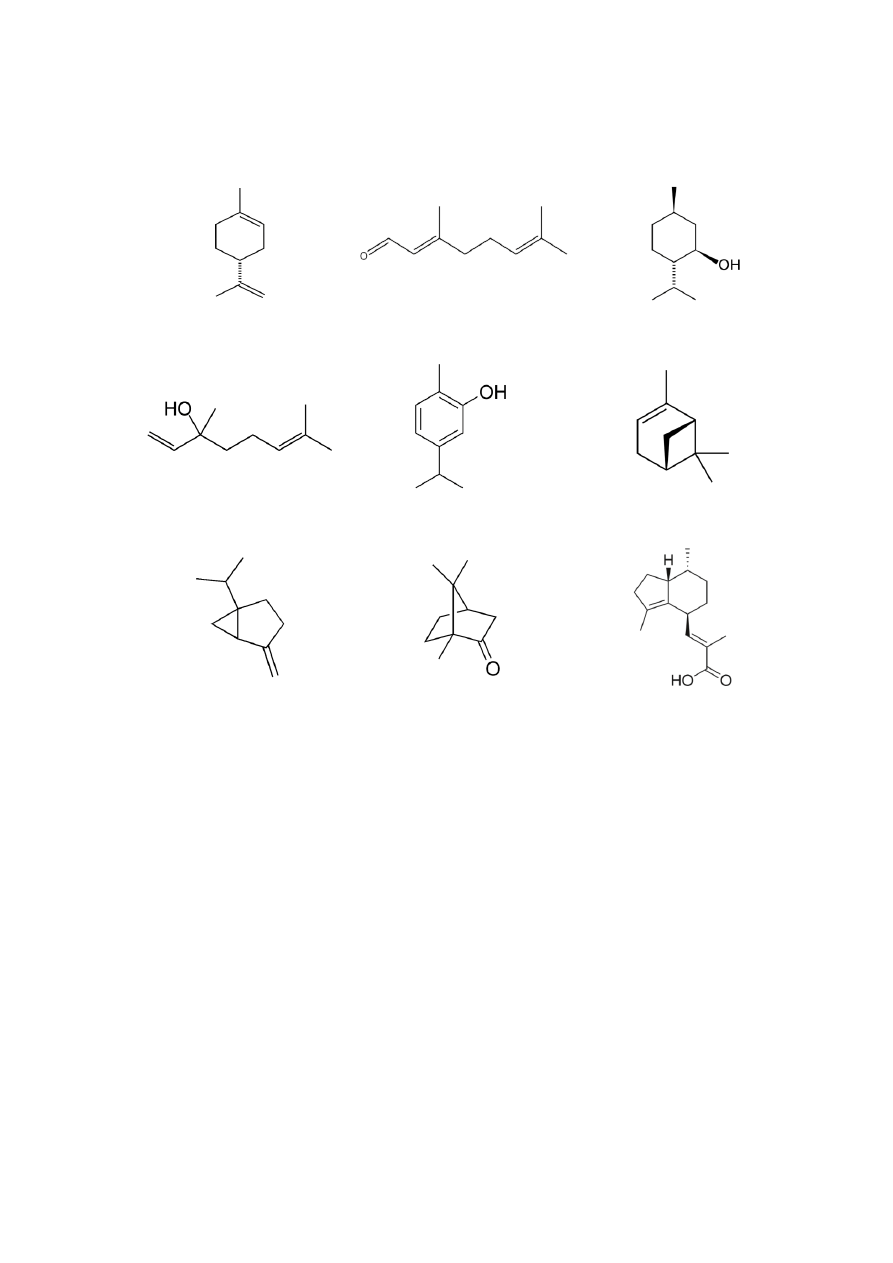
37
Figure 2.
(a)
(b)
(c)
(d)
(e)
(f)
(g)
(h)
(i)
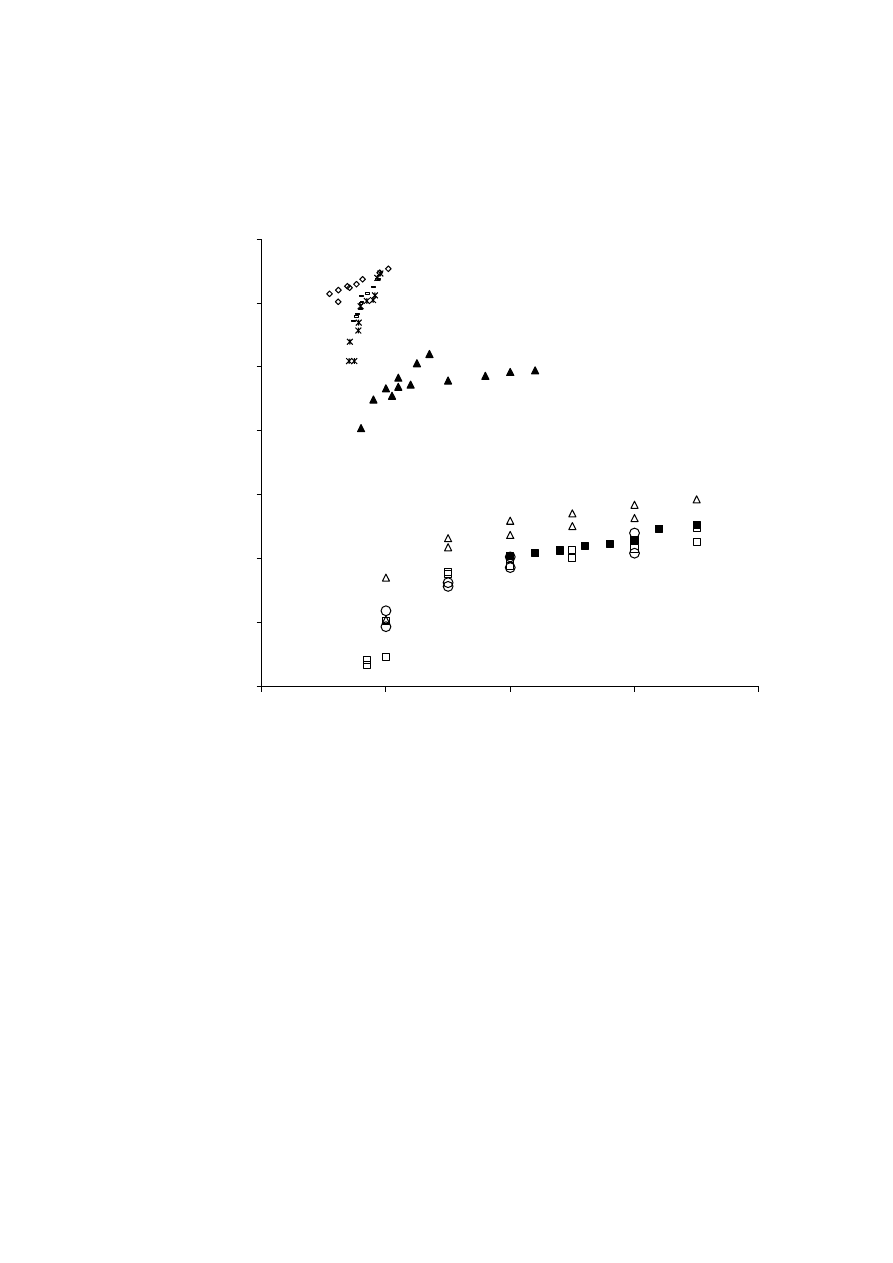
38
Figure 3.
0.000001
0.00001
0.0001
0.001
0.01
0.1
1
10
0
10
20
30
40
So
lu
b
il
it
y (
%
w/
w)
pressure (MPa)
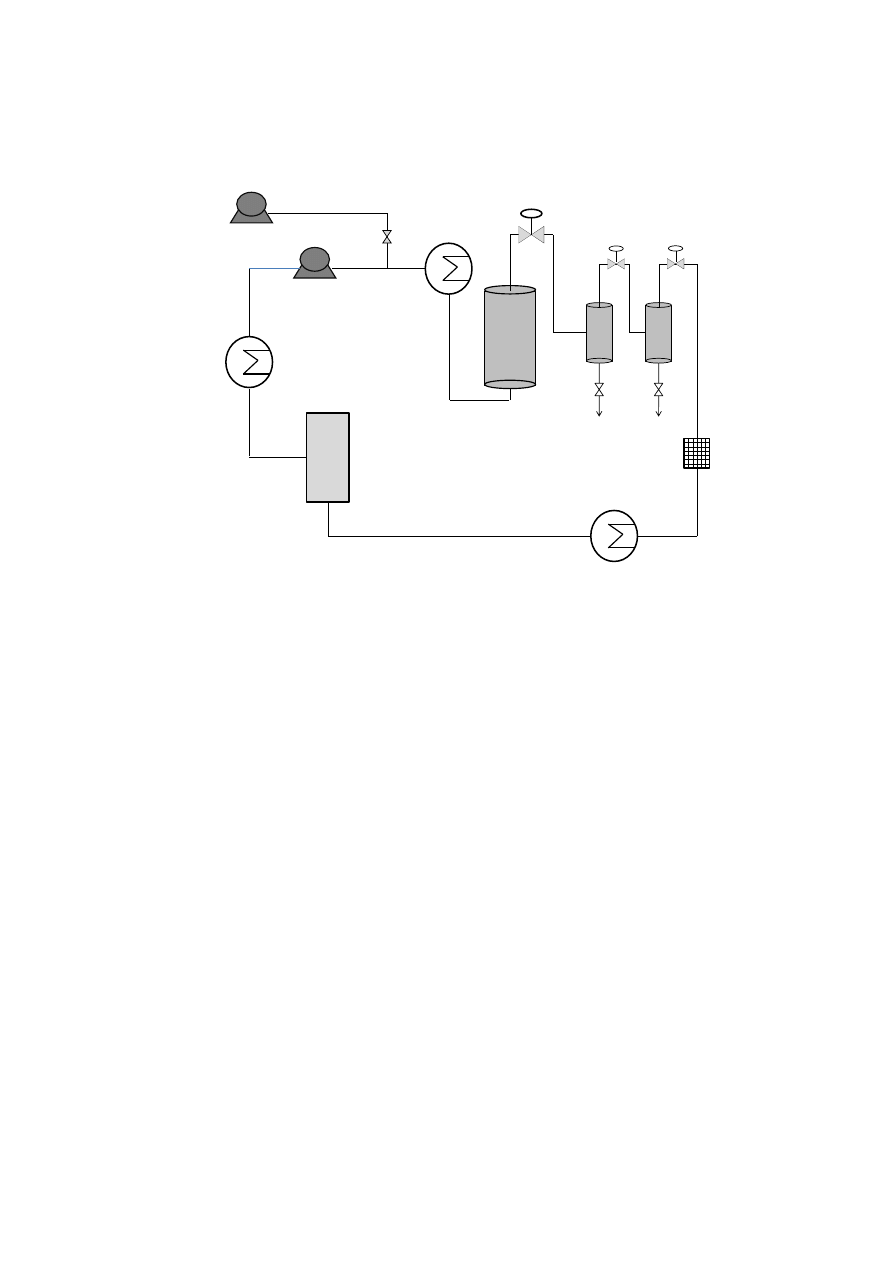
39
Figure 4.
ST
HE3
HE2
HE1
P1
P2
EV
S1
S2
V
V1
V2
F
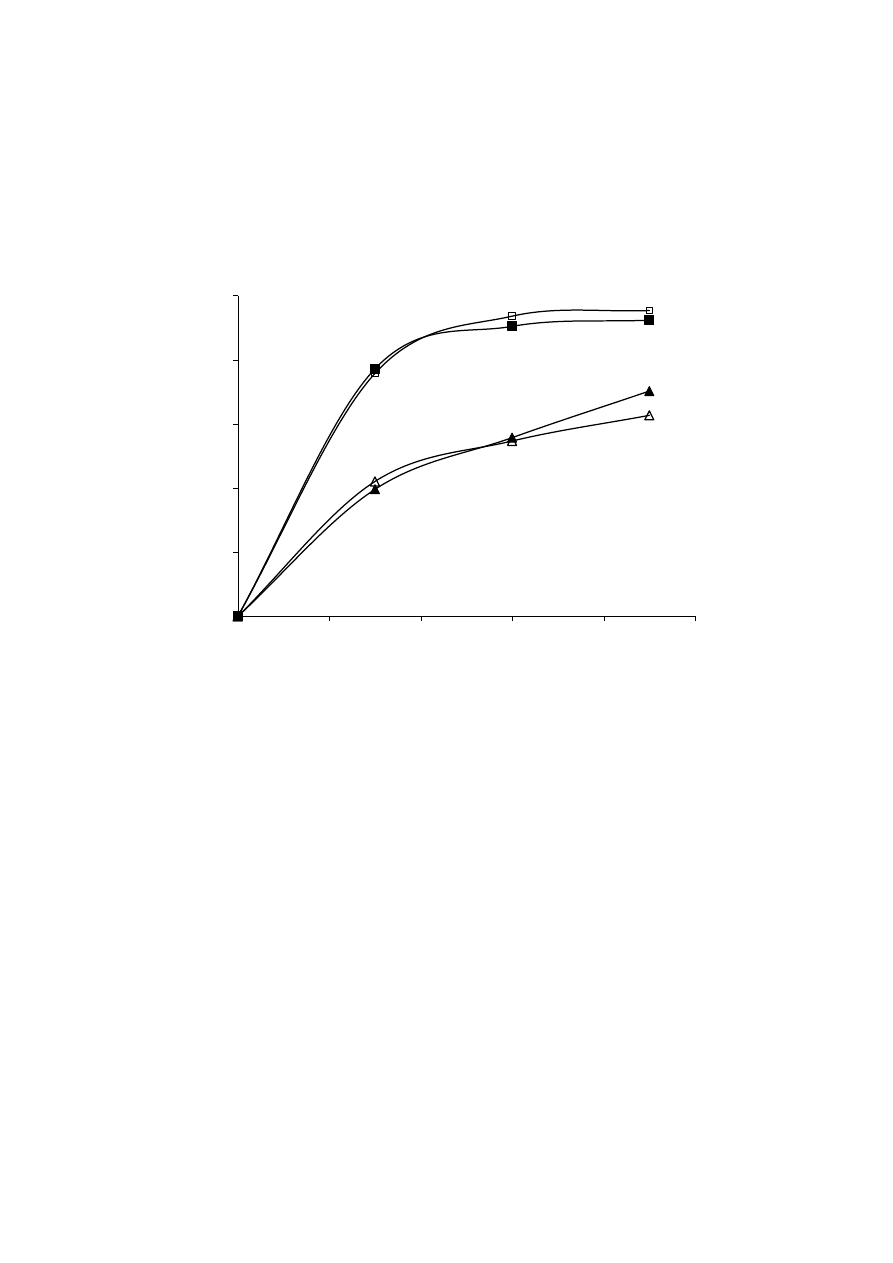
40
Figure 5.
0
1
2
3
4
5
0
1
2
3
4
5
ex
tract
io
n
y
iel
d
(%
)
extraction time / h
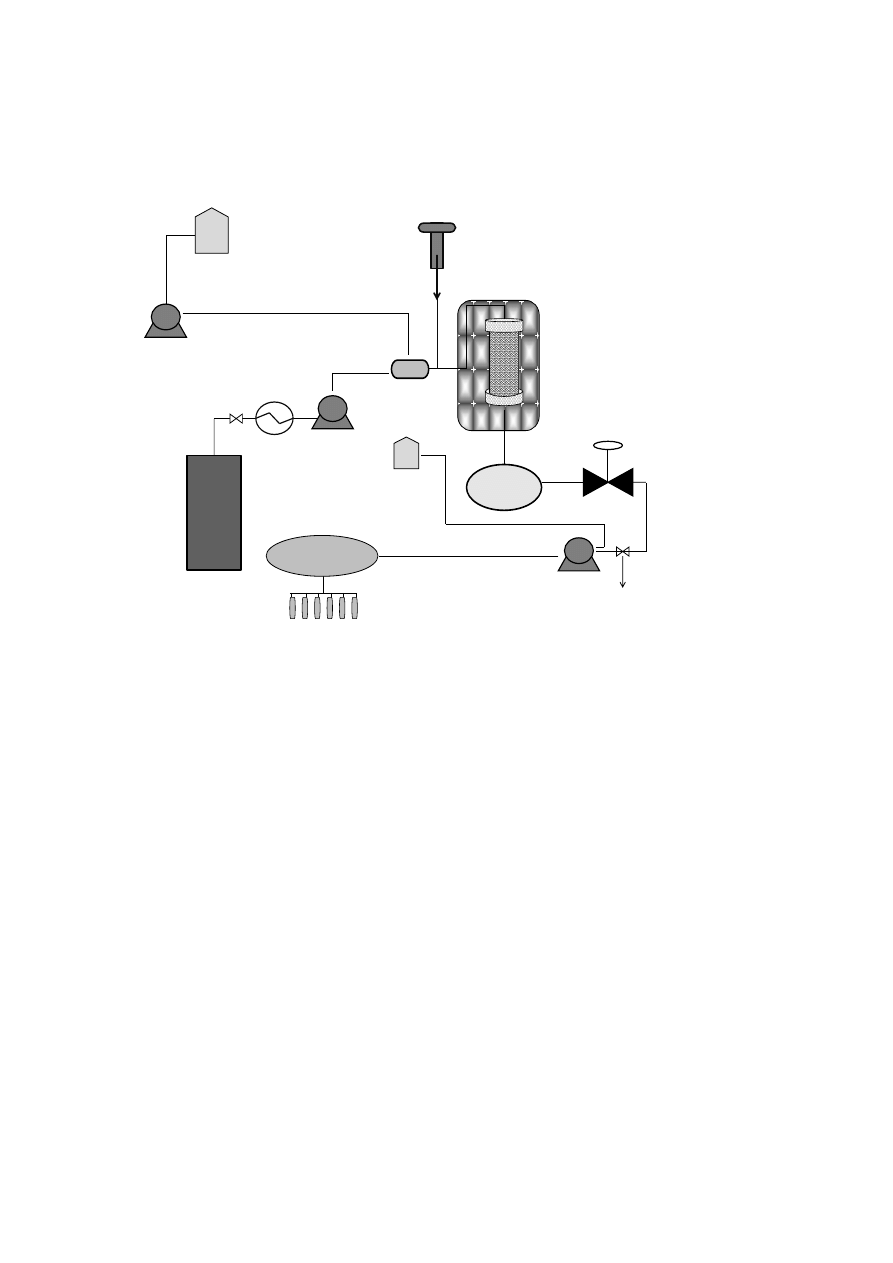
41
Figure 6.
CO
2
UV
detector
V1
Modifier
Tank
Modifier
tank
Sampler
Cooler
P1
Vent
P3
Column
Oven
Collector
Vessels
Mixer
Fraction collector
P2
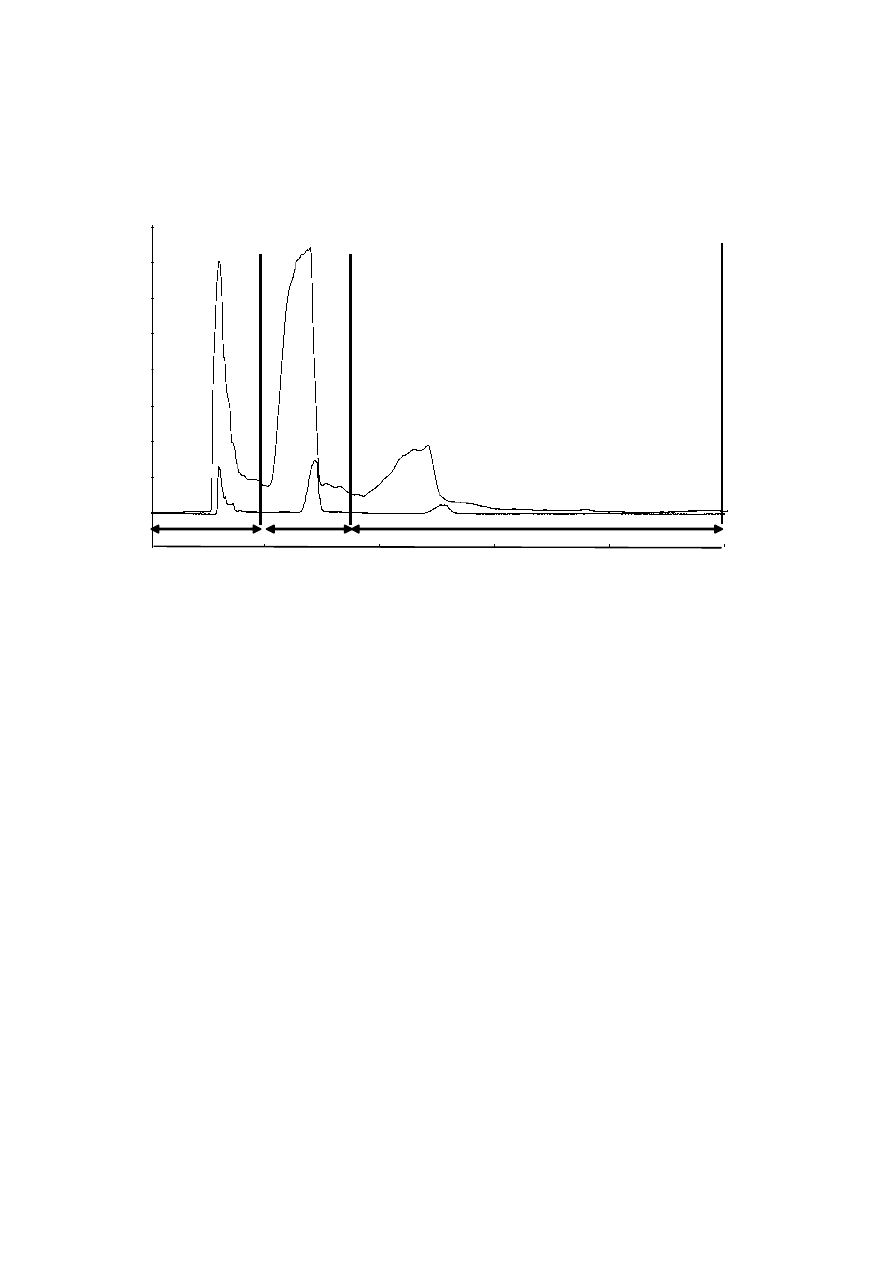
42
Figure 7.
Time ( min)
2
4
6
8
10
F1
F3
F2
0
B
A
Time ( min)
2
4
6
8
10
F1
F3
F2
0
B
A
1
3
5
7
9
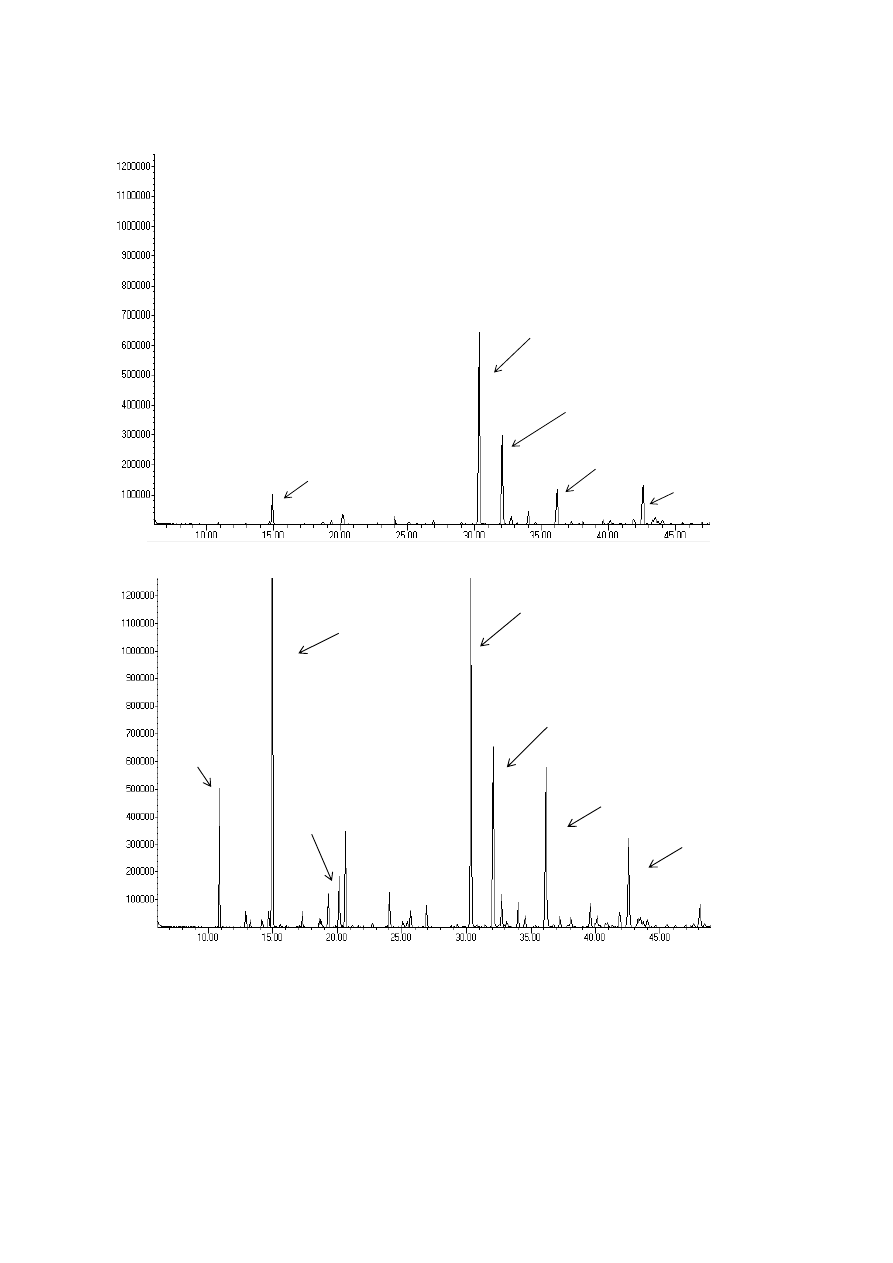
43
Figure 8.
Eugenol
Linalool
Acid Cinamic methyl ester
γ- Cadinene
α-Bergamatone
1,8 Cineole
Linalool
α-Terpineol
Eugenol
Acid Cinamic methyl ester
γ- Cadinene
α-Bergamatone
(a)
(a)
(a)
(b)
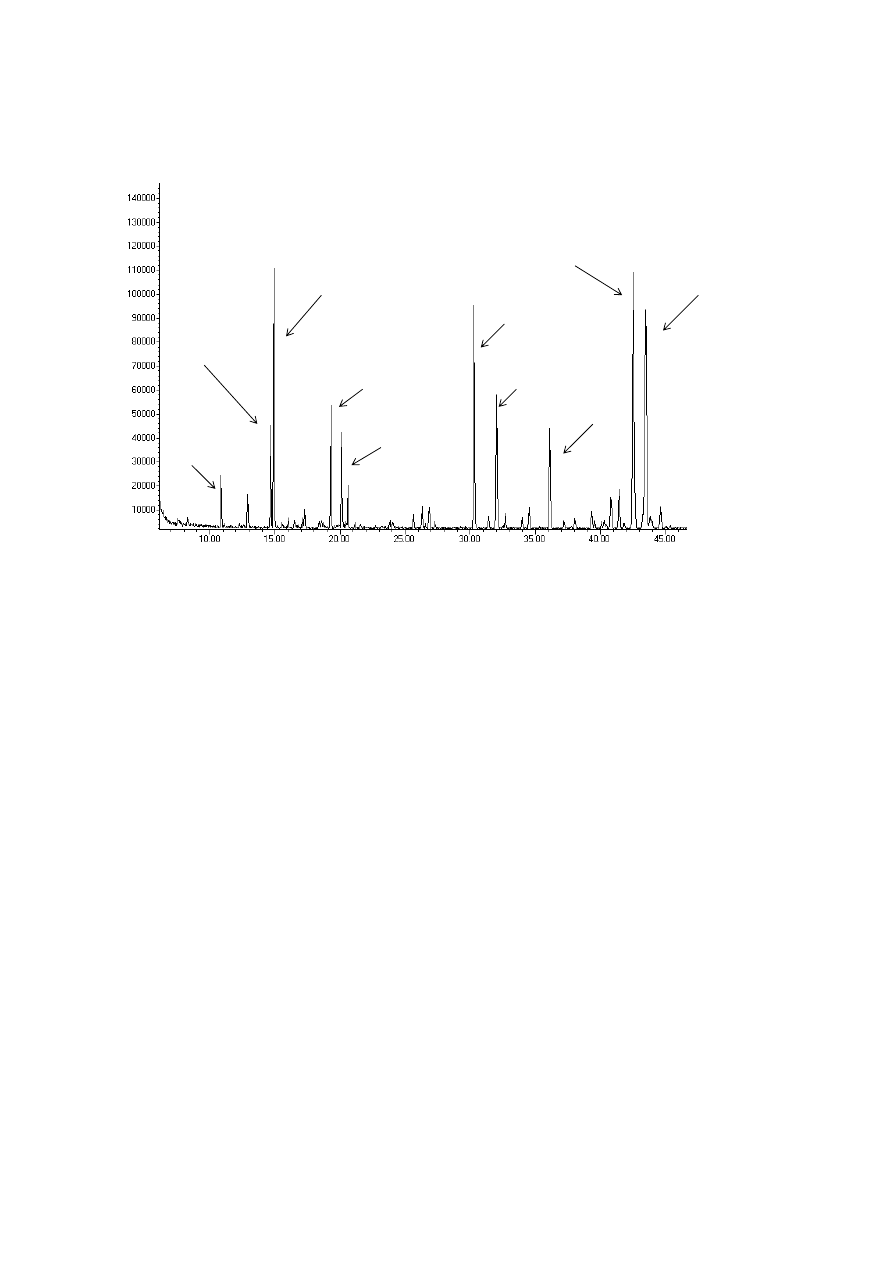
44
Figure 9.
1,8 Cineole
Sabinene
Hydrate cis
Linalool
1- Terpinen 4-ol
α-Terpineol
Eugenol
Acid Cinamic
methyl ester
α-Bergamatone
γ- Cadinene
δ- Cadinene
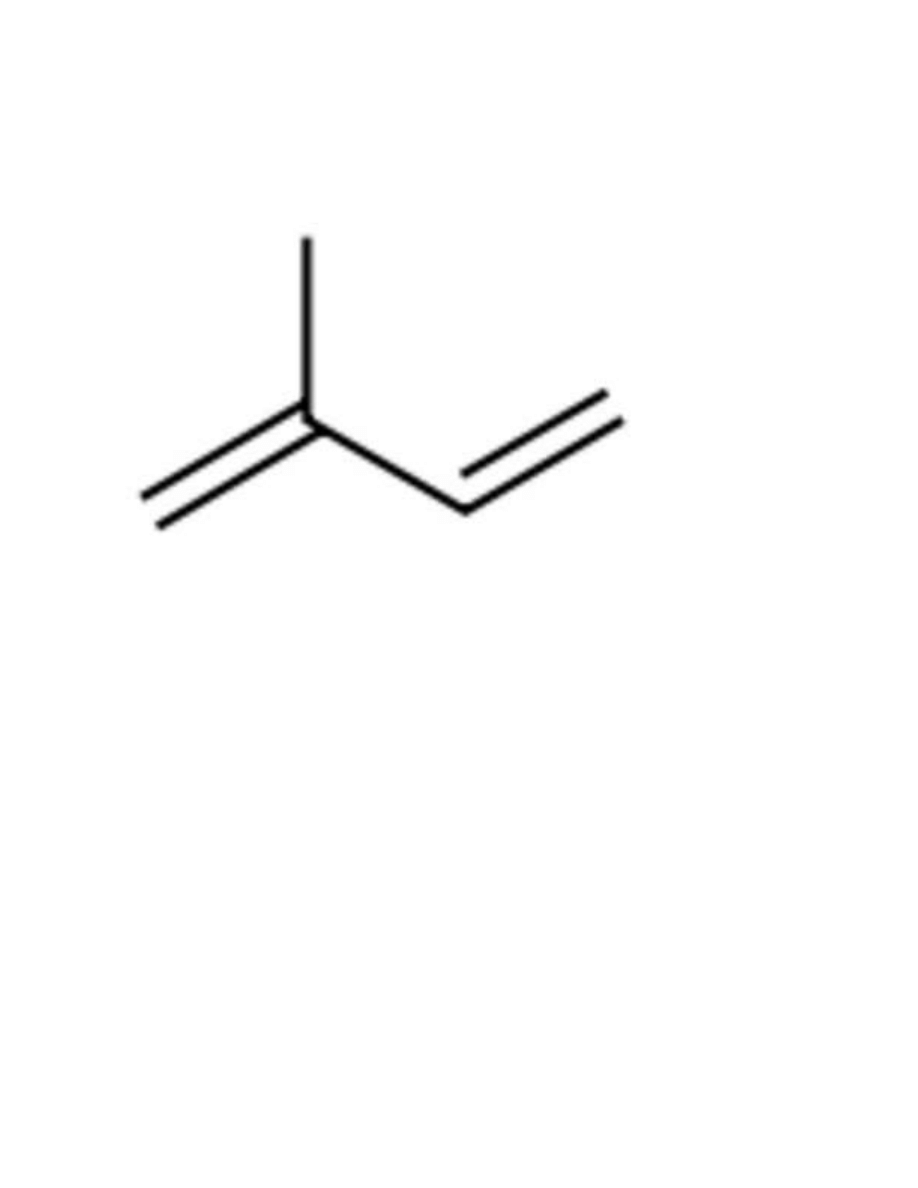
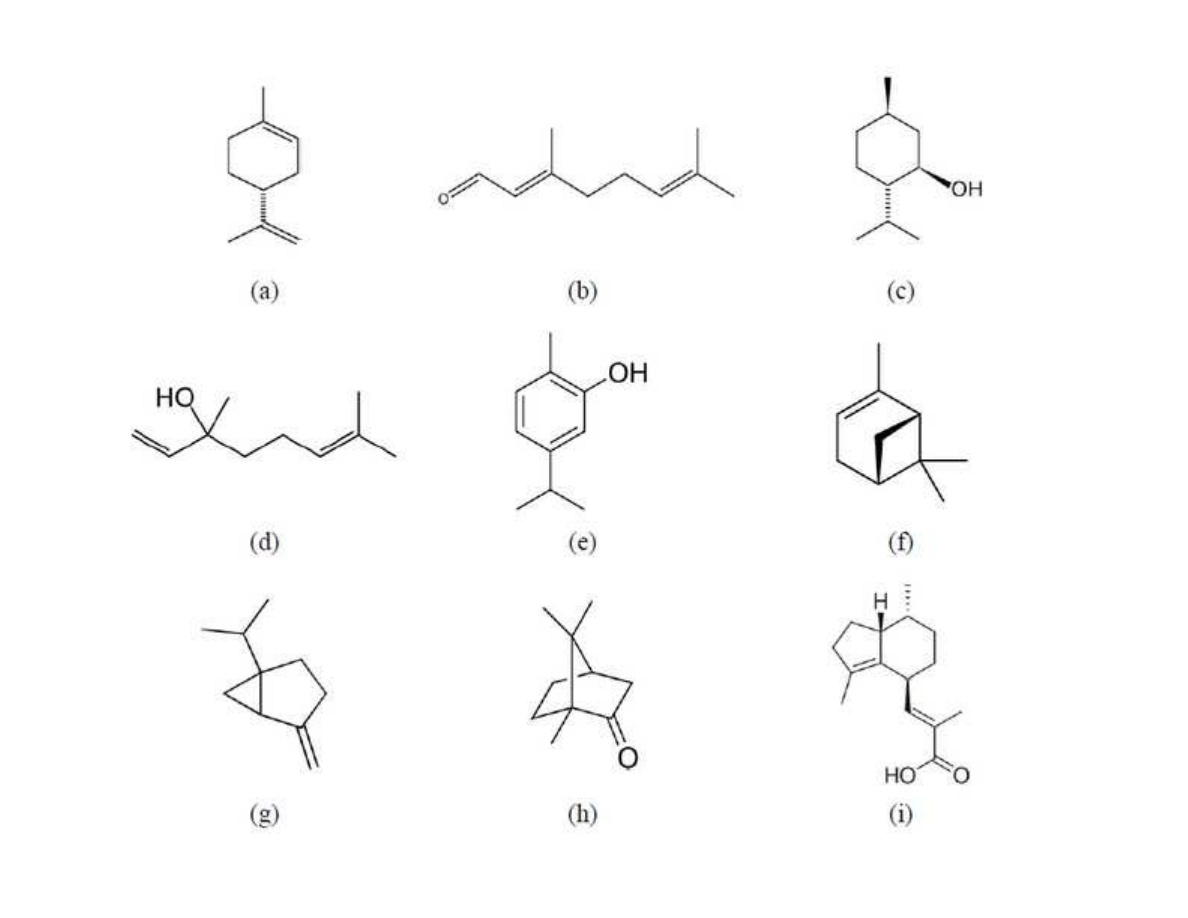
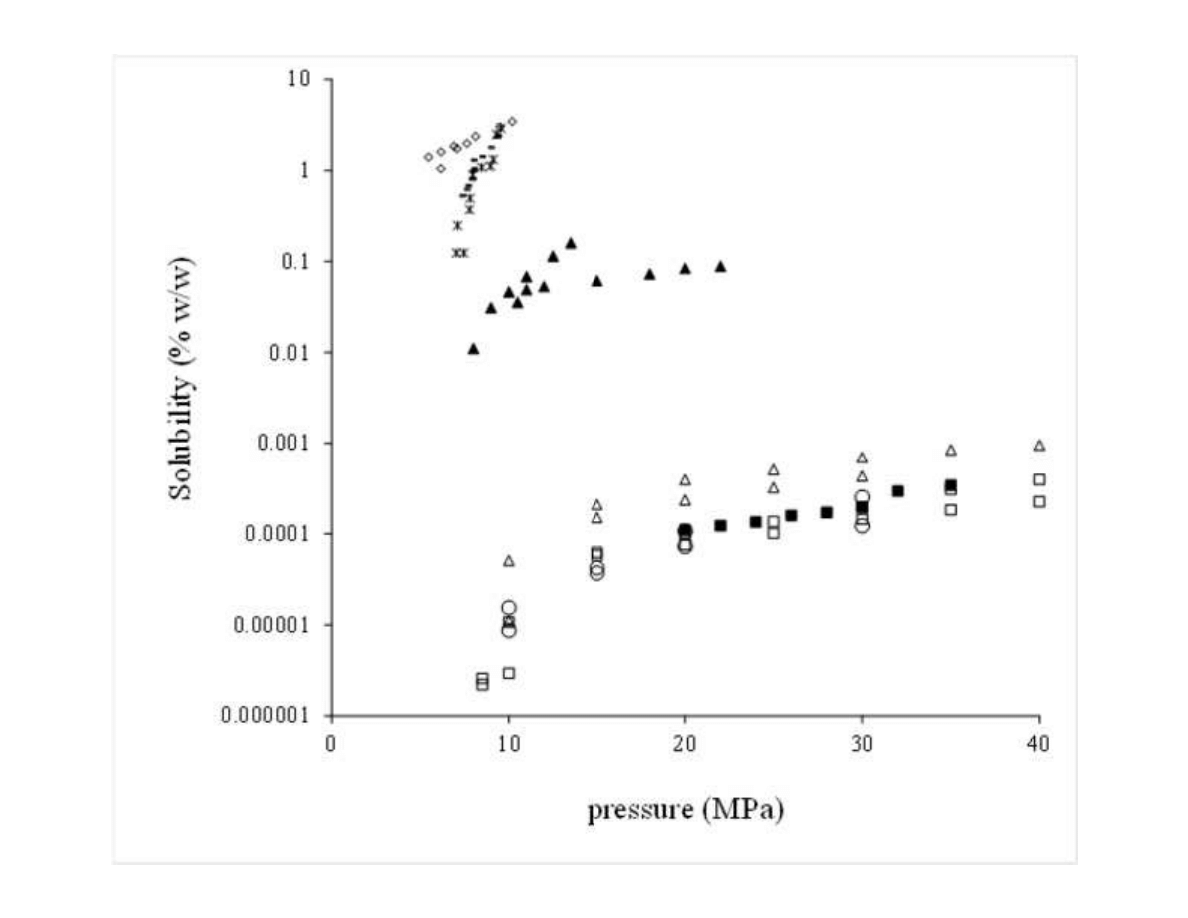
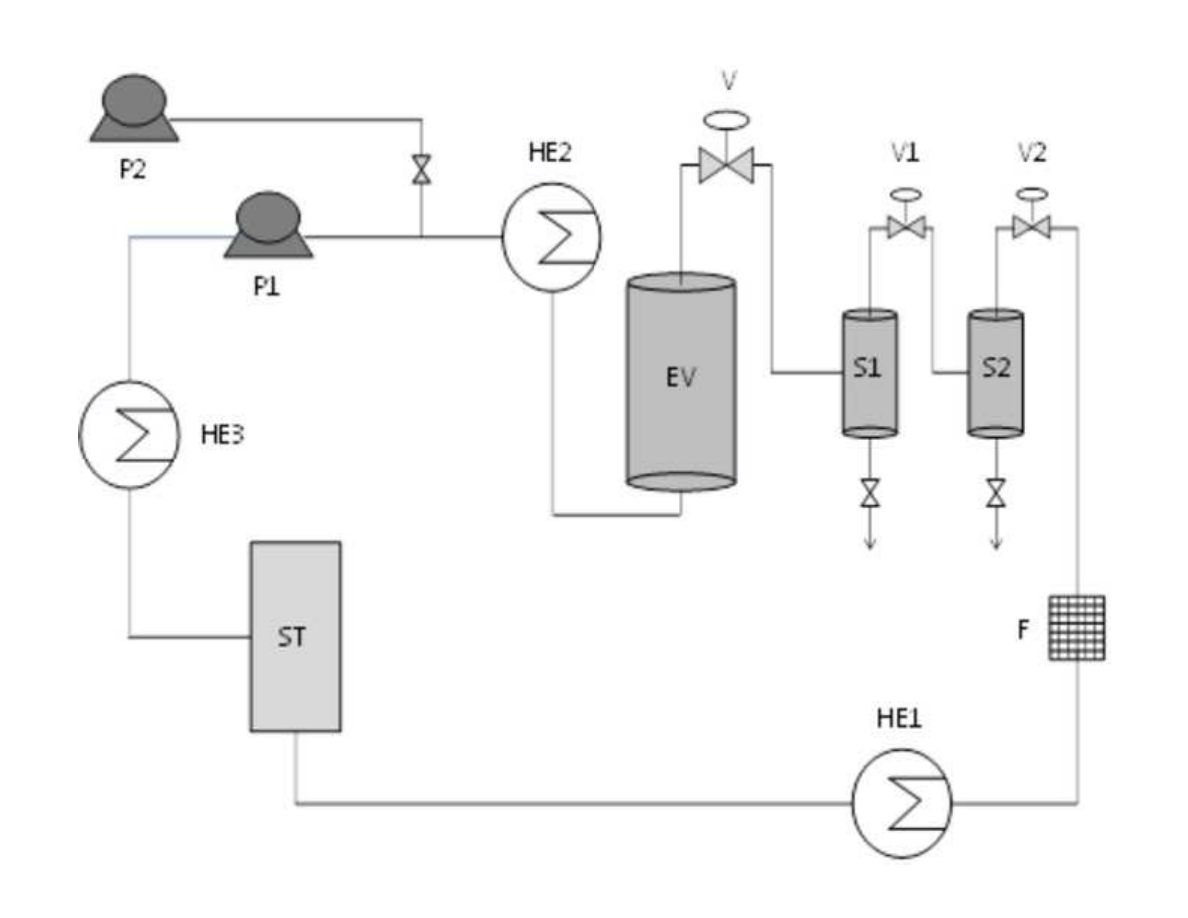
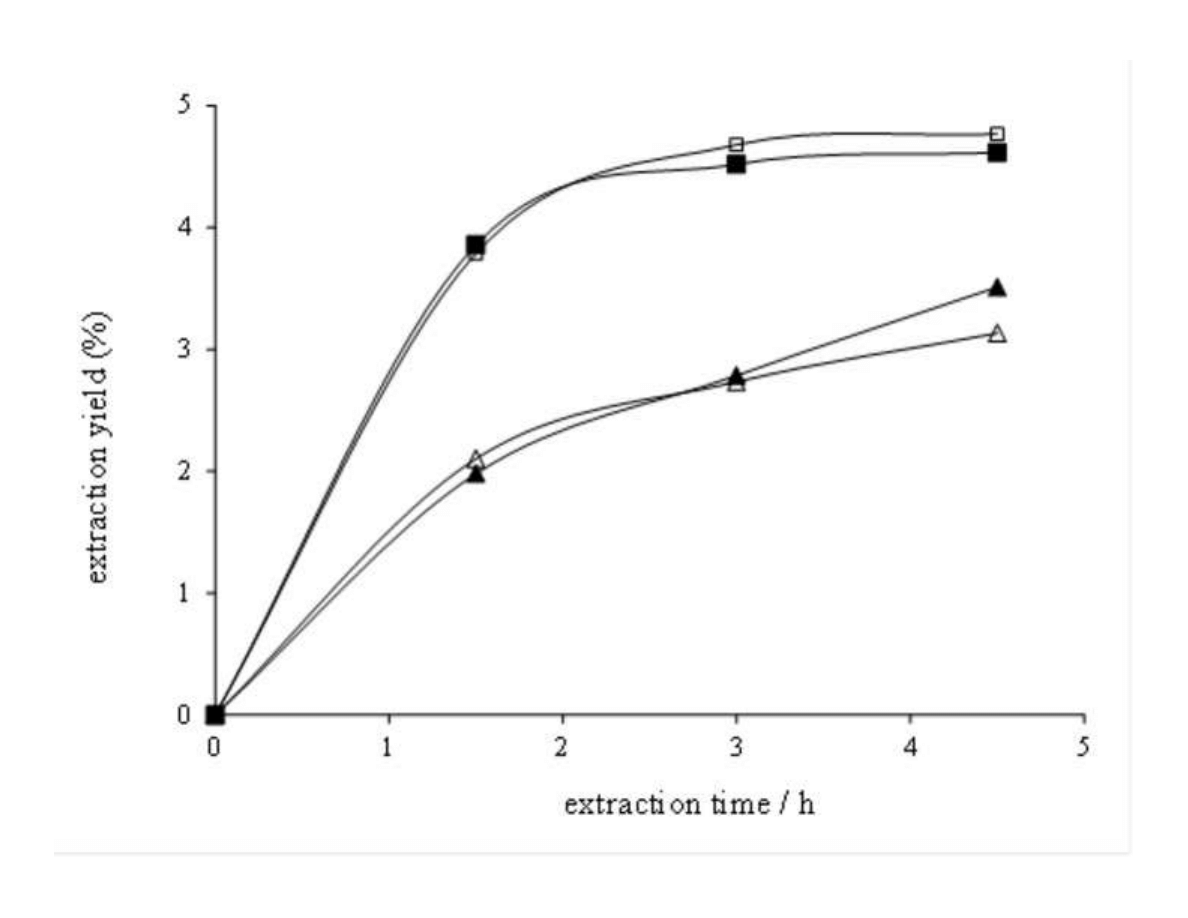
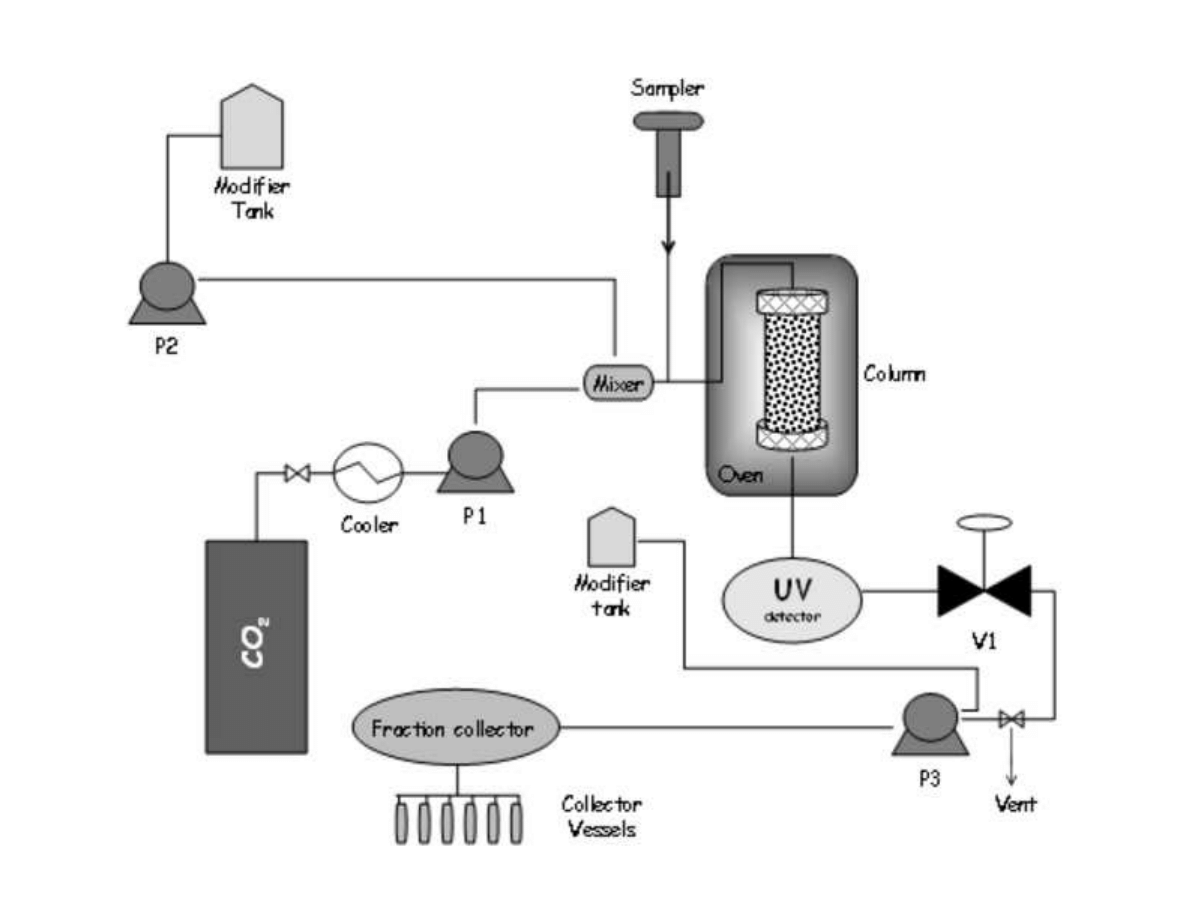
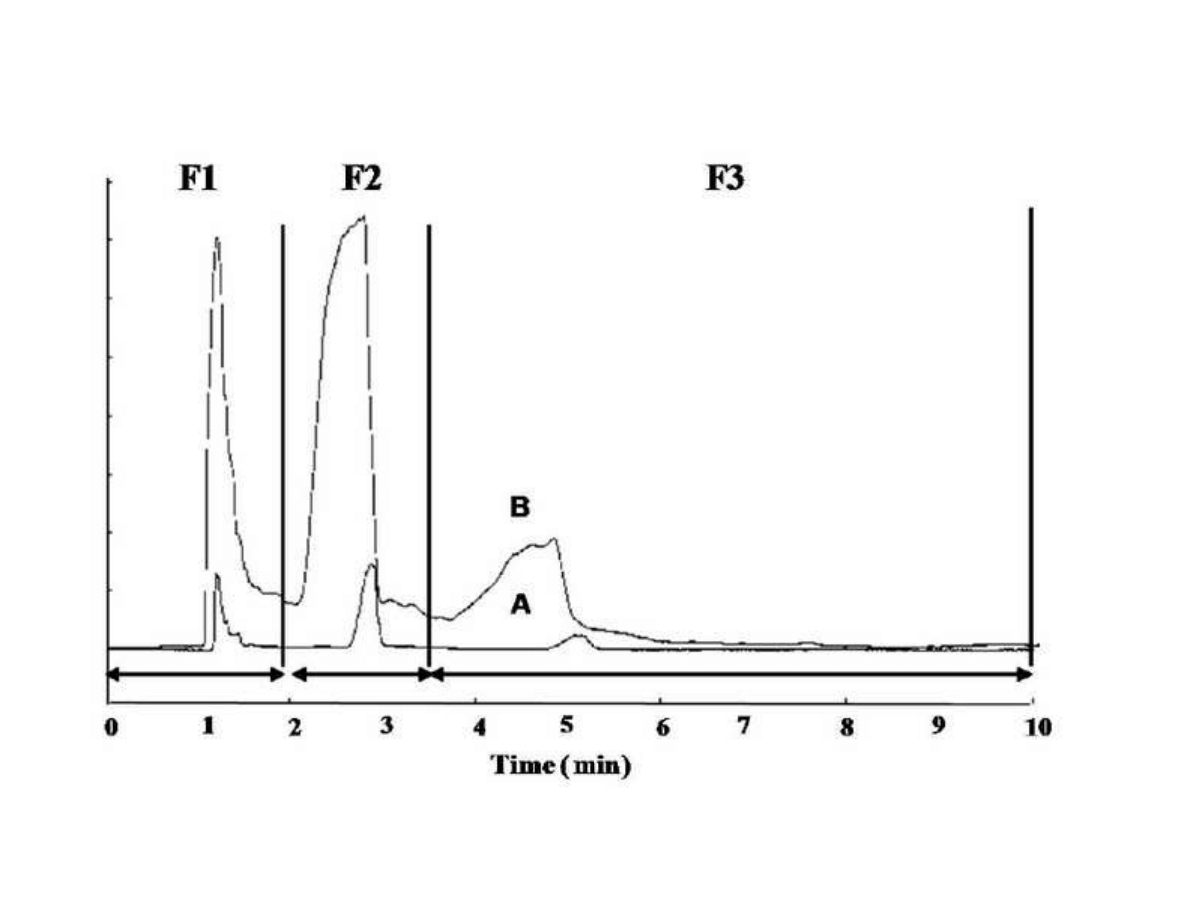
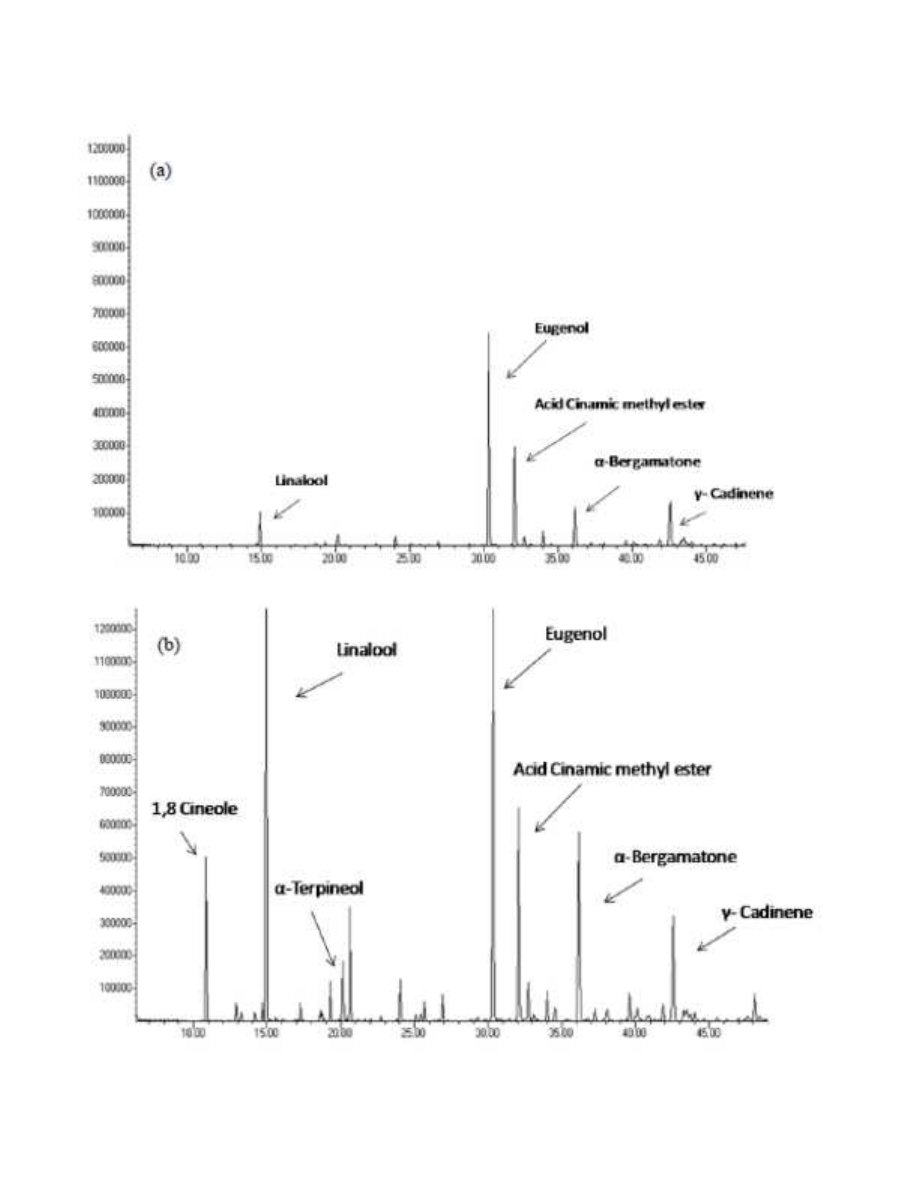
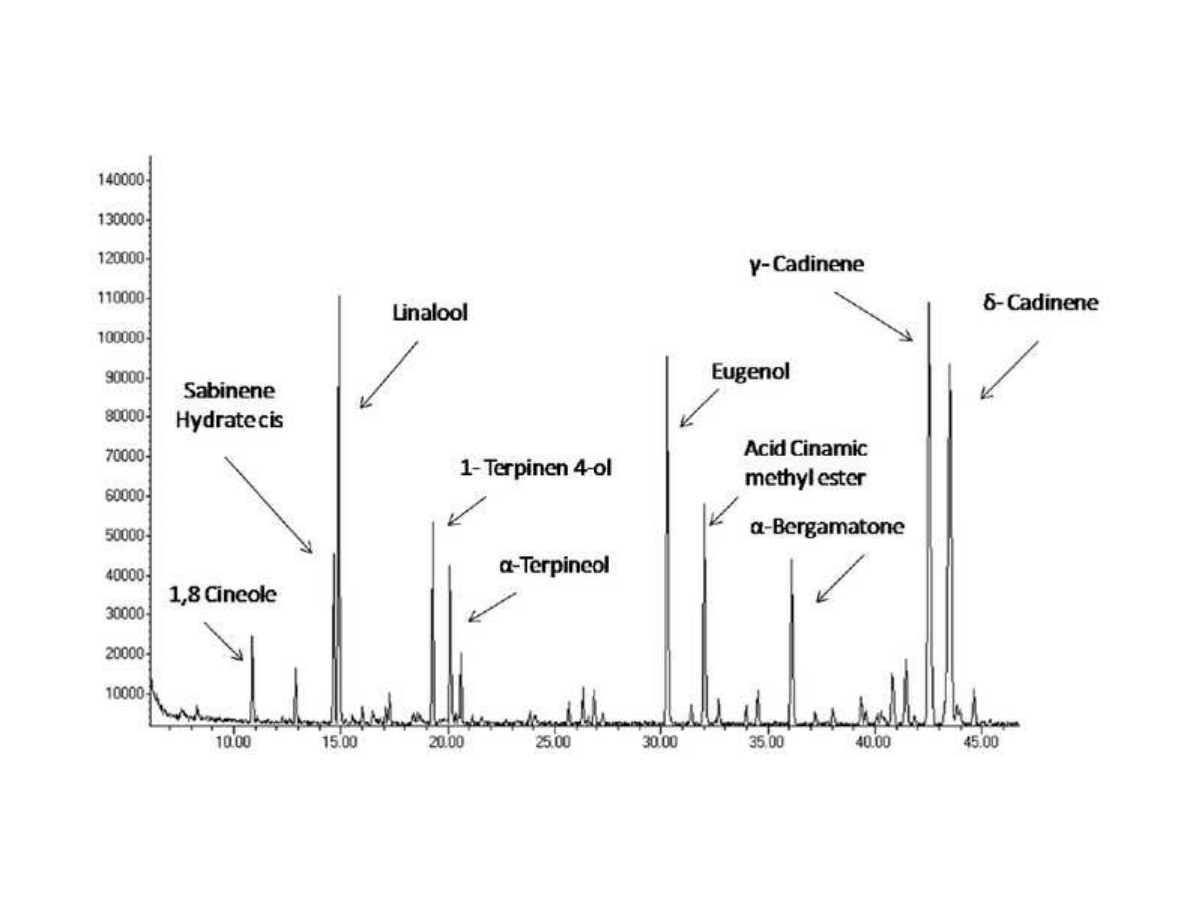

1
Table 1. SFE of different plants and herbs to produce essential oils.
Raw material
Botanical name
Main constituents of essential oil
References
Anise verbena
Lippia alba
carvone, limonene, elemol, γ-muurolene,
guiaol, bulnesol
[99, 100]
Aniseed
Pimipinella anisum
anethole, γ-himachalene, p-anisaldehyde,
methylchavicol, cis-pseudoisoeugenyl 2-
methylbutyrate, trans-pseudoisoeugenyl 2-
methylbutyrate
[101]
Artemisa
Artemisia sieberi
camphene, 1,8 cineol, γ-terpinene,
chrysanthenone, camphor, cis-
chrysanthenone
[102]
Basil leaves
Ocimum basilicum
linalool, methyl-eugenol, 1,8 cineole, α-
bergamotene, α-cadinene
[63]
Cashew
Anacardium occidentale
cardanol, cardol, dimethylanacardate
[103]
Chamomile
Chamomilla recutita
matricine, chamazulene, bisabolol
[104]
Clove
Eugenia caryophyllata Thunb
eugenol, caryophyllene, eugenol acetate
[105, 106]
Coriander
Coriandrum sativum
linalool, γ terpinene, camphor, geranyl
acetate, α pinene,
geraniol, limonene
[107]
Eucalyptus
Eucalyptus camaldulensis Dehnh.
1,8 cineole, a-pinene,
-pinene, terpinen-4-
ol, allo-alomandrene, globulol
[108]
Fennel
Foeniculum vulgare Mill.
trans-anetole, methyl chavicol, fenchone
[72]
Hyssop
Hyssopus officinallis
sabibebem iso-pinocamphene,
pinocamphene
[109]
Laurel leaves
Laurus nobilis
1,8 cineole, linalool,
-terpinylacetate,
methyleugenol
[110]
Lavender
Lavandula angustifolia
linalool, camphor, borneol, terpinen-4-ol,
linalyl acetate, oxygenated monoterpenes,
oxygenated sesquiterpenes
[111]
Macela
Achyrocline alata, A. satureioides
trans-caryophyllene, α-humulene
[112]
Myrtus
Myrtus communis
α-pinene, Limonene, 1,8 cineole
[113]
Marigold
Calendula officinalis
acetyl eugenol, guaiol
[114]
Marjoram
Origanum majorana
4-terpineol,
-cymene, carvacrol, sabinene
hydrate
[38]
Mint
Mentha spicata insularis
L-menthone, isomenthone, menthol, cis-b-
terpineole, menthylacetate, trans β-
caryophyllene, germacrene-D
[115]
Oregano
Origanum vulgare
carvacrol, tymol, sabinene hydrate,
p-cypeme, linalool
[77, 106]
Pennyroyal
Mentha pulegium
menthone, pulegone, limonene.
[116]
Pepper black
Piper nigrum
3-γ-carene, limonene, β-caryophilene,
sabinene
[117]
Rosmarinus
Rosemary officianlis
camphor, 1,8 cineole, borneol, linalool
[12, 55]
Sage
Salvia officinalis
1,8-cineole, camphor, β-thujone
[118]
Salvia mirzayanii
linalyl acetate, 1,8 cineol, linalool, 8-
acetoxy linalool
[119]
Star anise
Illicium anisatum
trans-anethole , limonene, chavicol ,
anisaldehyde
[120]
Thyme
Thymus vulgaris
thymol, carvacrol, camphor, linalool
[98]
Thymus Zygis
thymol, carvacrol, linalool, borneol
[121]
Valerian
Valeriana officinalis
bornyl acetate, cis-α-copaene-8-ol,
valerianol
[122]
Table 1

1
Table 2. Comparison of the content of some common volatile oil compounds identified in
oregano, sage and thyme extracts produced with pure CO
2
at 30 MPa and 40
C [67].
Compound i
ratio between the content of
compound i in the different matrixes
oregano/thyme
sage/thyme
1,8 Cineole
-
8.42
Sabinene hydrate
203.3
0.79
Linalool
0.91
0.07
Camphor
-
8.47
Borneol
-
0.43
α-terpineol
20.31
0.84
Linalyl acetate
-
-
Thymol
1.63
-
Carvacrol
7.58
-
E-caryophyllene
6.98
0.53
Table 2

1
Table 3. Effect of cosolvent in the supercritical extraction of rosemary leaves.
Extraction A
Extraction B
B / A
30 MPa, 40
C,
no cosolvent
15 MPa, 40
C and
5% ethanol
g compound / g leaves x 100
1,8 Cineole
0.386
0.444
1.15
Camphor
0.132
0.227
1.72
Borneol
0.049
0.070
1.43
Bornyl Acetate
0.011
0.018
1.61
Carnosic acid
0.492
1.863
3.78
Carnosol
0.047
0.277
5.83
Table 3

1
Table 4. Supercritical extraction (30 MPa, 40
C, no cosolvent) and fractionation (S1:
10 MPa, S2: 5 MPa) of different plants from Lamiaceae family: extraction yield (mass
extract / mass plant matrix x 100) and percentage of essential oil recovered in S2
separator (total GC area in S2 / total GC area in S1 + S2 x 100).
plant matrix
extraction yield
% essential oil in S2
S1
S2
oregano
3.18
1.59
88.4
sage
1.39
3.23
77.4
thyme
0.91
1.70
71.6
rosemary
1.77
1.75
71.2
basil
0.21
1.75
97.7
marjoram
0.30
1.73
77.9
marigold
2.35
2.20
100.0
Table 4

Table 5. Essential oil composition (% area of GC-MS analysis) of the S1 and S2 fractions obtained in the SFE (30 MPa and 40
C) of different plants from
Lamiaceae family. NI: non-identified compound.
Tr
Compuesto
Marigold
Marjoran
Basil
Oregano
Thyme
Sage
Rosemary
S1
S2
S1
S2
S1
S2
S1
S2
S1
S2
S1
S2
S1
S2
6.28
α-Pinene
-
-
-
-
-
-
-
-
-
-
-
-
0.58
0.24
6.85
Camphene
-
-
-
-
-
-
-
-
-
-
0.06
-
0.26
0.14
8.3
1-octen-3-ol
-
-
-
-
-
-
-
0.06
0.23
0.03
-
-
0.04
0.11
8.85
β-Pinene
-
-
-
-
-
-
-
0.15
-
-
0.10
0.05
0.11
0.08
9.48
α-Phellandrene
-
-
-
-
-
-
-
-
-
-
-
-
-
0.05
10.54
M-Cymene
-
-
-
-
-
-
1.00
0.91
0.13
0.05
0.05
0.03
0.75
0.48
10.75
Limonene
-
-
-
-
-
-
-
0.25
-
-
0.25
0.13
0.37
0.28
10.88
1,8 Cineole
-
1.84
-
-
0.24
5.75
-
0.09
0.58
0.05
11.66
4.51
54.51
38.30
12.89
Sabinene hydrate trans
-
1.35
6.91
7.41
0.11
0.68
2.19
3.00
0.91
0.14
0.91
0.85
-
-
14.67
Sabinene hydrate cis
-
4.32
36.40
37.00
0.33
0.71
38.25
36.32
0.51
0.13
0.43
0.48
-
0.06
14.91
Linalool
-
10.73
2.76
2.49
4.78
27.81
1.95
1.74
3.25
0.54
1.34
1.47
1.06
1.24
17.25
Camphor
-
0.59
-
-
-
0.66
0.28
0.15
1.21
0.14
48.17
39.29
21.23
18.07
18.5
Borneol
-
-
-
-
0.77
0.44
0.61
0.25
3.26
0.96
9.10
12.78
4.86
10.00
19.29
1-terpinene-4-ol
-
5.17
13.33
12.81
0.57
1.62
2.16
4.66
0.64
0.14
0.73
0.95
1.21
1.71
19.85
P- Cymen-8-ol
-
-
-
-
-
-
-
-
0.16
-
0.11
0.24
0.11
0.19
20.1
α-Terpineol
-
4.42
8.86
8.10
2.98
3.03
2.32
2.61
0.43
-
1.45
2.44
5.40
9.85
21.12
Verbenone
-
-
0.93
0.89
-
0.06
-
0.17
-
-
-
0.20
-
-
23.84
Terpinene-4-acetate
-
-
15.85
16.20
-
-
0.83
1.32
-
-
-
-
-
-
25.6
Bornyl acetate
-
-
-
-
0.20
0.02
-
0.20
-
-
3.87
4.26
0.08
0.73
26.2
Myrtenyl acetate
-
-
-
-
-
-
-
-
-
-
6.57
7.94
-
-
26.31
thymol
-
-
-
-
-
-
35.73
30.27
73.58
69.62
-
-
-
0.12
26.46
Carvacrol
-
-
1.99
1.74
-
-
11.77
12.51
5.12
5.19
-
-
-
0.24
29.7
α-Terpineol acetate
-
-
-
-
-
-
-
-
-
-
4.45
5.89
-
-
30.3
Eugenol
-
12.11
0.99
0.88
41.28
24.76
-
-
-
-
-
-
-
0.33
31.12
Ylangene
-
-
-
-
-
-
-
-
-
-
-
-
-
0.19
31.4
Copaene
-
-
-
-
-
-
-
-
-
-
0.40
0.57
0.49
0.82
32.05
Acid Cinamic methyl ester
-
7.80
-
0.59
20.70
11.36
-
-
-
-
-
-
-
-
34.5
Caryophyllene
-
1.31
5.13
4.99
0.52
0.80
1.61
2.48
2.73
0.61
3.22
4.75
6.81
10.51
36.1
α-Bergamatone
-
6.63
1.24
1.10
9.38
12.27
-
-
-
-
-
-
-
0.03
36.83
NI
-
-
-
-
-
-
0.35
0.24
2.94
20.63
-
-
-
-
37.2
α-Caryophyllene
-
-
-
-
0.51
0.73
-
0.19
-
-
2.22
3.29
0.71
1.40
42.5
γ-cadinene
-
21.37
-
-
12.05
7.34
-
0.46
0.56
-
0.48
0.90
1.29
43.5
δ-Cadinene
-
22.36
-
-
-
-
-
0.14
0.58
0.33
0.88
2.19
1.18
2.53
48.12
Spathulenol
-
-
5.62
5.80
5.58
1.98
0.94
1.29
0.32
-
2.05
4.11
-
-
48.48
Caryophyllene Oxide
-
-
-
-
-
-
-
0.51
2.86
1.43
1.52
2.70
0.25
1.02
Table 5
Wyszukiwarka
Podobne podstrony:
4 ekstrakty roslinne
Ekstrakty roslinne w terapii?lulitu tekst do prezentacji
IZOLACJA DNA ROŚLINNEGO METODĄ MIKRO C, Biotechnologia notatki, Genetyka - biologia molekularna
Ekstrakcja z roślin
Ekstrakty roslinne i postacie l. roslinnego, chemia kosmetyków naturalnych
BF ekstrakty roślinne w kosmetykach
Wysokiej klasy naturalne ekstrakty roślinne koreańskiej firmy Natural Solution w ofercie Kaczmarek
EKSTRAKCJA OLEJKÓW ETERYCZNYCH Z MATERIAŁU ROSLINNEGO
Ekstrakcja surowców roślinnych
TPL WYK 12 12 26 Ekstrakcja surowców roślinnych podsumowanie
Sprawozdanie z izolacji genomowego DNA z komórki roślinnej
wielka księga ziół i przypraw, Roślinki
Ćw.6. izolacja enzymu z materiału roślinnego i oznaczanie jego aktywności, biotransformacje LAB
EKSTRAKCJA OLEJKÓW ETERYCZNYCH Z MATERIAŁU ROSLINNEGO
więcej podobnych podstron