
Postępy Biochemii 59 (3) 2013
327
Amedeo Cappione
Masaharu Mabuchi
Saosan Suhrawardy
David Briggs
Timothy Nadler
EMD Millipore, Danvers, USA
EMD Millipore, 17 Cherry Hill Drive,
Danvers, MA 01923 USA; phone: 978-762-5100,
e-mail: amedeo.cappione@merckgroup.com
Received June 23, 2013
Accepted June 26, 2013
Key words: protein purification, protein con-
centration, buffer exchange, diafiltration, affi-
nity purification, Amicon Ultra
Abbreviations: NTA — nitrilotriacetic acid,
Ni — nickel, PBS — phosphate-buffered saline,
CRP — C-reactive protein
The Amicon
®
Pro system — a centrifugal device capable of
performing all steps in the protein purification workflow
ABSTrACT
T
raditional protein purification is a long process with many steps utilizing multiple devic-
es, often resulting in protein degradation and loss. The Amicon
®
Pro device streamlines
the affinity purification process by providing a single adaptable centrifugation unit capable
of performing all steps in the affinity purification process. The device combines affinity-
based spin column purification with downstream sample concentration and buffer exchange,
eliminating the need for multiple sample transfers, thereby minimizing protein loss. The
results presented in this work indicate that purification of His-tagged protein using the Ami-
con
®
Pro device is faster, easier, and provides better yields than other traditional methods
(eg. spin-column and slurry method).
INTrODUCTION
Analyses of protein structure and function are critically dependent upon the
reliable production of highly pure, functionally active, protein. Although protein
production is often lengthy and consists of multiple steps, the use of fusion tags
and complementary affinity resin matrices has greatly simplified the purifica-
tion phase. Gravity-driven separation columns are well suited for handling large
sample volumes; by contrast, most small-scale purifications employ centrifuga-
tion-based techniques.
Traditional centrifugation-based affinity purification presents certain chal-
lenges. Batch processing of resins directly in microcentrifuge tubes is subject to
sample loss during aspiration. Spin columns alleviate this concern; however,
due to their limited volume capacity (typically 0.5 ml), the protocol is tedious,
requiring multiple spin cycles during the wash and elution steps. Moreover,
while most purification workflows require additional sample neutralization,
buffer exchange, and/or concentration prior to downstream analysis, no single
traditional centrifugation device is capable of performing all steps in the purifi-
cation process.
The Amicon
®
Pro purification system is an adaptable centrifugal device that
couples affinity-based spin column purification with downstream sample con-
centration and buffer exchange. By condensing the protein preparation work-
flow, the Amicon
®
Pro system eliminates the need for multiple sample transfers,
thereby minimizing protein loss.
The large exchange reservoir (up to 10 ml) accommodates a wide range of
sample volumes, permitting rapid purification using up to 1 ml packed resin.
The large reservoir capacity also reduces the need for multiple centrifugation
steps. Direct coupling to Amicon
®
Ultra 0.5 ml centrifugal filters provides simul-
taneous concentration during the elution phase for compatible sample sizes (200
μl packed resin). This simultaneous elution and concentration is particularly
advantageous for downstream applications that benefit from concentrated sam-
ples, such as the depletion of abundant serum proteins from samples requiring
proteomic analysis. The Amicon
®
Pro system was also specifically engineered for
highly efficient diafiltration (>99.99%) in a single spin, further condensing the
protein purification workflow.
The results presented in this report highlight the performance and workflow
benefits outlined above.
328
www.postepybiochemii.pl
MATERIALS AND METHODS
AffiNiTy PURifiCATioN USiNG
THE AMiCoN
®
PRo DEviCE
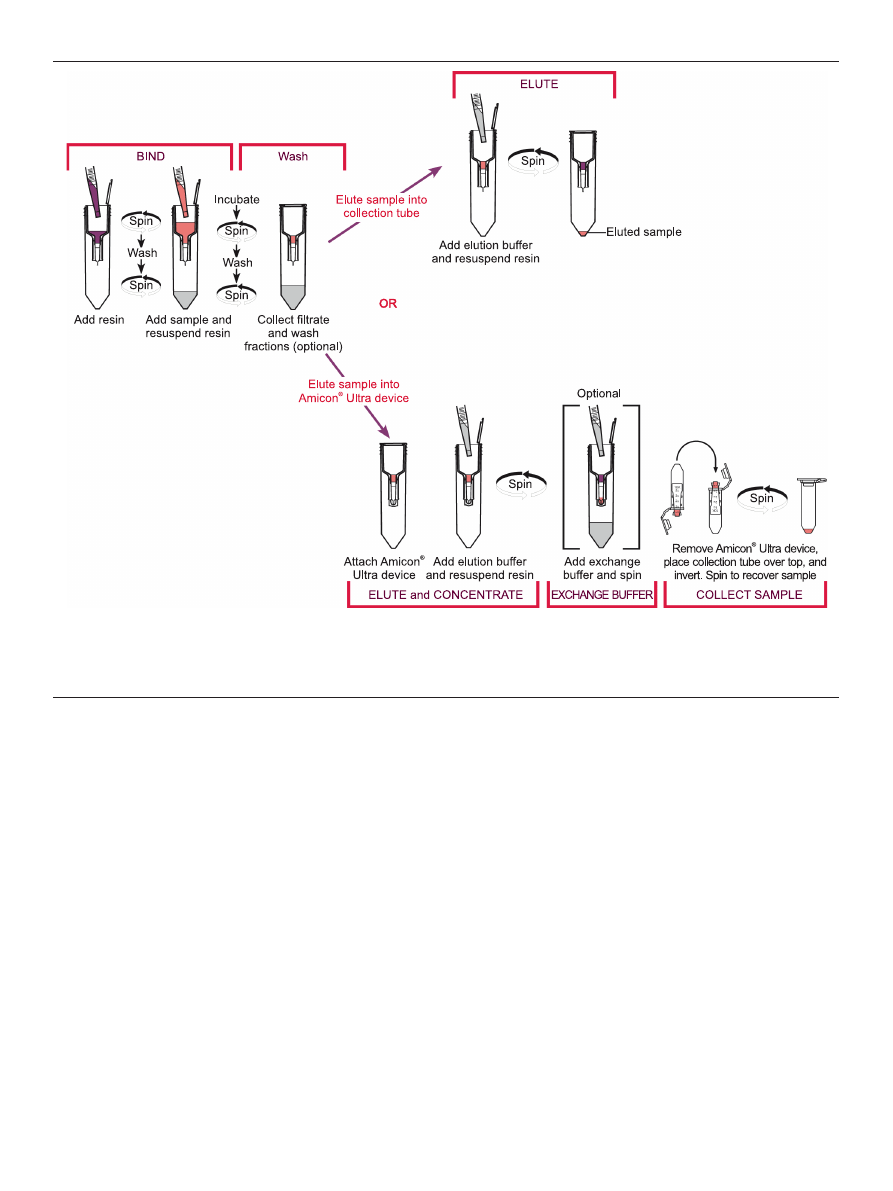
This protocol included the Bind-Wash-Elute-Concentrate
and Buffer Exchange steps (following lower path in fig. 1).
Each Amicon
®
Pro device (included in the Amicon
®
Pro Af-
finity Concentration Kit Ni-NTA, Cat. No. ACK5010NT)
was assembled and His-CRP (C-reactive protein) was pu-
rified according to the user manual [1,2]. E. coli lysate (0.5
ml) containing His-CRP was incubated with 100 μl Ni-NTA
HiS•Bind
®
Resin (Cat. No. ACR5000NT) in the device for
60 min at room temperature with gentle agitation. Unbound
sample was cleared by centrifugation (at 1000 g for 1 min
in a swinging bucket rotor). for the wash step, 1.5 ml Wash
Buffer (Ni-NTA Buffer Kit, Cat. No. ACR5000NB) was add-
ed to the resin and centrifuged (1000 g for 1 min). for si-
multaneous concentration with sample elution, an Amicon
®
Ultra 0.5 ml (10K NMWL) centrifugal filter was attached to
the base of the exchange device. The resin was gently re-
suspended in 1 ml Elution Buffer (Ni-NTA Buffer Kit, Cat.
No. ACR5000NB) and centrifuged at 4000 g for 15 min. in
certain cases, the resulting sample was buffer-exchanged by
centrifugation (4000 g for 15 min) using 1.5 ml phosphate-
buffered saline (PBS). The concentrated protein sample (in
an average volume of 45 μl) was recovered from the Ami-
con
®
Ultra 0.5 ml device by reverse spin in a microcentrifuge
(1000 g for 2 min). Here and in all future references, “reverse
spin” refers to the process of placing a collection tube up-
side-down over the Amicon
®
Ultra 0.5 ml device, inverting
the assembly, and centrifuging.
AffiNiTy PURifiCATioN USiNG
TRADiTioNAL 0.5 ML SPiN CoLUMN
His-CRP was purified using a 0.5 mL Spin Column
(Pierce, Thermo Scientific). Briefly, the pre-inserted small
frit was replaced with a larger frit (included) to accommo-
date the 0.5 ml reaction size. E. coli lysate (0.5 ml) was in-
cubated with 100 μl Ni-NTA HiS•Bind
®
Resin in the spin
column for 60 min at room temperature with end-over-end
mixing. The unbound fraction was cleared by centrifugation
(1000 g for 1 min). Resin was washed 3 times with 0.5 ml
Wash Buffer by centrifugation (1000 g for 1 min). Protein
was eluted in 0.5 ml Elution Buffer by centrifugation (1000 g
for 1 min). The elution steps were repeated two more times,
yielding a total of 1.5 ml eluted sample.
Figure 1. Workflow paths for the Amicon
®
Pro purification system. Because there is a maximum processing capacity of the Amicon
®
Ultra 0.5 ml centrifugal filter, there
are two protocol options for performing affinity-based protein purification using the Amicon
®
Pro device. if using > 200 μl packed resin, the purification protocol is limi-
ted to binding, washing, and elution (upper path in the diagram). in this path concentration using the Amicon
®
Ultra 0.5 ml device is not recommended, because protein
quantities are likely to exceed device capacity. if using ≤ 200 μl packed resin, the Amicon
®
Ultra 0.5 ml device may be attached for simultaneous concentration during the
elution step (lower path in the diagram). An optional buffer exchange step (with concentration) can also be performed. final sample is recovered from the Amicon
®
Ultra
0.5 ml by reverse spin.
Postępy Biochemii 59 (3) 2013
329
AffiNiTy PURifiCATioN By BATCH/SLURRy METHoD
E. coli lysate (0.5 ml) was incubated with 100 μl Ni-NTA
HiS•Bind
®
Resin in a 1.5 ml centrifuge tube for 60 min at
room temperature with end-over-end mixing. The unbound
fraction was cleared by centrifugation (1000 g for 2 min).
Resin was washed 3 times with 0.5 ml Wash Buffer by cen-
trifugation (1000 g for 2 min). Protein was eluted in 0.5 ml
Elution Buffer by centrifugation (1000 g for 2 min). The elu-
tion steps were repeated two more times for a total of 1.5 ml
eluted sample.
AffiNiTy PURifiCATioN USiNG
GRAviTy-DRivEN CoLUMN
His-CRP was purified using a 0.5–2 ml disposable plas-
tic column (Pierce, Thermo Scientific), according to the user
manual. Each packed column was prepared with 100 μl
Ni-NTA HiS•Bind
®
Resin and allowed to settle for 30 min.
The column was equilibrated by washing twice with 0.5 ml
Binding Buffer. E. coli lysate (0.5 ml) was applied to the col-
umn and allowed to flow through. The column was washed
3 times with 0.5 ml Wash Buffer and protein was eluted in
1.5 ml (3 × 0.5 ml fractions) Elution Buffer.
PRoTEiN CoNCENTRATioN AND BUffER ExCHANGE
USiNG THE AMiCoN
®
ULTRA 0.5 ML DEviCE
Samples were processed according to the Amicon
®
Ul-
tra-0.5 Device user manual [3]. The Amicon
®
Ultra 0.5 ml
device was inserted into a 1.5 ml microcentrifuge tube. 500
μl of the eluted fraction was added and centrifuged at 14 000
g for 15 min. This process was repeated twice more to con-
centrate the entire sample. in certain cases, the resulting
sample was buffer-exchanged by centrifugation (14 000 g for
15 min) using 0.5 ml PBS. The process was repeated twice
more to complete buffer exchange. The concentrated His-
CRP sample (40 μl) was recovered from the Amicon
®
Ultra
0.5 ml device by reverse spin in a microcentrifuge (1000 g
for 2 min).
PRoTEiN qUANTiTATioN USiNG THE DiRECT
DETECT™ iNfRARED (iR)-BASED SPECTRoMETER
Assays were performed using Direct Detect™ Assay-
free Sample Cards (Cat. No. DDAC00010-8P) and Direct
Detect™ Spectrometer (Cat. No. DDHW00010-WW). Each
card contains four hydrophilic polytetrafluoroethylene
(PTfE) membrane positions surrounded by a hydrophobic
ring to retain analyzed sample within the device’s iR beam.
All measurements were performed using 2 μl of sample per
membrane position. A “buffer only” sample was also run
and served as a reference blank. Sample concentration was
determined in reference to a calibration method. The Direct
Detect™ system requires generation of a standard curve
only once, upon system installation and calibration. for all
experiments, the system was calibrated using National in-
stitute of Standards & Technology (NiST)-certified Bovine
Serum Albumin (BSA) SRM927d in PBS. A series of ten con-
centration points from 0.125 mg/ml to 5 mg/ml was used to
generate the instrument calibration curve.
ELECTRoPHoRESiS
Samples (in 1× SDS-PAGE (sodium dodecyl sulfate poly-
acrylamide gel electrophoresis) loading buffer) were dena-
tured at 70°C for 10 min and loaded onto 4–12% gradient
NuPAGER
®
Bis-Tris (MES) Gels (Life Technologies) with
5 μl of protein molecular weight standards. Gels were run
at 200 volts for 40 min, stained/destained with Simply-
Blue™ Safe Stain (Life Technologies) using the microwave
method and imaged.
rESULTS
AMiCoN
®
PRo — CoMPARATivE ADvANTAGES of AN
ALL-iN-oNE PRoTEiN PREPARATioN WoRKfLoW
in a typical research and development-scale affinity puri-
fication workflow, sample neutralization, buffer exchange,
and/or concentration are often required following the puri-
fication step. While these steps are achievable through nu-
merous methodologies, including centrifugal platforms, no
traditional device can perform all the requisite tasks in this
workflow. We compared the relative performance of the
Amicon
®
Pro purification system with a traditional 0.5 ml
affinity-based spin column. Since these spin columns alone
are not able to concentrate or buffer exchange samples, an
Amicon
®
Ultra 0.5 ml device was included as part of the
spin column workflow.
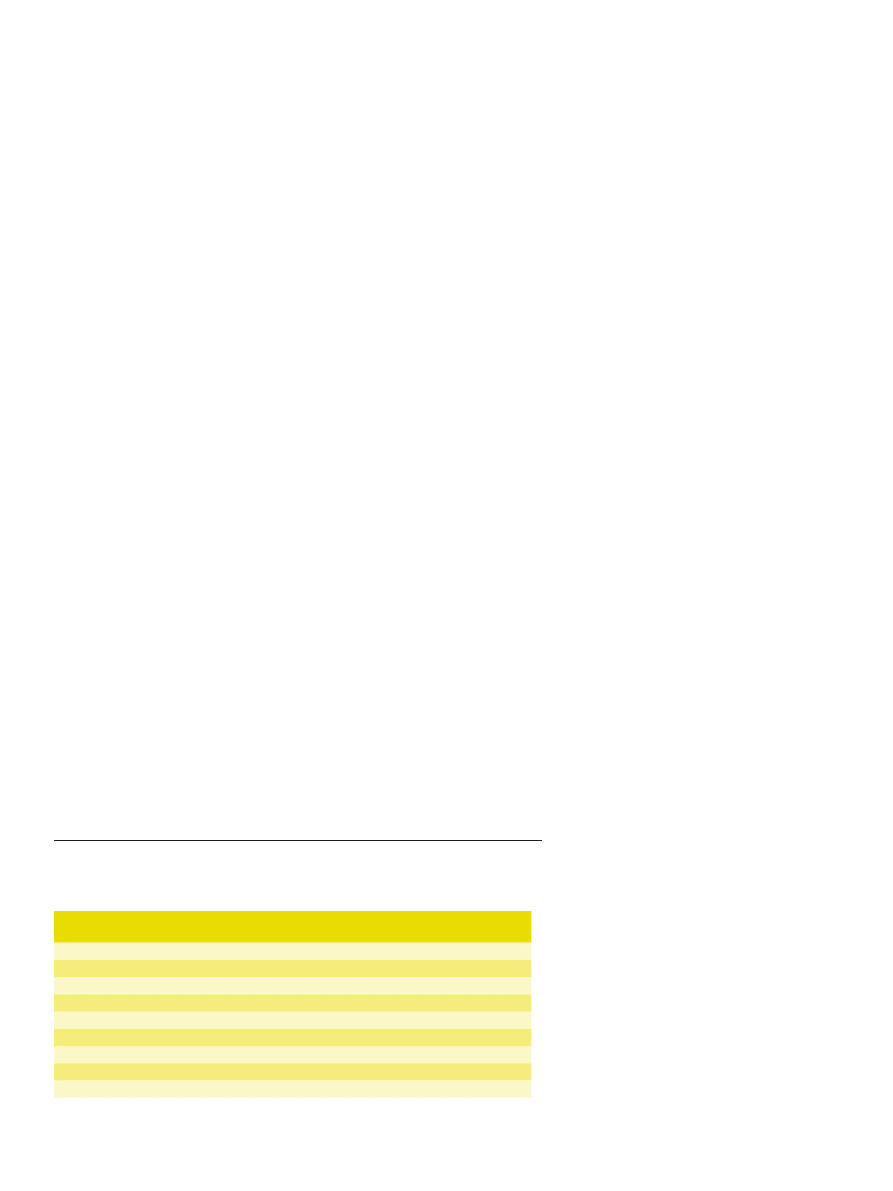
As shown in Table 1, the Amicon
®
Pro device offered a
significant reduction in overall processing time (33%, a sav-
ings of 63 min) while also minimizing hands-on time by
decreasing the number of steps from 31 to 15 (52% reduc-
tion). one of the key factors underlying time savings is the
reduction in spin steps (3 to 1, in each case)
required during the wash, elution, concen-
tration, and buffer exchange phases.
More importantly, the Amicon
®
Pro de-
vice’s faster, easier process did not com-
promise sample yield or purity. Given the
same starting parameters (resin, lysate,
and binding time), the Amicon
®
Pro device
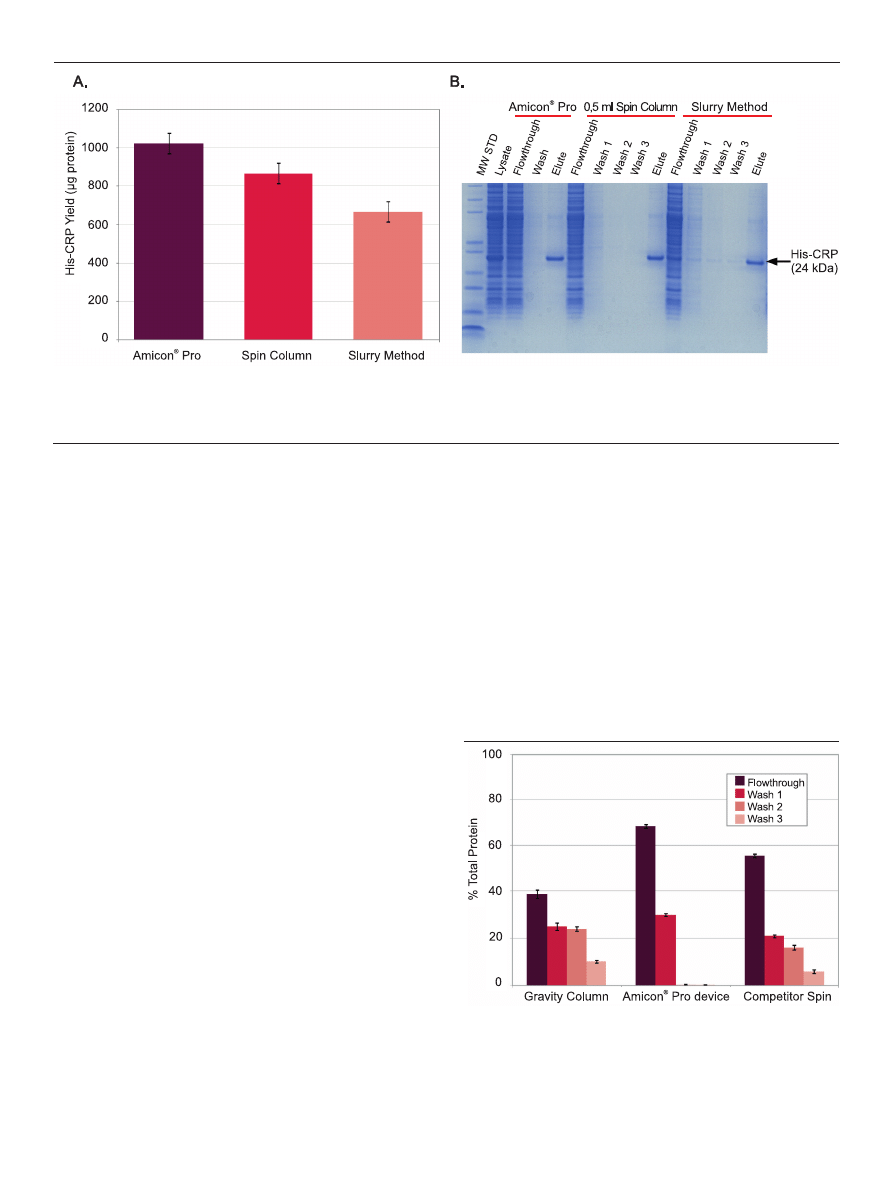
yielded 18% more His-CRP than the 0.5 ml
spin column and 53% more His-CRP than
the batch slurry method (fig. 2A). one fac-
tor that contributed to this improved yield
was that the Amicon
®
Pro device mini-
mized sample loss during transfer between
devices that typically occurs with affinity-
Table 1. Less time and fewer steps required by the Amicon
®
Pro workflow compared to traditional me-
thods. The table outlines the differences between the two spin-based methodologies at the individual step
and overall process levels following purification of a His-tagged protein from 0.5 ml E. coli lysate. The
Total time values represent the average and standard deviation of three independent trials involving 4
devices each.
Traditional (0.5 mL affinity-based spin
column + Amicon® Ultra 0.5 mL device)
Amicon
®
Pro
purification system
Wash resin
2 x 1 min
2 x 1 min
Bind
1 hour
1 hour
Clear
1 min
1 min
Wash
3 x 1 min
1 x 1 min
Elute
3 x 1 min
1 x 15 min
Concentrate
3 x 15 min
Buffer exchange
3 x 15 min
1 x 15 min
Total time (average)
190±6.2 min
127±2.5 min
Number of steps
31
15
330
www.postepybiochemii.pl
based spin columns or slurry methods. This result also fur-
ther substantiated the finding that binding of a target pro-
tein to a packed affinity resin is more efficient than in the
slurry format. Both the Amicon
®
Pro device as well as the
traditional affinity-based spin column, in which the affinity
resin is sequestered and separated from the removed frac-
tion, yielded more His-CRP than did the slurry method, in
which there is loss of His-CRP (and resin) during aspira-
tion of wash fractions. The gel image confirmed the purity
of the Amicon
®
Pro elution fraction; even with fewer sepa-
rate wash steps, no contaminating species contributed to the
yield value (fig. 2B).
MoRE EffiCiENT WASHiNG ENABLED
By LARGE voLUME RESERvoiR
Much of the relative improvement in overall perfor-
mance can be attributed to the Amicon
®
Pro device’s design.
The large chamber of the upper exchange device has a 10 ml
capacity. This larger volume provides two advantages over
smaller spin-based purification devices. first, the wash and
elution steps can each be achieved with a single one-minute
spin. While the Amicon
®
Pro device was able to eliminate
nearly all non-target proteins with a single 1.5 ml wash
step, the smaller affinity-based spin columns and gravity
column-based methods required three washes to effectively
clear the resin of nonspecifically bound species (fig. 3). The
large chamber capacity is even more advantageous in cases
requiring more stringent washing, in which the amount of
wash buffer used can easily be increased without increasing
process time.
ELUTioN WiTHoUT DiLUTioN
Similarly, for the elution phase, a single one-minute spin
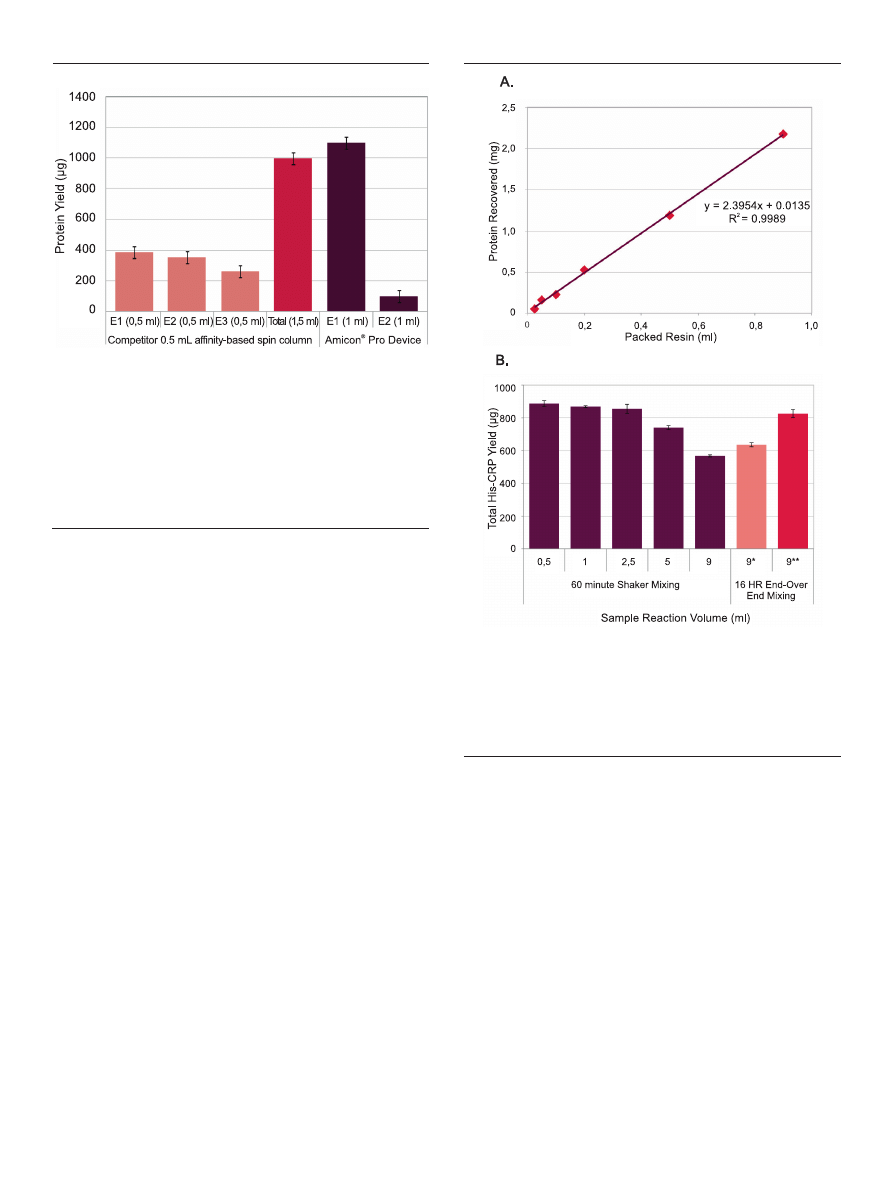
was sufficient to release >90% of bound protein (fig. 4). in
fact, the single spin resulted in recovery of more recombi-
nant protein than three elutions from the 0.5 ml spin col-
umn. Moreover, when the included Amicon
®
Ultra 0.5 ml
filter was attached, the sample underwent simultaneous
concentration during the elution step. The fraction’s final
concentrated volume was, on average, 45 μl following a 15
minute spin. By combining these two steps, the Amicon
®
Pro device further eliminated the tedious requirement of
determining protein content across the various eluted frac-
tions before concentrating.
ExCELLENT yiELD ovER WiDE
RANGE of SAMPLE voLUMES
The larger volume of the exchange chamber also allows
for processing of a wider range of sample volumes. To as-
sess the scalability of the Amicon
®
Pro purification process,
all components (resin, lysate, buffers) in the system were lin-
early scaled for 0.5–9 ml lysate (25–900 μl resin, fig. 5). As
demonstrated by the high R
2
value, the Amicon
®
Pro device
Figure 2. Better yield, equal protein purity from Amicon
®
Pro purification compared to two traditional affinity purification schemes. in each case, 100 μl settled resin was
used to purify His-CRP from 0.5 ml E coli lysate. (A) The graph shows the difference in total protein yield (His-CRP) from the three different bind-wash-elute methods. Bars
represent the average of 12 (Amicon
®
Pro), 6 (0.5 ml spin column), or 4 (slurry method) independent tests. (B) A representative gel showing the various fractions derived
during purification using the three methods being compared.
Figure 3. Efficient clearance of nonspecific protein with a one-spin wash. Ni-NTA
agarose resin (100 μl packed volume) was used to purify His-CRP from 0.5 ml
lysate using gravitydriven columns or centrifugal devices (n = 3). After unbound
protein was cleared (flowthrough), devices were washed three times (3 ml/wash
for the gravity column and Amicon
®
Pro, 0.5 ml/wash for the competitor spin
device). Each fraction was collected and total protein content was determined
using the Direct Detect™ spectrometer.
Postępy Biochemii 59 (3) 2013
331
showed linearity in protein yield for the range of reaction vol-
umes tested (fig. 5A). Because of this excellent yield, even
for larger sample volumes, the Amicon
®
Pro device facilitates
purification from samples in which the concentration of tar-
get protein is low (illustrated in fig. 5B). in this scalability as-
sessment, 0.5 ml of His-CRP-containing lysate was diluted to
varying degrees and subjected to purification using the Ami-
con
®
Pro device. for 100 μl resin, yield was roughly equiva-
lent for up to 2.5 ml diluted sample volume. However, per-
cent recovery declined significantly at sample volumes ≥ 5
ml, most likely due to reaction dilution and inadequate mix-
ing conditions (lowered resin-target interaction). To address
these challenges, binding reactions were carried out by end-
over-end mixing and extended to 16 hours, and volume of
packed resin was increased to 500 μl. When combined, these
modifications resulted in percent recovery that was nearly
equivalent to that of the standard reaction.
for larger scale reactions, two caveats must be consid-
ered. first, because the Amicon
®
Pro device’s ability to con-
centrate a sample is limited by the processing capacity of the
Amicon
®
Ultra 0.5 ml centrifugal deivce, larger reactions (>
200 μl packed resin) are restricted to the Bind-Wash-Elute
workflow (upper path in fig. 1). Second, to accommodate
the volumes in the two largest reactions shown, it was nec-
essary to increase the speed and duration of centrifugation
to 2000 g for 3 min following bind, wash, and elution steps.
fUNCTioNAL BENEfiTS of THE AMiCoN
®
PRo
DEviCE’S UNiqUE BUffER ExCHANGE DESiGN
As a final step in the purification process, buffer exchange
is often required to put the protein in the proper context for
downstream applications. Critical here is the ability to main-
tain high activity (relative to yield) of the purified fraction.
Although it is gentle, dialysis is time-consuming, subject to
sample loss, requires large volumes of buffer for exchange
and necessitates an additional concentration step. Current
centrifugal diafiltration methods require multiple rounds of
buffering (with repeated sample concentration and dilution),
which greatly increases the potential for protein aggregation
and precipitation or loss of structural integrity. To maximize
the buffering capacity of the Amicon
®
Pro device, the ex-
change tip was designed to closely match the contour of the
Amicon
®
Ultra 0.5 ml filter, increasing active membrane sur-
face area while reducing space between the plastic sidewalls
(fig. 6) and yet metering in the new buffer with sufficient
mixing to displace the original buffer in a single spin.
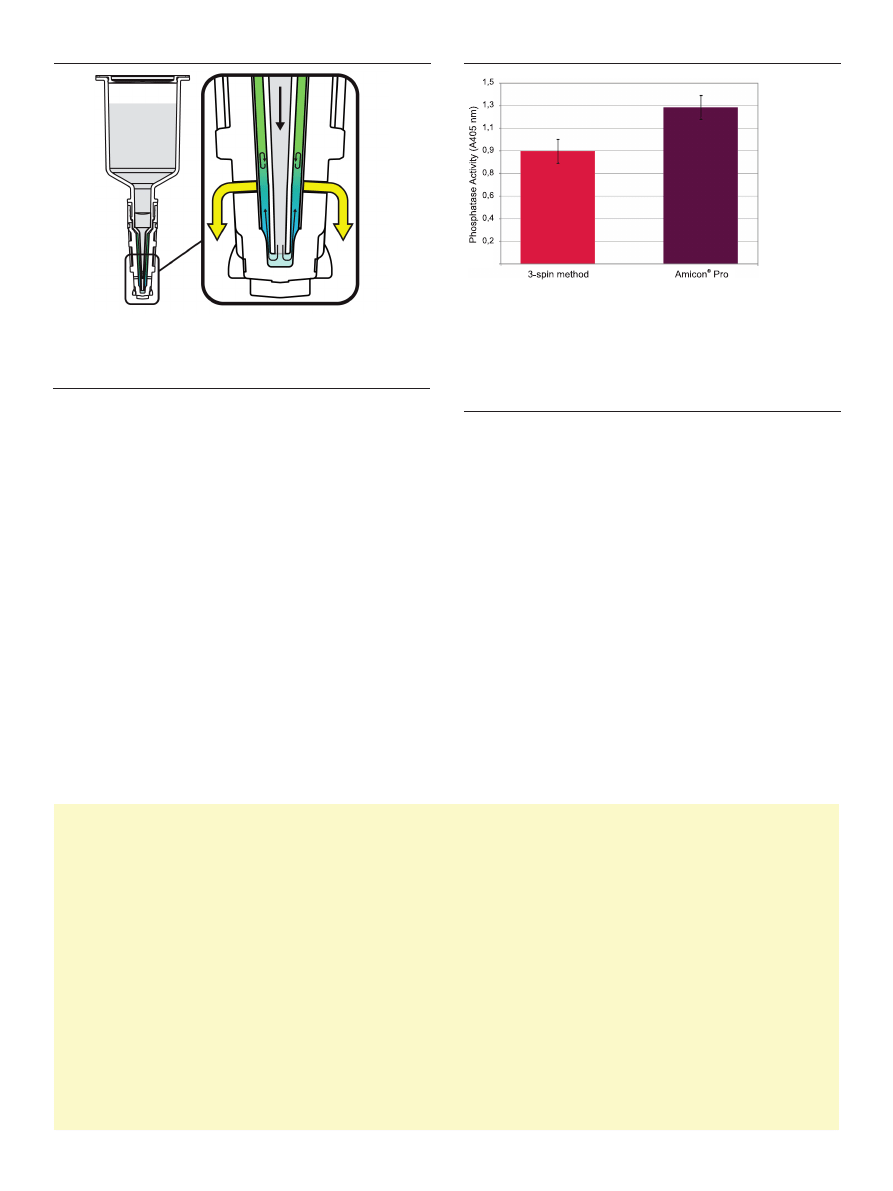
To assess diafiltration performance, equivalent eluted
samples of GST–LPP (lambda protein phosphatase; a protein
known to lose activity under standard 3-spin diafiltration
conditions) were buffer-exchanged using the Amicon
®
Pro
device (one 15-min spin using 1.5 ml) or an Amicon
®
Ultra 0.5
ml device (three 15-min spins using 0.5 ml buffer each). fol-
Figure 4. Protein elution without sample dilution. 100 μl Ni-NTA agarose resin
and 0.5 ml His-CRP lysate were added to Amicon
®
Pro or traditional devices (n
= 3) and incubated for 1 hour. After clearance and washing, proteins were eluted
from spin devices, either once in 1.5 ml Elution Buffer (Amicon
®
Pro) or 3 times
with 500 μl Elution Buffer (Competitor spin column). While three elution steps
were required for the smaller spin columns, a single spin in the Amicon
®
Pro
device was sufficient to recover > 90% of affinity-captured protein in an average
of 45 μl final volume*.
*for this sample, the included Amicon
®
Ultra 0.5 ml filter was attached, so that
the sample underwent simultaneous concentration during the elution step. The
fraction’s final concentrated volume was, on average, 45 μl following a 15 minute
spin.
Figure 5. Large exchange reservoir offers flexibility in volume of processed sam-
ple. (A) His-CRP purification was performed across a range of sample volumes
(n = 3 for each) using linearly scaled inputs of Ni-NTA resin and other reaction
parameters. Eluted fractions were quantified by measuring absorbance at 280 nm;
total protein yield was plotted against resin input. (B) 0.5 ml E. coli His-CRP lysate
was diluted to varying concentrations in 1x Bind Buffer and then purified using
the Amicon
®
Pro device and standard protocol. for certain samples, the binding
reaction was changed to 16 hours (9*, 9**). for 9**, the Ni-NTA resin input was
increased from 100 to 500 μl.
332
www.postepybiochemii.pl
Amicon
®
Pro — wszystkie etapy oczyszczania białek
w jednym systemie do wirowania
Amedeo Cappione
, Masaharu Mabuchi, Saosan Suhrawardy, David Briggs, Timothy Nadler
EMD Millipore, 17 Cherry Hill Drive, Danvers, MA 01923 USA
e-mail: amedeo.cappione@merckgroup.com
Słowa kluczowe: oczyszczanie białek, zatężanie białek, wymiana buforu, diafiltracja, chromatografia powinowactwa, Amicon Ultra
Wykaz skrótów: NTA – nitrilotriacetic acid; Ni – nikiel; PBS – bufor fosforanowy; CRP – białko C-reaktywne
STrESzCzENIE
Oczyszczanie białek jest długim procesem, który wymaga wielu etapów i systemów do oczyszczania. Proces ten często prowadzi do utraty i
degradacji białka. Amicon
®
Pro umożliwia wykonanie wszystkich etapów oczyszczania z zastosowaniem chromatografii powinowactwa w
jednym systemie do wirowania. W skład systemu wchodzą wirówkowe kolumny do chromatografii powinowactwa oraz jednostki pozwala-
jące w dalszych etapach na zatężanie próbek i wymianę buforu. System Amicon
®
Pro eliminuje potrzebę przenoszenia prób podczas analizy,
co minimalizuje straty materiału badawczego. Wyniki zaprezentowane w niniejszej pracy wskazują, że oczyszczanie białek zawierających
znaczniki His-tag jest szybsze i łatwiejsze niż inne metody tradycyjne (np. kolumny wirówkowe).
lowing exchange, resulting fractions were assayed for phos-
phatase activity using paranitrophenyl phosphate (pNPP)
substrate. Amicon
®
Pro-derived GST-LPP fractions retained
higher activity than similar samples buffer-exchanged using
a threespin method (fig. 7). This finding suggested that the
elimination of multiple concentration/dilution cycles had a
positive impact on sample integrity, providing greater con-
sistency of sample performance in downstream applications.
CONCLUSIONS
Reliable affinity-based purification is a prerequisite for un-
locking the biochemical functionality of proteins. While nu-
merous methods exist to handle this task, the overall workflow
is tedious and suffers from a lack of continuity, increasing the
potential for sample loss due to transfer between devices. As
outlined above, the Amicon
®
Pro device provides a single cen-
trifugal platform for smallscale purification. in comparative
analyses, purification of His-tagged protein using the Ami-
con
®
Pro device proved to be faster, easier, and garnered better
yields than other traditional methods.
The key benefits include reduced spin numbers at every
step, simultaneous concentration during elution (or buffer ex-
change) step through attachment of the Amicon
®
Ultra 0.5 ml
filter and no sample transfer during the entire process. Recov-
ery is improved by confining the sample and workflow to a
single device. Moreover, from the protein activity perspective,
highly effective single-spin diafiltration offers a more efficient
approach to buffer exchange than other current centrifugal op-
tions. Lastly, although designed to encompass the total work-
flow for a certain range of sample sizes (up to 200 μl resin),
the device’s modularity permits its use in larger scale purifi-
cations (up to 10 ml total volume; 1 ml resin), enrichment of
dilute samples, and single-spin buffer exchange. in summary,
the Amicon
®
Pro purification system offers a robust, rapid so-
lution for small-scale protein purification.
rEFErENCES
1. Merck Millipore (2013) Amicon
®
Pro User Guide. Literature Number
PR04105, Rev. A
2. Merck Millipore (2013) Amicon
®
Pro Affinity Concentration Kit Ni-
-NTA User Guide. Literature Number BWENT Rev. B
3. Merck Millipore (2011) Amicon Ultra-0.5 Centrifugal Device User Gu-
ide. Literature Number PR03711, Rev. A
Figure 6. The uniquely designed interface between the exchange tube tip and the
Amicon
®
Ultra device enables greater than 99% buffer exchange in a single spin.
Buffer exchange, as shown in this diagram, was measured by the replacement
of a low-molecular weight dye (yellow) with clear buffer (black arrows), while a
high-molecular weight dye (blue) was retained inside the Amicon
®
Ultra device.
Figure 7. Gentler buffer exchange = greater sample activity. Current centrifu-
gal diafiltration methods require multiple spin steps to achieve efficient buffer
exchange. Repeated concentration/dilution cycles can have deleterious effects on
protein structure, causing a reduction in total as well as specific activity. GST-LPP
was buffer-exchanged using an Amicon
®
Pro device or an Amicon
®
Ultra 0.5 ml
device (n= 4). following buffer exchange, samples were brought to an equivalent
volume (50 μl) and assayed for phosphatase activity using pNPP substrate. The
Amicon
®
Pro–derived GST-LPP demonstrated greater total activity compared to
that of the same protein buffer-exchanged using a 3-spin method.
Wyszukiwarka
Podobne podstrony:
2R Fragment TT54 Labor nr 4 ## 21 12 2011 id 327
odpowiedzibezpieczenstwo id 332 Nieznany
MPLP 332;333 01.01;13.01.2012
332 333
327
Elm 327 INSTALACJA
332
ploch 332
Mazowieckie Studia Humanistyczne r2002 t8 n2 s317 327
327 Manuskrypt przetrwania
327
opel diagnostyka, ►DIAGNOSTYKA ELM 327
326 327
Odpowietrzanie pompy ABS id 332 Nieznany
327
332
więcej podobnych podstron