
Repetytorium maturalne z języka angielskiego
– poziom rozszerzony
Testy
(do pobrania ze strony
www.pearson.pl/testy
)
Autorzy: Rod Fricker, Dean Russell, Beata Trapnell
© Pearson Central Europe Sp. z o.o. 2014
PHOTOCOPIABLE
LONGMAN Repetytorium maturalne z języka angielskiego – poziom rozszerzony
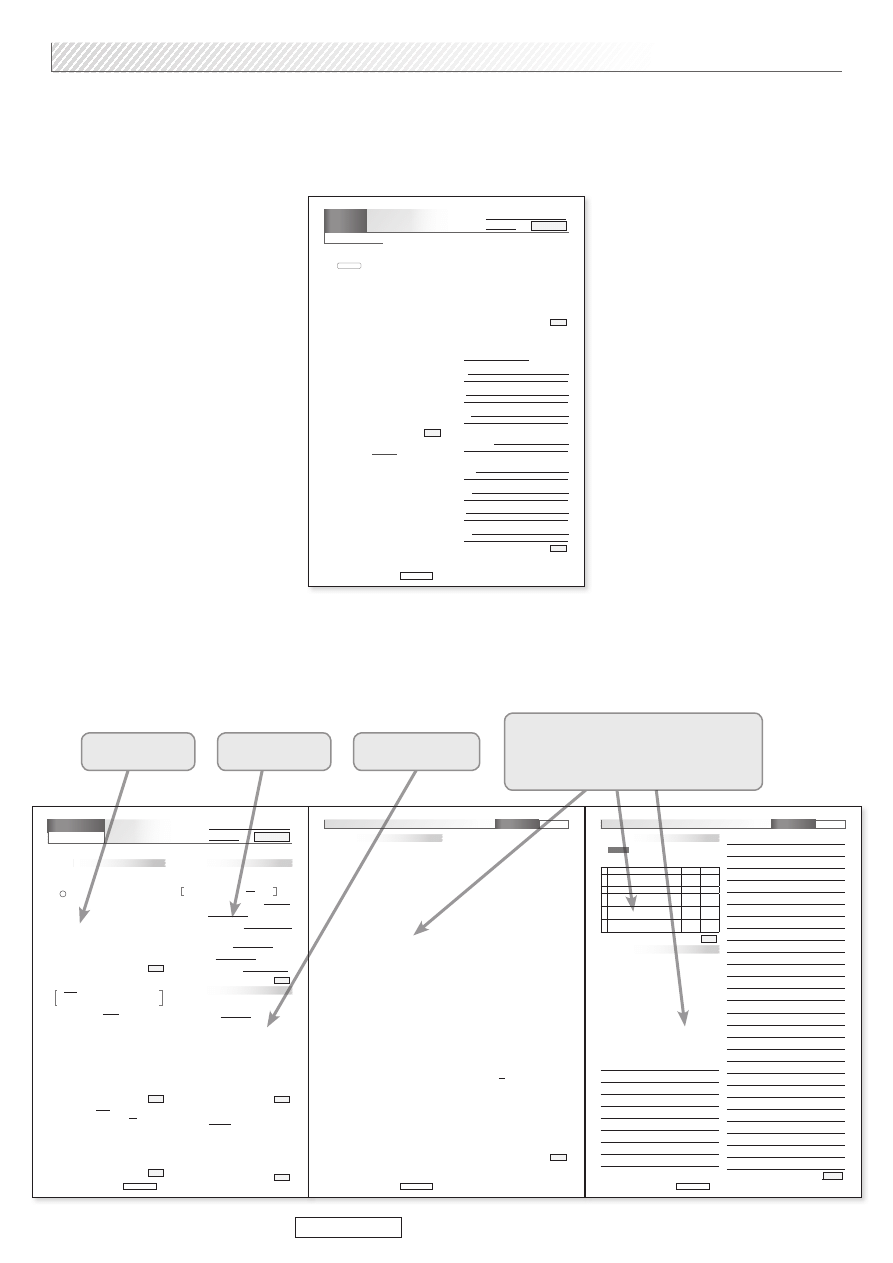
Testy do podręcznika LONGMAN Repetytorium maturalne z języka angielskiego – poziom rozszerzony zawierają kartkówki,
klasówki i testy maturalne, które składają się na kompleksowy system oceniania:
1. kartkówki do Banków słów w wersji A i B,
2. kartkówki gramatyczne do wszystkich rozdziałów części gramatycznej,
3. klasówki po każdych dwóch rozdziałach części tematycznej w wersji A i B (
MiniMatury),
4. testy maturalne (trzy zestawy testów na poziomie rozszerzonym i trzy zestawy na poziomie podstawowym).
Wersje A i B testów sprawdzają ten sam zakres materiału. Typy zadań wykorzystane w obu wersjach testów są identyczne, co
gwarantuje, że są one na takim samym poziomie zaawansowania. Testowane słowa są jednak różne, co znacznie zmniejsza
ryzyko ściągania przez uczniów.
Testy w wersji A i B mogą być używane na jeden z dwóch sposobów:
•
uczniowie są podzieleni na grupy A i B i każda z grup rozwiązuje swoją wersję testu,
•
wszyscy uczniowie rozwiązują tylko jedną wersję testu, a druga wersja pełni funkcję testu poprawkowego lub dodatkowego.
Testy w wersji Word można dowolnie edytować, m.in.:
1 zmieniać teksty i przemieszczać ramki,
2 zmieniać układ dwukolumnowy na jednokolumnowy. W celu dokonania takiej zmiany należy podświetlić zawartość
całej strony z wyjątkiem nagłówka, a następnie wybrać zakładkę „Układ strony” w górnym pasku narzędzi. Klikając
zakładkę „Kolumny”, należy wybrać komendę „1 kolumna”. W przypadku gdy objętość testu jest większa niż jedna
strona, należy powtórzyć tę samą procedurę dla każdej strony testu. Prosimy pamiętać, żeby nie podświetlać nagłówka
na górze strony!
3 kopiować dowolny tekst lub dowolne ćwiczenie i wklejać je do nowego dokumentu.
1. Kartkówki do Banków słów w wersji A i B
W Testach można znaleźć
dwanaście kartkówek do Banków słów (jedna na rozdział). Kartkówki sprawdzają znajomość
słownictwa z list leksykalnych znajdujących się na końcu każdego rozdziału części tematycznej. Rozwiązanie kartkówki
powinno zająć uczniom 10–20 minut.
© Pearson Central Europe Sp. z o.o. 2014
PHOTOCOPIABLE
LONGMAN Repetytorium maturalne z języka angielskiego – poziom rozszerzony
Grupa A
Słownictwo
Rozdział 1
Człowiek
Imię i nazwisko:
Klasa:
Wynik /20
1 Uzupełnij każdą lukę tylko jednym wyrazem.
0
It’s difficult to deal with my sister’s moods.
1
I’m fed
_________
with my brother.
2
I’m sorry. I wasn’t listening. I’ve got a lot
______
my mind.
3
My parents are passionate
_________
cycling.
4
My boyfriend is indifferent
_________
my feelings.
5
You should insist
_______
having more time for yourself.
/5
2 Przetłumacz słowa w nawiasach na język angielski.
0
That man is wearing a (pelerynę) cape .
1
Do you like my new (bransoletkę)
__________________
?
2
Do you think this (grzywka)
__________________
suits me?
3
(Złóż)
__________________
your clothes nicely when you
pack them.
4
Do you think I should wear this (sukienkę bez rękawów)
___________________________________
tonight?
5
You’re so (łatwowierny)
__________________
. You believe
anything people say.
/5
3 Uzupełnij wyrazy. Każda kreska odpowiada jednej
literze.
How can I
0
e x p r e s s my individuality? I was thinking of
having a
1
p
c
somewhere – maybe on my nose or
my lip – but it might hurt. I could have
2
d
hair blond
but I like my natural colour. I thought about buying some
cool,
3
v
t
clothes from the 1950’s or 1960’s but
they’re too expensive. I know. I’ll wear some
4
r
p
jeans with holes in them. I’ve got a pair already! The
problem is that my parents
5
d
p
o
of old,
scruffy clothes. It’s difficult!
/5
4 Połącz początki (1–5) z zakończeniami (A–J), żeby
utworzyć poprawne zdania. Podano cztery dodatkowe
zakończenia.
0
I need to regain Samantha’s
A
interest in
1
I hope my parents
what people
don’t change their
are doing.
2
I take a keen
B
sweat.
3
I’m not in the
C
head.
4
I had a bad dream
D
confidence.
and woke up in a cold
E
moon.
5
Success has gone to Phil’s
F
temper.
G
mind.
H
eyebrows
I
mood
for a party.
J
shoulders.
/5
© Pearson Central Europe Sp. z o.o. 2014
PHOTOCOPIABLE
LONGMAN Repetytorium maturalne z języka angielskiego – poziom rozszerzony
Człowiek
Grupa B
Słownictwo
Rozdział 1
Imię i nazwisko:
Klasa:
Wynik /20
1 Uzupełnij każdą lukę tylko jednym wyrazem.
0
It’s difficult to deal with my sister’s moods.
1
You should be content
________
what you have got.
2
I don’t approve
________
what you did.
3
We’re totally focused
________
what we’re doing.
4
I was upset by what Tim said because I’ve always
regarded him
________
a good friend.
5
I’m not in the mood
________
your jokes.
/5
2 Przetłumacz słowa w nawiasach na język angielski.
0
That man is wearing a (pelerynę) cape .
1
How did you get that (bliznę)
_________________
?
2
That jumper will (skurczy się)
_________________
if you
wash it in hot water.
3
I like Eileen but she’s a bit of a (wścibska)
_____________
.
4
She won’t change her mind. She’s too (uparta)
_________________
.
5
It takes more effort to (zmarszczyć brwi)
_________________
than to smile.
/5
3 Uzupełnij wyrazy. Każda kreska odpowiada jednej
literze.
How can I
0
e x p r e s s my individuality? I was thinking of
having
1
s
y
hair, like a punk. Then I could get a leather
jacket and some
2
t
t-f
n
jeans and a tattoo.
No. It’s not really my style. I know. I could wear a dressing
3
g
instead of a coat. That would be cool. The trouble
is, some people at school would laugh at me if I wore that
and I’d be
4
e
r
s
and go red. I don’t think I’ve
got the right character to look so different. Maybe, it’s
better to
5
b
n
into the crowd after all.
/5
4 Połącz początki (1–5) z zakończeniami (A–J), żeby
utworzyć poprawne zdania. Podano cztery dodatkowe
zakończenia.
0
I need to regain Samantha’s
A
mind
1
I haven’t got a good
B
sweat.
2
I take pride
C
lips.
3
He raised his
D
eyebrows in
4
He’s always in such a bad
surprise.
5
Hurry up and make up your
E
head for
numbers.
F
confidence.
G
temper.
H
in my
appearance.
I
shoulders.
J
moon.
/5
Repetytorium maturalne z języka angielskiego – poziom rozszerzony
Testy
© Pearson Central Europe Sp. z o.o. 2014
PHOTOCOPIABLE
LONGMAN Repetytorium maturalne z języka angielskiego – poziom rozszerzony
2. Kartkówki gramatyczne
Testy zawierają
24 kartkówki gramatyczne – jedną na każdy rozdział z części „Gramatyka” oraz kartkówkę: Powtórzenie,
sprawdzającą przekrojowo różne zagadnienia gramatyczne. Rozwiązanie kartkówki powinno zająć uczniom 20–30 minut.
© Pearson Central Europe Sp. z o.o. 2014
PHOTOCOPIABLE
LONGMAN Repetytorium maturalne z języka angielskiego – poziom rozszerzony
Gramatyka
Imię i nazwisko:
Klasa:
Wynik /30
Test 1
Present Simple, Present Continuous, Present Perfect Simple, Present Perfect Continuous
1 Wybierz prawidłową formę czasownika.
0
I can’t help you right now, I’m afraid. I meet /
am meeting a friend in half an hour.
1
We’ll need to get a move on. The coach leaves /
is leaving in half an hour.
2
I have ironed / have been ironing the clothes.
What should I do next?
3
My wrist hurts. I have been playing / have played that
new online game non-stop for the last five hours.
4
How often are you going / do you go bowling with Janet?
5
We’d better get ready. The sun comes / is coming up
and we’ve got a long climb ahead of us.
6
Is Marcy okay? I think she has been crying / has cried.
7
My Spanish is getting much better. I am attending /
attend a class every Saturday.
8
I think your egg is ready. It has boiled / has been boiling
for a few minutes now.
9
Patrick and Eliza are having / have a baby. It’s a beautiful
golden-haired boy.
10
I have left / have been leaving him messages all morning
but he hasn’t responded yet.
11
Unbelievable! We’re only 45 seconds into the game
and Gerrard puts / is putting the ball in the back of the
Arsenal net!
12
Here’s a good joke: A bear walks / has walked into
a restaurant…
/12
2 Wstaw czasowniki w nawiasach w odpowiedniej formie.
Joanna:
Hi, Marta. I
0
haven’t seen
(not / see) you for ages.
How’s it going?
Marta:
Great, thanks. And you?
1
______________________
(you / hear) from Susan recently?
Joanna:
Susan? She
2
________________
(live) in London
at the moment and
3
_________________
(work)
temporarily as a waitress in a pizza restaurant just
to try and earn a few pounds.
Marta:
Really.
4
____________________
(you / speak) to her
often?
Joanna:
She
5
_______________
(call) me every now and then
to fill me in on the news. And guess what?
She’s met a guy and they
6
_______________________
____________
(get married) in the summer.
A bit of a whirlwind romance I believe as they
7
______________________
(know) each other for only
a few months.
Marta:
Really? No?
Joanna:
And recently she
8
_____________________
(take up)
going to the gym. She
9
_____________
(go) three or
four times a week as she
10
__________________
(try)
to lose a bit of weight before the big day.
Marta:
Wow. How some things change, eh?
/10
3 Przekształć zdania, używając wyrazu podanego
drukowanymi literami, tak aby zachować znaczenie
zdania wyjściowego.
0
I seldom go to art galleries.
USUALLY
I don't usually go to art galleries.
1
I haven’t eaten meat for over five years.
MORE
It
.
2
I started to live here in 2001.
SINCE
I
.
3
She doesn’t get to see him very often.
RARELY
She
.
4
These days, the number of people that use public
transport is rising.
NOWADAYS
More and more
.
5
It’s annoying that Janet loses her glasses all the time.
ALWAYS
Janet
.
6
You are very similar in appearance to your father. LOOK
You
.
7
It isn’t my intention to hurt you.
MEAN
I
.
8
This is her first appearance on stage.
NEVER
She
.
/8
Czasy teraźniejsze
3. Klasówki po każdym rozdziale części tematycznej w wersji A i B (MiniMatury)
Po każdych dwóch rozdziałach części tematycznej podręcznika można zrobić klasówkę sprawdzającą znajomość słownictwa,
gramatyki i środków językowych oraz sprawność słuchania, czytania i pisania.
Całkowita liczba takich klasówek to 6.
Rozwiązanie kartkówki powinno zająć uczniom około 40 minut.
© Pearson Central Europe Sp. z o.o. 2014
PHOTOCOPIABLE
LONGMAN Repetytorium maturalne z języka angielskiego – poziom rozszerzony
Grupa A
Mini
Matura
Rozdziały 1–2
Imię i nazwisko:
Klasa:
Wynik /50
SŁOWNICTWO
1 Wybierz opcję A, B albo C, tak aby poprawnie
uzupełnić zdania.
0
Park the car on the
_____
.
A
drive
B
steps
C
porch
1
Dad’s in the garden cutting the
_____
.
A
railings
B
hedge
C
porch
2
Do you mind if we drop
_____
and see you on our way
home?
A
out
B
in
C
off
3
My landlady wants to
_____
me.
A
repossess
B
see to
C
evict
4
It will take ages to do
_____
this old house.
A
up
B
out
C
off
5
I’m hopeless. I can’t even mend a dripping
_____
.
A
lawn
B
blind
C
tap
/5
2 Uzupełnij tekst wyrazami z ramki. W ramce podano
pięć dodatkowych słów.
absent moaned thrilled leaned faded
stared shrugged peeked mumbled
terrified creased
Johnny was always quite
0
absent
-minded but he changed
after the day of his first job interview. He had forgotten
about it and, when he woke up, he realised he was late.
There was no time to iron his clothes so he put on
a
1
_______________
shirt, trousers and shoes and ran out of
the house. When he got to the interview, there were three
people waiting for him. He sat in front of them and
they
2
_______________
at his shirt. Johnny was
3
____________
.
One of the interviewers, a middle-aged man with a large
moustache,
4
_______________
back in his chair and asked
Johnny a question. Johnny could hardly speak.
He
5
_______________
a few words that no-one could hear
and then, realising he would never get the job, got up
and ran out of the room.
/5
3 Uzupełnij każdą lukę jednym słowem.
0
I need a better job before I can take
out
a mortgage.
1
Stop moaning. You should be content
_______
what
you’ve got.
2
The landlady insists
_______
getting the rent on the 1st
of the month.
3
I disapprove
_______
borrowing money, but not for a
house.
4
Can you clean
_______
the mess you made, please?
5
Why don’t you take more pride
_______
your appearance?
/5
GRAMATYKA
4 Uzupełnij zdania poprawnymi formami czasowników
w ramce.
be not tidy move save stare paper
0
When my teacher asked me a question, I
was staring
out of the window.
1
Mark and I
friends for ages before
he asked me out.
2
When I got home, my parents
the walls in the living room. Luckily, they didn’t want me
to help them!
3
This time next week, we
in to our
new house.
4
By next June, I
up enough money
to get my own room.
5
The room is a mess because I
it
for ages.
/5
ŚRODKI JĘZYKOWE
5 Przetłumacz zwroty podane w nawiasach na język
angielski.
0
(Nie zauważyłem)
I hadn't noticed
your grey hairs until
you pointed them out.
1
I wish (żebyś nie potrząsał)
_________________________
your head like that when you disagree with me!
2
If you hadn’t been so nervous, (zdałabyś)
_____________
_________________________
your driving test the first time
you took it.
3
Lisa is passionate (czytaniem)
_________________________
but she hasn’t got a bookcase in her living room.
4
My mum was angry when I told her that (nie mam czasu)
_____________________________
to mow the lawn because
I wanted to meet my friends.
5
I’m wearing old shoes because I can’t afford (na kupienie
nowej pary)
________________________________
.
/5
6 Uzupełnij tekst poprawnymi formami słów podanych
w nawiasach.
I try not to be
0
intolerant
(TOLERATE) of other people
but sometimes it is
1
_____________
(POSSIBLE) to be positive
about others. Some of the boys in my class are really
2
_________________
(COMPETE). They have to be the best at
everything. They are
3
_____________
(CAPABLE) of enjoying
life if they aren’t winning. They have tests of their
4
_____________
(STRONG) and speed almost every day.
The only competition I would win would be for the most
5
_____________
(TALK) student. I love chatting to my friends!
/5
© Pearson Central Europe Sp. z o.o. 2014
PHOTOCOPIABLE
LONGMAN Repetytorium maturalne z języka angielskiego – poziom rozszerzony
Mini
Matura
Grupa A
Rozdziały 1–2
CZYTANIE
7 Przeczytaj tekst. Z podanych odpowiedzi A–D wybierz
właściwą, zgodną z treścią tekstu.
Tekst 1.
BACK HOME
Josh and his wife Helen stood silently at the front door as
the men came and went, carrying their belongings with
them. They’d only been there a few months and already
they had to move on. Their agreement with the landlord
was that they would be given three months notice before
they had to leave. Although it was only two weeks since
they’d been informed that the landlord was terminating
the agreement, they couldn’t afford the legal fees to fight
for their rights in court, even if they had known that such
rights existed. They had lost the will to fight back many
years before when the house they had been buying was
repossessed. Josh had been made redundant at work
and the house they had been buying was repossessed
because the bank hadn’t given them time to rearrange
their finances. Since then, they had been at the mercy
of private landlords, paying deposits they would never
get back and putting up with damp walls, high rents and
constant uncertainty.
Josh called his two children and they all climbed into
the waiting removal’s van. They didn’t own a car. ‘Where
to?’ asked the driver who, despite his unfriendly tone
of voice, had at least felt sorry enough to offer them a
lift. Josh directed him to his parents’ house, a small, two
bedroom terraced house which they would have to call
home until their circumstances changed. At least there
was a garage where they could store their belongings
The children didn’t mind. Gran and Grandpa had a
garden and a bathroom with reliable supplies of hot
water. The beds were warm, unlike their beds before,
even if they did have to share a room with their parents.
Best of all, there was a television.
That evening, Josh and his father argued. Josh’s father
still couldn’t understand how they had lost their house
and he had no idea why they couldn’t at least find a
council house to rent. Josh tried to explain once again
but they were interrupted by raised voices coming from
the kitchen. The two men forgot their differences and
smiled at each other. “That didn’t take long” said Josh’s
father, “last time you stayed here the arguments didn’t
start until at least the second morning.” Josh sighed. He
knew what the problem was. Why couldn’t his wife let her
mother-in-law serve up something tasty and unhealthy
for supper, just this once. She could go shopping for
vegetables and brown bread in the morning.
1
Josh and his wife didn’t have
A
the right to demand three month’s notice from their
landlord.
B
enough money to take their landlord to court.
C
an agreement with the landlord about how much
notice he would give them.
D
enough money to pay their rent.
2
Which of these things at the parents’ house did they
also have at their old home?
A
A garden.
B
One bedroom for the whole family.
C
Enough beds.
D
A television.
3
Josh knew his wife was arguing about
A
his mother’s choice of food.
B
who should make supper.
C
when they would go shopping.
D
coming to stay in Josh’s parents’ house.
Tekst 2.
THE HOUSING CRISIS
Before the Second World War, many people in Britain
were forced to live in dirty, cramped accommodation,
often without bathrooms. The bathtub was in the kitchen
and the toilet in a hut in the garden. After the war, with
millions of homes destroyed, the government began
a council house building programme which gave poor
people good quality housing. What’s more, rents were
cheap and the tenants had the security of knowing that
the house was theirs for life.
Then, in the 1980’s the government allowed the tenants
to buy their council homes. This was a popular idea as
the houses were sold cheaply. However, no new council
homes were built and so there were too few available
for the next generation’s needs. Those who were unable
to find one were left at the mercy of private landlords.
For them, rents are higher, security is almost non-
-existent and standards are lower with many landlords
unwilling to repair or replace things that are faulty. Local
councils aren’t perfect but at least they employ builders,
plumbers and electricians. In addition, renters need to
find a month’s rent in advance and, often, an additional
deposit in case of damage.
What many people find most ridiculous is that this
government policy costs money. Many people who rent
are unemployed or earning very low incomes and they
receive housing benefit from the government. This is not
only higher than it used to be, because rents are higher,
but now goes to the pockets of private landlords rather
than back to local councils to help them improve and
increase their housing stock.
4
Which of these is not a benefit of council housing?
A
It makes it easier for people to buy their own house.
B
People don’t have to worry about having to leave
their homes at short notice.
C
It is cheaper for the government than privately rented
accommodation.
D
It is more likely that tenants will be able to get faults
repaired.
5
The two writers share the same opinions about
A
the high price of houses.
B
the problems of finding somewhere to live.
C
the difficulty in getting a loan to buy a house.
D
the problems of privately rented accommodation.
/5
© Pearson Central Europe Sp. z o.o. 2014
PHOTOCOPIABLE
LONGMAN Repetytorium maturalne z języka angielskiego – poziom rozszerzony
Mini
Matura
Grupa A
Rozdziały 1–2
SŁUCHANIE
8
TRACK 02
Usłyszysz dwukrotnie rozmowę Cathy i Toma.
Odpowiedz na pytania (1–5). Zaznacz znakiem (7)
odpowiednią rubrykę w tabeli.
Who…
Cathy
Tom
1
is wearing strange clothes for the
weather?
2
is in a bad mood?
3
disapproves of the other person’s
idea?
4
suggests something the other person
should wear?
5
tries to cheer the other person up by
being positive?
/5
PISANIE
9 Wykonaj zadanie egzaminacyjne.
Czasopismo, które często czytasz, postanowiło wydać
w przyszłym miesiącu numer specjalny: ‘Student Special’,
z informacjami i radami dla studentów. Czasopismo
zwróciło się z prośbą do swoich czytelników o nadsyłanie
artykułów. Najlepszy artykuł zostanie wydrukowany, a jego
autor otrzyma nagrodę.
Artykuł ma być częścią sekcji
poświęconej zakwaterowaniu i nosić tytuł: Jak znaleźć
idealnego współlokatora (Finding the perfect flatmate).
Postanowiłeś/aś wziąć udział w konkursie. W artykule opisz
cechy, które według ciebie powinien posiadać dobry
współlokator, i zaproponuj sposoby sprawdzenia, czy
potencjalny kandydat na współlokatora je posiada, zanim
podejmiesz decyzję o zamieszkaniu pod jednym dachem.
Wypowiedź powinna zawierać od 200 do 250 słów i spełniać
wszystkie wymogi dotyczące formy wskazanej w poleceniu.
/10
Słownictwo
Gramatyka
Środki językowe
Umiejętności językowe: rozumienie ze
słuchu, rozumienie tekstów pisanych
i tworzenie wypowiedzi pisemnej

Repetytorium maturalne z języka angielskiego – poziom rozszerzony
Testy
© Pearson Central Europe Sp. z o.o. 2014
PHOTOCOPIABLE
LONGMAN Repetytorium maturalne z języka angielskiego – poziom rozszerzony
4. Testy maturalne
W Testach znaleźć można
trzy testy maturalne do matury pisemnej na poziomie rozszerzonym oraz trzy testy do
matury pisemnej na poziomie podstawowym. Ponadto znajduje się tu również osiem zestawów do matury ustnej
– w wersji dla zdającego i dla egzaminującego.
Egzamin pisemny
© Pearson Central Europe Sp. z o.o. 2014
PHOTOCOPIABLE
LONGMAN Repetytorium maturalne z języka angielskiego – poziom rozszerzony
ROZUMIENIE ZE SŁUCHU
TRACK 08
Zadanie 1. (0–3)
Usłyszysz dwukrotnie trzy teksty. Z podanych odpowiedzi
wybierz właściwą, zgodną z treścią nagrania. Zakreśl literę
A, B albo C.
Tekst 1.
1.1. How should the text be headed?
A
WE FEEL UNSAFE DESPITE FALLING CRIME RATES
B
MINISTERS FIND NEW WAY TO REDUCE CRIME
FIGURES
C
GOVERNMENT TO ACT TOUGH ON CRIMINALS
Tekst 2.
1.2. The speaker’s intention is to
A
raise financial help for Trevor Bayliss.
B
demand that the government change its policies.
C
criticise how large companies operate.
Tekst 3.
1.3. Which is an opinion according to the text?
A
A friend of Cathy’s is taking her to a nightclub.
B
Cathy doesn’t want to date Gary any more.
C
Gary is the most forgetful person Cathy knows.
/3
TRACK 09
Zadanie 2. (0–4)
Usłyszysz dwukrotnie cztery wypowiedzi na temat
irytujących nawyków. Do każdej wypowiedzi (2.1.–2.4.)
dopasuj odpowiadające jej zdanie (A–E). Wpisz rozwiązania
do tabeli. Uwaga: jedno zdanie zostało podane dodatkowo
i nie pasuje do żadnej wypowiedzi.
The speaker
A
gets annoyed by a member of his/her family.
B
got professional help to stop his/her habit.
C
doesn’t notice when he/she is doing something
annoying.
D
managed to find a cure for his/her habit on the Internet.
E
doesn’t believe people who claim not to have any
annoying habits.
2.1.
2.2.
2.3.
2.4.
/4
TRACK 10
Zadanie 3. (0–5)
Usłyszysz dwukrotnie rozmowę na temat adaptowanego
pomieszczenia. Z podanych odpowiedzi wybierz właściwą,
zgodną z treścią nagrania. Zakreśl literę A, B, C albo D.
3.1. What do we know about the man’s house?
A
The exact address of the house.
B
The kind of house it is.
C
When the shed was built.
D
The number of bedrooms it has got
3.2. The man’s son hasn’t moved into the shed yet
because
A
the electricity needs checking.
B
there’s no furniture.
C
there isn’t a kitchen.
D
a plumber has to look at the bathroom.
3.3. The council told the man
A
who had informed them about the shed.
B
to knock down the shed.
C
that his application had been rejected.
D
to apply for planning permission.
3.4. Which of these does the woman
not warn him
might happen?
A
The council may send someone to his house to
destroy the shed.
B
The council may take the man to court.
C
The council may force him to return the shed to
how it was before.
D
The man may have to pay a lot of money as a
punishment.
3.5. The woman
A
is a member of the council.
B
works as lawyer.
C
has helped the man renovate the shed.
D
is a friend of the man.
/5
Test maturalny 1
– Część pisemna. Poziom rozszerzony
Imię i nazwisko:
Klasa:
Wynik /50
© Pearson Central Europe Sp. z o.o. 2014
PHOTOCOPIABLE
LONGMAN Repetytorium maturalne z języka angielskiego – poziom rozszerzony
ROZUMIENIE TEKSTÓW PISANYCH
Zadanie 4. (0–4)
Przeczytaj trzy opinie o wykonywanej pracy. Do każdego zdania (4.1.–4.4.) dopasuj właściwą recenzję (A–C). Wpisz
rozwiązania do tabeli. Uwaga: jedna opinia pasuje do dwóch zdań.
HOW DO YOU FEEL ABOUT YOUR PART-TIME WORK?
A
I work in a restaurant next to the beach. It’s my second year here and I enjoy it most of the time. I get on well with the
customers. They’re cool. I don’t really have time to socialize with the other workers, though, as I’m busy all the time.
They’re all a bit young anyway. We have a three hour break in the afternoon during which the others go swimming.
However, I tend to stay in the restaurant as there’s a small room with a camp bed in it and I need the sleep because the
evening shift doesn’t finish until midnight.
B
I got a summer job in a shop this year. I don’t really enjoy the work as it’s quite boring although I’m not complaining – that’s
just shop work. I’d really like to be a lifeguard but there are no jobs around here. At least there are some good people
working with me. We chat together when we can – usually after work in a café because there’s no time at work. We’re lucky
to get enough time off for a toilet break or to have a quick bite to eat. Certainly there’s no time to talk.
C
I work in a garden centre. I love plants and I used to spend most of my free time there so I thought it’d be good to work
there. I remember watching the workers watering the plants and wandering around in the sunshine. They always looked
so happy and friendly. Now, the only time I get to go outside is on my break. I work in a large, hot, airless greenhouse and
spend all day carrying heavy bags of earth or stacking boxes of grass seeds on shelves. It’s dull and I never get to meet
anyone. As you can imagine, I don’t spend a lot of free time here anymore!
Find in which text the author
4.1.
gets on well with his/her colleagues.
4.2.
complains about the duties they have to do.
4.3.
says that the breaks are not long enough.
4.4.
stays at his/her workplace when he/she doesn’t have to.
/4
Test maturalny 1
Część pisemna. Poziom rozszerzony
Egzamin ustny
Wersja dla zdającego
Wersja dla egzaminującego
© Pearson Central Europe Sp. z o.o. 2014
PHOTOCOPIABLE
LONGMAN Repetytorium maturalne z języka angielskiego – poziom rozszerzony
Test maturalny.
Część ustna
Zadanie 1
4 minuty
W trakcie pobytu w szkole językowej w Cambridge mieszkasz
u angielskiej rodziny. Rozmawiasz z gospodarzem/gospodynią
na temat zasad obowiązujących w jego/jej domu. Poniżej
podane są cztery kwestie, które musisz omówić w rozmowie
z egzaminującym.
Posiłki
Cisza nocna
Obowiązki
Zapraszanie gości
Rozmowę rozpoczyna zdający.
Zadanie 2
3 minuty
Opisz ilustrację i odpowiedz na pytania egzaminującego.
Zadanie 3
5 minut
Popatrz na
Zdjęcia 1. i 2.
Przygotowujesz wspólnie z kolegą/koleżanką prezentację
zachęcającą młodych ludzi do pracy wolontariusza. Masz do
wyboru dwa zdjęcia.
• Wybierz to zdjęcie, które będzie, twoim zdaniem, bardziej
odpowiednie, i uzasadnij swój wybór.
• Wyjaśnij, dlaczego odrzucasz drugą propozycję.
Zestaw
1
• Życie rodzinne i towarzyskie
• Zdrowie
• Państwo i społeczeństwo
Egzamin maturalny z języka angielskiego
Wersja dla zdającego
1
2
© Pearson Central Europe Sp. z o.o. 2014
PHOTOCOPIABLE
LONGMAN Repetytorium maturalne z języka angielskiego – poziom rozszerzony
Test maturalny.
Część ustna
Zestaw
1
• Życie rodzinne i towarzyskie
• Zdrowie
• Państwo i społeczeństwo
Egzamin maturalny z języka angielskiego
Wersja dla egzaminującego
Rozmowa wstępna
ok.
2 minuty
Pytania dla egzaminującego
ZAKUPY I USŁUGI
ŚWIAT PRZYRODY
ŻYWIENIE
• Do you usually make a shopping list
before you go shopping? Why? Why
not?
• Have you ever complained about a
product? Why?
• What are the advantages of buying
things online?
• Why do you think people become
shopaholics?
• What kind of advertisements do you
find interesting? Why?
• Why do people keep pets?
• What is the purpose of zoological
gardens / ‘zoos’?
• How can animals help people?
• What kind of weather do you like
most? Why?
• How eco-friendly are you?
• What is your favourite cuisine? Why?
• What was your favourite food when
you were a child?
• Do you like eating out? Why? Why
not?
• Have you ever tried to follow a diet?
Were you successful? Why? Why not?
• What would you like to learn to cook?
Why?
Zadanie 1
4 minuty
Dodatkowe uwagi dla egzaminującego
Jest Pan/Pani właścicielem/właścicielką domu, w którym będzie mieszkał zdający w trakcie pobytu w szkole językowej
w Cambridge. Rozmawiacie na temat zasad obowiązujących w Pana/Pani domu. Rozmowę rozpoczyna zdający.
W zależności od tego, jak potoczy się rozmowa, proszę włączyć do niej
wszystkie/wybrane punkty.
➜
Proszę poprosić zdającego o dokładniejsze objaśnienie którejś kwestii.
➜
Proszę grzecznie nie zgodzić się ze zdającym, tak aby musiał podać kolejne argumenty lub zaproponować inne rozwiązanie.
➜
Nie zgadza się Pan/Pani na hałasy i głośną muzykę po godzinie 22.00.
➜
Jest Pan/Pani zdania, że zdający powinien codziennie sprzątać swój pokój.
➜
Uważa Pan/Pani, że przyjmowanie gości może odbywać się tylko w weekendy.
Zadanie 2
3 minuty
Pytania dla egzaminującego
1 Why do you think the woman needs help?
2 Would you like to be a nurse or a doctor? Why?
3 Tell me about a situation when you or someone you know had an accident.
Zadanie 3
5 minut
Pytania dla egzaminującego
Proszę zadać zdającemu
dwa z poniższych pytań:
1 Do you think it is important to donate money to charity? Why? Why not?
2 What reasons do people have for doing voluntary work?
3 What do you think are the most important social problems in the world?
4 Should we give money to beggars in the streets? Why? Why not?
© Pearson Central Europe Sp. z o.o. 2014
PHOTOCOPIABLE
LONGMAN Repetytorium maturalne z języka angielskiego – poziom rozszerzony
L epsze ef
ek t y k szt ał cenia
Diagnoza szkolna
Zaleca się regularne diagnozowanie umiejętności uczniów szkół średnich. Po więcej informacji na ten temat zapraszamy na
stronę:
digital.pearson.pl
Dla szkoły
■
szczegółowa analiza osiągnięć uczniów na każdym etapie kształcenia i obiektywne porównanie na tle szkoły
i populacji
■
gotowy materiał naprawczy skorelowany z wynikami testów – odpowiedź na specjalne potrzeby edukacyjne
poszczególnych uczniów
■
rzeczywista indywidualizacja nauczania zgodnie z założeniami nowej podstawy programowej
■
stałe monitorowanie realizacji podstawy programowej i stopnia przygotowania uczniów do egzaminów
końcowych
■
lepsze rezultaty uzyskiwane przez uczniów na egzaminach końcowych
Dla ucznia
■
zapoznanie z formatem egzaminów końcowych dzięki testom próbnym
■
rosnąca świadomość stopnia przygotowania do egzaminów końcowych
■
praca nad obszarami, w których uczeń uzyskał słabsze wyniki
■
motywacyjne działanie raportów pozwalających śledzić postępy ucznia
Dla rodziców
■
systematyczna informacja na temat postępów ucznia na tle klasy i populacji
■
wskazanie obszarów, w których uczeń powinien wykonać dodatkowe ćwiczenia
■
zapewnienie dodatkowego materiału dopasowanego do potrzeb konkretnego ucznia
■
możliwość świadomego zaangażowania w proces nauczania i w realizację programu naprawczego
Wyszukiwarka
Podobne podstrony:
przewodnik pracodawcy wstep i spis tresci id 407329
Wstęp i spis treści2
Ernst K Fizyka Sportu wstęp spis treści
Wstęp i spis treści (2)
SD2 Wstęp Spis treści, str 1 22
Wstęp i spis treści projekt z geologii
Pierre Dukan 350 przepisow Wstep i spis tresci
Ernst K Fizyka Sportu wstęp spis treści
Bulimia spis treści, wstęp 1 rozdział; część 1 fakty
00 spis tresci wstep [ www potrzebujegotowki pl ]
1 Spis tresci,wstep
R00 Strona tytułowa Spis treści Wstęp
01 spis tresci i wstep [ www potrzebujegotowki pl ]
0 Spis treści, Wykaz ważniejszych jednostek i oznaczeń, Przedmowa, Wstęp
(2) Spis treści i Wstęp
1 Spis tresci,wstep
więcej podobnych podstron