PRESENT TENSES & PERFECT FORMS / B1-B2
PRESENT TENSES & PERFECT FORMS
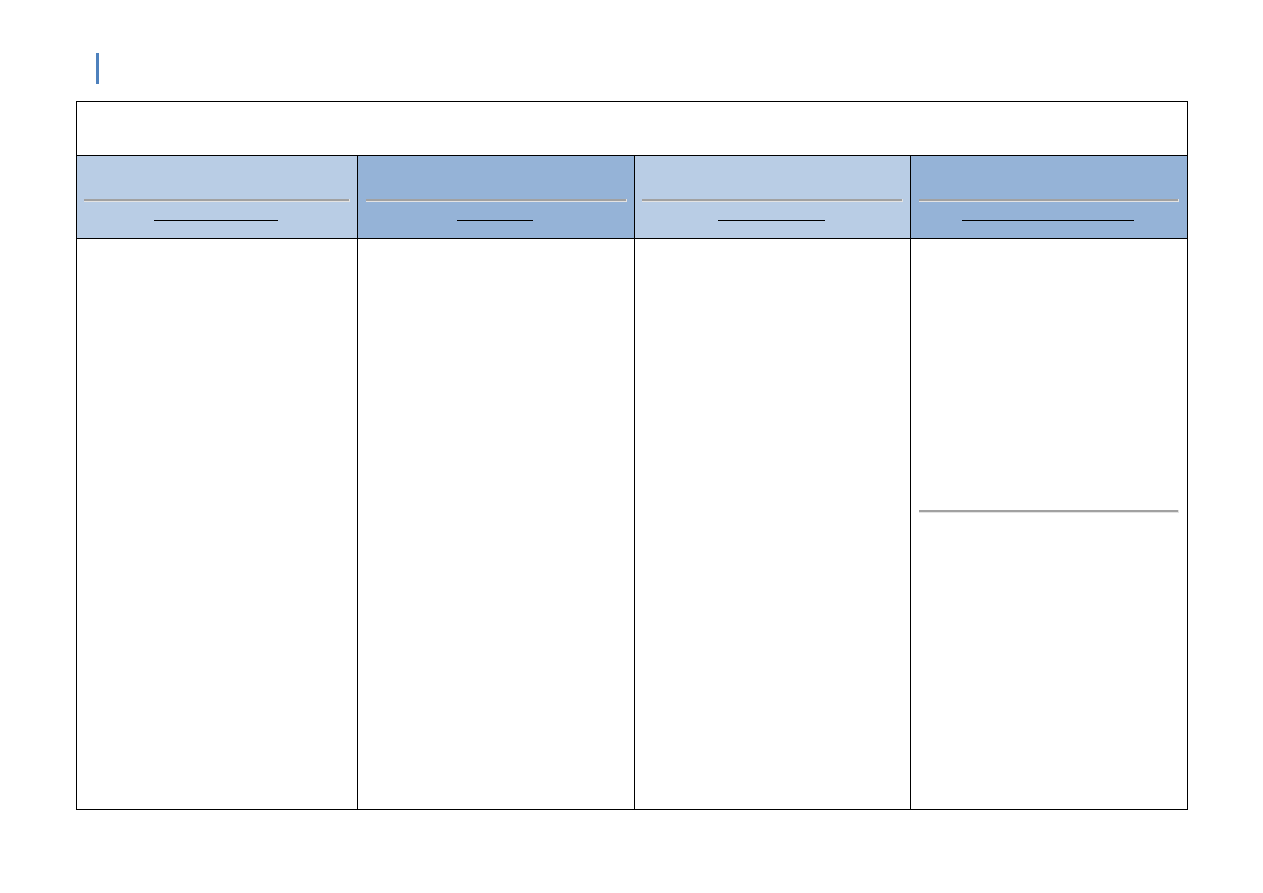
PRESENT CONTINUOUS
(S am/is/are V-ing O)
PRESENT SIMPLE
(S V/V-s(es) O)
PRESENT PERFECT SIMPLE
(S HAVE/HAS 3V O)
PRESENT PWERFECT
CONTINUOUS
(S HAVE/HAS BEEN V-ing O)
1. Actions which are in
progress now
I'm reading one of the H. James’s books at
the moment.
2. Habits during a temporary
situation
At the moment we're sending all the mail
by courier, because the Post Office is on
strike.
3. Annoying actions
/behaviour (especially
when with “always”)
He’s always smoking at breakfast (I hate
it!)
4. FUTURE REFERENCE:
plans
(definite, fixed arrangements)
Sorry, I can't help you, I'm leaving for
London in the morning.
1. Facts which are always
true
The light from the Sun takes 8 mins 20
secs to reach the Earth.
The River Po flows into the Adriatic Sea.
2. Habitual action
He usually takes the bus to work.
3. Summary of events
In Chapter 1, Susan meets David, and
agrees to go to the school dance with him.
In 1789 the Trench Revolution begins.
4. With “state” verbs such as:
-
be,
-
believe,
-
cost,
-
depend,
-
have,
-
hear,
-
know,
-
matter,
-
smell,
-
suppose,
-
taste,
-
think,
-
understand etc.
5. FUTURE REFERENCE:
A) Schedules
(timetables /
programmes)
My plane takes off at 11.30 tomorrow
morning.
B) Time clauses after
expressions such as:
-
WHEN
1. RECENT EVENTS
A) The present perfect simple
is used to describe recent
events.
I've left my shopping bag
behind.
B) The event happened in the
past, but there is a result
in the present.
I've broken my arm, as you can see.
C) No definite time is given
for the event, but to
emphasise the idea of
recentness we can use
“just”.
I've just broken my watch.
2. INDEFINITE EVENTS
A) No definite time is given
for the events. They are
a series of actions in our
life up to now.
I've been to France three times.
B) After It's/This is the
first/second time we use
the present perfect. It
also refers to our life up
to now.
This is the first time I have eaten
Japanese food.
3. EXTENDED OR REPEATED
EVENTS
1. Actions in progress
(unfinished or recently
finished)
Compare:
I've read this book.
(completion of the action is emphasised)
I've been reading this book.
(the action itself is emphasised - it may
not be complete)
2. The present perfect
continuous emphasise the
length of time of the action.
- For refers to a finished or unfinished
period of time. / waited for three
hours.
He’s been waiting
for an hour
.
- Since refers to the point
at which an unfinished
period of time began.
He’s been waiting
since 2 p.m
.
PRESENT TENSES & PERFECT FORMS / B1-B2
-
BEFORE
-
AFTER
-
AS SOON AS
-
AS LONG AS
-
TILL / UNTIL
-
THE MOMENT / SECOND /
MINUTE, etc.
I'll wait for you here until you
will
get
back.
A) The present perfect simple
describes a state which lasts
up to the present.
I've lived in this house for five years.
B) The present perfect simple
can describe a habitual
action in a period of time up
to the present.
I've never worn a tie to work, and I refuse
to start now!
Wyszukiwarka
Podobne podstrony:
TENSES PAST PERFECT FORMS table B1 B2
TENSES FUTURE FORMS table B1 B2
present perfect 3 forms key
islcollective worksheets preintermediate a2 high school tenses present perfect simple gone been 1303
islcollective worksheets preintermediate a2 intermediate b1 hig present perfect past simple me 27 23
B1 PRESENT PERFECT twierdzenia ANG
B2 PRESENT PERFECT przeczenia ANG
B1 PRESENT PERFECT twierdzenia PL
B2 PRESENT PERFECT przeczenia PL
159 Present Perfect
Czas Present Perfect
Present Perfect esp
Present Perfect zdania
Present Perfect Simple wyrażenia stowarzyszone
Past Simple i Present Perfect
(2) Present perfect
03 PRESENT PERFECT
present perfect vs past simple dec 9
Past Simple or Present Perfect
więcej podobnych podstron