MGT 550: Introduction to Project Management
March 31, 2002
1
For academic use only.
MGT 550
Introduction to
Project Management
Chapter 6:
Conflict and
Negotiation
Wesley J. Howe School of Technology Management
Course Development Team Members:
Michael Poli
Celia Desmond, PMP
David Keeney, PMP, CQM, CPDT

MGT 550: Introduction to Project Management
March 31, 2002
2
For academic use only.
Copyright Information
The slides in this file are provided to faculty instructing MGT 500 on behalf of the
Stevens Institute of Technology. Use is restricted to academic endeavors
associated with the delivery of MGT 550 to students properly enrolled at the
Stevens Institute of Technology. All other rights are reserved by the original owners
of materials contained in this program.
The slides contain copyrighted material that has been reproduced and/or adapted to
the course syllabus under the doctrine of “fair use for academic purposes”. All
slides in this course are copyrighted by the original source. Requests to reproduce
materials for other purposes should be directed to the copyright owner identified in
the bibliography that will be made available to faculty.

MGT 550: Introduction to Project Management
March 31, 2002
3
For academic use only.
Module 6: Conflict & Negotiation
Purpose: prepare students to identify
potential strategies for dealing with conflict
and to recognize that negotiation can be
used to resolve many problems associated
with conflict among stakeholders.

MGT 550: Introduction to Project Management
March 31, 2002
4
For academic use only.
Module 6 Objectives
• Conflict Strategies
– Describe five possible methods for dealing with conflict
– Present the advantages and disadvantages of each
method for dealing with conflict
– Explain that each method can be an appropriate
response to conflict
– Introduce the concept of situational leadership
– Explain that the nature of conflict will usually change
over the project lifecycle

MGT 550: Introduction to Project Management
March 31, 2002
5
For academic use only.
Conflict
• Conflict
– “process which begins when one party perceives that
the other has frustrated, or is about to frustrate, some
concern of his”
– Can play creative role in planning process
• Debate over proper technical approach to
problem often generates collaborative solution
that is superior to solution originally proposed
• Conflict often educates individuals and groups
about goals/objectives of other individuals and
groups
M&M Text, Chpt. 6

MGT 550: Introduction to Project Management
March 31, 2002
6
For academic use only.
Constructive Results of Conflicts
• Stimulation of a search for new facts or
resolutions
• Improved communication
• Diffusion of more serious conflict
• Increase in group cohesion and
performance
• Development of problem solving
techniques
Desmond, 2001

MGT 550: Introduction to Project Management
March 31, 2002
7
For academic use only.
Conflict Coping Styles
• Withdraw/Avoid
• Accommodate/Smooth-over
• Dominate/Confront
• Compromise
• Problem-Solve
Each style has
appropriate
and inappropriate uses.

MGT 550: Introduction to Project Management
March 31, 2002
8
For academic use only.
Withdrawing (Avoiding)
Appropriate:
• Trivial issue
• Costs > benefits
• Need to cool-off
first
Not Appropriate:
• Important issue
• You are
responsible
• Not willing to defer
• Prompt action is
needed

MGT 550: Introduction to Project Management
March 31, 2002
9
For academic use only.
Accommodating (Smoothing)
Appropriate:
• I might be wrong
• Issue important to
other person but not
to you
• My position is weak
• The relationship is
important
• Gain future leverage
Inappropriate:
• I am right
• Issue important for
me
• As temporary
solution to be
renegotiated later

MGT 550: Introduction to Project Management
March 31, 2002
10
For academic use only.
Dominate/Confront
Appropriate:
• Speed is needed
• Overcome assertive
subordinates that
lack expertise on
issue
• Issue is important to
me
Inappropriate:
• Issue is complex
• Issue not
important to me
• Both parties have
equal power

MGT 550: Introduction to Project Management
March 31, 2002
11
For academic use only.
Compromise
Appropriate:
• Both parties have
equal power and
goals are mutually
exclusive
• Consensus not
attained and better
methods have not
worked
Inappropriate:
• One party is more
powerful
• Problem is too
complex
• Win-win can be
attained

MGT 550: Introduction to Project Management
March 31, 2002
12
For academic use only.
Problem-Solve
Appropriate:
• Complex issue
• Need synthesis to
get solution
• Time is available
• Teamwork needed
Inappropriate:
• Simple problem
• Immediate
decision needed
• Other parties are
not concerned
about problem
MGT 550: Introduction to Project Management
March 31, 2002
13
For academic use only.
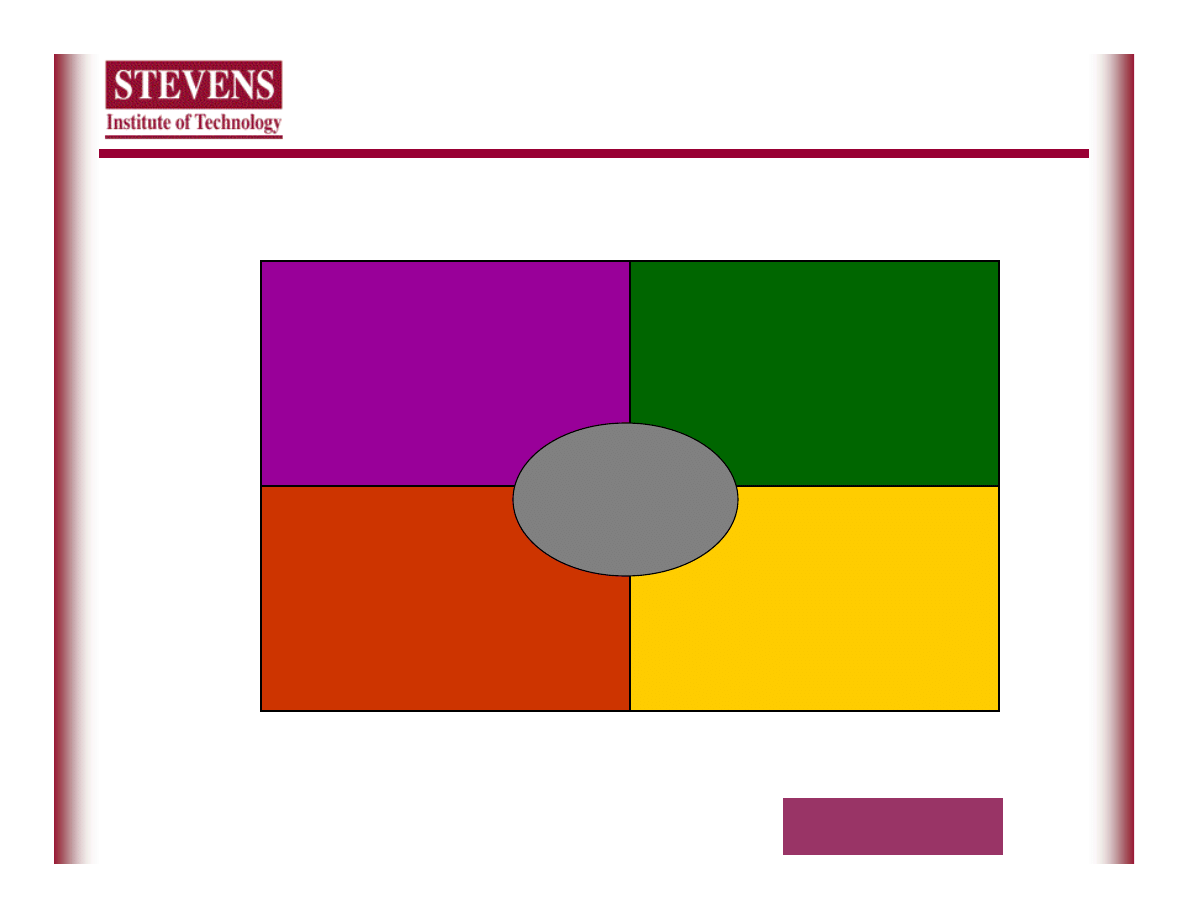
Conflict Management Techniques
COMPROMISE
SMOOTHING
(ACCOMMODATING)
PROBLEM
SOLVING
(COLLABORATING)
WITHDRAWAL
(AVOIDING)
FORCING
(COMPETING)
HIGH
LOW
LOW
HIGH
OBJECTIVE
ORIENTATION
R
E
L
A
T
IO
N
S
H
IP
S
O
R
IE
N
T
A
T
IO
N
Desmond, 2001

MGT 550: Introduction to Project Management
March 31, 2002
14
For academic use only.
Module 6 Objectives
• Tuckman’s Model of Group Dynamics
– Describe the stages of group development
– Apply Tuckman’s Model to team development over the
project lifecycle

MGT 550: Introduction to Project Management
March 31, 2002
15
For academic use only.
Tuckman’s Model of
Group Dynamics
• Forming
• Storming
• Norming
• Performing
• Disbanding

MGT 550: Introduction to Project Management
March 31, 2002
16
For academic use only.
Module 6 Objectives
• Basic Negotiation
– Describe the basic principles of negotiation
– Emphasize the role and importance of a BATNA
– Emphasize the importance of learning from differences
– Give examples of how to negotiate for resources with
functional managers
– Explain the natural antagonism that exists between a
buyer and a seller.
– Explain the role of contracts in documenting a
negotiated “meeting of the minds”

MGT 550: Introduction to Project Management
March 31, 2002
17
For academic use only.
Nature of Negotiation
• Negotiation
– “the process through which two or more
parties seek an acceptable rate of exchange
for items they own or control”
– Favored technique for resolving conflict
• Firms should view conflicts within
organization as conflicts between allies,
not opponents
M&M Text, Chpt. 6

MGT 550: Introduction to Project Management
March 31, 2002
18
For academic use only.
Principled Negotiation
• Separate people from the problem
- Emotions and fact can be confused
- Define problem
• Focus on interests, not positions
- Bargaining, haggling (may have cultural linkages)
- Never focuses on real Issues
- Determine other party’s interests
• Invent options for mutual gain
- Enter knowing outcome they would like
- Blind to other outcomes
- Find options that produce mutual gain
• Insist on using objective criteria
- Find standards, use to determine quality outcome
- Make less a contest of wills
M&M Text, p 244-245

MGT 550: Introduction to Project Management
March 31, 2002
19
For academic use only.
BATNA
• B
est
• A
lternative
• T
o a
• N
egotiated
• A
greement
Fisher & Ury,
Getting to Yes

MGT 550: Introduction to Project Management
March 31, 2002
20
For academic use only.
Dr. Stephen Covey’s 7 Habits of
Highly Effective People
1. Be proactive
2. Begin with the end in mind
3. Put first things first
4. Think win/win
5. Seek first to understand, then to be
understood
6. Synergize
7. Sharpen the saw

MGT 550: Introduction to Project Management
March 31, 2002
21
For academic use only.
Conflict and Project Lifecycle
• Certain patterns of conflict are associated
with different periods in life of project
1. Groups working on project may have different
goals and expectations
2. There is considerable uncertainty about who
has authority to make decisions
3. There are interpersonal conflicts between
people who are parties-at-interest in project
M&M Text, Chpt. 6

MGT 550: Introduction to Project Management
March 31, 2002
22
For academic use only.
Conflict in Projects
• Initially, most conflict centers around
inherent confusion of setting up project in
environment of matrix management
– Almost nothing about project or its
governance has been decided
– Moving from this chaotic environment to
buildup stage can be difficult
M&M Text, Chpt. 6

MGT 550: Introduction to Project Management
March 31, 2002
23
For academic use only.
Conflict in Projects
• To make transition from project formation to
buildup, 4 issues should be addressed:
– Technical objectives of project should be specified to
degree that will allow detailed planning of build up stage
to be accomplished
– Commitment of resources to project should be
forthcoming from senior management and functional
managers
– Priority of project relative to priorities of parent
organization’s other projects should be set and
communicated
– Organizational structure of project should be
established to extent sufficient for WBS and linear
responsibility chart preparation
M&M Text, Chpt. 6

MGT 550: Introduction to Project Management
March 31, 2002
24
For academic use only.
Conflict in Projects
• Formation is period during which project
moves from general concept to highly
detailed set of plans
– As plans become detailed, conflicts over
technical issues build
– Conflicts between project manager and
functional areas tend to predominate
• Usually, functional areas can claim more
technical expertise than project manager
who is usually a “generalist”
M&M Text, Chpt. 6

MGT 550: Introduction to Project Management
March 31, 2002
25
For academic use only.
Conflict in Projects
• Schedules are
– Still a major source of conflict in main program
– Proximate cause of schedule-related conflict is
usually different than in earlier stages
• “Catching up”
– Requires extra resources that functional
groups will demand
– Project manager may not have extra resources
• Technical conflicts are frequent and
serious during main program stage
M&M Text, Chpt. 6

MGT 550: Introduction to Project Management
March 31, 2002
26
For academic use only.
Conflict in Projects
• During main phase, many parts must be
linked properly
– These linkages are known as interfaces
– Number of interfaces increases rapidly as
project gets larger
– System gets more complex
• Need to manage these interfaces and
correct incompatibilities is key to
technical conflicts in main program phase
M&M Text, Chpt. 6

MGT 550: Introduction to Project Management
March 31, 2002
27
For academic use only.
Conflict in Projects
• Schedule is major source of conflict
during project phaseout
– Technical problems are comparatively rare
because most have been solved or bypassed
– Personality conflicts are second ranked source
of conflict during phaseout
• Pressure to complete project
• Anxiety about leaving the project
• Primary tool to accomplish conflict
resolution and reduction is negotiation
M&M Text, Chpt. 6

MGT 550: Introduction to Project Management
March 31, 2002
28
For academic use only.
Conflict in Projects
• Few conflicts arising in projects have to
do with whether or not task will be
undertaken
– Instead, they have to do with
• Precise design of deliverable
• How design will be achieved
• By whom and at what cost
• Implication is clear: Work of project will be
done
M&M Text, Chpt. 6

MGT 550: Introduction to Project Management
March 31, 2002
29
For academic use only.
Conflict Reduction/Resolution
• One requirement for conflict reduction/resolution
by project manager is that PM should allow
conflict to be settled without irreparable harm to
project’s objectives
• To do this, project manager should:
– Allow (and foster) honesty between negotiators
– Employ only ethical tactics during negotiation
– Understand that any behavior that breeds mistrust will
make future negotiations difficult, perhaps impossible
– Emphasize that conflicting parties are members of
alliance with strong common interests
M&M Text, Chpt. 6

MGT 550: Introduction to Project Management
March 31, 2002
30
For academic use only.
Legal Obligations
• Contracts create enforceable obligations
related to the natural antagonism that
exists between the buyer and the seller
– Allocation of resources
– Assignment of risk
• The contract formalizes the relationship
between the buyer and the seller
MGT 550: Introduction to Project Management
March 31, 2002
31
For academic use only.
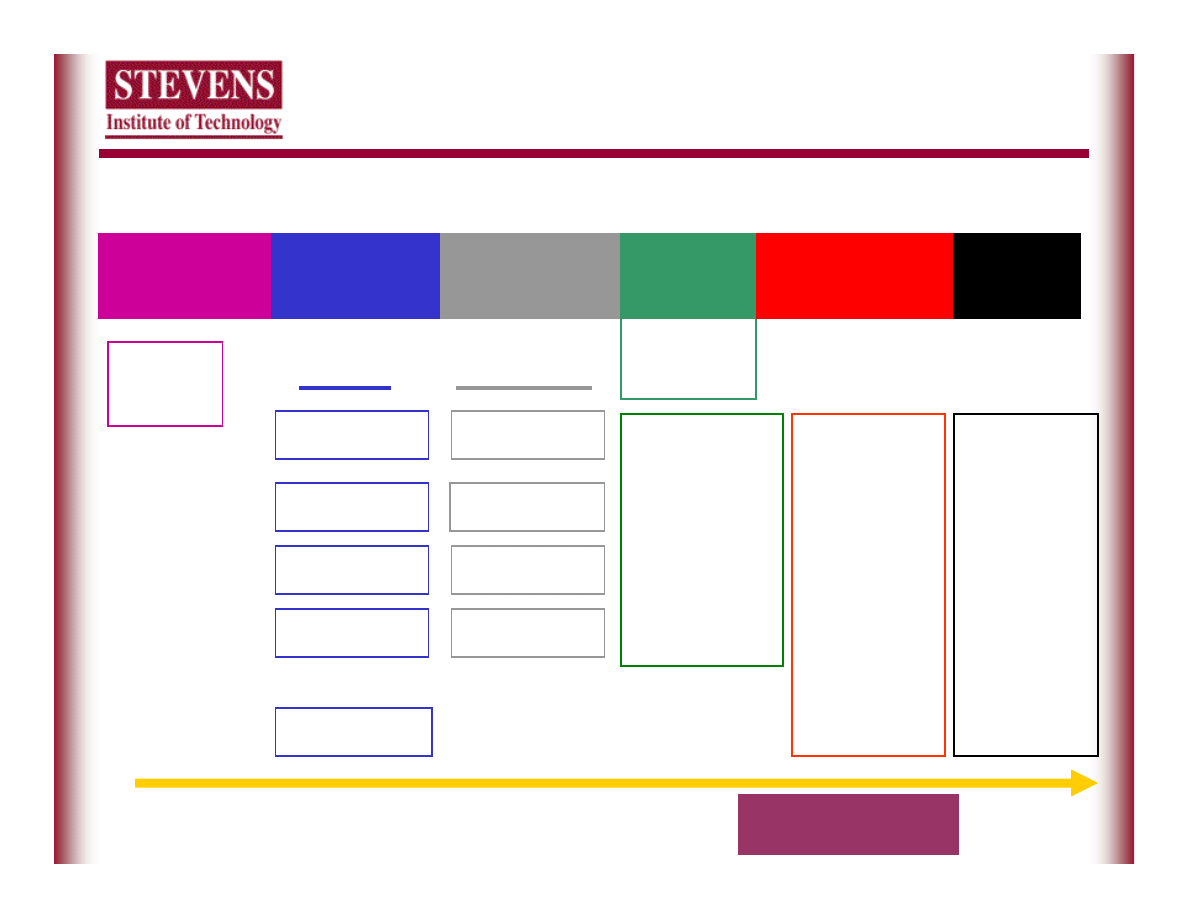
Procurement Processes
Procurement
Planning
Solicitation
Planning
Solicitation
Source
Selection
Contract
Closeout
Bidders
List
Negotiation
and
Selection
Contract
Execution
Contract
Closeout
Time
Requisition
RFI
IFB
RFP
RFQ
Quotations
Brochures
Bids
Proposals
Receive
Issue
Contract
Administration
Bid
Analysis
or
Keeney, 2001

MGT 550: Introduction to Project Management
March 31, 2002
32
For academic use only.
Typical Contract Clauses
• Government flow-
down clauses
include:
– Termination for
convenience
– Privity
• Payment
• Free will
• Whole agreement
• Notification
• Termination
• Damages
• Assignment
• Jurisdiction
• Disputes

MGT 550: Introduction to Project Management
March 31, 2002
33
For academic use only.
Reading Assignments
• From Chapter 6
– Text
• Pp 226 – 248
• Pp 252 – 257
• For Chapter 7
– Text
• Pp 261 – 292
• Pp 295 – 301
Document Outline
- Copyright Information
- Module 6: Conflict & Negotiation
- Module 6 Objectives
- Conflict
- Constructive Results of Conflicts
- Conflict Management Techniques
- Module 6 Objectives
- Tuckman’s Model ofGroup Dynamics
- Module 6 Objectives
- Nature of Negotiation
- BATNA
- Dr. Stephen Covey’s 7 Habits of Highly Effective People
- Conflict and Project Lifecycle
- Conflict in Projects
- Conflict in Projects
- Conflict in Projects
- Conflict in Projects
- Conflict in Projects
- Conflict in Projects
- Conflict in Projects
- Conflict Reduction/Resolution
- Procurement Processes
- Typical Contract Clauses
- Reading Assignments
Wyszukiwarka
Podobne podstrony:
The Vietnam Conflict and its?fects
ABC Of Conflict and Disaster
What’s Behind Sino Vatican Conflict and Friendship East Asian Pastoral Institute
Conflict and Third Party mediation Barseghyan & Karaev
Ethnic Conflict and Human Rights Their Interrelationship Rodolfo Stavenhagen
S Forgan Building the Museum Knowledge, Conflict and the Power of Place (w) Isis, vol 96, No 4 (XI
Conflict and the Computer Information Warfare and Related Ethical Issues
Military Conflict and Terrorism
How to Handle Conflict and Manage Anger Denis Waitley
Deutsch Cooperation and Conflict
Notto R Thelle Buddhism and Christianity in Japan From Conflict to Dialogue, 1854 1899, 1987
freewill and?terminism conflict choice
democracy and ethno religious conflict in Iraq
Zapf & Gross Conflict escalation and coping with workplac
William Noble Conflict, Action and Suspense
Krauss Communication and Conflict
więcej podobnych podstron