© Dr. William D. Ramey
Sight and Sounds of Words (Module B)
Consonants, Vowels and Diphthongs
Phonology (Part 4)
§4.0 Introduction
Lessons One and Two introduced the sight and sounds of the individual twenty-
four Greek alphabetical letters and familiarized the student to simple consonant-
vowel and vowel-consonant combinations. Lesson Three laid the foundation for
Greek phonology with introductory terminology concerning the seventeen Greek
consonants, the seven vowels, and eleven diphthongs. Building on this
foundation, Lesson Four organizes the
seventeen Greek consonants into their two
basic phonetic classifications, the stop and
continuant consonants.
The best phonological approach to these two
basic consonantal classifications is to classify them according to what speech
organ (throat, teeth or lips) is used in their pronunciation. This largely determines
the consonant’s phonological family to which it belongs, which in future lessons,
predicts what morphological changes Greek consonants will undergo within
words. Whereas the sight and sounds of these Greek consonants have already
been presented in the previous lessons two lessons, their organized
classification has not.
The purpose of this course of study is to prepare anyone interested in verbal
inspiration of Scripture to read the Greek New Testament for himself or herself.
The foundational belief for this is that God chose the Greek language as the
written medium for the saints’ understanding the New Testament, since all of the
New Testament was written in Greek.
4
Lesson Four Overview
§4.0
Introduction, 89
§4.1
Phonetic Classification of Greek Consonants, 90
§4.2
The Nine Stop Consonants, 91
§4.3
The Continuant Consonants, 97
Study Guide, 105
Consonants may be classified
as either a stop or a continuant
consonant.

LESSON 4: Sight and Sounds of Words (Module B) Page 90
Consonants, Vowels, and Diphthongs
© Dr. William D. Ramey
This Greek course is for the circle of saints who have one thing in common: the
desire to read the Greek New Testament as the original writers communicated.
One would think that many aspire to know the intricate details of God’s message,
and not to trust something as important to someone else’s judgment. However,
this is sadly not the case. Perhaps they believe that translations are good
enough, or someone else’s opinion is correct on the basis they have more
scholarship or sanctity. Nonetheless, dependence and trust is only as good as
the person or object in which it is placed.
What does the foregoing have to do with learning Greek phonology? It has
everything to do with it. Eagerness to acquire a working knowledge of the
language within several years will be met with difficulties that prove dispiriting,
especially if going at it alone. In your enthusiasm of learning NTGreek, you will
naturally tell others what you are learning. In many cases, these same people
will be those who distract—or even worse—discourage you from continuing to
study NTGreek for a variety of reasons. Unless your purpose for studying the
language is kept clearly in mind, their persuasiveness will dull your focus, and
inevitably, study of Greek will be cast aside. The Greek New Testament is the
New Testament (making translations irrelevant per verbal inspiration), or it is not!
If you find some portions of this lesson difficult, reread the difficult sections
several times. Spend extra time on these problem areas, but not to an excess. It
may be helpful to remember that competency of NTGreek does not depend upon
learning everything the first time it is presented! Becoming skilled in NTGreek
does, however, demand practice, resolve and perseverance.
§4.1 Phonetic Classification of Greek Consonants
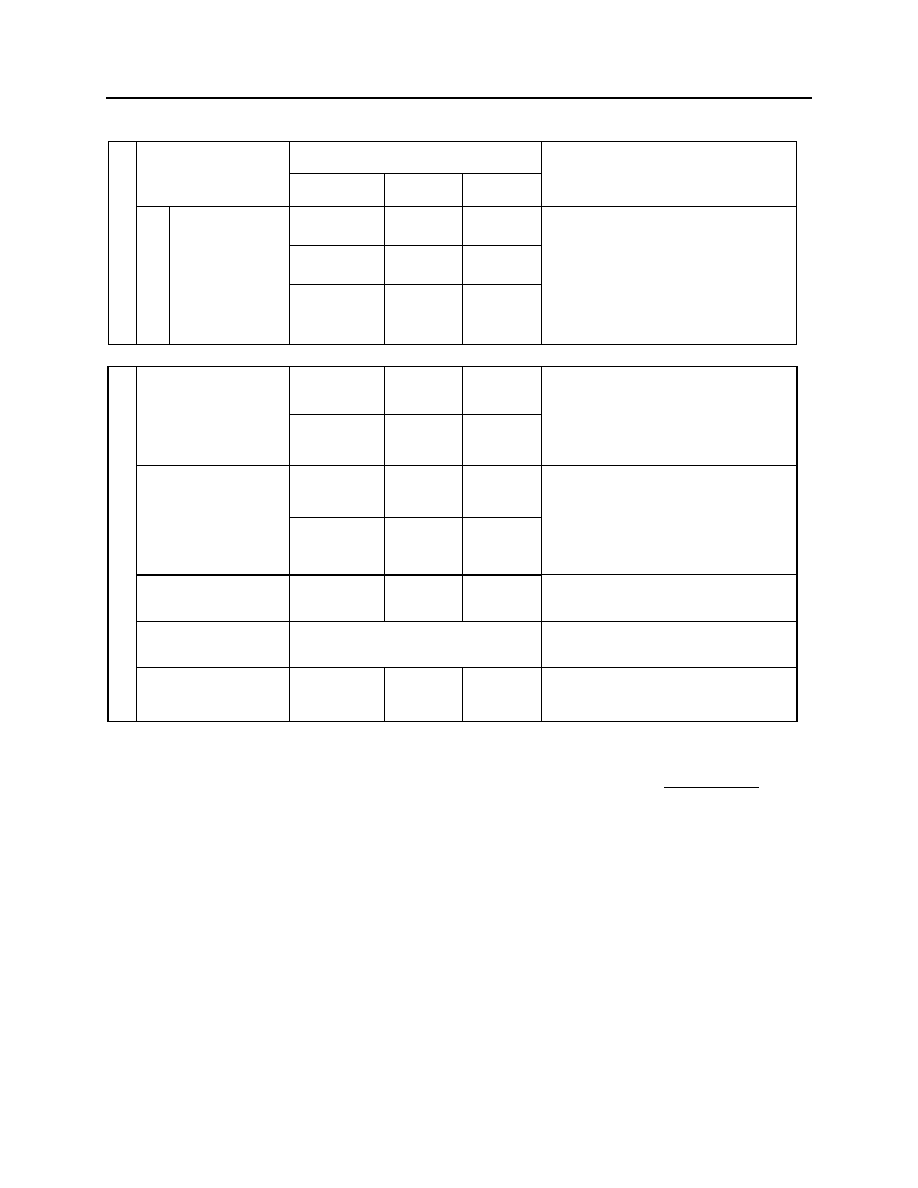
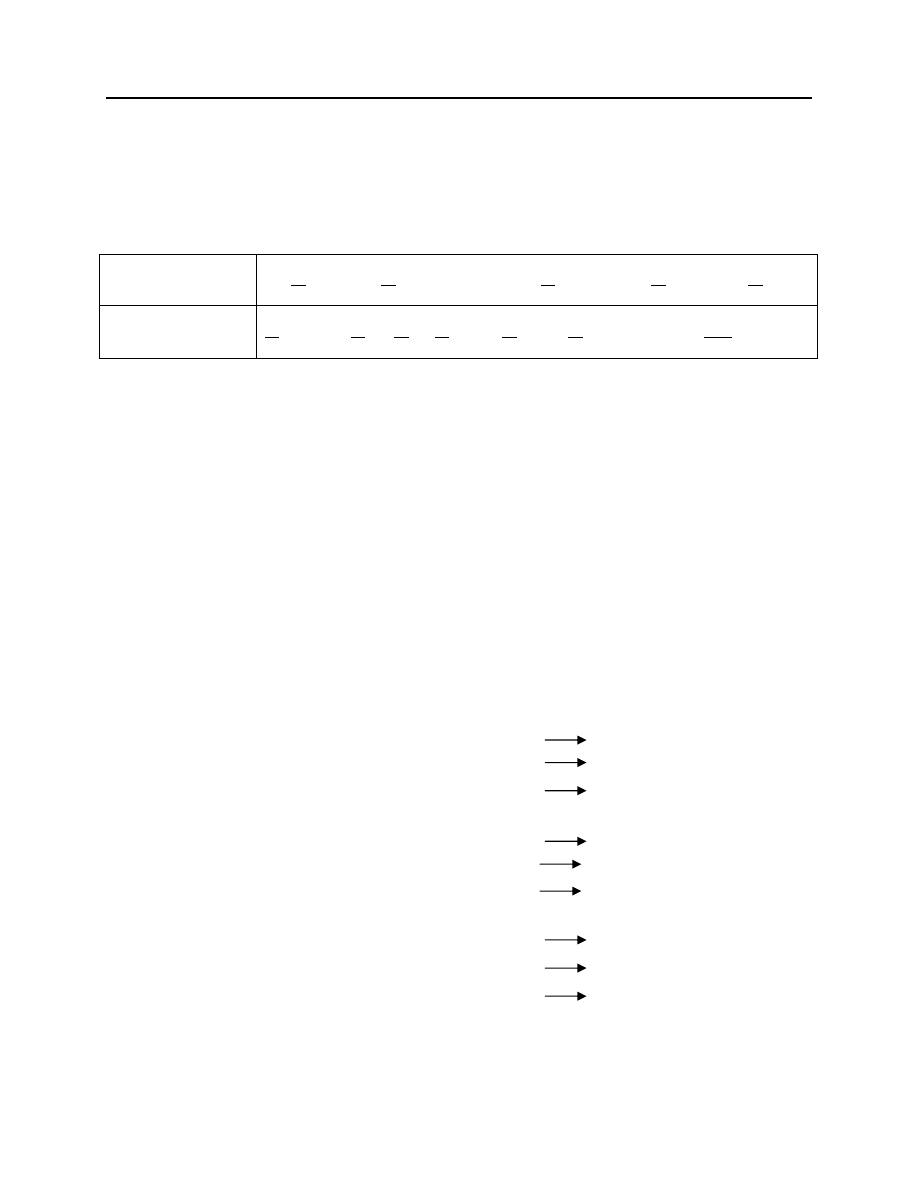
The Greek consonants may be charted to indicate their relationship to one
another in several ways. Perhaps the most functional phonetic classification is
according to what speech organ (throat, teeth and lips) used in their
pronunciation. The consonants are divided in the chart below into two broad
categories: the nine stops and the twelve continuants, with one consonant
serving double-duty in the latter category (
G g
). They are subdivided again
according to the nature of the sound and vocal organs used in producing them.
The chart should be carefully studied for future reference. It will be referred to in
later lessons whenever consonantal changes in words are encountered. Not
only should the chart be understood from left to right, but also from top to bottom.
Explanations of the terms used in the chart follow (§§4.2 – 4.3).
LESSON 4: Sight and Sounds of Words (Module B) Page 91
Consonants, Vowels, and Diphthongs
© Dr. William D. Ramey
Classes
Classes are the
three positions of
breath closure.
Palatal
Dental
Labial
The nine “stops” are divided into
three “classes” and three “orders”.
(voiced)
G g
G g
G g
G g
D d
D d
D d
D d
B b
B b
B b
B b
(unvoiced)
K k
K k
K k
K k
T t
T t
T t
T t
P p
P p
P p
P p
S
T
O
P
S
O
r
d
e
r
s
(aspirate)
X x
X x
X x
X x
Q q
Q q
Q q
Q q
F f
F f
F f
F f
The orders express both the degree
of the vibration in the vocal cords
and force in the expiratory breath.
Sound is formed by slowing down
or briefly stopping the flow of air
through the mouth.
S s
S s
S s
S s
Sibilant (
voiced)
(
unvoiced
)
S s
S s
S s
S s
A sibilant is a hissing sound when
the breath in the mouth is
narrowed. Voiced
S s
S s
S s
S s has the zzzz
sound as the “s” in “is”; if unvoiced,
S s is the “s” sound as in “sit”.
Z z
Z z
Z z
Z z
Compound
(voiced)
(unvoiced)
C c
C c
C c
C c
Z z
Z z
Z z
Z z
Y
Y
Y
Y y
y
y
y
Compounds are a combination of a
guttural, dental or labial +
ssss
. Like
sigma above, notice that
Z z
Z z
Z z
Z z is both
voiced and unvoiced. When
voiced,
Z z
Z z
Z z
Z z is pronounced as “dz”.
Nasal
(voiced)
G g
G g
G g
G g
N n
N n
N n
N n
M m
M m
M m
M m
The sound of nasal continuants is
forced up toward the nasal cavity
Liquid
(voiced)
L l R r
L l R r
L l R r
L l R r
The liquids fall between the classes
and the air passage is mostly open.
C
O
N
T
I
N
U
A
N
T
S
Semi-
(voiced)
consonants
IIII i
i
i
i
R r
R r
R r
R r
U u
U u
U u
U u
These letters serve at times as a
vowel or a consonant.
If the above chart is studied now, it will save untold hours of future frustration and
study when, in future lessons, these Greek consonants undergo predictable
consonantal changes within words. It is your choice whether you will study
diligently now, or suffer defeat and possible insanity later.
4.2 The Nine “Stops”
A stop is a consonant whose sound is formed by slowing down or abruptly
stopping the flow of air through the mouth before being released with an
expulsion of breath and sound. The nine stop consonants are
G g
,
K k
,
X x
,
D d
,
Tt
,
Q q
,
B b
,
P p
,
and
F f
. The stops are classified according to what
speech organ (throat, teeth and lips) predominately operational.
LESSON 4: Sight and Sounds of Words (Module B) Page 92
Consonants, Vowels, and Diphthongs
© Dr. William D. Ramey
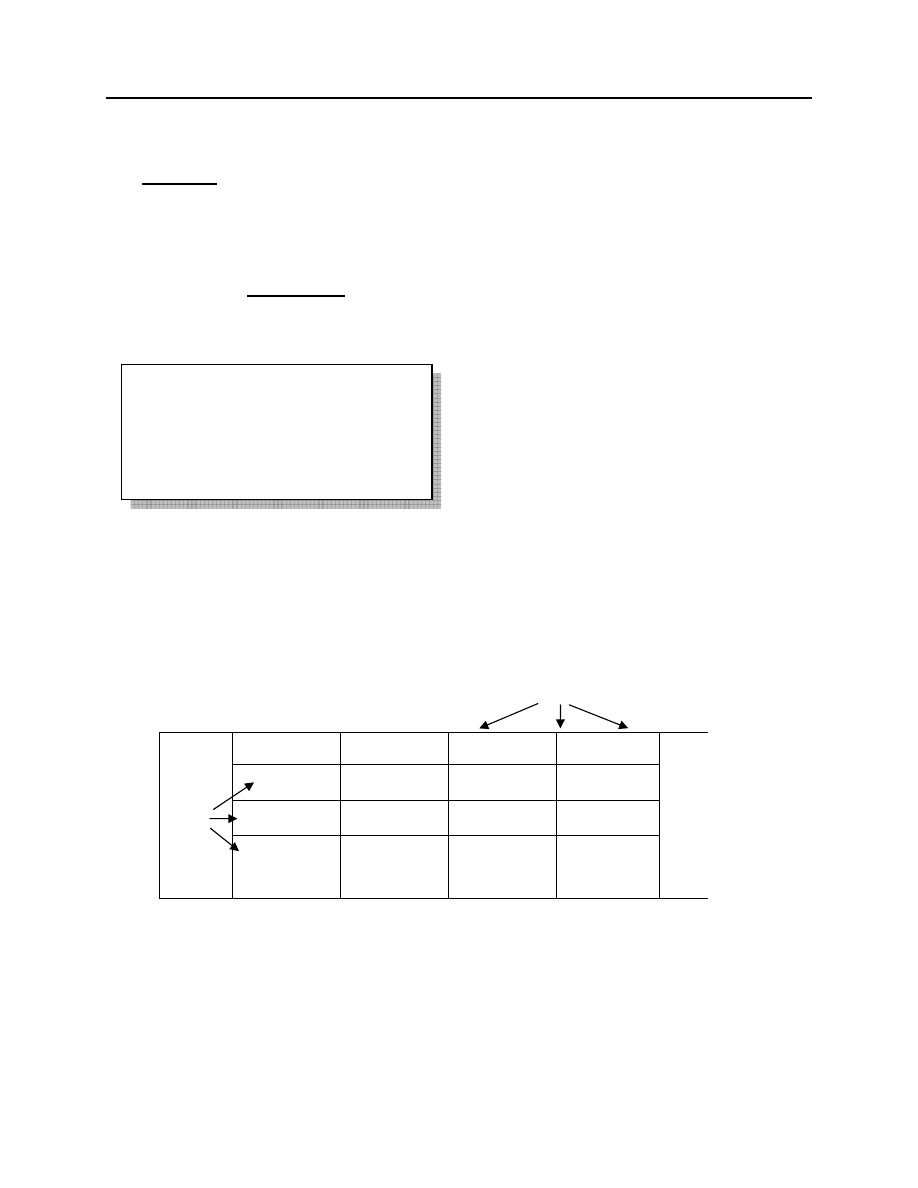
The nine stops are subdivided into three orders and three classes. The classes
are vertically determined by the three possible positions of breath closure used in
producing them: palatal (throat), dental (teeth), and labials (lips). Stops
belonging to the same class are considered cognate; therefore, a cognate
consonant is associated with a particular class.
The orders are horizontally determined by whether the stop is voiced,
unvoiced, or aspirated, and consonants that belong to the same order are
considered coordinate; therefore, a coordinate consonant is associated with a
particular order. A consonant is voiced
when the vocal chords vibrate as the air
passes through (all vowels are voiced).
As a simple exercise, please your
fingers on your voice box and
pronounce the voiced stops. You will
feel the vocal cords vibrate if
pronouncing these consonants properly.
Stops are unvoiced when the vocal chords are slack in pronunciation. Aspiration
denotes the consonant’s pronunciation is accompanied with a strong emission of
breath which results in an “h” sound.
The relationship between the nine stops may be conveniently represented below
in the chart. This arrangement is commonly called the Square of Stops.
Classes
Palatal
Dental
Labial
Voiced
G g
G g
G g
G g
D d
D d
D d
D d
B b
B b
B b
B b
Coordinate
Unvoiced
K k
K k
K k
K k
T t
T t
T t
T t
P
P
P
P p
p
p
p
Coordinate
O
r
d
e
r
s
Aspirate
X x
X x
X x
X x
Q q
Q q
Q q
Q q
F f
F f
F f
F f
Coordinate
Cognate Cognate Cognate
The different relationships of the nine stops with one another will now be further
illustrated individually, beginning on the next page. The explanation of the chart
will first move from left to right (differentiating between the three classes: palatal,
dental, and labial), and then from top to bottom (differentiating between their
order: voiced, unvoiced, and aspirate).
Palatals derive their name from the
use of the soft palate (i.e., the roof
of the mouth in their pronunciation).
They are also called velar stops
and (inaccurately) guttural and
throat mutes by some grammars.
LESSON 4: Sight and Sounds of Words (Module B) Page 93
Consonants, Vowels, and Diphthongs
© Dr. William D. Ramey
The Three Classes
Classes are the three
possible positions of
breath closure.
Palatal
Dental
Labial
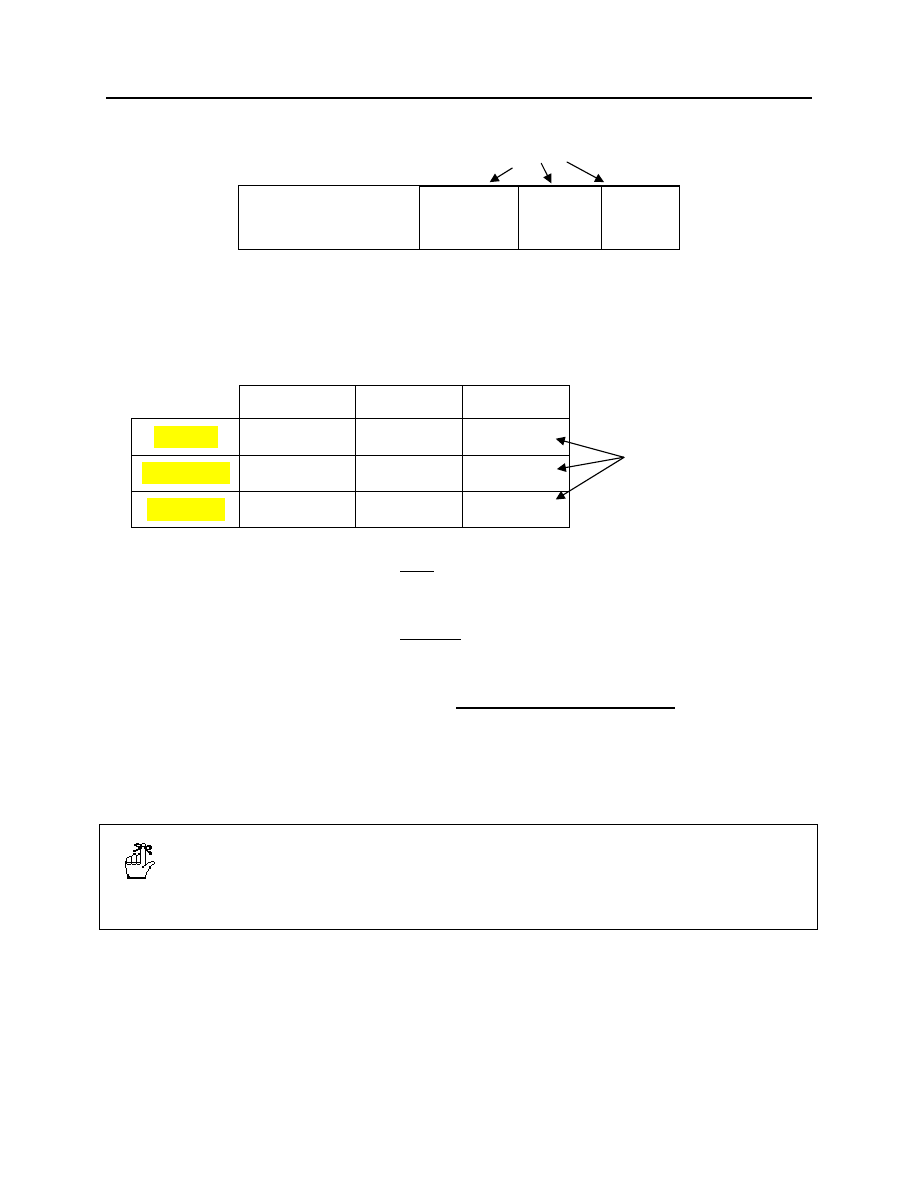
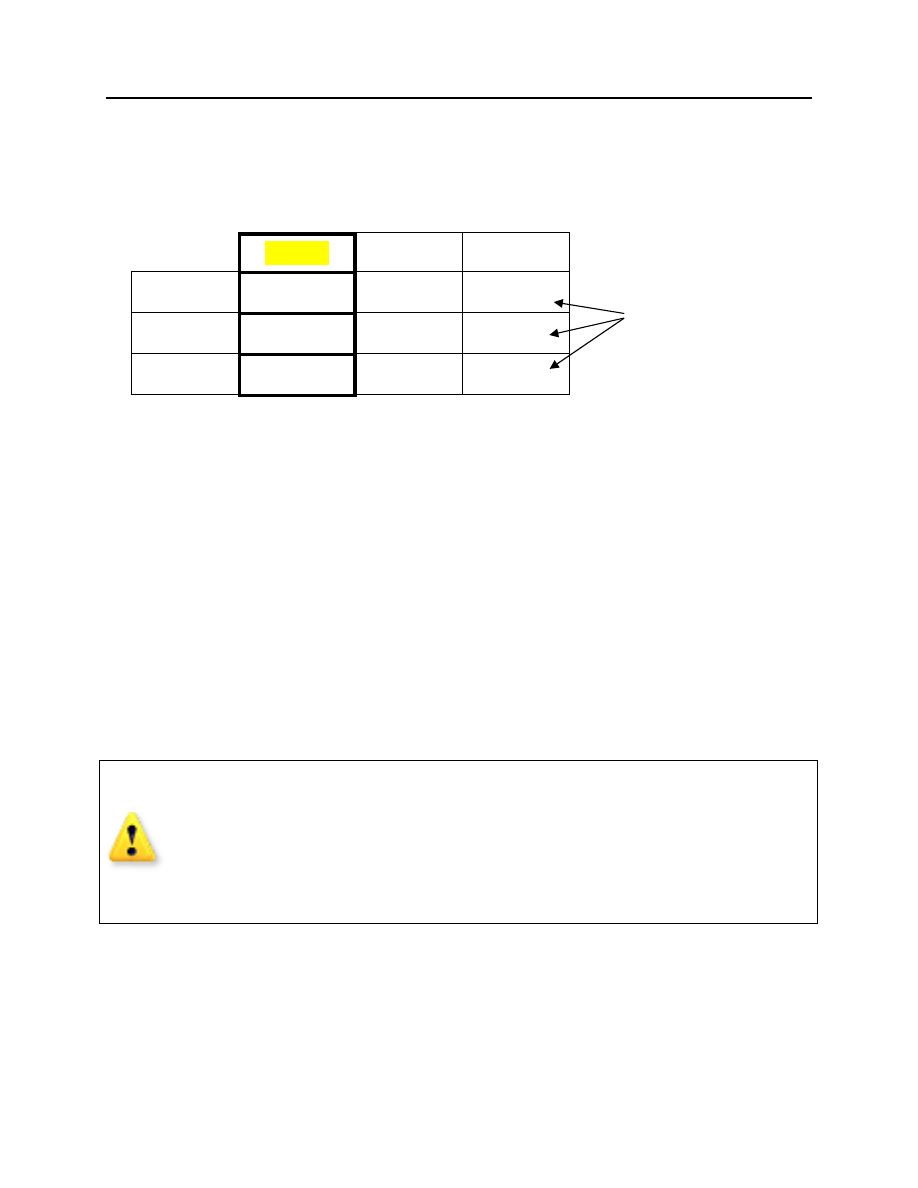
The chart above reflects the three possible positions of breath closure when
pronouncing the stops: palatal, dental, and labial. The progression from left to
right begins with the sound produced in the back of the oral cavity in the throat,
moving toward the front with the tongue and teeth, and finally the lips.
Palatal
Dental
Labial
Voiced
G g
G g
G g
G g
1
D d
D d
D d
D d
1
B b
B b
B b
B b
1
Unvoiced
K k
K k
K k
K k
2
T t
T t
T t
T t
2
P p
P p
P p
P p
2
Aspirate
X x
X x
X x
X x
3
Q q
Q q
Q q
Q q
3
F f
F f
F f
F f
3
1. A stop consonant pronounced with the aid of the vocal cords is called voiced.
The vocal cords vibrate as the air passes through the oral cavity. The three
consonants that belong to this order are:
G g
G g
G g
G g
,
D d
D d
D d
D d
, and
B b
B b
B b
B b
.
2. A stop consonant pronounced without the aid of the vocal cords is called
unvoiced. The vocal cords do not vibrate as the air passes through the oral
cavity. The three consonants that belong to this order are:
K k
K k
K k
K k
,
T t
T t
T t
T t
and
P p
P p
P p
P p
.
3. A stop consonant pronounced with a strong emission of breath is called
aspirate. The three consonants that belong to this order are:
X x
X x
X x
X x
,
Q q
Q q
Q q
Q q
and
F f
F f
F f
F f
. The three aspirates are placed with the stop consonants because when
their phonemic interact with following sounds in words, they behave like stops.
Therefore, these consonants are grouped with and treated as stops.
G g
G g
G g
G g
belongs to the same voiced order and is coordinate with the
consonants
D d
and
B b
.
K k
K k
K k
K k
belongs to the same unvoiced order and
is coordinate with the consonants
T t
and
P p
.
X x
X x
X x
X x
belongs to the
same aspirated order and is coordinate with
Q q
and
F f
.
§4.2.1 The Palatal Stops
(
G g
G g
G g
G g
,
K k
K k
K k
K k
, and
X x
X x
X x
X x)
The palatal consonant stops belong to the same class because they are formed
in back of the throat by the closure of the tongue near or touching the hard palate
in the oral cavity (“palatal” < Latin pal tum, “palette”). The three palatal
The Three Orders
1. Voiced
2. Unvoiced
3. Aspirate
LESSON 4: Sight and Sounds of Words (Module B) Page 94
Consonants, Vowels, and Diphthongs
© Dr. William D. Ramey
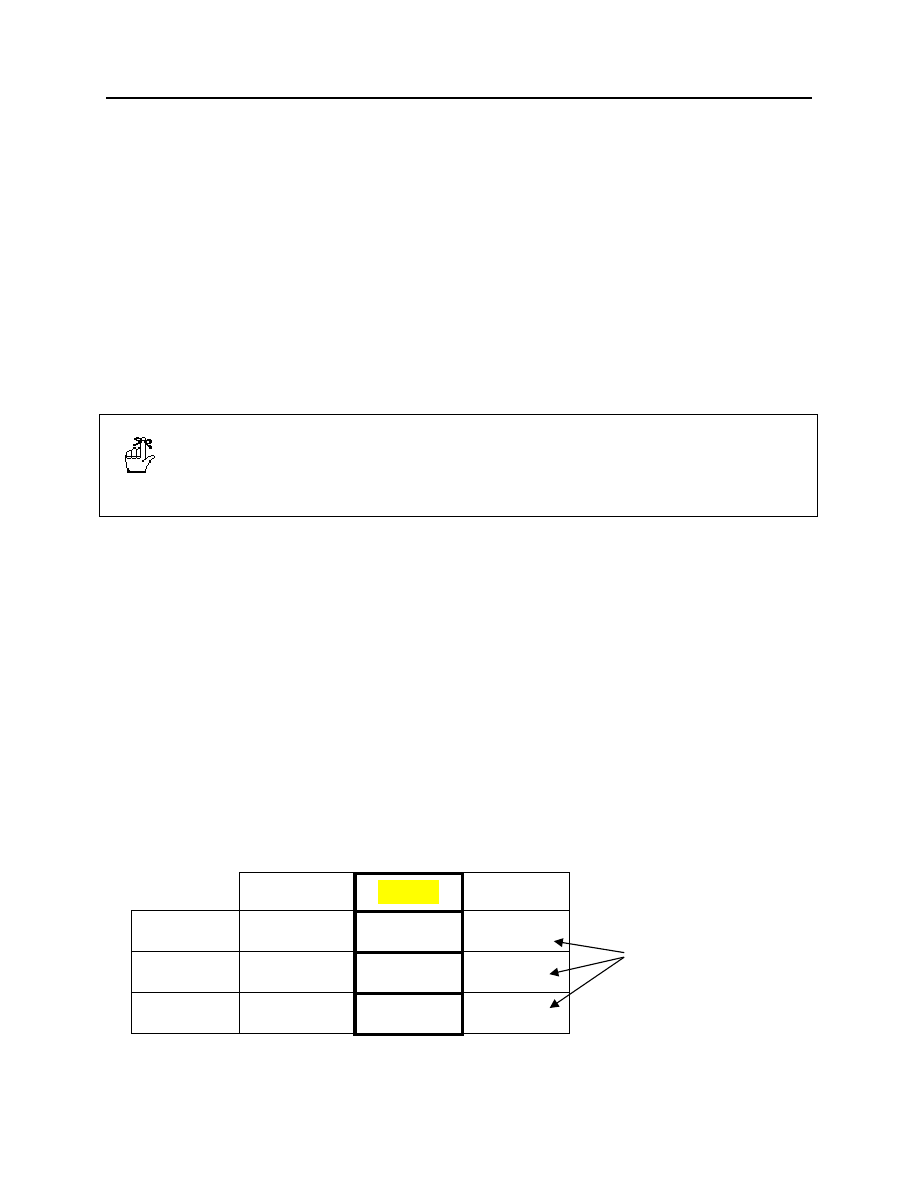
consonants are gamma, kappa, and ch . The three palatal consonants are
distinct according to its separate order as voiced (
G g
), unvoiced (
K k
), and
aspirate (
X x
).
Palatal
Dental
Labial
Voiced
G g
G g
G g
G g
D d
D d
D d
D d
B b
B b
B b
B b
Unvoiced
K k
K k
K k
K k
T t
T t
T t
T t
P p
P p
P p
P p
Aspirate
X x
X x
X x
X x
Q
Q
Q
Q qqqq
F f
F f
F f
F f
The voiced phonetic pronunciation of
G g (gamma) will be considered first.
§4.2.11
G g
G g
G g
G g
(gamma)
gamma, gh, ghj, ghmaj
Gamma may be either a voiced stop consonant, or a nasal continuant. When
G g
is pronounced as a voiced stop, its pronunciation is like the hard “g” in “gate”.
However, when
G g
occurs before itself or another palatal stop consonant
(
gg
,
gk
, and
gx
) or
c
(
gc
), the combination undergoes phonemic change. This
change will be studied later when we come to the gamma nasal (§4.3.31)
§4.2.12
K k
K k
K k
K k
kappa, kata, kopoj, Kore
K k
(kappa) is an unvoiced stop consonant, meaning the vocal cords are not
used when pronouncing the phonetic value of this stop consonant.
“Unvoiced” never means that a consonant is not pronounced. Although
consonants may undergo phonemic changes, there are not any true
silent consonants in Greek words as there are in English words.
Furthermore, the vocal cords are inactive while pronouncing the three
unvoiced stops, although it is difficult to discern because the voice is
used in sounding the accompanying vowel.
§4.2.13
X x
X x
X x
X x
(ch )
xi, xrw, Xristoj, troxoj
X x
X x
X x
X x
is an aspirated stop consonant. This phonetic sound of this consonant can
be easily confused with kappa unless it is remembered that the breath is not
entirely cut off with ch .
The Three Orders
1. Voiced
2. Unvoiced
3. Aspirate
LESSON 4: Sight and Sounds of Words (Module B) Page 95
Consonants, Vowels, and Diphthongs
© Dr. William D. Ramey
A clear phonetic distinction must be maintained between the two palatal stops,
K k
and
X x
. Although ch orthographically appears to correspond to the English
“x”, its phonetic value does not. This is where beginning Greek students are
confused. In actuality, ch and the English “x” are not equivalent. Ch is a Greek
alphabetical letter that does not correspond to any English alphabetical letter.
The phonetic sound of
X x
approximates the “ch” in the English words,
“chemist”, “chiasmus”, and the “k” in “kiosk. Breath flows with the consonant
and is not interrupted as with the unvoiced consonant
K k
. Form the mouth for
K k
and then pronounce “h” through it. The emission of breath should produce a
strong aspirated “kh”.
A consonant’s name is formed with the help of a vowel, but its phonetic
value does not include that vowel. For example, the name of the Greek
alphabetical character,
X x
is ch , but when ch appears in a word, its
phonetic value is simply “kh” without the vowel sound “i”.
It may be helpful to hear the distinction between
K k
and
X x
in the words below:
xrhsin krisin kauxhsij katexein
§4.2.2 The Dental Stops
(
D d
D d
D d
D d
,
T t
T t
T t
T t
, and
Q q
Q q
Q q
Q q)
The dental consonants belong to the same class because they are formed with
the tip of the tongue behind the upper teeth (“dental” < Latin dentatus, “teeth”).
Some prefer the term “alveolar” as more accurate, since the tongue is placed
against the alveolar ridge rather than only the teeth. “Dental” will be used in this
grammar since the word “teeth” is easier for most to associate with “dental”.
Sometimes, dental consonants are called, “linguals” in some grammars, because
the tongue also plays a part in the pronunciation of the consonant.
Palatal
Dental
Labial
Voiced
G g
G g
G g
G g
D d
D d
D d
D d
B b
B b
B b
B b
Unvoiced
K k
K k
K k
K k
T t
T t
T t
T t
P p
P p
P p
P p
Aspirate
X x
X x
X x
X x
Q q
Q q
Q q
Q q
F f
F f
F f
F f
The Three Orders
1. Voiced
2. Unvoiced
3. Aspirate
LESSON 4: Sight and Sounds of Words (Module B) Page 96
Consonants, Vowels, and Diphthongs
© Dr. William D. Ramey
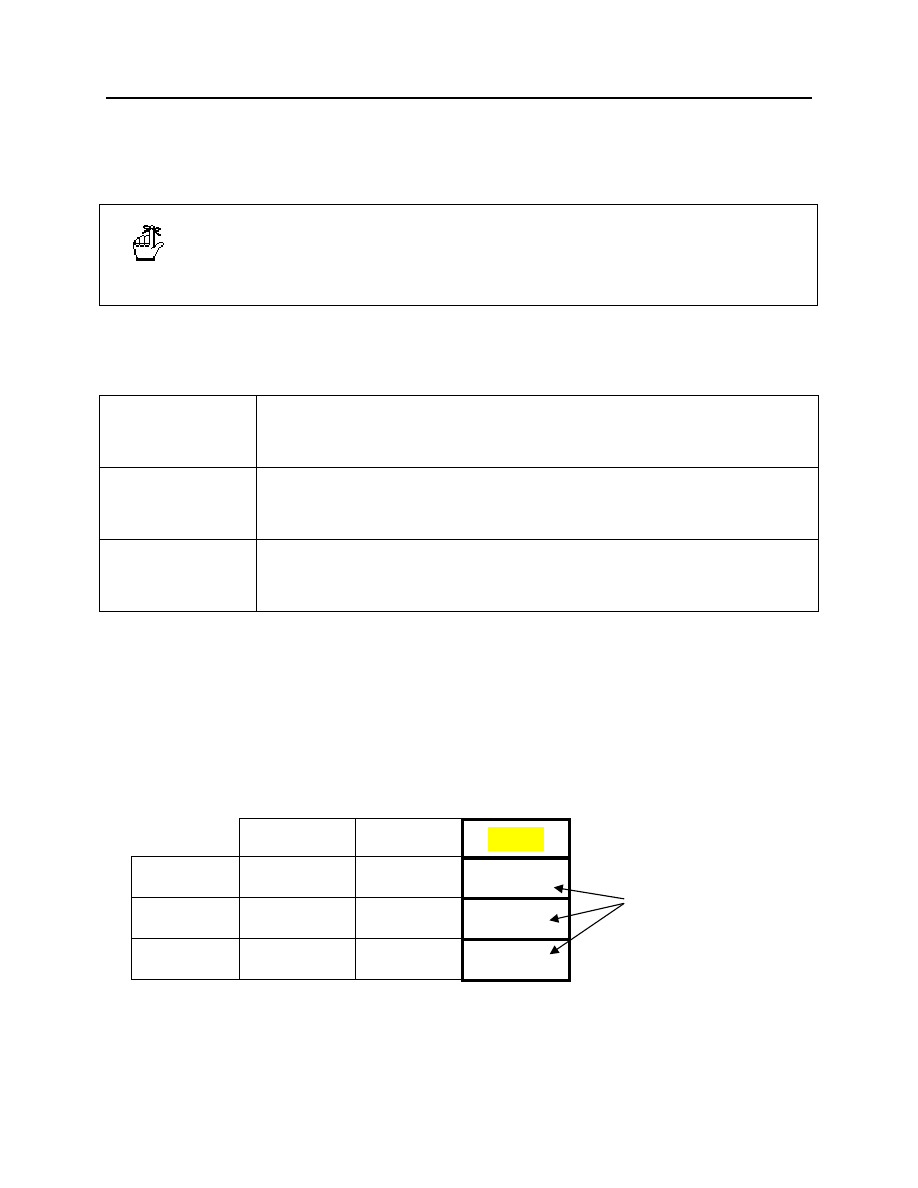
Each of the three dental consonants is distinct according to its separate order as
voiced (
D d
), unvoiced (
T t
), and aspirate (
Q q
).
Learning the different orders is not as important now as it will be later
when consonants will euphonically undergo predictable change within
words. It is important for introductory reasons to know that the stop
consonants are categorized in these different orders.
Practice the following words that have these dental consonantal stops in them.
They are presented in their respective orders.
D d
D d
D d
D d
(voiced)
delta, dh, dhmoj, dew, dia, apodw, endikon,
didaskw, paidoj, sundew, Ludda, kardia
T t
T t
T t
T t
(unvoiced)
tau, tauta, petomai, piptw, lutron, kata,
dektoj, batanhn, asthr, tote, tomoj
Q q
Q q
Q q
Q q
(aspirate)
qhta, teqh, sunqlaw, piqoj, paqhma, paqoj,
epitiqei, arqhti, baqoj, qeiw, qelw
§4.2.3 The Labial Stops
(
B b
B b
B b
B b
,
P p
P p
P p
P p
, and
F f
F f
F f
F f)
The labial consonants belong to the same class because they are formed by
closing, nearly closing, or rounding the lips (“labial” < Latin labia, “lip”). The lips
are essential to restrict momentarily the airflow. Thus, labial consonants are so
named because the use of the lips is the primary element in their pronunciation.
As a simple exercise, try to say these consonants without the use of the lips.
Palatal
Dental
Labial
Voiced
G g
G g
G g
G g
D d
D d
D d
D d
B b
B b
B b
B b
Unvoiced
K k
K k
K k
K k
T t
T t
T t
T t
P p
P p
P p
P p
Aspirate
X x
X x
X x
X x
Q q
Q q
Q q
Q q
F f
F f
F f
F f
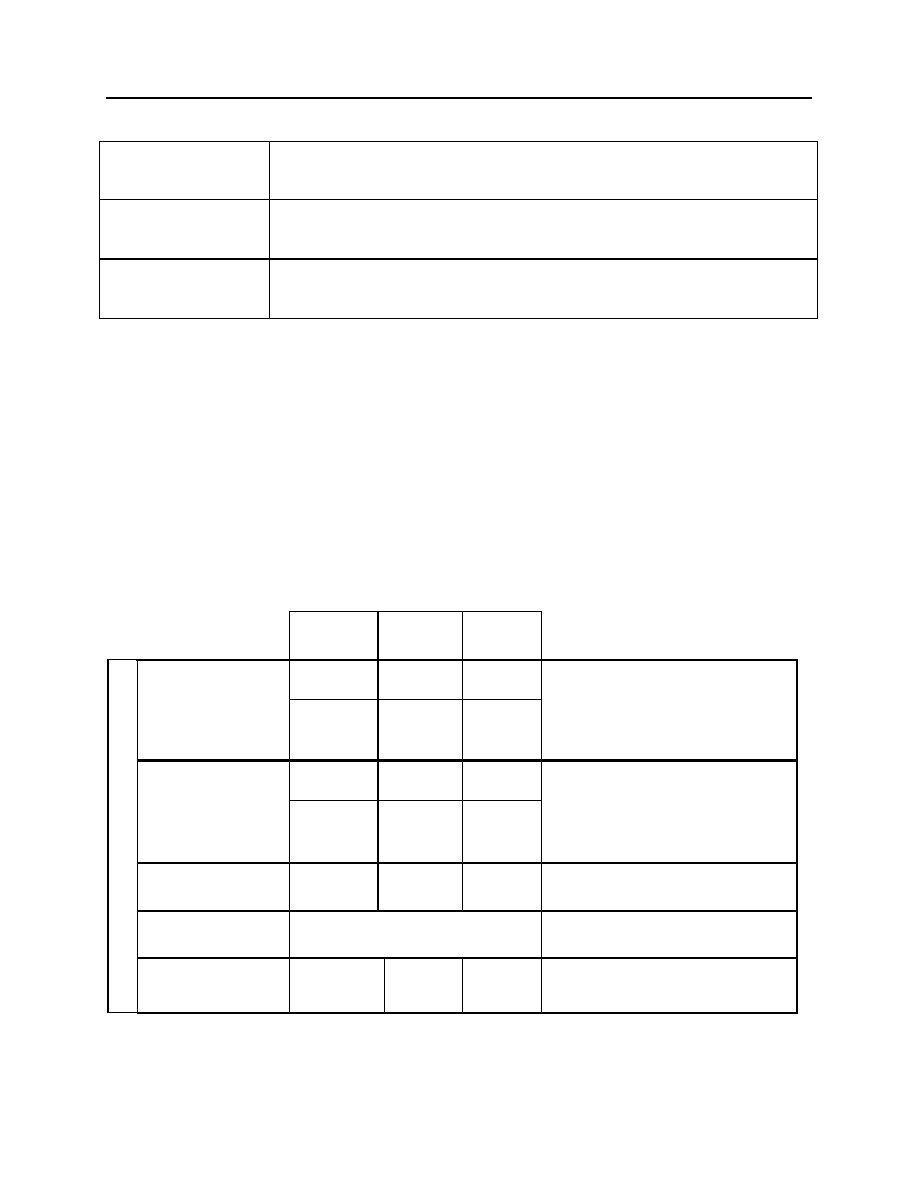
Each of the three labial consonants is distinct according to its separate order as
voiced (
B b
), unvoiced (
P p
), and aspirate (
F f
). Practice the following words
that have these labial consonantal stops in them.
The Three Orders
1. Voiced
2. Unvoiced
3. Aspirate
LESSON 4: Sight and Sounds of Words (Module B) Page 97
Consonants, Vowels, and Diphthongs
© Dr. William D. Ramey
B b
B b
B b
B b
(voiced)
bhta, baqei, boskw, bohqew, ebalen, kaboj
P p
P p
P p
P p
(unvoiced)
Pi, pistij, planoj, leipei, qaptw, epi
F f
F f
F f
F f
(aspirate)
Fi, fobh|, filoj, strefw, efagen, tefrow
§4.3 The Continuant Consonants
Three classes of stops and their orders were introduced in §4.2. The focus now
turns to the second major phonetic classification of Greek consonants: the
continuants.
A continuant is a consonant wherein the passage of air is restricted (but not
stopped), causing friction while the sound continues. Continuants are sometimes
called fricatives. The continuants are subdivided into the sibilant, compound,
nasal and liquid and semi-consonants. The semi-consonants will receive
further attention in later lessons.
Palatal
Dental
Labial
S s
S s
S s
S s j
j
j
j
Sibilant (
voiced)
(
unvoiced
)
S s
S s
S s
S s j
j
j
j
A sibilant is a hissing sound when
the breath in the mouth is
narrowed. Voiced
S s
S s
S s
S s has the zzzz
sound as the “s” in “is”; if unvoiced,
the
S s is the “s” sound as in “sit”.
Z z
Z z
Z z
Z z
Compound
(voiced)
(unvoiced)
C c
C c
C c
C c
Z z
Z z
Z z
Z z
Y
Y
Y
Y y
y
y
y
Compounds are a combination of a
palatal, dental, or labial +
ssss
. Like
sigma above, notice that
Z z
Z z
Z z
Z z is both
voiced and unvoiced. When
voiced,
Z z
Z z
Z z
Z z is pronounced as “dz”.
Nasal
(voiced)
G g
G g
G g
G g
1
N n
N n
N n
N n
2
M m
M m
M m
M m
3
The sound of nasal continuants is
forced up toward the nasal cavity
Liquid
(voiced)
L l R r
L l R r
L l R r
L l R r
The liquids fall between the classes
and the air passage is mostly open.
C
O
N
T
I
N
U
A
N
T
S
Semi-
consonants
I i
I i
I i
I i
R r
R r
R r
R r
U u
U u
U u
U u
These letters serve at times as a
vowel or a consonant.

LESSON 4: Sight and Sounds of Words (Module B) Page 98
Consonants, Vowels, and Diphthongs
© Dr. William D. Ramey
It is not necessary to memorize this table of continuant consonants.
However, it is vital to observe the overall pattern and to know which
ones are voiced and unvoiced. As the lessons progress, mastery of
their phonetic sounds will be indispensable to distinguish between many
Greek words.
The continuant sounds can be released either through the mouth or through the
nose. If released through the mouth, the continuant’s sound is a hissing noise
(the “s” sound as in “sit”). In this instance, breath is forced through a narrow
passage between the tip of the tongue and the teeth so that resulting friction
produces a hissing sound. These kinds of consonants are called sibilant.
Sigma is the only simple or pure sibilant in Greek, and z ta, xs , and ps are often
considered as compound sibilants (cf. §4.3.2).
If a continuant sound is released through the nose, its phonemic sound produces
one of three nasal consonants, respective to its class (palatal, dental, and labial).
Observe that all nasals are voiced, and sometimes
G g
is a nasal, whereas
M m
and
N n
are always considered nasal consonants. The following points pertain to
the chart above, and will be more fully developed in §4.3.3.
1. If
G
G
G
G g
g
g
g
(palatal) comes before another palatal stop (
k
,
g
, and
x
), or
c
, its
phonemic sounds is a voiced
g
g
g
g
- nasal (gamma nasal; cf. §4.3.31).
2. If the continuant is
N n
N n
N n
N n
(dental), its phonemic sound is a voiced
N n
N n
N n
N n
- nasal.
3. If the continuant is
M m
M m
M m
M m
(labial), its phonemic sound is a voiced
M m
M m
M m
M m
- nasal.
Finally, there are also two liquid continuant sounds in Greek: lambda and rho.
These consonants are called liquid because they are produced by allowing
breath to pass through the oral cavity without friction. They actually acquired
their name from the rippling nature of the sound.
With this brief introduction to continuant consonants, the five subcategories will
now be examined in greater depth, beginning with the sibilant consonant.
§4.3.1 The Sibilant Consonant
(
S s
S s
S s
S s j
j
j
j)
Sigma is the only “pure” sibilant consonant. It is sounded by the tip of the tongue
brought near the teeth or the roof of the mouth, and the sound allowed to pass
over the tongue that produces a hissing (< Latin sibilans, “to hiss”).
LESSON 4: Sight and Sounds of Words (Module B) Page 99
Consonants, Vowels, and Diphthongs
© Dr. William D. Ramey
When sigma is voiced, it has the “z” sound as the “s” in “is” or “as”. Sigma is
voiced before the voiced consonants
g
g
g
g
,
b
bb
b
,
dddd
, and
mmmm
. When sigma is unvoiced, it
has the phonemic “s” sound as in “sit”. Listen and repeat the Greek words
below, paying attention how the voiced and unvoiced sigma is pronounced.
S s (voiced)
kosmoj, asbestoj, prosdoka|, desmh, sxisma
S s (unvoiced)
sigma, su, se, son, estin, swma, glwssa
Three other Greek consonants are considered as compound sibilants:
zzzz
(z ta)
,
cccc
(xs ), and
y
y
y
y
(ps ). These consonants make a slight hissing sound because of
their composite sound nature (cf. §3.6.1). However, it is best to consider these
consonants as compound consonants and not as sibilant consonants, because of
their interaction with other consonants when words undergo predictable phonetic
consonantal changes. However, there is no harm regarding these consonants as
compound sibilants. These three compound consonants will now be examined.
§4.3.2 The Compound Consonants
(
Z z
Z z
Z z
Z z
,
C c
C c
C c
C c
,
and
Y y
Y y
Y y
Y y)
Compound consonants fuse two individual phonetic sounds into one letter.
Depending whether the pure sibilant (
s
)
is voiced or unvoiced, determines the
resultant compound consonant’s sound. The following combinations of a stop
consonant and a sibilant will produce its respective compound phonetic sound.
Palatal:
g
g
g
g
(voiced stop) +
ssss
(unvoiced) =
cccc
“xs” sound
kkkk
(unvoiced stop) +
ssss
(unvoiced) =
cccc
“xs” sound
x
x
x
x
(aspirate stop) +
ssss
(unvoiced) =
cccc
“xs” sound
Dental:
dddd
(voiced stop) +
ssss
(voiced) =
zzzz
“dz” sound
tttt
(unvoiced stop) +
ssss
(unvoiced) =
zzzz
“ds” sound
Q
Q
Q
Q
(aspirate stop) +
ssss
(unvoiced) =
zzzz
“ds” sound
Labial:
b
bb
b
(voiced stop) +
ssss
(unvoiced) =
y
y
y
y
“ps” sound
p
p
p
p
(unvoiced stop) +
ssss
(unvoiced) =
y
y
y
y
“ps” sound
f
f
f
f
(aspirate stop) +
ssss
(unvoiced) =
y
y
y
y
“ps” sound
The significance of compound consonants will become apparent in future lessons
when Greek words undergo predictable phonetic consonantal changes. It is

LESSON 4: Sight and Sounds of Words (Module B) Page 100
Consonants, Vowels, and Diphthongs
© Dr. William D. Ramey
important now only to become acquainted with their phonetic sounds in respect
to syllabification.
The blended phonetic sounds of compound consonants break apart, while at the
same time, bridging syllables when they occur within words (medial position).
However, the consonant itself actually belongs to only one syllable. For
example,
sw|zw
has two syllables,
sw
| and
zw
. When pronouncing
sw|zw
, it
sounds more like
sw|d
-
sw
(the sigma is voiced in this instance, hence the “dz”
sound). Practice the following words, noting that with the voiced
Z z
there is a
following “z” sound.
Z z
Z z
Z z
Z z
(voiced)
Z z
Z z
Z z
Z z
(unvoiced)
sw|zw, krazw, fwtizw, baptizw
(
sw|-zw
) (
kra-zw
) (
fw-ti-zw
) (
ba-pti-zw
)
zwh, zaw, zhtew, zugoj, zofoj, zew
(
zw-h
) (
za-w
) (
zh-te-w
) (
zu-goj
) (
zo-foj
) (
ze-w
)
C c
C c
C c
C c
(unvoiced)
ecwqen, ecw, ecousia, decioj
(
e-cw-qen
) (
e-cw
) (
e-zou-si-a
) (
de-ci-oj
)
Y y
Y y
Y y
Y y
(unvoiced)
yuxh, oyia, qliyij, yalmoj, diyaw
(
yu-xh
) (
o-yi-a
) (
qli-yij
) (
yal-moj
) (
di-ya-w
)
A voiced
Z z
is never the first letter in a word. It will be helpful to remember that
the voiced compound consonant
Z z
Z z
Z z
Z z
is a combination of voiced
dddd
+ voiced
ssss. I
f
the compound consonant,
Z z
Z z
Z z
Z z is unvoiced, it has the simple “z” sound, whereas
both
C c
C c
C c
C c
and
Y y
Y y
Y y
Y y
are always unvoiced because of the unvoiced
ssss
.
Many Greek grammars improperly consider compound consonants as “double”
consonants. This leads to confusion later when syllabification is discussed. For
now, understand the distinction between single, double, compound consonants
and consonantal clusters as outlined and defined below (§§4.3.21—4.3.24).
§4.3.21 Single consonants (
b
bb
b
,
g
,
dddd
,
etc.).
A single consonant is a consonant
that is not part of a double consonant (§4.3.22), compound consonant (§4.4.23),
or does not belong to a consonantal cluster (§4.3.24). Two single consonants
may follow one another (as in the fourth and sixth examples below).
dh, enexw, enoj, kardia, kata, pandoxei

LESSON 4: Sight and Sounds of Words (Module B) Page 101
Consonants, Vowels, and Diphthongs
© Dr. William D. Ramey
§4.3.22 Double consonants (
gg
gg
gg
gg
,
ss
ss
ss
ss
,
bb
bb
bb
bb
,
etc.). A double consonant is a pair of
identical consonants in juxtaposition with one another.
pollh, ommatwn, neossoj, sabbasin
Syllable division always occurs between double consonants. Syllable
division (syllabification) will be comprehensively examined in Lesson Five.
For now, observe that the above four words are divided as:
pol-lh om-ma-twn ne-os-soj sab-ba-sin
Notice also that when possible, a new syllable begins with a consonant.
§4.3.23 The Compound Consonants (
Z z
Z z
Z z
Z z
,
C c
C c
C c
C c
,
and
Y y
Y y
Y y
Y y
). As mentioned
before, many introductory Greek grammars improperly confuse the compound
consonant phonemic nature with “double consonants”. This grammar adopts the
nomenclature that a double consonant consists of an identical pair of
consonants, each having its separate consonantal value, whereas a compound
consonant is a single consonant with a compound phonetic sound (Antonius N.
Jannaris, An Historical Greek Grammar, p. 31).
§
4.3.24 Consonantal clusters (
gl
gl
gl
gl
,
skl
skl
skl
skl
,
br
br
br
br
,
etc.). A consonantal cluster is two
or more consonants in a row that are never divided between syllables when
pronouncing the word. There are more than fifty consonantal clusters in
NTGreek. In general, consonantal clusters retain the sound they have
separately. That is to say, every Greek consonant has the same pronunciation
they have separately, except that they are blended together. A complete list of
these consonantal clusters will be given in Lesson Five (§5.2).
§4.3.3 The Nasal Consonants (
G g
G g
G g
G g
,
N n
N n
N n
N n
,
and
M m
M m
M m
M m).
Three continuant consonants are called “nasal” because their sound is forced up
into the nasal cavity and released through the nose. All three nasal consonants
are always voiced (vocal cords vibrate), and are divided into their respective
classes: palatal (
G g
), dental (
N n
), and labial (
M m
).
§4.3.31 The Nasal Gamma.
G g
G g
G g
G g
has already been introduced as a stop palatal
consonant (cf. §4.2.1). As a palatal stop, it is pronounced like the hard “g” as in
“gate”. However, there are also four other possible phonetic pronunciations of
this consonant as a continuant consonant.

LESSON 4: Sight and Sounds of Words (Module B) Page 102
Consonants, Vowels, and Diphthongs
© Dr. William D. Ramey
When gamma occurs before another guttural stop (
g
g
g
g
,
kkkk
, and
x
xx
x
) or
cccc
, the
combination of these consonants undergoes a phonemic change. When the
gamma undergoes this phonemic change, it is called the
g
gg
g
- nasal. The
following examples illustrate these different
g
- nasal combinations.
1. When gamma immediately occurs before another gamma in a word (
gg
), the
double consonant combination produces the nasal sound of “ng” as in the
English words “thing”, “king” or “finger”.
aggelov, feggov, suggenhj, Naggai
(
ag-ge-loj) (feg-goj) (sug-ge-nhj) (Nag-gai)
2. When gamma immediately occurs before the guttural consonant,
kkkk
(
gk
gk
gk
gk
), the
consonantal combination produces the nasal sound of “nch” as in “anchor”.
agkura, sugkalew, hnegka, egkoph, ogkoj
(
ag-ku-ra) (sug-ka-le-w) (h-neg-ka) (eg-ko-ph) (og-koj)
3. When gamma immediately occurs before the guttural consonant
x
xx
x
(
gx
gx
gx
gx
), the
consonantal combination is pronounced like
gk
gk
gk
gk
only with more breath.
sugxew, elegxei, elegxe, egxriw, logxh
(
sug-xe-w) (e-leg-xei) (e-leg-xe) (eg-xri-w) (log-xh)
4. When gamma immediately occurs before the compound consonant
cccc
(
gc
gc
gc
gc
), the
consonantal combination produces the nasal sound of “nks” as in the English
words “inks” and “oinks”, or the “nx” as in “lynx”. It is helpful to remember
that
C c
C c
C c
C c
is a compound sound (see. §3.5.1).
sfigc, larugc, farugc, salpigc
(
la-rugc) (fa-rugc) (sal-pigc))
§4.3.32 The Nasal N .
The nasal n# is a dental continuant consonant. The
tongue is pressed against the alveolar ridge with its sound forced up through the
nasal cavity. Like all nasal continuants, it is voiced.
Practice the nasal n#, using the following words as a guide. As a preamble for
learning syllabification, the words are also divided into their proper syllables.

LESSON 4: Sight and Sounds of Words (Module B) Page 103
Consonants, Vowels, and Diphthongs
© Dr. William D. Ramey
nu,
ennuxa, estin, en, nai, nekroj, nikh
(en-nu-xa) (e-stin) (ne-kroj) (ni-kh)
neuw, pan, palin, on, oneidoj, oninhmi
(
neu-w) (pa-lin) (o-nei-doj) (o-ni-nh-mi)
Observe that every syllable above has something in common. Whether it
is a single or multi-syllable word, every Greek syllable (like English) must
contain either only one vowel or diphthong.
§4.3.33 The Nasal M The nasal m# is a labial continuant consonant. The
sound of the letter is formed by the rounding of the lips, with most of the sound
allowed to pass through the nasal cavity instead of the mouth. Like all nasal
continuants (
G g
,O
N n
, and
M m
), m# makes the nose resonate with a slight
vibration. Like the other two nasal continuants, the nasal m# is also voiced.
mu, amelei, emou, kamnw, monon, mallon mneia
(
a-me-lei) (e-mou) (ka-mnw) (mo-non) (mal-lon) (mnei-a)
kammuw, lambda, pempei, blasfhma, stomnoj
(
kam-mu-w) (lam-bda) (pem-pei) (blas-fh-ma) (sto-mnoj)
§4.3.4 The Liquid Consonants (
L l
L l
L l
L l and R r
R r
R r
R r) (< Latin liquidus, “fluid”)
Two consonants are considered continuant liquids,
L l
L l
L l
L l
and
R r
R r
R r
R r
. These liquid
consonants are produced by allowing the air to pass through the oral cavity
without friction. They are “liquid” because of the rippling nature of their phonemic
sound. Because of their liquid nature, it is possible to continue their sound as
long as desired (as well as all continuatives). In some cases, this may affect how
long a double lambda or rho is pronounced within a word.
In some Greek grammars, m# and n# are also considered liquid consonants.
§4.3.41 The Liquid Lambda
lambda,
apelqh|, qlibw, alla
The lambda is produced by both placing the tip of the tongue against the alveolar
ridge of the mouth, or against the teeth, and allowing the sound to pass around
the side of the tongue. Because of the initial placement of the tongue, lambda

LESSON 4: Sight and Sounds of Words (Module B) Page 104
Consonants, Vowels, and Diphthongs
© Dr. William D. Ramey
falls somewhere between guttural and dental. In any case, the phonetic sound of
lambda is produced exactly like the English “l”.
§4.3.42 The Liquid Rh
rakoj, riza, erreqh, kardia
Rh% was originally trilled. The tip of the tongue was trilled against the roof of the
mouth while at the same time allowing the “rr” sound to pass around it. There is
not a corresponding phonemic sound in the English language. Most nonnative
speakers will pronounce the rh% as a guttural by almost allowing the tip of the
tongue to touch the roof of the mouth (or rolled back) and saying the sound “rr”.
Whenever rh% begins a word, it is aspirated to aid in its pronunciation.
When rh% is within a word, this aspiration is almost, if not negligible. As
the spelling of its name indicates (rh%), a flow of breath accompanies
the letter, however, only so when it begins a syllable.
§4.3.5 The Semi-Consonants (
I i
I i
I i
I i
,
U u
U u
U u
U u
, and
R r
R r
R r
R r)
Greek grammars customarily refer to certain sounds as semi-consonants or
semi-vowels in addition to the seventeen consonants, because of their phonemic
sound-shifts in certain Greek words. These letters are
I i
I i
I i
I i
,
U u
U u
U u
U u
,
and
R r
R r
R r
R r
.
Sometimes, these letters may serve double duty, as both a consonant and vowel.
Of these three letters, only i%ta receives attention here, because the other letters
pertain to the development of the Greek phonological system, and not its stage in
New Testament Greek.
Whenever i%ta precedes a long vowel at the beginning of a word, its phonetic
sound is like the “i” in “onion” or “minion”. It is a voiced palate. The phonetic
value resembles the English “y” as in “yes” or “yam”, and its phonetic sound goes
with the following long vowel (as one syllable).
iwta, Ihsouj, Iwsian, Iwannou, suniwn, iwmenoj
For more Greek lessons in this series, go

LESSON 4: Sight and Sounds of Words (Module B) Page 105
Consonants, Vowels, and Diphthongs
© Dr. William D. Ramey
Study Guide
Sight and Sounds of Greek Words (Module B)
Phonology (Part 4)
Exercise One: Short Answer. Briefly answer the following questions.
1. What are the two major phonetic classifications of consonants?
2. What are the nine “stop” consonants?
3. What constitutes a “stop” consonant?
4. Classify the following stop consonants according their class and order.
a.
K k
-
f.
P p
-
b.
G g
-
g.
Q q
-
c.
T t
-
h.
F f
-
d.
X x
-
i.
D d
-
e.
B b
-
5. What determines whether a consonant is “voiced” or “unvoiced”?

LESSON 4: Sight and Sounds of Words (Module B) Page 106
Consonants, Vowels, and Diphthongs
© Dr. William D. Ramey
6. What constitutes a “palatal stop”? How many are there?
7. What constitutes a “dental stop”? How many are there?
8. What constitutes a “labial stop”? How many are there?
9.
G g is coordinate with what other voiced stops?
10.
K k is coordinate with what other unvoiced stops?
11.
X x is coordinate with what other aspirated stops?
12.
X x is cognate with what other guttural stops?
13.
Q q is cognate with what other dental stops?
LESSON 4: Sight and Sounds of Words (Module B) Page 107
Consonants, Vowels, and Diphthongs
© Dr. William D. Ramey
14.
F f is cognate with what other labial stops?
15. Fill in the following chart with the appropriate consonants. This chart is
commonly called the “Square of Stops”.
Palatal
Dental
Labial
Voiced
Unvoiced
Aspirate
16. What does “aspiration” indicate in connection with pronouncing an aspirated
consonant? To which English sound does it correspond?
17. What makes a consonant a continuant consonant?
18. What are the five-continuant subcategories consonants?
19. What consonant is the only pure sibilant in Greek? Why?
20. What are the three compound consonants?
LESSON 4: Sight and Sounds of Words (Module B) Page 108
Consonants, Vowels, and Diphthongs
© Dr. William D. Ramey
21. Before the three palatal stops (
g
,
k
,
x
) and
c
, the gamma undergoes a
phonemic change. How are these combinations pronounced?
a.
gg
-
b.
gk
-
c.
gx
-
d.
gc
-
22. Fill in the following chart with the appropriate consonants.
Classes
Classes are the
three positions of
breath closure.
Palatal
Dental
Labial
The nine “stops” are divided into
three “classes” and three “orders”.
(voiced)
(unvoiced)
S
T
O
P
S
O
r
d
e
r
s
(aspirate)
The orders express both the degree
of the vibration in the vocal cords
and force in the expiratory breath.
Sound is formed by slowing down
or briefly stopping the flow of air
through the mouth.
Sibilant (
voiced)
(
unvoiced
)
A sibilant is a hissing sound when
the breath in the mouth is
narrowed. Voiced
S s
S s
S s
S s has the zzzz
sound as the “s” in “is”; if unvoiced,
S s is the “s” sound as in “sit”.
Compound
(voiced)
(unvoiced)
Compounds are a combination of a
guttural, dental or labial +
ssss
. Like
sigma above, notice that
Z z
Z z
Z z
Z z is both
voiced and unvoiced. When
voiced,
Z z
Z z
Z z
Z z is pronounced as “dz”.
Nasal
(voiced)
The sound of nasal continuants is
forced up toward the nasal cavity
Liquid
(voiced)
The liquids fall between the classes
and the air passage is mostly open.
C
O
N
T
I
N
U
A
N
T
S
Semi-
(voiced)
consonants
These letters serve at times as a
vowel or a consonant.

LESSON 4: Sight and Sounds of Words (Module B) Page 109
Consonants, Vowels, and Diphthongs
© Dr. William D. Ramey
23. What are the three nasal consonants? Why are they called “nasal”?
Exercise Two: True or False Questions. Choose whether the statement is true
or false.
1. All consonants may be classified as either a stop or continuant consonant.
There are NO exceptions. True False
2. The stop consonants are subdivided according to the nature of their sound
and vocal organs used in producing them. True False
3. Gamma may be classified as either a voiced palatal stop, or as a voiced nasal
continuant. True False
4. The two liquid voiced continuants are lambda and rh%. True False
5. The three aspirate stop consonants are ph , ch , and xs . True False
6. The three palatal stop consonants are gamma, kappa, and ch .
True False
7. The three labial stop consonants are b ta, p , and th ta. True False
8. The three nasal voiced continuant consonants are gamma, m# and n#.
True False
9. A cognate consonant is associated with a particular order. True False
10. A coordinate consonant is associated with a particular order. True False
11. The three orders are voiced, unvoiced, and aspirate. True False
12. The three classes are palatal, dental, and aspirate. True False
13. Gamma belongs to the same voiced order and is coordinate with the stop
consonants delta and b ta. True False

LESSON 4: Sight and Sounds of Words (Module B) Page 110
Consonants, Vowels, and Diphthongs
© Dr. William D. Ramey
14. Kappa belongs to the same unvoiced order and is coordinate with the stop
consonants tau and p . True False
15. Ch belongs to the same aspirated order and is coordinate with th ta and
ph . True False
16. A stop consonant pronounced with the aid of the vocal cords is called
“unvoiced”. True False
17. A stop consonant pronounced with a strong emission of breath is called
“aspirate”. True False
18. The palatal consonant stops belong to the same class because they are
formed in back of the throat by the closure of the tongue near or touching
the hard palate in the oral cavity. True False
19. Gamma may be either a voiced consonant stop, or a nasal continuant.
True False
20. Because Greek consonants undergo phonemic changes, some consonants
are not pronounced (“silent consonants”). True False
Exercise Three: Multiple Choice. Choose the best answer.
1. Which consonant has a final form (i.e., when it ends a word)?
a. kappa
c. sigma
b. ph
d. gamma
2. Which of the following belong to the stop consonants?
a.
G g Q q R r
c.
F f K k L l
b.
P p G g T t
d.
A a D d B b
3. With what sound is aspiration associated?
a. a strong emission of breath
c. the palate
b. the lips
d. the teeth

LESSON 4: Sight and Sounds of Words (Module B) Page 111
Consonants, Vowels, and Diphthongs
© Dr. William D. Ramey
4. Which of the following are the three orders?
a. voiced, unvoiced, and aspirate
c. palatal, dental, and labial
b. nasal, sibilant, compound
d. aspirate, sibilant, and voiced
5. Kappa belongs to the same unvoiced order and is coordinate with which
consonants?
a.
T t Q q
c.
D d T t
b.
Q q F f
d.
P p T t
6. Th ta belongs to the same aspirated order and is coordinate with which
consonants?
a.
X x F f
c.
D d B b
b.
T t P p
d.
F f T t
7. B ta belongs to the same voiced order and is coordinate with which
consonants?
a.
K k P p
c.
Q q G g
b.
G g D d
d.
X x F f
8. Compound consonants belong to which consonant classification?
a. liquid
c. nasal
b. continuants
d. stops
9. What are the three liquid continuant consonants?
a.
I i R r U u
c.
G g N n M m
b.
X x Q q F f
d.
C c Z z Y y

LESSON 4: Sight and Sounds of Words (Module B) Page 112
Consonants, Vowels, and Diphthongs
© Dr. William D. Ramey
10. What sounds are the independent and indispensable sounds in speech?
a. nasal
c. consonants
b. vowels
d. breathing marks
11. Which example is an illustration of an i%ta adscript?
a.
ai
c.
a|dhj
=
AIDHS
b.
w|
d.
tima|
=
TIMA
12. Which of the following are diphthongs?
a.
ie ee ae oo
c.
ai ei eu hu
b.
oi ui ie oe
d.
oo ee ei eu
13. Which word has a dieresis?
a.
tima|
c.
Mwu+shj
b.
TWI
d. none of these
Exercise Four: Transposition of letters. Transpose the following Greek capital
letters into their corresponding small letters, and the small letters into their
corresponding capital letters.
1.
POIHSOUSIN
_______________ 7.
epeita
_____________
2.
adam
___________ 8.
KAI
________
3.
esmen
___________ 9.
ADELFOI
_____________
4.
PLEIONES
______________ 10.
kuriou
______________
5.
MATAIA
_____________ 11.
profhthj
______________
6.
ANQRWPWN
________________ 12.
KWLUETE
_____________
Click
for the answers to this study guide and further help aids associated with this lesson.
Document Outline
- Lesson Four Overview
- 4.0 Introduction
- 4.1 Phonetic Classification of Greek Consonants
- 4.2 The Nine Stops
- 4.3 The Continuant Consonants
- Study Guide
Wyszukiwarka
Podobne podstrony:
(ebook pdf) Learn Greek Lesson 07
(ebook pdf) Learn Greek Lesson 08(1)
(ebook pdf) Learn Greek Lesson 02(1)
(ebook pdf) Learn Greek Lesson 03
(ebook pdf) Learn Greek Lesson 09
(ebook pdf) Learn Greek Lesson 11
(ebook pdf) Learn Greek Lesson 12
(ebook pdf) Learn Greek Lesson 06
(ebook pdf) Learn Greek Lesson 01
( EBOOK PDF ENG) Pimsleur Learn spanish III
[eBook PDF] Interchange 3 Teachers Book Grammar Section(Cambridge University Press) [study learn
(ebook PDF)Shannon A Mathematical Theory Of Communication RXK2WIS2ZEJTDZ75G7VI3OC6ZO2P57GO3E27QNQ
(ebook pdf) Matlab Getting started
Learn greek (6 of 7) The nominal system, part I
Learn greek (4 of 7) Greek phonology, part II
(ebook pdf) Mathematics Statistical Signal Processing WLBIFTIJHHO6AMO5Z3SDWWHJDIBJQVMSGHGBTHI
Komandosi w bialych kolnierzykach Metody zarzadzania stosowane przez najlepszych menedzerow eBook Pd
Learn greek (2 of 7) The greek alphabet, part II
Learn greek (7 of 7) The nominal system, part II
więcej podobnych podstron