1

CONTENTS
• Lesson 1
– Model Making Workshop - Structure of
Tall Buildings and Towers
• Introduction to Tall Buildings
• Loads and Forces on Buildings
Vertical Forces
Horizontal Forces
Internal Forces
• Typical Structural Systems in Tall Buildings
• Project Brief on Tower-Making Workshop
• Class activity
• Role Play
2
| Model Making Workshop – Structure of Tall Building and Tower |
Lesson 1 – Model Making Workshop

Lesson 1
Model Making Workshop –
Structure of Tall Buildings
and Towers
3
| Model Making Workshop – Structure of Tall Building and Tower |
Lesson 1 – Introduction to Tall Buildings
Introduction to
Tall Buildings
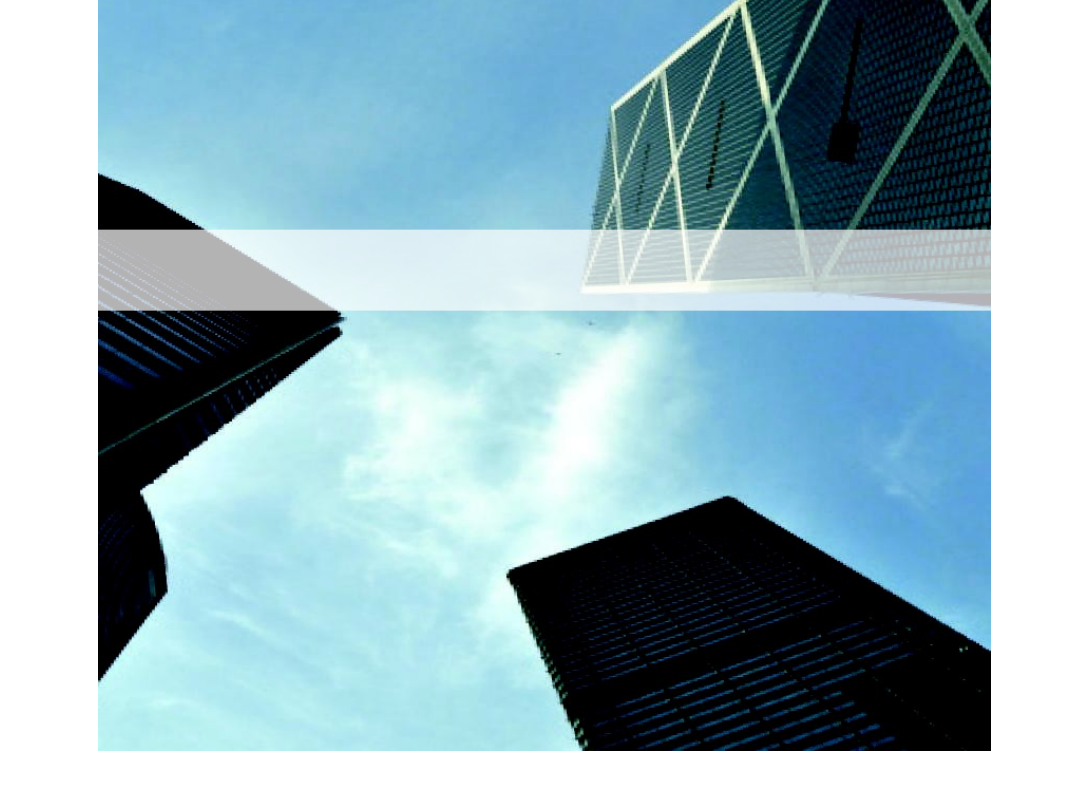
Do you know these tall
buildings?
How tall are they?
What are the structures?
4
| Model Making Workshop – Structure of Tall Building and Tower |
Lesson 1 – Introduction to Tall Buildings
5
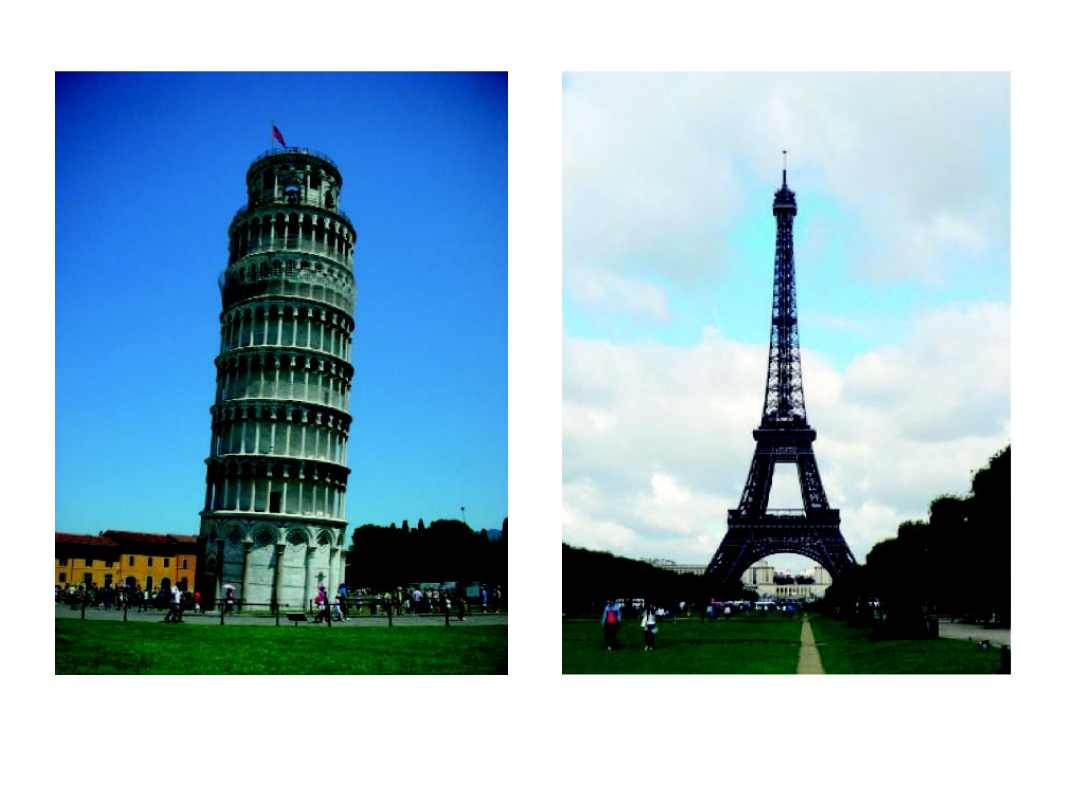
The Leaning Tower of Pisa (55.86 m) was built
in 1372, using marble stone in a Romanesque
style. Its current leaning
appearance is due to
sub-soil
settlement.
The Eiffel Tower is a 320-m-high steel
structure that was completed in 1889 as the
entrance arch for that year’s World’s Fair.
How tall are they?
| Model Making Workshop – Structure of Tall Building and Tower |
Lesson 1 – Introduction to Tall Buildings
6
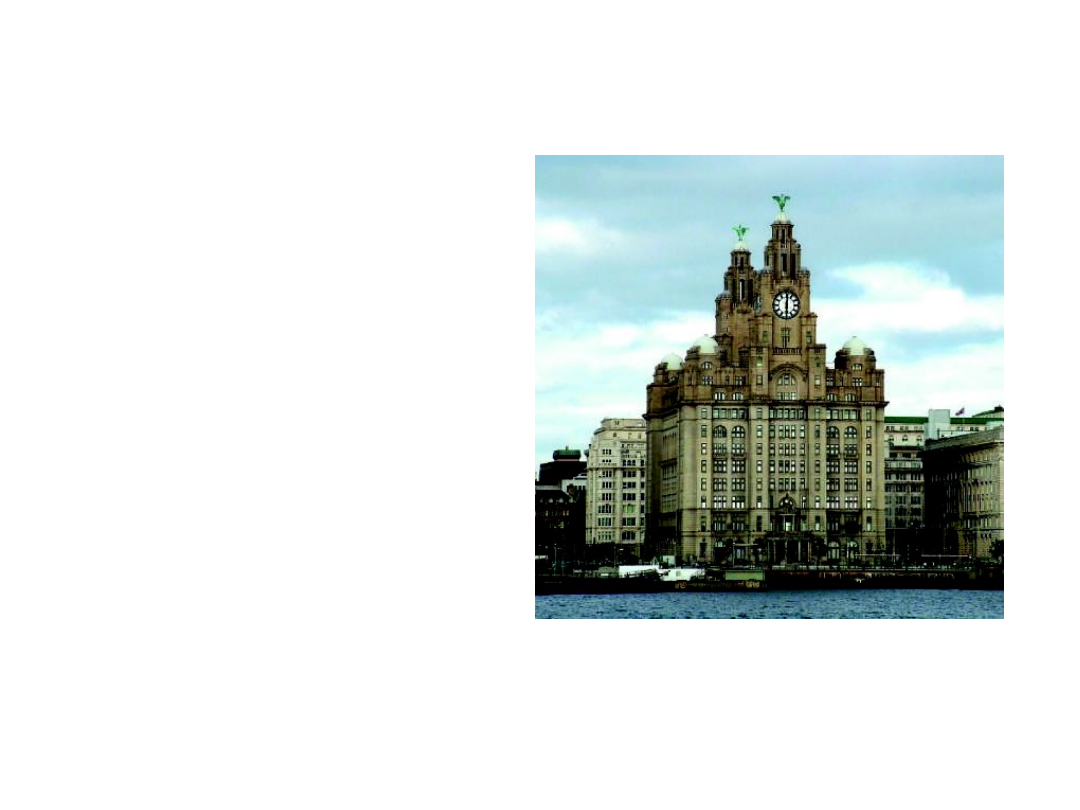
The 90-m-high Royal Liver Building in
Liverpool was one of the
first concrete
buildings
in the world. It was completed in 1911 after
a
Neoclassical design by Walter A. Thomas.
© Chowells - Wikipedia User
• In the early 20th century, cities
became bigger and denser.
Urban populations were
growing but land supply
was limited. High-rise
buildings became an essential
solution to the problem.
• New technologies and
building materials, such as
industrial reinforced concrete,
steel and elevators, made
high-rise structures feasible
and drove innovation.
| Model Making Workshop – Structure of Tall Building and Tower |
Lesson 1 – Introduction to Tall Buildings
7
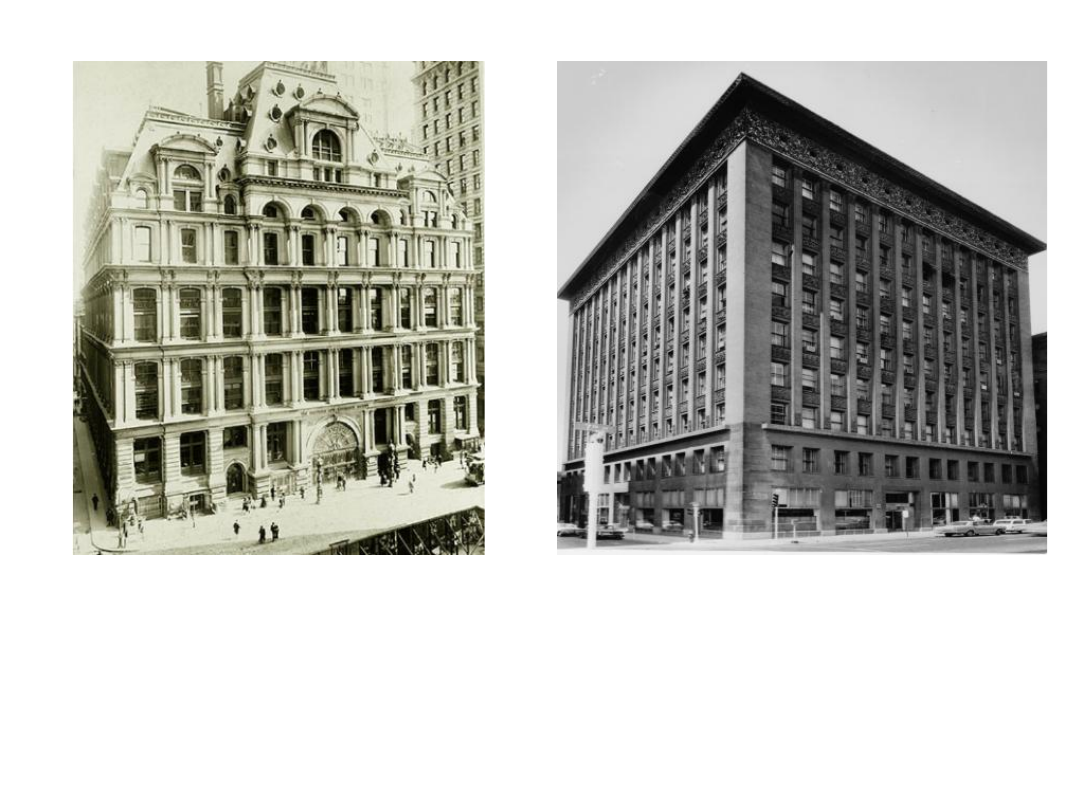
The 36-storey Equitable Building in New York
was completed in 1915. Its architect, Ernest R.
Graham, used
a Neoclassical style despite the building’s
modernity: it
was the
first building equipped with elevators
.
It triggered the implementation of height
limits and setbacks for tall buildings to allow
sunlight to reach street level.
The modernist Wainwright Building in
St. Louis was completed in 1891 by
architects Dankmar Adler & Louis
Sullivan. Its 10-storey are supported
by an early
steel framing system
.
| Model Making Workshop – Structure of Tall Building and Tower |
Lesson 1 – Introduction to Tall Buildings

Loads
and
Forces
on
Buildings
The statics of a building deal with its structural
stability. According to Newton’s First Law, when an
object is in equilibrium, the sum of all forces
equals zero.
What are the sources of forces that act on the
building structure?
8
| Model Making Workshop – Structure of Tall Building and Tower |
Lesson 1 – Loads and Forces on Buildings

9
| Model Making Workshop – Structure of Tall Building and Tower |
Lesson 1 – Loads and Forces on Buildings
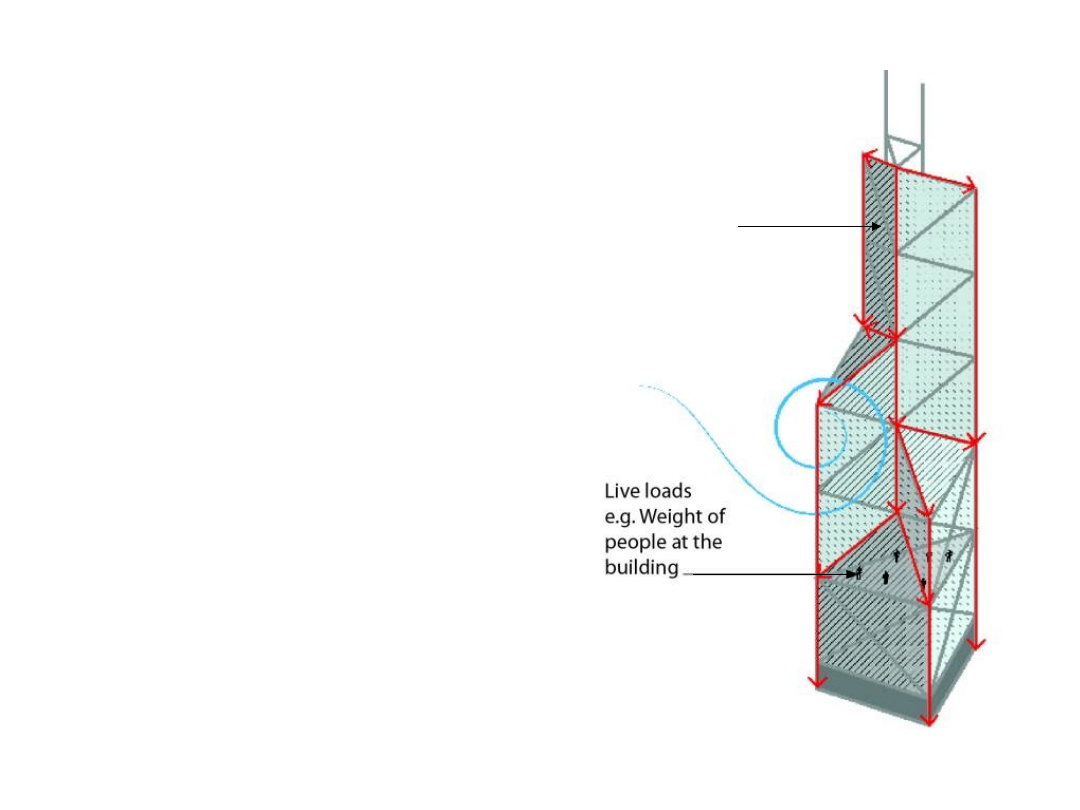
There are three types of loads generally:
• Dead Load
– Dead loads are the loads of the structure and fixed
components.
– It is a permanent force that is relatively constant for a extended
period of time.
– The force is gravitational.
• Live Load
– Live load is a changing force generated by mobile objects
inside the building, such as people within the building or stock in a
warehouse.
– The force is gravitational.
• Environmental Load
– Environmental loads are forces acting on the building from its
environment and may include wind, rain, earthquakes and
temperature changes.
– The forces created can be either horizontal or vertical, positive or
negative.
10
| Model Making Workshop – Structure of Tall Building and Tower |
Lesson 1 – Loads and Forces on Buildings
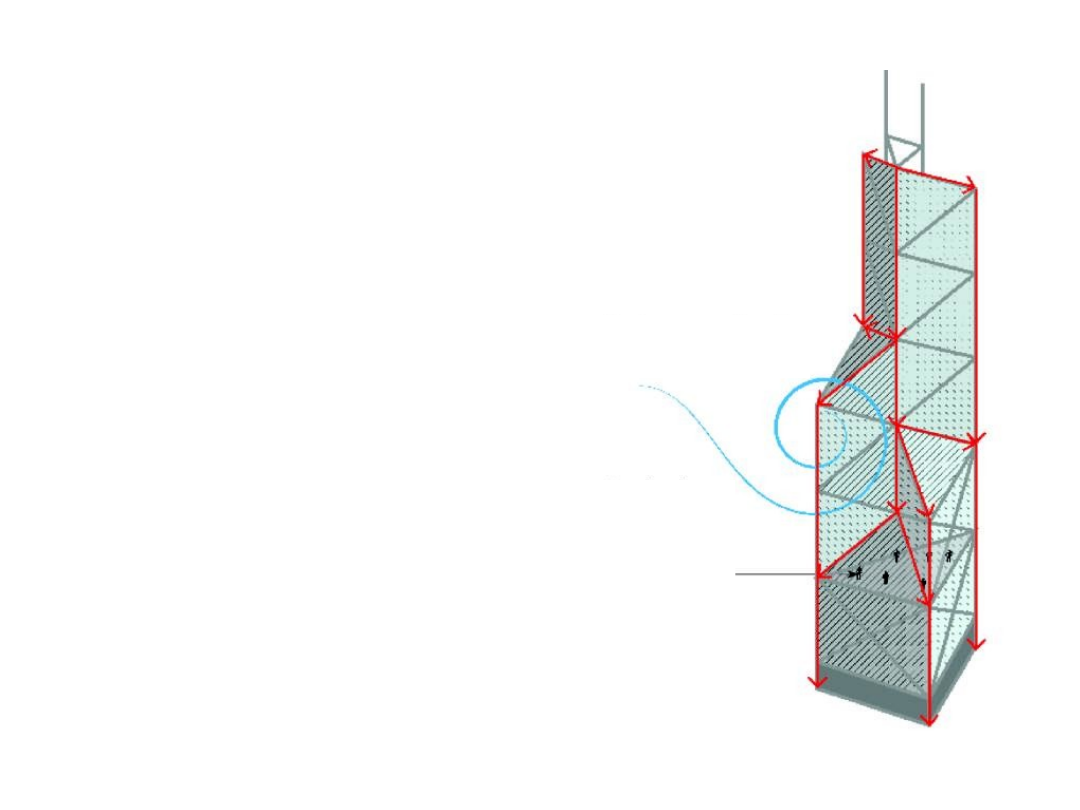
Vertical Forces
Dead loads
e.g. Weight of the
building
• Dead loads and live loads
contribute to the vertical
forces on the structure of
buildings.
• Vertical loads are transferred
from the floors to the columns
and walls, and eventually to
the soil or bedrock.
• At times, environmental loads
also act vertically.
Environmental
loads
e.g. Wind
11
| Model Making Workshop – Structure of Tall Building and Tower |
Lesson 1 – Loads and Forces on Buildings
Horizontal Forces
• Environmental loads
contribute most of the
horizontal forces acting on the
structure of a building, with
loads from wind being the
most common.
• Architects refer to these
horizontal forces as shear
force.
• Adding cross bracing or
shear walls can improve
structural resistance to shear
forces.
Environmental
loads
e.g. Wind
12
| Model Making Workshop – Structure of Tall Building and Tower |
Lesson 1 – Loads and Forces on Buildings
Internal Forces
• The internal strength of the entire
structure must be = or > the total
forces applied on the building
• The ability to withstand all forces
depends on the structural
component’s dimensions and the
solidity and elasticity of the
material.
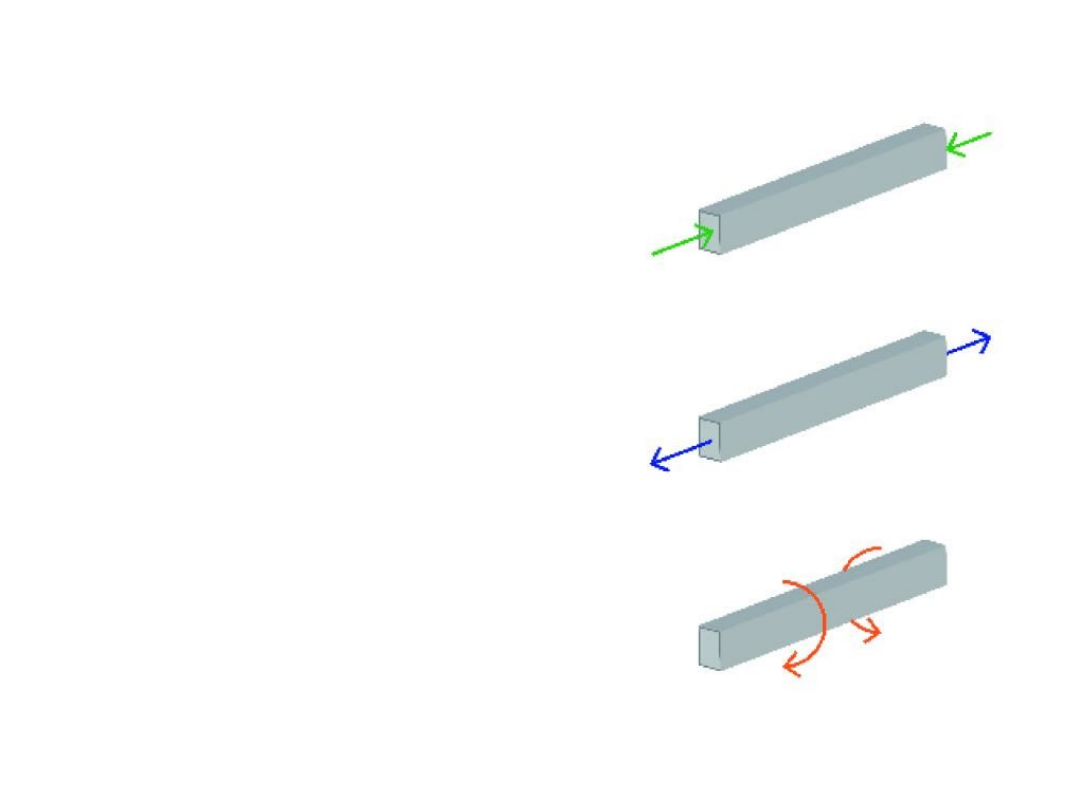
• Internal forces :
•
Compressive and Tensile
Forces
According to Newton’s Third Law,
forces act in pairs. In structural
terms, tensile force pulls a
structural element apart while
compressive force compresses it.
•
Torque
If opposing forces are applied at
different points, a structural
element may become twisted.
Compressive
Force
Tensile Force
Torque
Internal forces in a structural element
13
| Model Making Workshop – Structure of Tall Building and Tower |
Lesson 1 – Typical Structural Systems in Tall Buildings
Typical
Structural Systems
in Tall Buildings
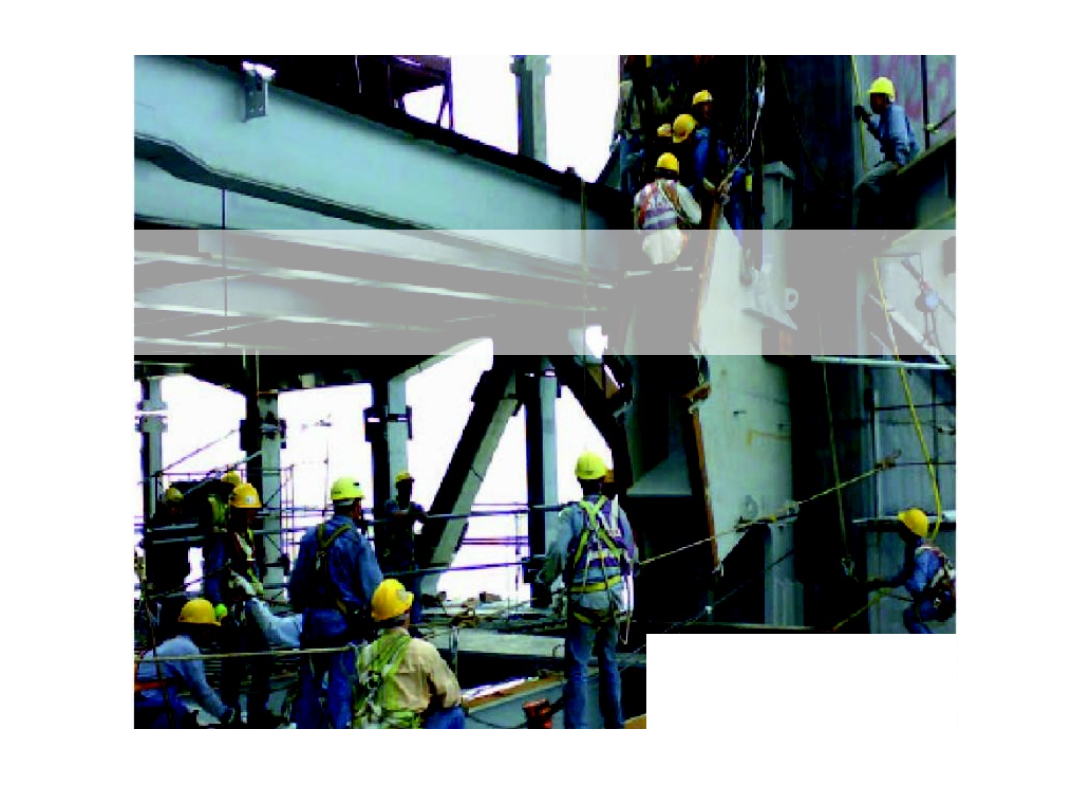
Installation of outriggers at
the
International Commerce
Centre
© Raymond Wong
14
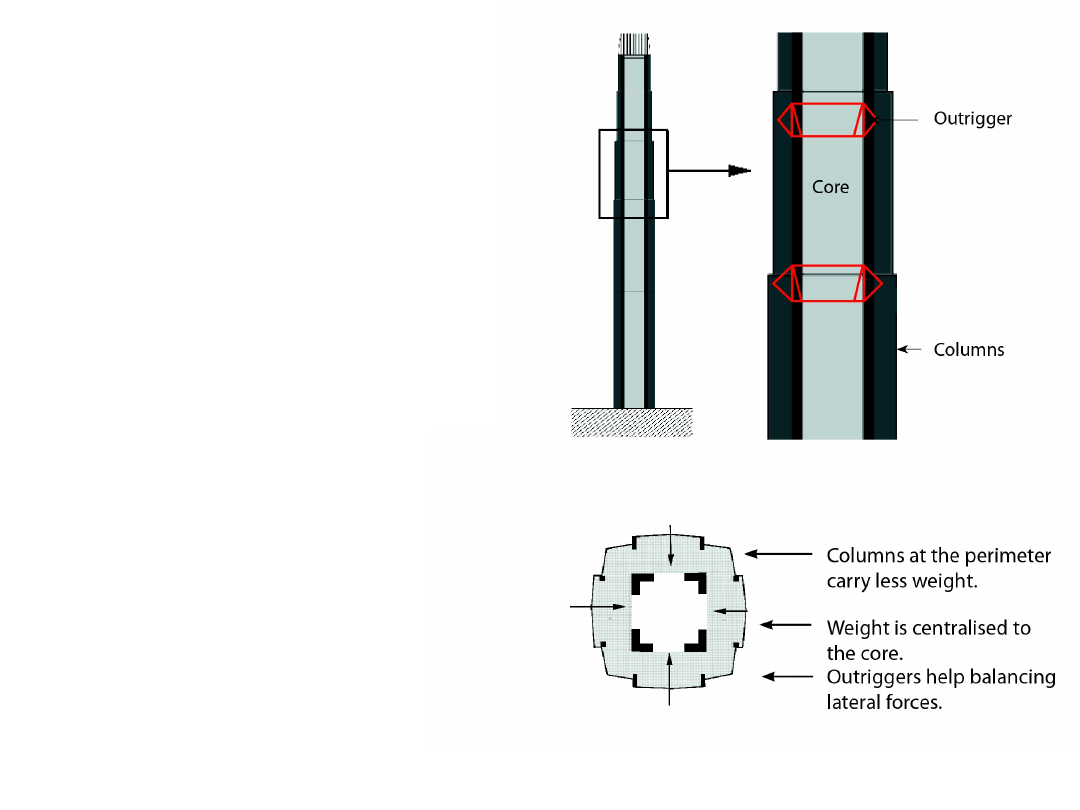
Core and Outrigger structure
• The International Commerce
Centre is built using a ‘Core
and Outrigger’ concept.
• The core at the centre of the
building bears most of the
vertical load,
• while columns at the
perimeter carry less weight
and are thus smaller in
dimension.
• Loads are transferred to the
core through steel
outriggers that balance the
lateral forces on the whole
building.
| Model Making Workshop – Structure of Tall Building and Tower |
Lesson 1 – Typical Structural Systems in Tall Buildings
Outrigger connecting the core and the columns
Plan of International Commerce Centre
15
Steel
• It is a common construction
material for tall buildings
• good performance in withstanding
compressive and tensile forces,
as opposed to concrete’s low
tensile strength in compression.
• Steel bars can be used to reinforce
concrete to add extra structural
performance.
• Relatively weak in fire-
resistance.
| Model Making Workshop – Structure of Tall Building and Tower |
Lesson 1 – Typical Structural Systems in Tall Buildings
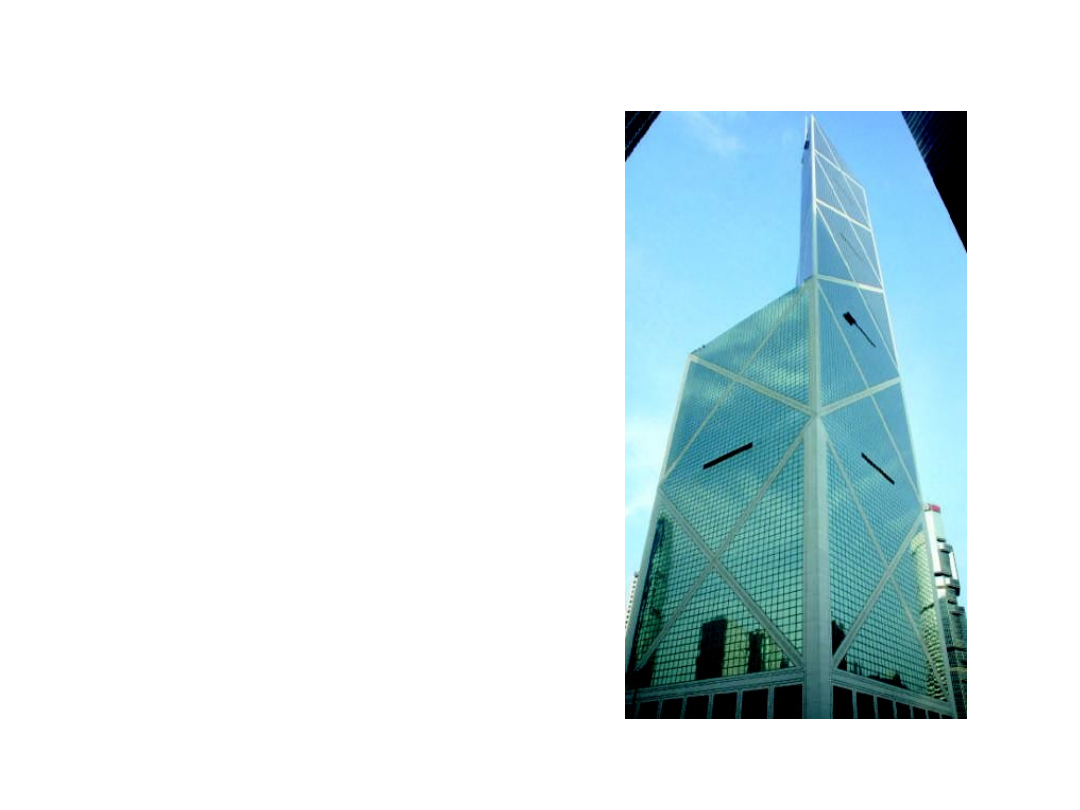
Bank of China Tower
The Bank of China Tower is a steel
trussed-tube structure. The whole
building acts as a single tubular truss,
with the diagonals wrapping the
building to transfer loads.
16
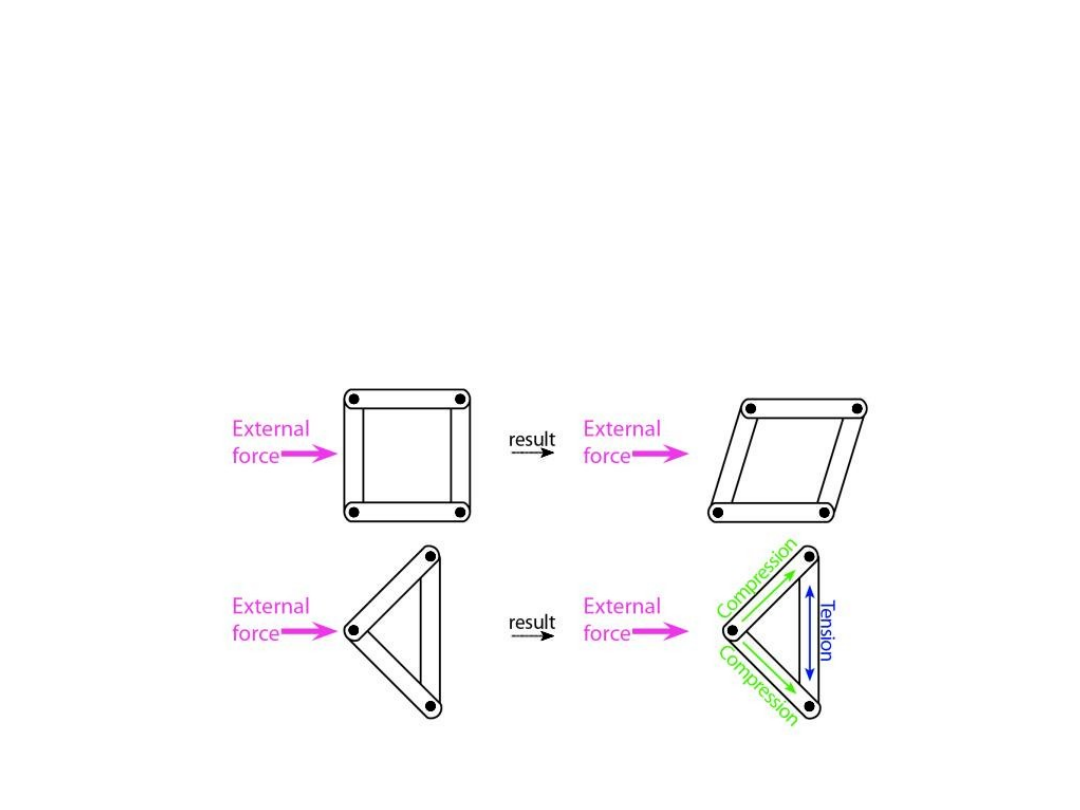
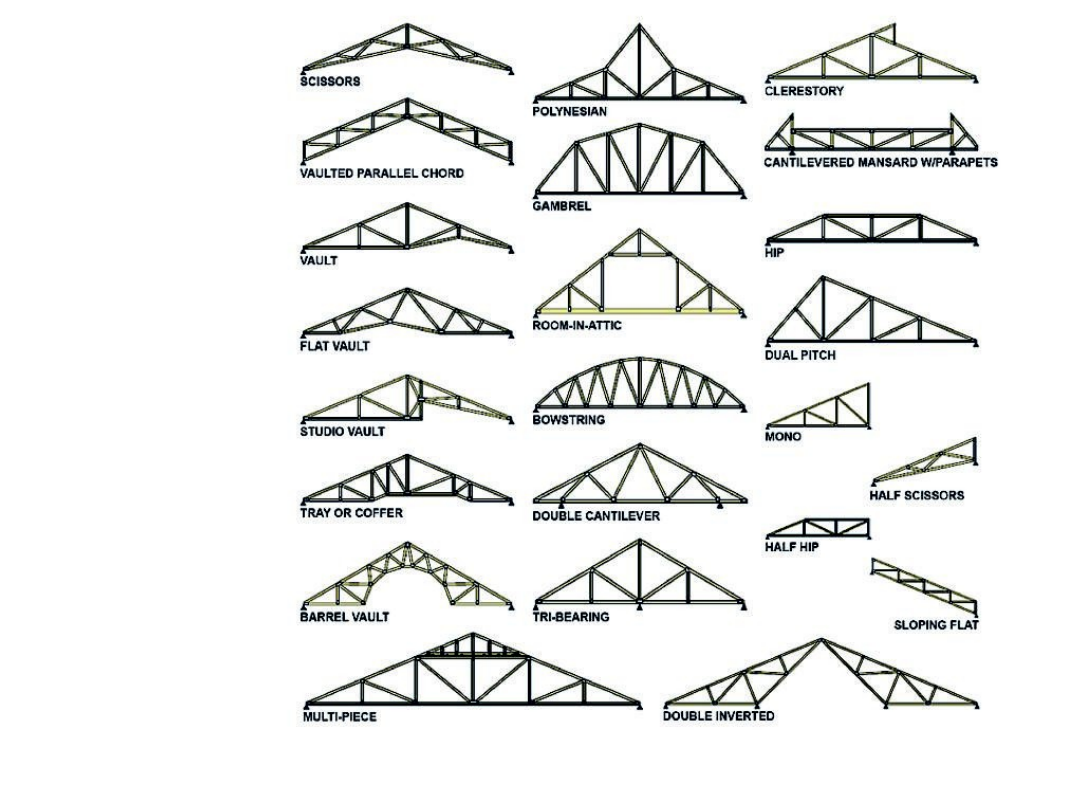
Truss
• Common structural element in architecture.
• Steel members are joined together into triangular
shapes, which are able to resist external forces.
• When joined together, these triangles can form large truss
systems that can span long distances.
| Model Making Workshop – Structure of Tall Building and Tower |
Lesson 1 – Typical Structural Systems in Tall Buildings
17
Truss
Common types of truss
© Structural Building Components Association
| Model Making Workshop – Structure of Tall Building and Tower |
Lesson 1 – Typical Structural Systems in Tall Buildings

Summary
• Although humans have long attempted to
build tall structures, skyscrapers began to
appear in our cities in the late 19th
century as a result of technological
breakthroughs in building materials and
methods, including reinforced concrete,
steel, and elevators.
18
| Model Making Workshop – Structure of Tall Building and Tower |

Summary
• Buildings bear three types of loads: dead
loads, live loads and environmental loads
• All loads are resolved into vertical and
horizontal forces on the structure.
• Typical structural systems used in tall
buildings include core and outrigger
structures, steel frames and trusses.
19
| Model Making Workshop – Structure of Tall Building and Tower |
20
| Model Making Workshop – Structure of Tall Building and Tower |
Class Activity
Class Activity:
Model Making Workshop-
Tower
21
Class Activity -
Model Making Workshop - Tower
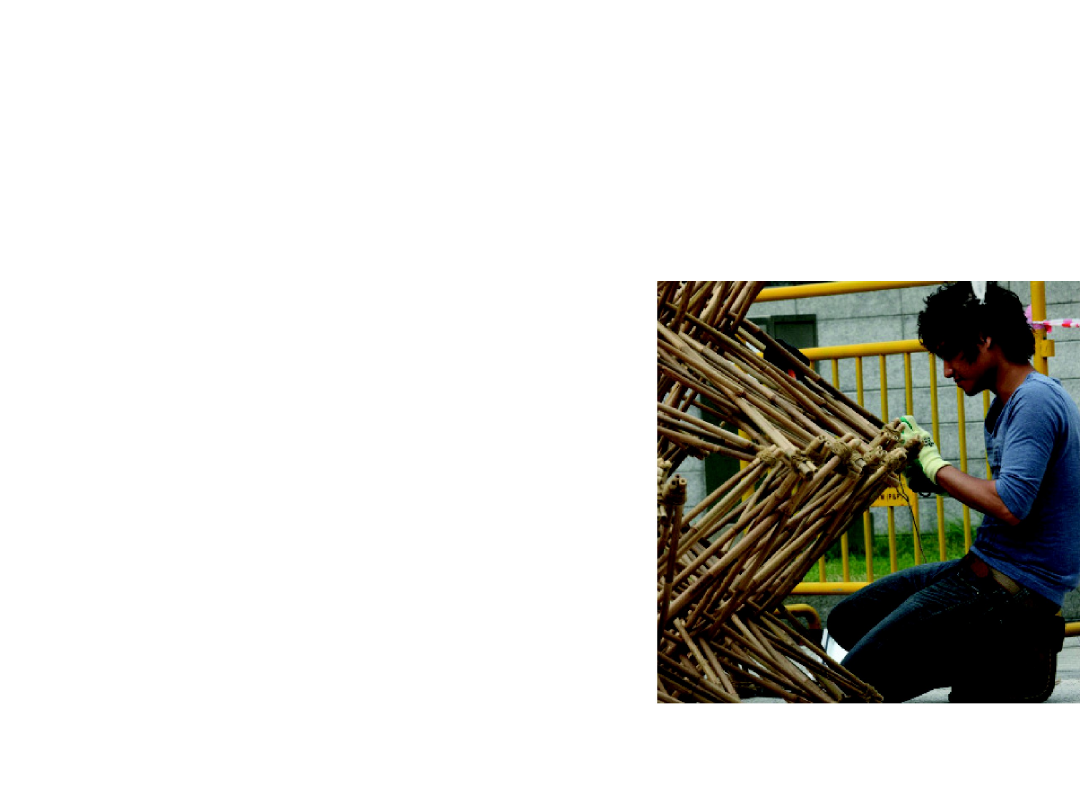
Step 1- Divide the class into groups of
four to five.
Step 2- Each group is required to build
a tower that should be:
• Structurally stable and aesthetically
pleasing
• Height
• Weight-height ratio
•
Resistant to wind
•
Load supporting
| Model Making Workshop – Structure of Tall Building and Tower |
Class Activity
22
Class Activity -
Model Making Workshop - Tower
Tools needed
• Sketching papers and pencil
• Scissors, cutters, tape, glue
• Different weights (10 g/ 50 g/ 100 g/ 500
g/ 1 kg)
• Weight scale
• Measuring tape
• Electric fans
Suggested materials
• Cardboard
• Bamboo sticks
• Recycled cans
• Recycled plastic bottles
• Fishing line
| Model Making Workshop – Structure of Tall Building and Tower |
Class Activity
Document Outline
- PowerPoint Presentation
- CONTENTS
- Slide 3
- Introduction to Tall Buildings
- Slide 5
- Slide 6
- Slide 7
- Loads and Forces on Buildings
- Slide 9
- Slide 10
- Slide 11
- Slide 12
- Typical Structural Systems in Tall Buildings
- Slide 14
- Slide 15
- Slide 16
- Slide 17
- Summary
- Slide 19
- Class Activity: Model Making Workshop- Tower
- Slide 21
- Slide 22
Wyszukiwarka
Podobne podstrony:
The algorithm of solving differential equations in continuous model of tall buildings subjected to c
„SAMB” Computer system of static analysis of shear wall structures in tall buildings
Network Virus Propagation Model Based on Effects of Removing Time and User Vigilance
Playwriting The Structure of Action Revised and Expanded Edition Sam Smiley 2005
Structural Safety in Tall Buildings
SEISMIC ANALYSIS OF THE ‘SOUTH GATE’ TALL BUILDING ACCORDING TO EUROCODE 8
Lesley Jeffries Discovering language The structure of modern English
Analysis of soil fertility and its anomalies using an objective model
Prezentacja2 Structures of literature
1 Structure of employment of different countries
Evolution in Brownian space a model for the origin of the bacterial flagellum N J Mtzke
KM W tall buildings ENG stud (1)
Model Engineers' Workshop Projects
Internal Structure of the?rth
materialy z alkoholi Nomenclature and Structure of Alcohols
Analysis of spatial shear wall structures of variable cross section
więcej podobnych podstron