
PNEUMONIA
( TYPICAL/ATYPICAL)

PNEUMONIA
• Insults
• Tissue response
• Mode of spread
• Classification
• Causative agents
• Clinical features
• Complications
• Differential diagnosis
• Investigations
• Treatment
• Poor prognosis
• References

RISK FACTORS
• Viral>>>Staph.aureus, G-ve bacilli
• Cigarettes/C.O.P.D>>>Impair mucociliary
function & phagocytosis
• Alcohol
• Head trauma
• Anasthaesia
• C.N.S lesions>>>decreased conciousness,dec
gag reflex>>>>>>>>>>ASPIRATION
• Foreign body/ tumours>>>Impair bronchial
drainage>>>Infection

INSULTS
• Dec leucocytes/ dec Ig>>>Recurrent
Pneumonia
• Steroids/Immunosuppression>>>opportuni
stic infections
• Severely ill
Ventillators
I.C.U
N.G tubes
A/B
Surgery>>>Nosocomial infections

TISSUE RESPONSE
. Strep. Pneumoniae/ H. Influenza:
lobar consolidation (NO tissue necrosis)
. Staph. Aureus/ G-ve bacilli:
Necrosis>>>cavitation (abcess), peribonchial
. Atypical: Viruses
Mycoplasma Pneumonia
Chlamydia Pneumonia/ Psittica
Legionella Pneumophila
Coxella Burnetti>>>>>>
Intrestitial, diff, bilateral
. Mycobacterium Tuberculosis/ Fungi:
Slow granulation.

MODE OF SPREAD
• Inhalation
• Aspiration
• Bld. stream

CLASSIFICATION
• Community
• Nosocomial
• Radiological
• Microbiological
• Immunocompromized
• Aspiration
• Recurrent

COMMUNITY AQUIRED
PNEUMONIA
Increase in winter( viruses & close contact)
• Strep.pneumonia 60% (G + C)
• H.influenza 10% (G-CB) >C.O.P.D
• Moraxella Catarrhalis (G-C) >C.O.P.D
• ATYPICAL: Legionella pneumophila(G-B)
Mycoplasma pneumonia
Chlamydophila
Viruses
• Staph. Aureus & G-ve Bacilli>>> less common
Staph (influenza), Klebsiella & G-ve (alcohol)

HOSPITAL ACQUIRED
PNEUMONIA
• Second most common nosocomial
infection
• Very ill>>> Increased mortality
• Polymicrobial: G-B (pseudomonas,
Klebsiella, E.Coli)
Anaerobes
Staph. Aureus
Pneumococci & others also

PNEUMONIA IN
IMMUNOCOMPROMIZED
Opportunistic organisms :
• Bact. : Nocardia/ Legionella
• Mycobacterium :M. Avium/
Intercellularae
• Viruses:CMV/ Herpes zoster
• Fungi: Candida/ Aspergillus
• Protozoa: Pneumocystis
carinii(Jeroveci)/ Toxoplasma gondii

CLINICAL FEATURES
• Symptoms: Fever, chills, cough,
haemoptysis, pleurisy, s.o.b, toxic.
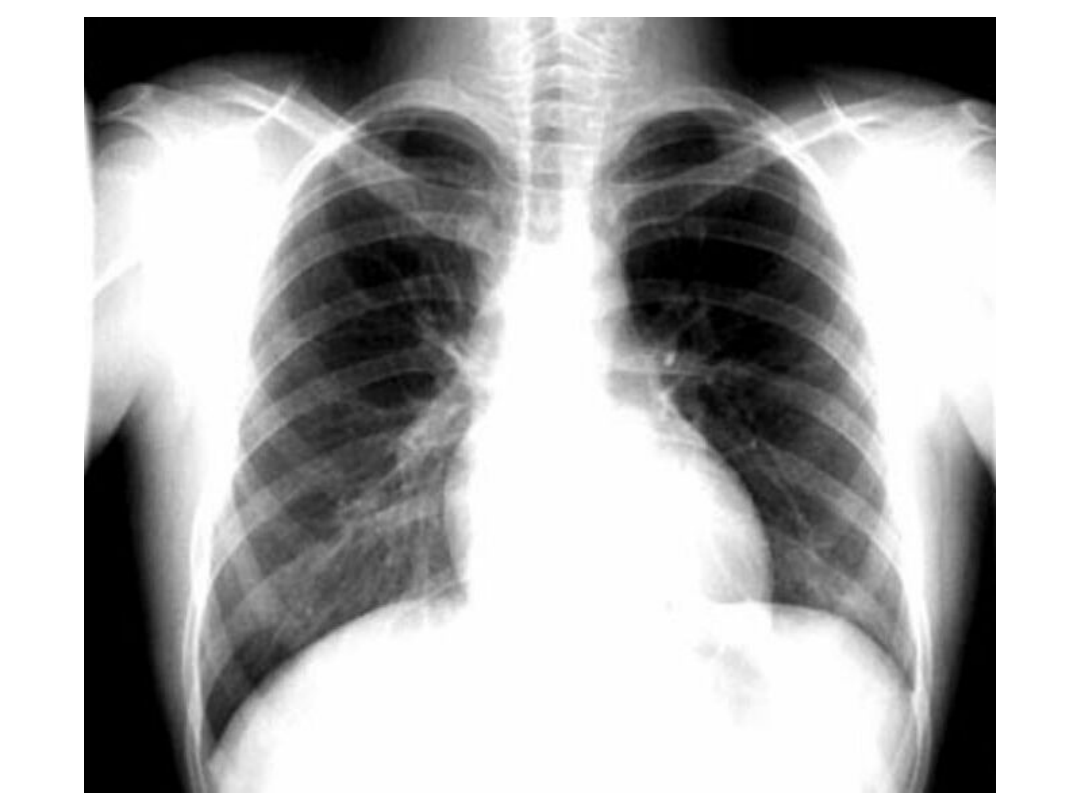
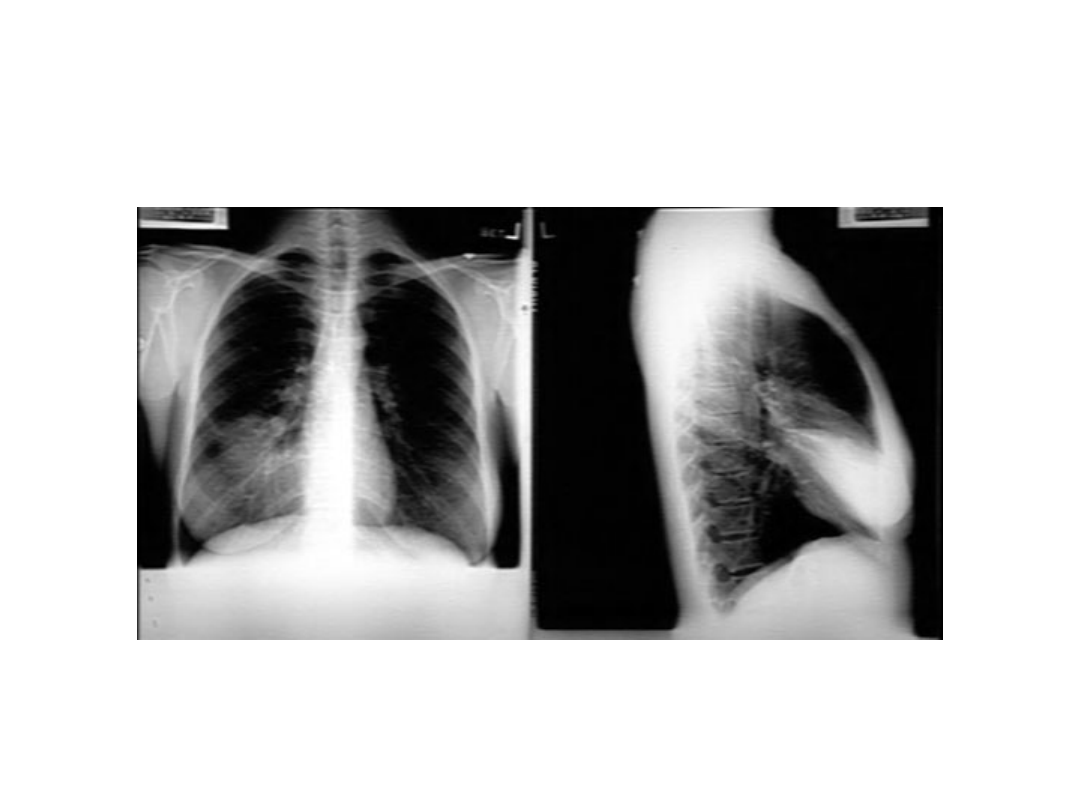
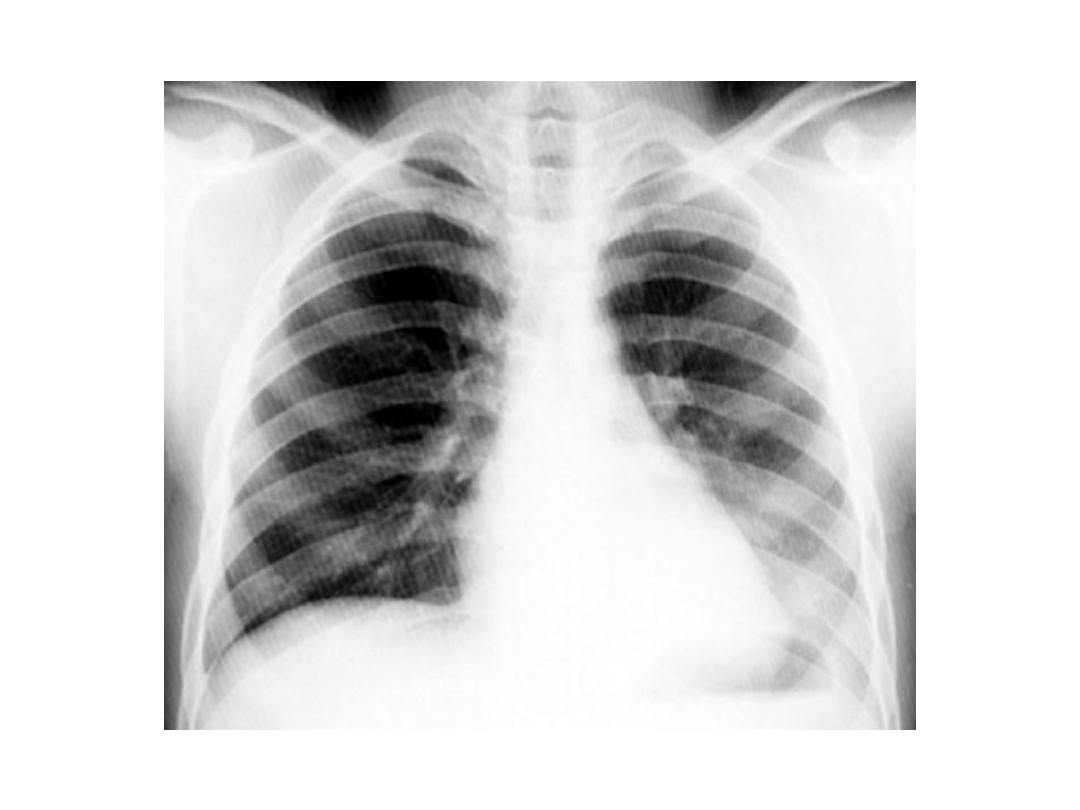
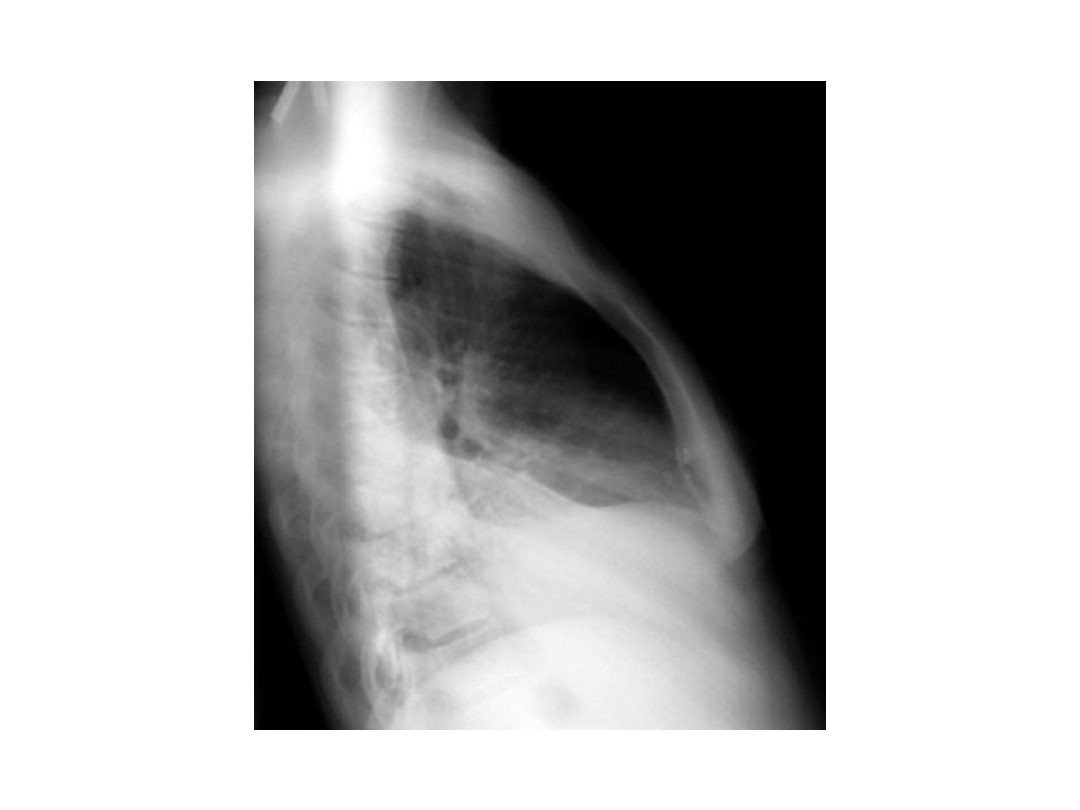
• Examination: Consolidation.
VS. Atypical pneumonia.

COMPLICATIONS
• Hypoxia.
• Cardiopulmonary failure.
• Lung abcess.
• Empyema.
• Spread of infection.
• Lobar collapse
• Thromboembolism
• ARDS, renal failure, multiorgan failure

DIFFERENTIAL DIAGNOSIS
• Pulmonary infarction
• Tuberculosis
• Atelectasis
• Lung tumors
• Bronchiectasis
• Pulmonary oedema
• Hypersensitivity reactions: chemicals/ drugs
• Sarcoidosis
• Vasculitis
• Pulmonary hge

INVESTIGATIONS
• C.B.C: WBC/ differential
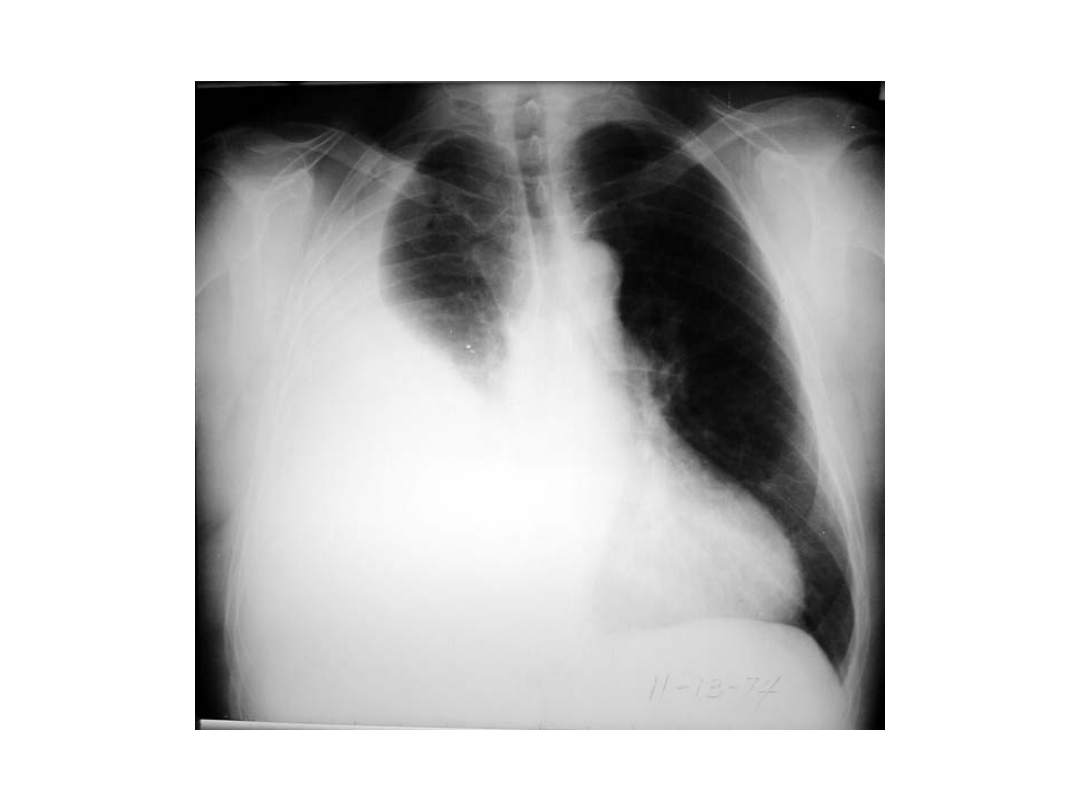
• C.X.R: consolidation/abcess/ effusion
• Sputum
• Pleural tap/ biopsy
• Bronchoscopy/ Lavage/ Biopsy
• ABG
• Bld. Culture
• Cold agglutinins
• Urinalysis

TREATMENT
• Hydration
• Analgesics/ antipyretics
• Oxygen
• Physiotherapy
• Antibiotics (clinical setting & CXR):
1- Community acquired ( bact.):
Penicillins- Amoxicillin- Clavulanic acid
2
nd
generation Cephalosporins
Trimethoprim- Sulphamethoxazole
Macrolides
Fluoroquinolones (Ciprofloxacin)

TREATMENT (cont’d)
• Antibiotics (cont’d):
2- Atypical : Erythromycin
3- G-ve : 3
rd
generation Cephalosporins +
Gentamycin, Pipracillin- tazobactam,
meropenum, imipenum- cilastatin.
4- Staph. Aureus : Augmentin/ cefuroxime/
Flucloxacillin, Vancomycin
5- Aspiration : Penicillin/ Clindamycin

RISK FACTORS FOR
MORTALITY
• Age >65 y.
• Presence of coexisting dis. : DM, COPD,
CRF, CCF, CLD, aspiration, altered mental
status, post splenectomy, alcohol.
• Physical : BP <90/60, temp. >38.3,
Extrapulm. Infection
• Lab findings : Leucocytes<4,000/
>30,000, PaO2<60 / PaCO2 >50, mech.
Vevt., Creatinine>1.2, Multilobar, spread,
Sepsis.

REFERENCES
• Davidson’s principles & practice of
medicine
• Scientific American Medicine
• UptoDate 2009
Document Outline
- Slide 1
- Slide 2
- Slide 3
- Slide 4
- Slide 5
- Slide 6
- Slide 7
- Slide 8
- Slide 9
- Slide 10
- Slide 11
- Slide 12
- Slide 13
- Slide 14
- Slide 15
- Slide 16
- Slide 17
- Slide 18
- Slide 19
- Slide 20
- Slide 21
- Slide 22
- Slide 23
Wyszukiwarka
Podobne podstrony:
Wykład pneumokoki
COMPS Choroby wywoływane przez Streptococcus pneumoniae, mnemotechniki medyczne
CZYNNIKI WIRULENCJI STREPTOCOCCUS PNEUMONIAE , POSTACIE KLINICZNE WYWOŁYWANE PRZEZ STREPTOCOCCUS PNE
5 Streptococcus pneumoniae ppt
PNEUMOKOKI
Pneumocystis carinii 3
Hydraulika i Pneumatyka, Pneumonika, 1
Pneumocystoza
Infekcja Pneumocystis?rinii to wszechobecny oportunistyczny pasożyt o niejasnym stanowisku systematy
bts update pneumonia u dzieci
STREPTOCOCCUS PNEUMONIA, Ratownicto Medyczne, MIKROBIOLOGIA
WYBRANE POJĘCIA Z PNEUMONOLOGII
Politechnika Warszawska 02 Nierównomierność prędkości ruchów napędów pneumatycznych i pneumohydrau
The Differences and Similarities of Pneumonia and Tuberculosi
STOP PNEUMOKOKOM - skutki szczepien, Czy teorie spiskowe
więcej podobnych podstron