Lung health and fruit/vegetable
consumption
Dariusz Nowak
Department of Clinical
Physiology, Medical
Uniwersity of Lodz
Mazowiecka 6/8 Poland
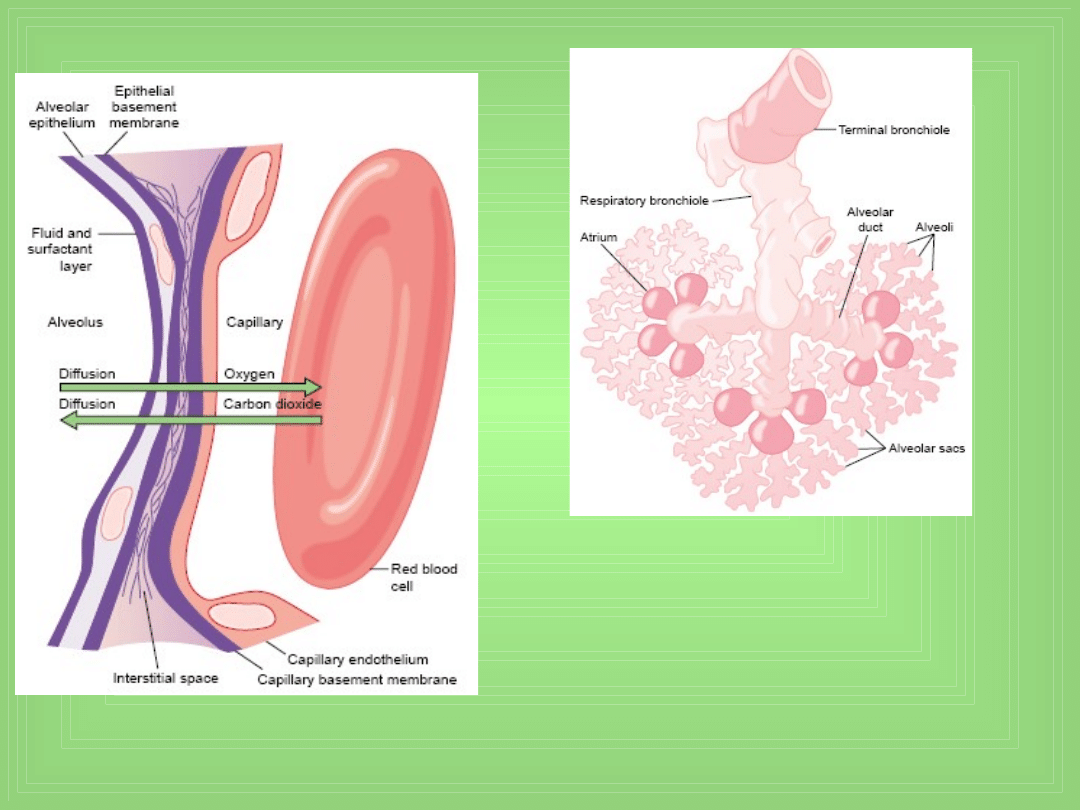
Respiratory unit (respiratory
lobule) = respiratory bronchiole,
alveolar ducts, atria, alveoli
( diameter ~ 0.2 mm, 300 x 10
6
in two lungs) Respiratory
membrane- 0.6 µm, Diffusion
area ~ 70 m
2
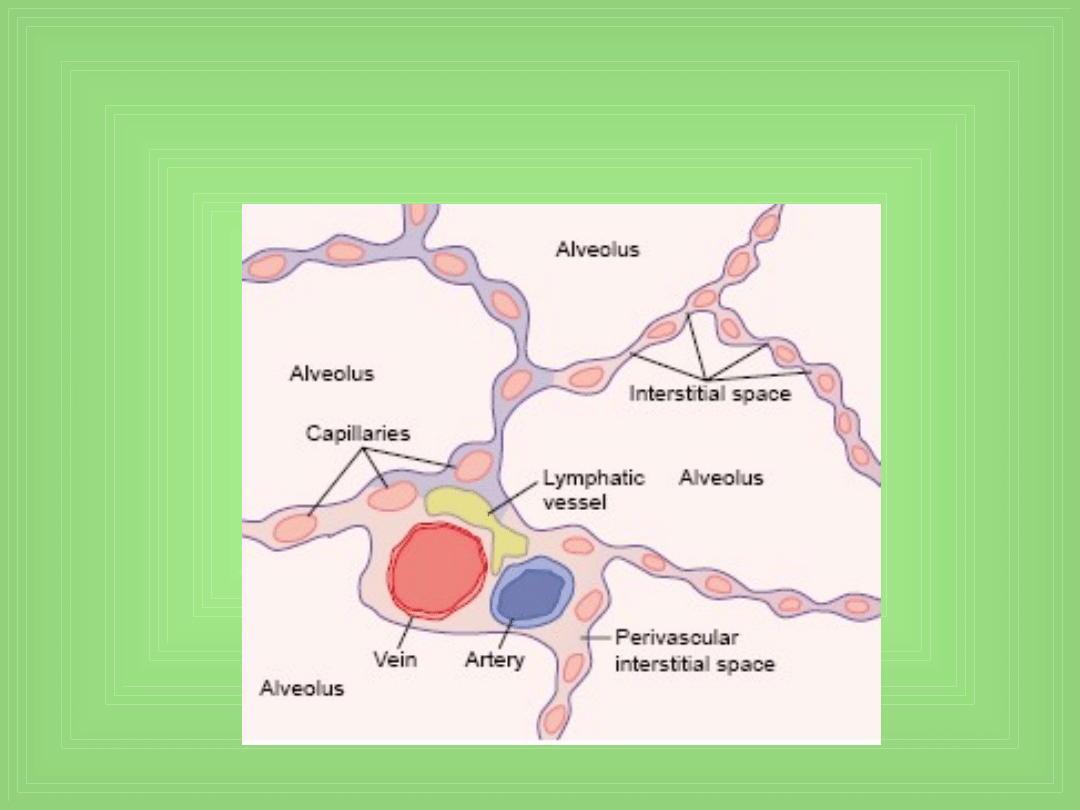
Cross-sectional view of alveolar walls and
their vascular supply.

• Lungs are exposed to
high concentration of oxygen (13.6% in
alveolar air)
air pollutions (e.g. ozone, NO
x
,SO
2
),
cigarette smoke
Pulmonary cells are able to produce
reactive oxygen species:
mitochondrial respiratory chain (leakage
of 2-4% of reduced oxygen as superoxide
radical, then it is converted to H
2
O
2
)
pulmonary phagocytes (alveolar
macrophages, neutrophils)
epithelial and endothelial cells

Antioxidants are the first line of
defense against ROS
Enzymatic (SOD, catalase, GSH-Px)
Non-enzymatic, food-derived
Antioxidant vitamins: C and E,
β-carotene, lycopene,other carotenoids
Ubiquinone, selenium
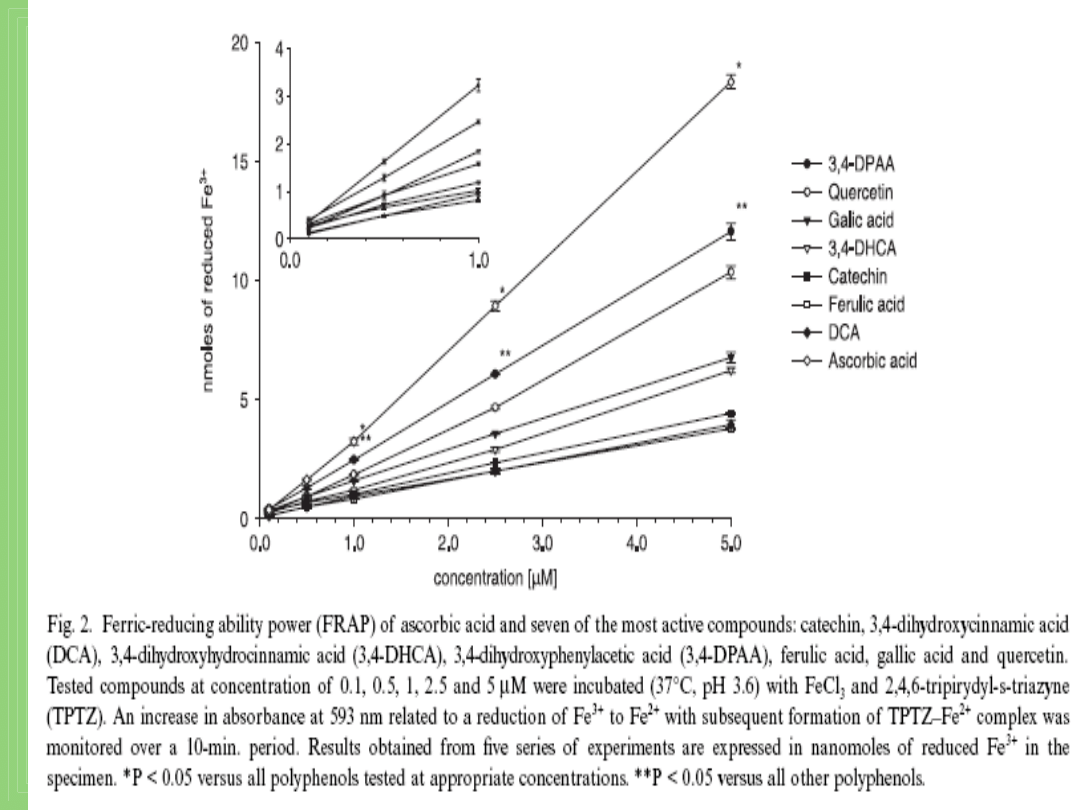
Flavonoids (e.g.
quercetin,hesperidin,kaempherol),
polyphenols (phloretin, chlorogenic acid,
catechin)

• Oxidative stress occurs in variety of
lung disorders:
• Bronchial asthma
• Emphysema
• Chronic obstructive pulmonary disease (COPD)
• Cystic fibrosis
• Pneumonia
• Idiopathic pulmonary fibrosis
• Adult respiratory distress syndrome
• Tuberculosis
• Lung cancer
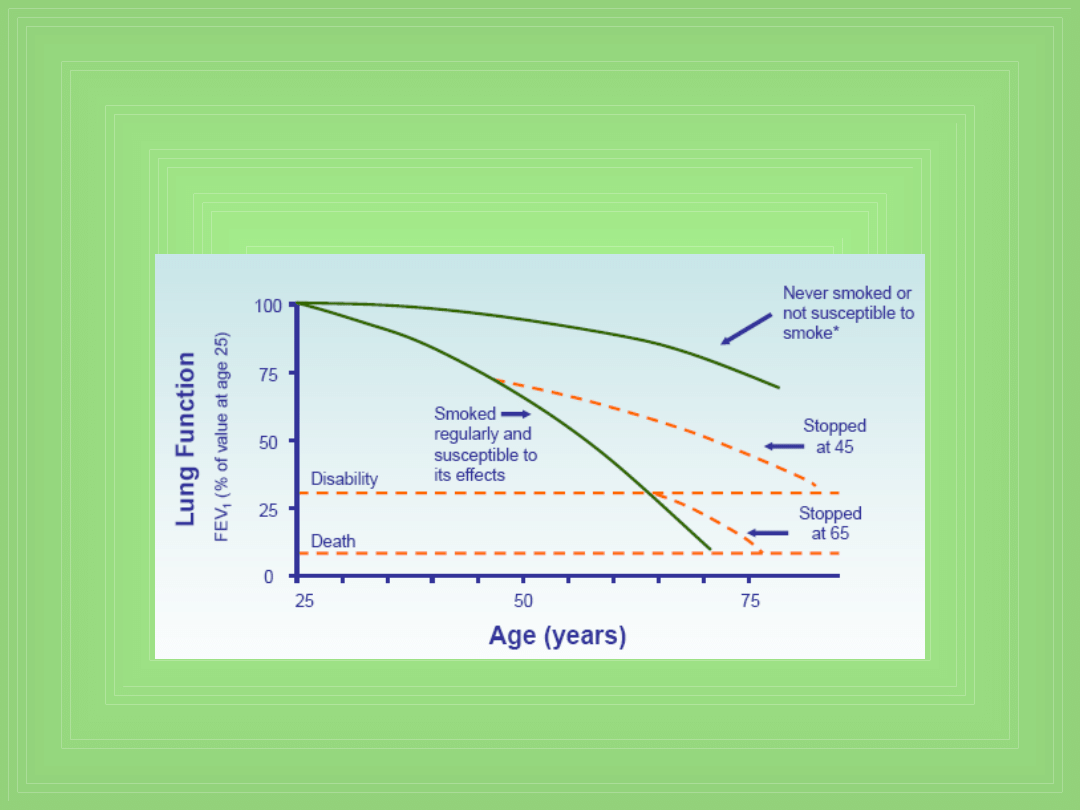
Lung function decline with age
(FEV
1
- forced expiratory volume in the first second)
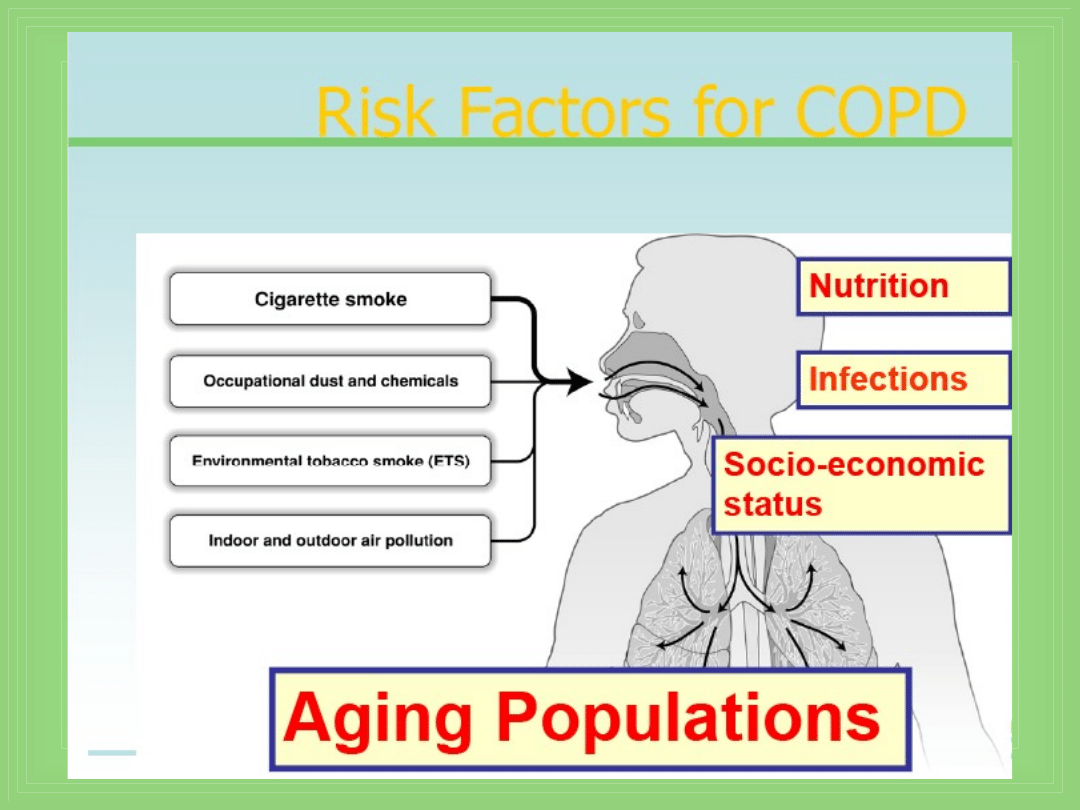

COPD and fruits/vegetables
consumption
• High fruit intake is inversely related to the COPD
risk (3 cross-sectional studies)
• Non-citrus fruits (apples, pears, grapes)
consumption is associated with reduced cough with
phlegm – cross-sectional study involved 49 140
men in Singapore
• Solid fruits (apples, pears) inversely associated with
prevalence of COPD symptoms (chronic cough,
breathlessness)- 13 651 adults in Netherlands
(aged 20-59 years). Fruits consumption> 180 g/day
lowered the prevalence of respiratory symptoms.
• Increased vegetable consumption associated with
reduced COPD risk (3 cross-sectional studies) . Two
large studies – no effect on respiratory symptoms

Soy consumption and COPD risk
•
Cross-sectional study: 278 patients with COPD (244 men)
aged 50-70 years and 340 controls (272 men)
•
Spirometry – lung function, demographic data, habitual
food consumption – structural questionnaire
•
Results : a) - significant reduction of COPD risk for highest
daily intake of total soybean products and:
•
b) – respiratory symptoms (breathlessness) were inversely
associated with high consumption of soy foods
•
Beneficial effect of isoflavones on lungs
•
Limitation of the study – low patient number - preliminary
results that should be confirmed in further studies
.

Lung function and fruits/vegetables
consumption
• Cross-sectional analysis:
• Individuals with high intake of
Vitamin C, A and E have higher lung
function (15 studies)
• Higher magnesium intake associated
with higher lung function and
reduced risk of asthma (4 studies)

Limitations of cross-sectional
studies:
• Numerous unrecognized confounding factors
may affect the results
• It is unclear whether obtained associations
represent causal effect on lung function
• Therefore longitudinal ( and intervention) studies
are necessary

• Phase I , 2512 subjects (aged 45-59 years) UK ,1979,
interventions: FEV1, demographic data, smoking, dietary data
by semi-quantitative food frequency questionnaire. Cross-
sectional analysis
•
↓
longitudinal analysis
• Phase II 1983 year 1827 subjects (in both phases)
• Cross-sectional results: Subjects consuming 5 or more apples
per week had FEV1 by 138 ml higher than non-consumers (for
vitamin E difference – 39 ml)
• Longitudinal analysis: Average apple consumption was
significantly associated with change in lung function over 4
year period. Consumers of ≥ 5 apples per week had lower FEV1
decline by 74.1 ml.
• Adjustment for confounders: by 47.7 ml and lost significance
(p= 0.098).
• No association with vitamins.
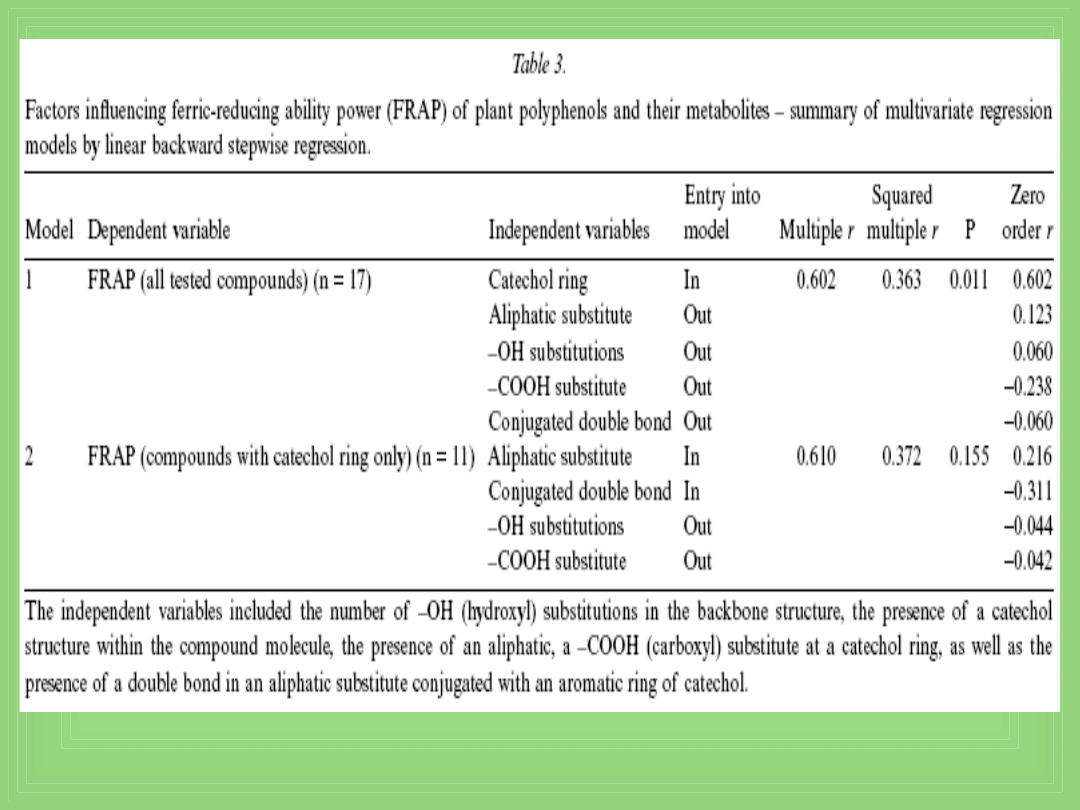
• Possible effect of flavonoids (Quercetin)
Butland BK et al. Thorax 2000,55,102-108

• Phase I , 2633 adults (aged 18-70 years) UK 1991
year, interventions: FEV1, respiratory symptoms,
demographic data, smoking, dietary intake semi-
quantitative food frequency questionnaire (Vit. C,A,E,
magnesium,) skin reactivity to common inhaled
allergens. Cross-sectional analysis
•
↓
(nine years) longitudinal analysis
• Phase II 2000 year, 1346 subjects, cross-sectional
• Cross-sectional results (1991 and 2000) higher intake
of Vit C and magnesium was associated with higher
FEV1 values.
• Longitudinal analysis: decline in FEV1 between 1991
and 2000 was lower in persons with higher vit. C
intake by 50.8 ml per 100 g vit C per day (no relation
with vit. A and E and magnesium)
• Diet rich in the foods that provide vit. C is likely to be
beneficial for lungs
• Mc Keever TM et al.. Am.J.Respir.Crit Care Med. 2002,165,1299-1303

Lung cancer and fruits/vegetables
consumption
• Epidemiological studies (prospective and
retrospective) : high consumption of fruits or
vegetables (or both) reduces the risk of lung cancer
by ~ 25%
• Flavonoids ? , β-carotene ?
• Prospective study , 29 133 heavy smoking men, aged
50-69 years (Finland); intervention – 50 mg α-
tocopherol or 20 mg β-carotene , both, or placebo
• After 5-8 years of supplementation with carotene
alone or with combination with tocopherol :
significant 18% increase in lung cancer and 8%
increase in overall mortality

Lung cancer and fruits/vegetables
consumption
• Another prospective study with β-carotene: 18 341
heavy smokers or asbestos workers (USA) ,
randomization : 30 mg β-carotene daily and 25 000 IU
retinyl palmitate (Vit A) for 4 years
• Results: supplementation group : 28% more lung
cancer and 17% more deaths than group
without supplementation
• Explanation: high doses of β-carotene can down
regulate tumor suppressor genes or up-regulate cell
proliferation genes especially in cigarette smokers
• Other studies: Dietary intake of β-carotene
reduces risk of lung cancer !!! – Other factors can
protect : fibers ?, polyphenols ?, ….?
•

Lung cancer and fruits/vegetables
consumption
• Aberrant promoter methylation of tumor suppressor genes
[(e.g. p16 (CDKN2A), O6-methylguanine-DNA
methyltransferase (MGMT), ras effector homologue 1] is
higher in patients with lung cancer – screening approach
(sputum samples) for early cancer detection (?)
• 1101 cigarette smokers , food questionnaire, sputum
analysis for promoter gene methylation
• Results – consumption of leafy green vegetables (and
usage of multivitamin) protected against methylation
•
Stidley CA et al. Cancer Res 2010,70,568

Apples consumption and lung cancer
risk
• Apples- significant source of flavonoids (phenolics)
in people’s diet in Europe and USA
• Nurses’ Health Study and Health Professionals’
Follow-up Study (72 000 women and 47 000 men) –
fruit and vegetable intake was associated with 21%
reduced risk in lung cancer in women (this was not
seen in men !)
• Apples as a one of individual fruits associated with
decreased risk of lung cancer – one apple per day
was protective
• Other 2 studies also revealed protective effect of
flavonoids intake against lung cancer

Apples and lung health
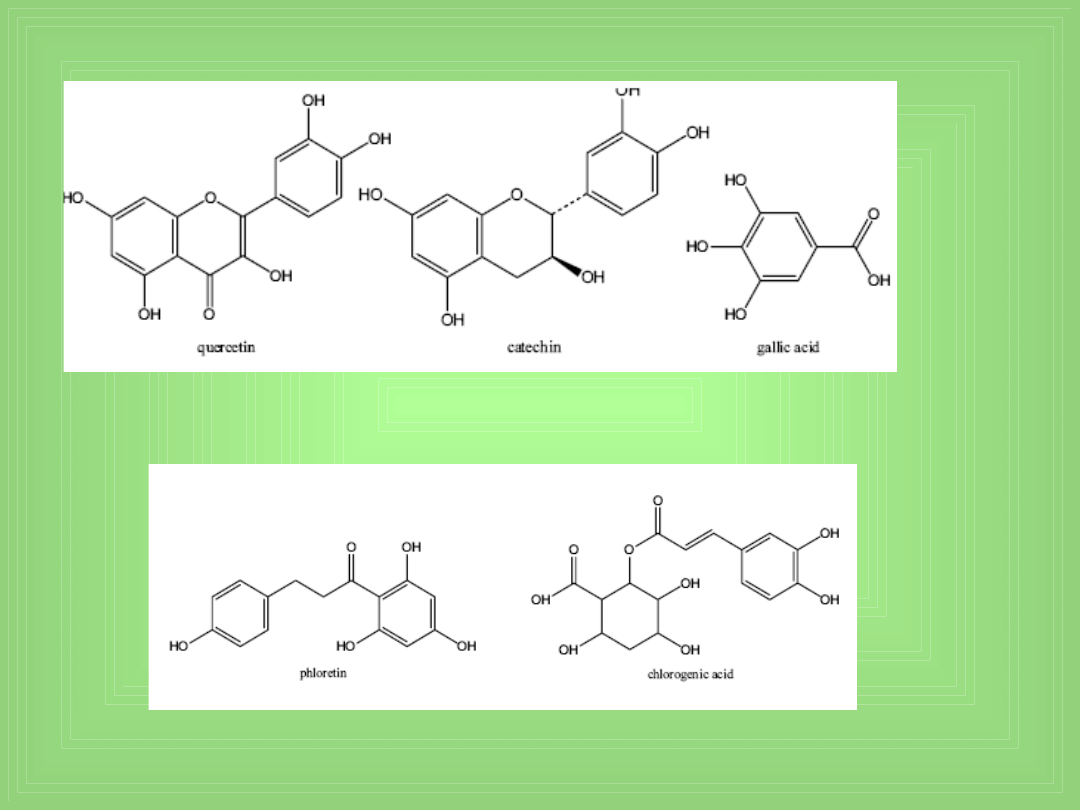
• Apples contain: quercetin-3-
galactoside, quercetin-3-
glucoside,quercetin-3-rhamnoside,
catechin, epicatechin, procyanidin,
cyanidin-3-galactoside, coumaric
acid, chlorogenic acid, gallic acid,
and phloridzin

Further longitudinal, with
randomized intervention studies are
necessary to establish the impact of
fruit/vegetables intake on the
incidence and evolution of lung
diseases
Document Outline
- Slide 1
- Slide 2
- Slide 3
- Slide 4
- Slide 5
- Slide 6
- Slide 7
- Slide 8
- Slide 9
- Slide 10
- Slide 11
- Slide 12
- Slide 13
- Slide 14
- Slide 15
- Slide 16
- Slide 17
- Slide 18
- Slide 19
- Slide 20
- Slide 21
- Slide 22
- Slide 23
Wyszukiwarka
Podobne podstrony:
Najskuteczniejsza dieta, zdrowie
Dieta, ZDROWIE-Medycyna naturalna, Poczta Zdrowie
Cukier, Alkohol, Papierosy, Nadwaga, Sepsa, Rak, a Dieta i Zdrowie 2
Zdrowe Odzywianie (Dieta, Zdrowie, Gotowanie, Kuchnia)
10 przykazan, Zdrowie,dieta i uroda (mieszanka)
Cukrzyc1, Zdrowie,dieta i uroda (mieszanka)
Dieta białkowa, Zdrowie i diety, Diety
Dieta proteinowa dr.dukana, Zdrowie
Dieta 1200 kcal (dla oszczędnych), Odchudzanie i Zdrowie
Dobra dieta wg chińskiej zasady Pięciu Elementów [przepisy], Zdrowie
Jak chcesz żyć to radzę przeczytać poniższy tekst, Zdrowie, Dieta
Zdrowe PRZEKĄSKI, Dieta Dukana, DIETY - ZDROWIE
Dieta sokowo-Warzywna Tombaka, Zdrowie,zioła,wegetarianizm,zdrowe odżywianie,oczyszczanie organizmu(
Sposoby na rozszerzone pory, Dieta Dukana, DIETY - ZDROWIE
5 NAGRÓD MOTYWUJĄCYCH DO ĆWICZEŃ, Dieta Dukana, DIETY - ZDROWIE
dieta da grupy krwi O, ZDROWIE
Dieta niskokaloryczna, uroda, zdrowie,gimnastyka, diety
Dieta optymalna, Zdrowie i diety, Diety
Dieta Dukana - ZASADY W SKROCIE, Zdrowie i diety, Diety
więcej podobnych podstron