
Guidance to the International Medical Guides for Ships 3rd edition:
Interim advice on the best use of the medical chest
for ocean-going merchant vessels without a doctor onboard
Joint Statement of WHO Collaborating Centres for the Health of Seafarers and
the International Maritime Health Association
__________________________________________________________________________________________
Background
Diagnosis and treatment of sick and injured onboard is a challenge to seafaring. This has always been
true despite recent developments in telemedicine. Where no doctor is on board -as it is the case in
most merchant ships- a non-medical person holds the responsibility for medical care. He has to rely
on his medical training, written information, and – if appropriate- shore based radiomedical or
telemedical advise. This information will help him to make best use of the medical chest and
equipment on board. Appropriateness of the information available, adequacy, uniformity and quality of
the medical chest and equipment is a key to the safeguard of the seafarer’s health at his work-place.
The WHO International Medical Guide for Ships (IMGS) was first published in 1967. The IMGS has
widely been used in the maritime world. The second edition
1
, written in 1988 was recently replaced by
the third edition
2
in 2007. Immediately after the publication of the current IMGS a discussion on the
best use of the tool and on further needs developed among experts from the WHO Collaborating
Centres
3
for the Health of Seafarers and the International Maritime Health Association
4
.
During a workshop of the INTERNATIONAL MARITIME HEALTH ASSOCIATION (IMHA) in Athens,
Greece, November 14
th
-15
th
2008 the concerns were summarized as follows: “Flag states that do not
have national requirements for the contents of the medical chest have in the past relied on a list that
has been provided by WHO in the International Medical Guide for Ships (2
nd
Edition, 1988). This list
provided information on the quantities to be carried on board. It is not a formal international instrument
but the Guide is noted as a source of information in the non-statutory part of the relevant ILO
Convention. Port State Control Inspectors use the IMGS list as the minimum requirement for medical
supplies The medication list is now very out of date and when WHO recently published a new edition
of the Guide it included updated lists of recommended medications that were derived from the WHO
Essential Medications List and of medical equipment taken from The Inter-agency Emergency Health
Kit 2006. While this was a rational approach for the WHO to adopt to ensure that well validated
treatments were available it did not take into account the need for remedies for minor ailments at sea
– the sort that can impair ability to work without being dangerous, nor did it cover all the medical
equipment that was needed in maritime situations. More significantly WHO did not consider that they
could specify quantities of medications to be carried as there was a lack of information on use and
effectiveness of medications at sea. In the absence of such data WHO considered that quantities
should be related to voyage pattern and to political / managerial decisions rather than being stated by
1
International Medical Guide for Ships (2
nd
Edition). World Health Organization, Geneva.1988.
2
International Medical Guide for Ships (3
rd
Edition). World Health Organization, Geneva. 2007.
3
http://www.who.int/collaboratingcentres/
The WHO collaborating centres are institutions such as
research institutes, parts of universities or academies, which are designated by the Director-General
of the World Health Organization to carry out activities in support of the Organization's programmes.
4
IMHA is the sole international association concerned exclusively with
Maritime Health. It is an association of professionals from a wide range of disciplines who are
committed to improving the health of seafarers by developing better approaches to health protection,
health promotion and health treatment.

WHO. This lack of specification is not causing immediate problems where the flag state of the ship
has its own national regulations or guidelines but it has led to great difficulties for maritime
pharmacists called on to check and restock medical chests on ships from countries, including many of
those with major open ship registries, that have no national lists. Pharmacists cannot continue to work
to the outdated list and quantities in the old International Medical Guide, while they have no
benchmarks for quantities required from the new one, nor the authority to make consistent decisions
on the quantities to supply”.
WHO Collaborating Centres for the Health of Seafarers and IMHA agreed that there are a number of
topics where improvements are needed. The aim is to produce a knowledge-base to specifying the
contents of medical chests and the medical textbook. While this is a long-term approach requiring
research efforts it was also agreed upon the need to produce an interim guidance on the medical
chest to the current users of the IMGS even in the absence of further evidence. Symptom-oriented
algorithms for diagnosis and treatment as a supplement to the current IMGS 3
rd
edition will follow
soon.
In this paper the authors, who are experts from the International Medical Health Association and the
WHO Collaborating Centres for the Health of Seafarers publish recommendations to the medical chest
as given in the IMGS 3
rd
edition. This is an interim advice to be available to ship-owners, -masters and
maritime authorities and pharmacists for use on merchant ships not carrying a medical doctor of those
flags that do not follow the EU Directive 92/29
5
and do not have national requirements. The readers
and users of the interim advice need to be aware that the expert group does not judge on the content
of the current list as published by the World Health Organization in the 3
rd
edition of the IMGS.
The aim of the Interim Advice as given below is
-
to provide an aid for decision making for quantities required for seagoing and coastal vessels
-
to add items named in the textbook of the IMGS 3
rd
edition but missing in the list of medicines
or equipment
-
to add page numbers from the medical textbook to the list of medicines for easier use.
The Interim Advice as given below is not
-
mandatory for ship-owners, suppliers or port health authorities. It is to the flag states
responsibility to specify national requirements in a legally binding way
-
meant to substitute a qualified medical consulting. Owners and operators carry the final
responsibility for the content of the medical chests on board of the ship. Owners and operators
will need to seek qualified medical consulting for the content and quantities carried on board.
The particularities of the voyage will need to be considered by the consultant, like travel to
malaria risk areas.
The authors of the Interim Advice are solely responsible for the content of all additions made to The
List of Recommended Medicines and Equipment of the International Medical Guide for Ships 3
rd
edition, pages 430-46. We appreciate the comments of the maritime community to this publication
which will be continuously revised. All comments and suggestions need to be directed to the
5
Council Directive 92/29/ eec of 31 March 1992 on the minimum safety and health requirements for
improved medical treatment on board vessels.

How to use the proposed list of recommended
medicines and equipment of the
International Medical Guide for Ships 3
rd
edition, pages 430-461
-
The interim advice is only to be used in conjunction with the International Medical Guide
for Ships 3
rd
edition
2
as published by WHO in 2007.
-
All items suggested from WHO in the original list on pages 430 to 461 are included.
-
Any additions to the original list (items and comments) are made visible by the use of
italic letters. Reference pages from the medical textbook to the list of items which justify
the additions are given.
-
Running numbers have been given to the list of medicines and equipment including
added items.
-
Drugs, forms, books and equipment which are mentioned in the textbook but have not
been displayed in the list of medicines are added to the list in alphabetical order.
-
Reference pages to the medical textbook are given for all items to ease the use of the
list.
-
If an item may be omitted under special circumstances this is mentioned in italic letters in
the last column.
-
Suggestions for quantities have been included. Quantities are calculated on the basis of
the following assumptions: Ocean-going merchant vessels without a doctor onboard.
Maximum duration of travel of 3 weeks. Crew sizes of 10, 20, 30 or 40 persons.
-
For merchant vessels without a doctor onboard engaged in coastal trade or going to
nearby foreign ports, and not more than 24 hours away from a port of call, for fishing
boats and private craft: Quantities may be adapted or omitted on the advice of a qualified
medical practitioner or pharmacist with regards to the destination, medical facilities
ashore, number of crew members and cargo.
-
For dosage, contra-indications, unwanted effects, radiomedical advice and further
remarks the users needs to refer to original text of the IMGS 3
rd
edition.
-
Recommended quantities will not always reflect the standard packs in a given country. In
this case the recommendation is for the nearest available dispensing sales pack above
the minimum required quantity.
-
Owners and operators may substitute exact equivalents on the advice of a qualified
medical practitioner or pharmacist, provided they are satisfied that an equivalent level of
treatment is assured.
-
Specific items will not be available in certain countries, for example Chlorpyrifos was
banned in the European Communion (Directive 98/8 eec of March 16
th
1998). The
pharmacist will have to supply an analogous drug in corresponding quantities. The same
is true for items which have transport restrictions and can not be delivered locally.
-
For ships carrying dangerous goods according to the IMDG Code
6
: Medicines and
equipment already available in the IMGS list may be counted toward the Medical First Aid
Guide (MFAG) numerical requirement, if appropriate.
______________________________________________________________________________
6
Medical First Aid Guide (MfAG) for use in accidents involving dangerous goods. International
Maritime Organization, London, 2004.
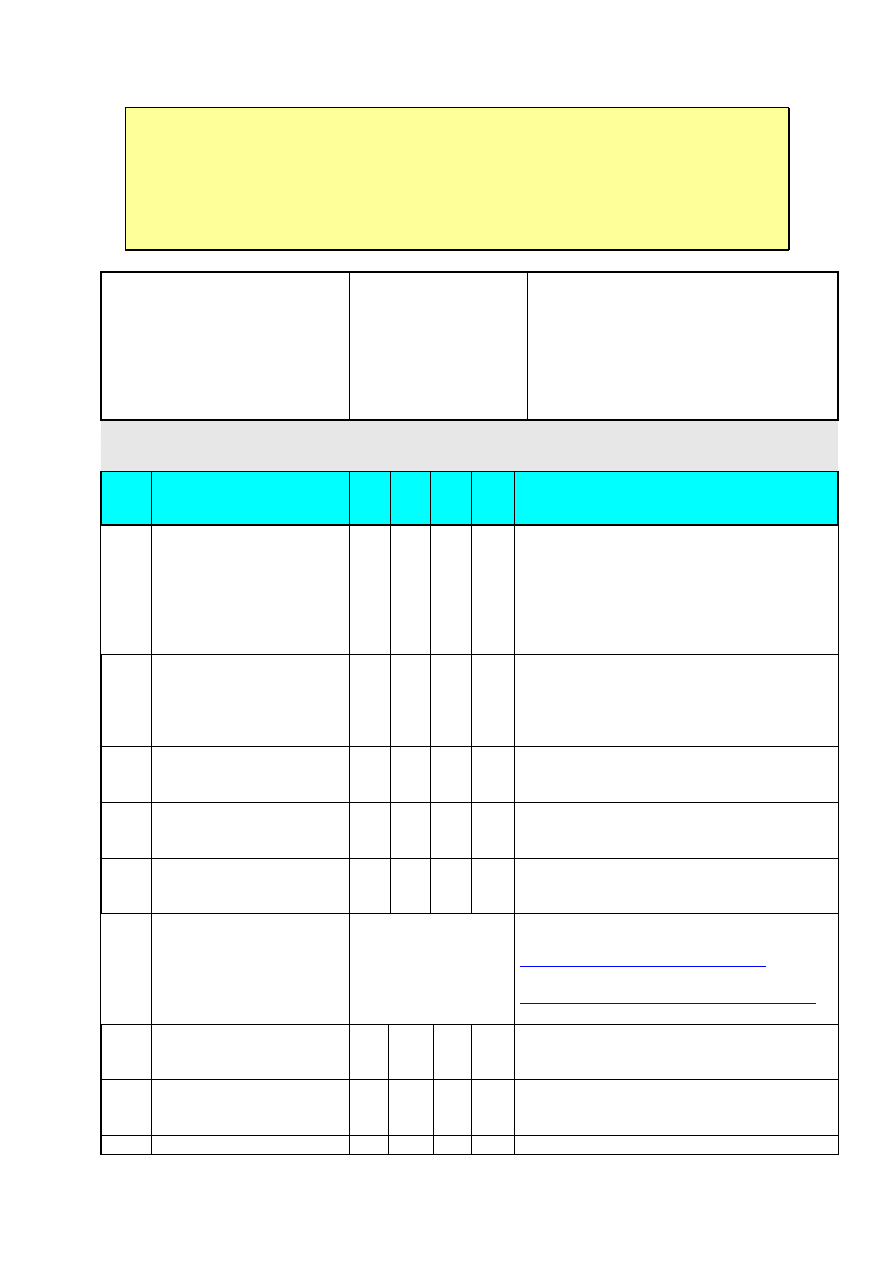
Ocean-going merchant vessels without a doctor onboard.
Maximum duration of travel of 3 weeks.
Crew sizes of 10, 20, 30 or 40 persons.
Only to be used in conjunction with the International Medical Guide for
Ships 3
rd
edition
Running numbers are given to the
alphabetical list of medicines and
equipment. Items which have been
added by authors appear in
alphabetical order and are written in
italic letters.
Quantities for the
recommended minimum
number of items for ocean-
going vessels are based
on an estimated 3 weeks
inventory for a crew
complement of 10 to 40
persons.
Comments in italic letters refer to added items
which are mentioned in the textbook but have
not been displayed in the list of medicines.
Remarks on items which may be omitted under
special circumstance are given.
For dosage,
contra-indications, doctor consulting, unwanted
effects and remarks refer to IMGS 3 rd ed. p.
430-461 and textbook
MEDICINES, p. 431 – 450
Item
No.
Recommended Item
Dosage form, Strength
per
10
per
20
per
30
per
40
Indications (on board ships)
Added comments
1
Acetylsalicylic acid
300mg tablet
100 200 300 400 - high dose (600-900mg): to reduce pain,
fever, inflammation
- low dose (100-150mg) to inhibit formation of
blood clots in angina pectoris, myocardial
infarction, stroke
See pages 17-25 and 113-116, 133-135, 137,
138
2
Aciclovir 400mg tbl.
35
35
70
70
- treatment of primary or recurrent herpes simplex
virus infection;
- may be useful for severe varicella and herpes
zoster infection (doctor should be consulted)
See pages 125-126, 198-199, 256
3
Adrenaline 1:1000
ampoule 1ml = 1 mg
10
10
10
10
- to raise blood pressure in anaphylaxis
- to dilate airways in severe asthma or anaphylaxis
See pages 145-147
4
Amethocaine (tetracaine
hydrochloride) 0.5% eye
drops, single-use vial 1ml
20
20
20
20
for eye examination and procedures
See pages 33-34
5
Amoxicillin + clavulanate
tablets 875mg/125mg
15
30
30
45
- to treat infections responsive to this antibiotic
See pages 7-776, 140-144, 181-183, 204, 216-217,
221-223, 262 and 288
6
Antimalarial prophylaxis
(prevention) tablets
Quantity dependent of
crew number, risk of
acquiring malaria in a
given port and duration
of dwell in risk area.
Seek medical advice
Prophylaxis and treatment of Malaria as
recommended by
www.who.int/malaria/publications.html
or
www.cdc.gov/travel/regionalmalaria/index.html
See pages 265-269
7
Artemether
Ampoule 1 ml = (80mg)
5
5
5
5
Treatment of severe malaria. See pages 265-269
required only for voyages to areas where malaria
transmission is a risk
8
Artemether + Lumefantrine
tablets 20mg + 120mg
24
24
48
48
Treatment of malaria. See pages 265-269
required only for voyages to areas where malaria
transmission is a risk
9
Atropine
10
10
10
10
- to treat slow heart rate in myocardial infarction

ampoule 1.2 mg/ml
- to treat organophosphate insecticide poisoning
See pages 96, 136
10
Azithromycin
tablet 500mg
3
3
6
6
-
to treat infections responsive to this
antibiotics
See pages 141-144, 195-207, 260, 274, 277, 281
11
Ceftriaxone
ampoule 1g powder for
injection (dissolve in water for
injection)
15
30
45
60
- to treat infections responsive to this antibiotic
See pages 16, 141-144, 153, 160-161, 172, 175,
187, 194, 195-207, 269-270
12
Cetirizine
tablet 10mg
30
30
30
30
- to treat allergy symptoms in hay fever, hives,
allergic dermatitis, etc. See page 145
13
Charcoal, activated
50g in 300 ml purified water
2
2
2
2
to absorb ingested poisons. See pages 93-96
14
Ciprofloxacin
tablet 250mg
40
40
40
40
- to treat infections responsive to this antibiotic
See pages 77, 156-157, 181-183, 195-207, 221-223,
262 and 277
15
Cloves, oil of
10 ml
1
1
1
1
Toothache, see pages 287-289
16
Dexamethasone
ampoule 4mg/ml
5
5
5
5
- to treat life-threatening and severe asthma
- to treat anaphylaxis
- to treat severe allergic reactions
17
Diazepam
tablets 5mg
50
50
100 100 to treat alcohol withdrawal. See pages 235-239.
18
Docusate with Senna
tablet 50mg +8mg
20
20
40
40
- to avoid straining in patients with anal fissure and
haemorrhoids
- to prevent constipation caused by opioid use
See pages 168-169
19
Doxycycline
tablet 100mg
20
20
40
40
as recommended in IMGS3 for the specific
infection
See pages 195-207, 209-210, 221-223, 271-272.
20
Ethanol 70%, hand cleanser
gel 250ml
2
4
6
8
an alternative to hand-washing when hands are
not obviously soiled
21
Ethanol 70%, liquid
Liquid 500 ml
1
1
2
2
to disinfect instruments and surfaces
22
Fluorescein 1%, strips
or single use vials 1 ml
20
20
20
20
to detect damage to cornea: damaged area stains
yellow/green See pages 33-34
23
Frusemide
Ampoule 4ml = 40mg
5
5
5
5
to treat severe fluid retention in lungs (pulmonary
oedema) due to cardiac failure, see pages 15, 136
24
Glucagon, ready to use
ampoule 1mg amp
1
1
1
1
to treat low blood sugar (hypoglycaemia) due to
insulin when oral intake is impossible and
intravenous glucose cannot be given. See pages
123, 125.
It is recommended to carry a glucose measuring
instrument on board.
25
Haloperidol
Ampoule 1 ml= 5mg
5
5
10
10
- to treat psychotic hallucinations and delusions
- to treat severe agitation and aggressiveness
See pages 126-132.
26
Hydrocortisone 1% cream
Cream (20 -30 gramm)
2
4
6
8
to treat allergy and some other inflammatory skin
conditions. See pages 169, 212-213, 219-221
27
Ibuprofen
coated tablet 400 mg
50
100
150 200 -to treat inflammation
- to reduce mild-to-moderate pain, especially if
associated with inflammation
See pages 17-25.
28
Insect repellent lotions for
skin. Vials for personal use
DEET 20-35% formulation or
One vial per person in
areas of risk of acquiring
a disease transmitted by
Consider diseases transmitted by mosquitoes as
Dengue Fever p 258-259, Malaria p. 265-269,
Yellow fever p 284

Picaridin or p-menthane-3,8-
diol
mosquitoes in a given
port
See also pages 363-364 for mosquito control in
general
29
Isosorbide dinitrate
tablet 5mg sublingual.
20
20
40
40
- to treat angina pectoris (chest pain)
- to treat myocardial infarction
30
Lignocaine 1% (without
adrenaline)
Ampoule 5ml
5
5
10
10
for local anaesthesia when suturing wounds or
performing minor surgery
See pages 71-74, 216-219
31
Loperamide
tablet 2mg
30
60
90
120 to treat symptoms of diarrhoea
See pages 156-157
32
Mebendazole
tablet 100mg
10
10
20
20
- to treat intestinal worm infections
not effective for tapeworm infection or hydatid
disease See pages 281-284
33
Metoprolol
tablet 100mg
30
60 60 60
60
- to treat hypertension (high blood pressure)
- to treat atrial fibrillation (irregular or rapid
heart rate)
- to treat angina pectoris (chest pain)
- to prevent migraine See pages 133-137
34
Metronidazole
tablet 500mg
30
30
30
30
to treat infections responsive to antibiotics
See pages 160-163, 172, 203-204
35
Miconazole 2%
cream
2
4
6
8
to treat fungal skin infections
See pages 203-204, 214
If women on board, supply also Miconazole vaginal
cream.
36
Midazolam
ampoule 1ml (= 5mg)
5
5
10
10
to terminate epileptic fits. See pages 121, 128-130
37
Misoprostol
tablet 200μg
3
3
3
3
to prevent post-partum haemorrhage. Page 192
If women on board
38
Morphine (injectable)
ampoule 1 ml = 10mg
10
20
30
40
- to reduce severe pain
- to reduce pain not relieved by other analgesics
See pages 17-25.
39
Morphine (oral)
liquid 1mg/ml 100ml bottle
or 10 tablets with 10 mg
1
1
1
1
to reduce severe pain likely to last several days in
patients able to eat and drink
See pages 17-25
40
Naloxone
Ampoule 1 ml (=0.4mg)
10
10
10
10
to reverse effects of opioids, especially in case of
overdose See pages 123, 240
41
Omeprazole
tablets 20mg
30
30
60
60
- to treat gastro-oesophageal reflux
- to treat peptic ulcer disease
See pages 152, 163-167 and 173
42
Ondansetron
tablet 4mg
or
Scopolamine transdermal
patches see page 347.
10
5
10
5
20
10
20
10
- to prevent vomiting
- to prevent seasickness
See page 347.
Caution: Scopolamine treatment causes sedation,
see remarks on page 347
43
Oral rehydration salts
sachets of powder for
reconstitution
10
10
20
20
to prevent or treat dehydration, especially due to
diarrhoea, see pages 257-258 and 347
44
Oxymetazoline 0.5% (or
equivalent)
drops or spray
4
5
6
7
- to treat nasal obstruction due to allergies or viral
infection
- to improve sinus drainage in sinusitis
45
Paracetamol
Tablets 500mg
100 200
300 400 to reduce pain and fever (but not inflammation)
See pages 17-25
46
Permethrin 1%
lotion 250 ml
1
1
2
2
to eliminate hair, pubic, and body lice
See pages 219-221
47
Permethrin 5%
Lotion, vial of 250 g
1
1
2
2
to treat scabies
See pages 219-221
48
Povidone iodine ointment
2
3
4
5
to disinfect skin and wounds

10% 25 to 50 g
See pages 67- 77, 215-219
49
Povidone iodine solution 10%
30 to 120ml
2
3
4
5
to disinfect skin and wounds
See pages 67- 77, 215-219
50
Prednisone
tablet 25mg
30
30
60
60
- to treat severe asthma
- to treat other inflammatory conditions (on
medical advice)
See pages 125-126, 145-147
51
Petroleum jelly
50 g to 100 g (vaseline)*
2
3
4
5
-to treat chapped skin. See page 212, 261
for lubricating rectal thermometer
52
Salbutamol aerosol
inhaler 0.1mg/dose
1
2
3
4
- to treat asthma
- to treat chronic bronchitis
- to treat emphysema
- to treat other lung diseases
See pages 145-147
52a
Volume spacer
for salbutamol inhaler
1
1
1
1
To make inhaling salbutamol more effective
See page 146
53
Sodium chloride 0.9% infusion
plastic-bottle 1 litre
or 2x 500ml plastic bottle
5
5
5
5
for fluid replacement
54
Sodium chloride 0.9% infusion
plastic-bottle 10 ml
2
2
2
2
For sterile eye irrigation, see page 38
55
Tetracycline 1% ointment
Eye – ointment 5 g
2
4
6
8
to treat minor eye infections; to prevent infections
following damage to the cornea.
See pages 33-34, 40-42, 261.
56
Tetanus Immunoglobulin
ampoule. (keep at 2-8°C)
1
1
1
1
Part of wound care if state of vaccination is
unknown, see page 68
57
Tetanus toxoid vaccination
ampoule (keep at 2-8°C)
1
1
1
1
Part of wound care if state of vaccination is
unknown, see page 68
58
Tramadol
tablets 50 mg .
50 50
50 50
Against moderate pain; See pages 22-23
In severe pain use morphine; See pages 17-25
59
Vitamin K (Phytomenadione)
Ampoule 1 ml= 10mg
2
2
2
2
to reverse excessive or unwanted effects of
warfarin or related drugs. See pages 96, 173
60
Water for injection
Ampoules 5ml
20
30
40
50
reconstitution of injectable drugs provided as
powders
61
Zidovudine plus Lamivudine
tablets, 300mg+150mg
Consider adding further or
using other antiviral substance
following current guidelines
prophylaxis/pep_guidelines/en
/index.html
htm
eview/mmwrhtml/rr5409a1.ht
m
Carry at least 60 tablet.
Qualified medical advise
needed for general risk
assessment on board
Omit only if very low
risk of infection with
exposure on board .
Add further or other
antivirals following
guidelines with moderate
to high risk for infection
in case of exposure.
Prophylaxis against HIV infections after needle-
stick injury. One tablet daily twice daily for four
weeks. See page 252
In case of exposure immediately seek radio-medical
advice for risk assessment in individual person.
62
Zinc oxide 20%
paste or ointment 50-100 g
5
5
5
5
protection of irritated skin
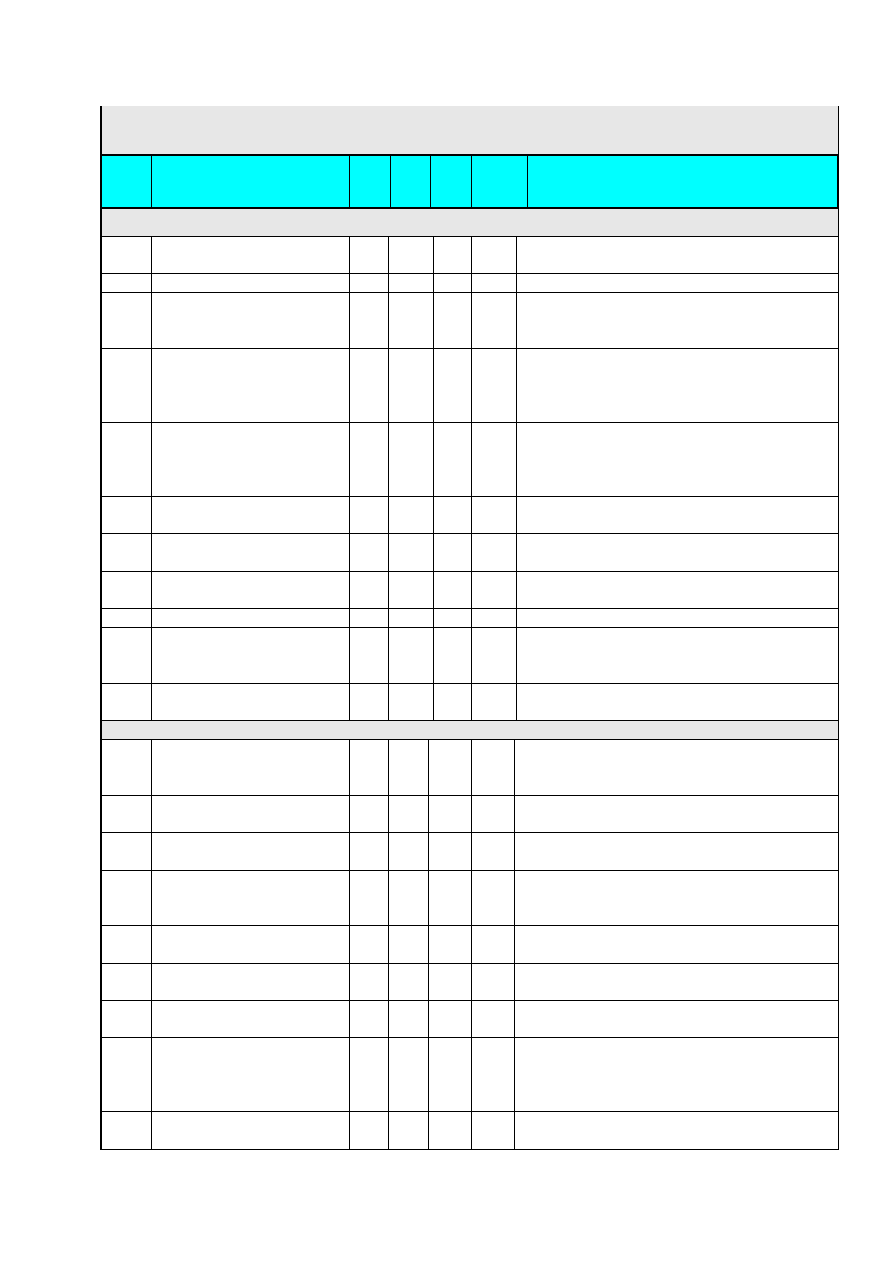
EQUIPMENT p. 451 -461
Item
No.
Recommended item
per
10
per
20
per
30
per
40
Category
Added comments
1. RESUSCITATION EQUIPMENT
1.1
Portable oxygen set, complete
containing:
1
1
1
1
appliance for the administration of oxygen
See pages 4-5
1.1a
1 oxygen cylinder, 2l/200bar 1
1
1
1
Ready to use. See pages 4-5
1.1b
1 spare oxygen cylinder,
2l/200bar
1
1
1
1
See pages 4-5. If no additional equipment from the
MFAG on board consider to increase amount of
oxygen to 4 X 10l
1.1c
Pressure regulating unit and
flow meter with tubes such
that ship's industrial oxygen
can also be used
1
1
1
1
See pages 4-5
1.1d
3 disposable face masks of
choice: including simple face
mask and non-rebreathing
mask
1
2
3
4
See pages 4-5
1.2a
Guedel airway (Mayo-tube):
size medium
1
1
1
1
Oropharyngeal airway, see pages 4-5, 315
1.2b
Guedel airway (Mayo-tube):
size large
1
1
1
1
Oropharyngeal airway, see pages 4-5, 315
1.3a
Manual aspirator to clear
upper airways
1
1
1
1
Mechanical aspirator, see pages 4-5
1.3b
Catheters for aspirator,
2
2
2
2
Mechanical aspirator, different sizes; see pages 4-5
1.4
Ambubag or equivalent;
supplied with small, medium,
and large masks
1
1
1
1
Bag and mask resuscitator including oxygen
reservoir bag and oxygen tubing, see pages 4-5
1.5
Brook Airway, Lifeway, pocket
face mask or equivalent
1
1
1
1
Cannula for mouth-to-mouth resuscitation,
see pages 4-5
2. DRESSING MATERIAL AND SUTURING EQUIPMENT
2.1
Assorted wound-plaster or
plaster strips, water resistant
– slim and broad
200 200 200 200 adhesive dressings
2.2a
Sterile gauze compresses, 5cm
x 5cm, sterile
50
50
100 100 Sterile gauze compresses
2.2b
Sterile gauze compresses, 10
cm x 10cm
50
50
100 100 Sterile gauze compresses
2.3
Gauze roll, 5cm and 60 or 90
cm x 100 m, non-sterile
1
1
1
1
Gauze roll
60 cm / 90 cm my be substituted by gauze roll of
smaller size
2.4
Non-adherent gauze dressing,
square 10cm
10
20
30
40
Gauze dressing with non-adherent surface
2.5
Paraffin gauze dressing, 10 x
10 cm, sterile
40
40
40
40
Vaseline gauze
2.6
Elastic fixation bandage, 4 m x
6 cm
3
6
9
12
Bandage
2.7a
First-aid absorbent gauze-
covered cotton pad sewn onto
a cotton bandage (ambulance
dressing) small
5
5
10
10
Sterile compression bandages.
2.7b
First-aid absorbent gauze-
covered cotton pad sewn onto
5
5
10
10
Sterile compression bandages

a cotton bandage (ambulance
dressing) medium
2.7c
First-aid absorbent gauze-
covered cotton pad sewn onto
a cotton bandage (ambulance
dressing) large
5
5
10
10
Sterile compression bandages
2.8a
Tubular gauze bandage for
finger bandage, 5m
1
1
1
1
Tubular gauze for finger bandage
See pages 43-58
2.8b
Applicator for finger bandage 1
1
1
1
See pages 43-58
2.9
Adhesive elastic bandage
4 m x 6 cm
10
10
10
10
Adhesive elastic bandage
2.10
Triangular sling
5
5
5
5
Triangular sling. See pages 43-58 and 77
2.11
Sterile sheets for burn
patients
2
2
4
4
Sterile sheet for burn victims. Different sizes
See pages 79-83
2.12
Honey for dressing burns 1kg,
(only purified 1000 g)
1
1
2
2
Only if honey for medical purposes available
Otherwise use a hydrogel-burnkit. See pages 79-83
2.13
Adhesive tape, waterproof,
skin-friendly, 5 x 1.25 cm
3
3
6
6
Adhesive sutures or zinc oxide bandages
2.14
Q-tips (wooden)
100 100 100 100 Q-tips
2.15
Safety pins (stainless steel), 12
pieces
1
1
2
2
safety pins
2.16
Butterfly sutures, Steristrip®
or Leukostrip®, sterile
50
50
50
50
Butterfly sutures. See pages 69-74
2.17
2-octyl cyanoacrylate liquid,
0.5ml
1
1
1
1
Skin adhesive for closing small wounds. See pages
69-74.
2.18 a Sutures, absorbable with
curved non-traumatic needles,
1 – O,
3
3
6
6
Suturing equipment. See pages 71-74.
Replace with non-absorbable sutures for easier use
See page 71
2.18 b Sutures, absorbable with
curved non-traumatic needles,
3 – O,
3
3
6
6
Suturing equipment. See pages 71-74.
Replace with non-absorbable sutures for easier
use, See page 71
2.18 c Sutures, absorbable with
curved non-traumatic needles,
4 - 0 or 5 - 0
3
3
6
6
Suturing equipment. See pages 71-74.
Replace with non-absorbable sutures for easier
use, See page 71
2.19a Disposable examination
gloves, size M
100 100 100 100 Gloves
2.19b Disposable examination
gloves, size L
100 100 100 100 Gloves
2.19c Surgical gloves size 6.5, sterile
in pairs
3
4
5
6
Gloves (sterile)
2.19d Surgical gloves size 7.5, sterile,
in pairs
3
4
5
6
Gloves (sterile)
2.19e Surgical gloves size 8.5, sterile,
in pairs
3
4
5
6
Gloves (sterile)
2.20
Eye pads
1
2
3
4
See pages 36, 38.
3. INSTRUMENTS
3.1
Scalpel, sterile, disposable
10
10
10
10
Disposable scalpels See pages 71-74, 216-219.
3.2
Instrument box (stainless
steel)
1
1
1
1
Stainless-steel instrument box.
3.3
Operating scissors, straight
(stainless steel)
1
1
1
1
Scissors
3.4
Bandage scissors
(stainless steel)
1
1
1
1
Scissors
3.5
Splinter forceps, pointed
(stainless steel)
1
1
1
1
Forceps
3.6
Teeth tissue forceps
1
1
1
1
Forceps. See pages 71-74, 216-219.

(stainless steel)
3.7
Needle holder, Mayo-Hegar
180mm, straight
1
1
1
1
Needle holder. See pages 71-74.
3.8
Haemostatic clamp, Halstead
mosquito, 125mm, stainless
steel
2
2
2
2
Haemostatic clamps
3.9
Razor, disposable
5
5
5
5
Disposable razors
4. EXAMINATION AND MONITORING EQUIPMENT
4.1
Tongue depressors, disposable 100 100 100 100 Disposable tongue depressors
4.2
Reactive strips for urine
analysis: blood/ glucose/
protein/nitrite/leukocytes
50
50
100 100 Reactive strips for urine analysis, see pages 311-
312, 324.
4.3
Microscope slides
12
12
12
12
Microscope slides, See pages 265-269
4.4
Stethoscope
1
1
1
1
Stethoscope
4.5
Sphygmomanometer (blood
pressure set), preferably
automatic
1
1
1
1
Aneroid sphygmomanometer, see pages 305-307
4.6a
Standard thermometer,
digital if possible
2
2
3
3
Standard thermometer, see pages 302-304
4.6b
Rectal thermometer,
digital if possible
1
1
1
1
Rectal thermometer, see pages 302-304
4.7
Thermometer 32˚-34˚C, digital
if possible
1
1
1
1
Hypothermic thermometer, preferable range 26°C
to 42°C to differentiate between severe-moderate-
mild hypothermia; see pages 343-344.
4.8
Penlight + blue cover
1
1
1
1
Penlight (blue light) to detect damage to cornea.
See pages 33-34
4.9
Waterproof indelible marker 1
1
1
1
see page 29.
4.10
Magnifying glass (a x 8 loupe) 1
1
1
1
See pages 33-34.
FORMS AND BOOKS
4.11
Temperature cards / charts
10
10
10
10
Use as master copy from page 302
4.12
Cards for telemedical advise
10
10
10
10
Use ass master copy. Should be filled in before
calling radiomedical advise
4.13
Medical logbook
1
1
1
1
See p. 455
4.14
Controlled drug register
1
1
1
1
Controlled drug register
4.15
International Medical Guide
for Ships 3rd
1
1
1
1
Hard-copy
4.16a Forms from Annex A
Ship master´s report form
10
10
10
10
Use as master copy (see pages 455 - 461)
file in medical log p. 455
4.16b Forms from Annex A
Ship´s identity and
navigational status form
10
10
10
10
Use as master copy (see pages 455 – 461)
4.16c Forms from Annex A
Patient health status form
10
10
10
10
Use as master copy (see pages 455 – 461)
4.16d Forms from Annex A
Primary physician´s report
form
10
10
10
10
Use as master copy (see pages 455 - 461)
4.17
Vaccination requirements
1
1
1
1
International travel and Health, current edition
(WHO )
4.18
Malaria prophylaxis and
treatement
1
1
1
1
www.who.int/malaria/publications.html
or
www.cdc.gov/travel/regionalmalaria/index.html
See Page 266
5. EQUIPMENT FOR INJECTION, INFUSION, AND CATHETERIZATION
5.1
Syringes, Luer connection,
2ml, sterile, disposable
10
20
30
40
Equipment for injection, see pages 324-329
5.2
Syringes, Luer connection,
10
20
30
40
Equipment for injection, see pages 324-329

5ml, sterile, disposable
5.3
Syringes, Luer connection, 10
ml, sterile, disposable
10
10
20
20
Equipment for injection, see pages 324-329
5.4
Hypodermic subcutaneous
needle, Luer connection,
16x0.5mm (23 G or 25 G),
sterile, disposable
20
30
40
50
Equipment for subcutaneous injection, see pages
324-329
5.5
Hypodermic intramuscular
needle (19G or 21G), Luer
connection, 40x0.8mm,
sterile, disposable
20
30
40
50
Equipment for intramuscular injection, see pages
324-329
5.6
Needles, 19G or 21G, blunt,
"drawing up" type
20
30
40
50
Equipment for drawing the medicine into the
syringe, see pages 324-329
5.7a
Intravenous infusion cannula
16G (1.7mm) or 19G, Luer-lock
connection, sterile, non-recap
type + mandarin
5
5
10
10
Equipment for intravenous fluid infusion, see page
326
5.7b
Intravenous infusion cannula
22G (0.8mm) or 21G, Luer-
lock connection, sterile, non-
recap type+mandrin
5
5
10
10
Equipment for intravenous fluid infusion, see page
326
5.8
Intravenous giving set, Luer-
lock connection, steril +3-way
valve/ connection
5
5
10
10
Equipment for intravenous infusion, see pages
324-329,
5.9
Tourniquet, blood-taking type,
to be used with intravenous
infusion cannula
1
1
1
1
Equipment for infusion, see pages 324-329
5.10a Penile sheath set with condom
catheter, tube, and bag
1
1
1
1
Bladder drainage equipment, see page 308-309
5.10b Indwelling urine catheter 14
CH
1
1
1
1
Bladder drainage equipment, see pages 319- 321
5.11a Short-term urine catheter
with soft-eye straight tip
Thieman No. 12 , or
equivalent
2
2
2
2
Bladder drainage equipment, see pages 319-321
5.11b Short-term urine catheter
with soft-eye straight tip
Thiemann No 16, or
equivalent
2
2
2
2
Bladder drainage equipment, see pages 319-321
5.11c Complete sterile urine
catheterization set with
lubricant, drapes, cotton
swabs, skin disinfection,
forceps, sterile container
2
2
2
2
Bladder drainage equipment, see pages 319-321
5.12
Urine collecting bag and tube 2
2
2
2
Bladder drainage equipment, see pages 319-321
6. GENERAL MEDICAL AND NURSING EQUIPMENT
6.1
Plastic goggles or full-face
mask
1
1
1
1
Eye protection
6.2
Disposable plastic apron
10
10
10
10
Plastic apron
6.3
Kidney dish, stainless steel,
825ml
1
1
2
2
Kidney dish
6.4
Towels, plastic backed,
absorbent, 600x500mm
10
10
10
10
Plastic backed towels
6.5
Safety box for sharps
disposable, 5l
1
1
1
1
Safety box
Size of 1-5 liters may be chosen
6.6
Mask, duckbill type,
50
50
100 100 Mask

disposable
6.7
Tape measure, vinyl coated,
1.5m
1
1
1
1
Tape measure
6.8
Draw sheet, plastic 90x180cm 1
1
1
1
Draw sheet
6.9
Bedpan, stainless steel
1
1
1
1
Bedpan
6.10
Hot-water bag
1
1
1
1
Hot-water bottle
6.11
Urinal, male (plastic)
1
1
1
1
Urine bottle
6.12
ColdHotpack maxi
1
1
1
1
Ice bag
6.13
Aluminum foil blanket
1
1
1
1
Aluminium foil blanket
6.14
Male condoms
100 200 300 400 Condoms, assorted sizes
6.15
Plastic wash bottle, 250ml
1
1
1
1
Wash bottle
6.16
Bottle, 1l plastic with screw
top
1
1
1
1
Plastic bottle
6.17
Stainless steel dressing tray
300x200x30mm
1
1
1
1
Dressing tray
6.18
Bowl, stainless steal, 180ml
1
1
1
1
Bowl
6.19
Jars, plastic, with lids and
lables 100ml
10
20
30
40
Specimen jars
6.20a Bandages, POP, 5cmx2.7m
6
6
6
6
Plaster-of-Paris bandages, may be omitted if splints
are carried
6.20b Bandages, POP, 10cmx2.7m
6
6
6
6
Plaster-of-Paris bandages, may be omitted if splints
are carried
6.21a Stockinet sizes for arm splints
10m roll
1
1
1
1
Stockinet
See pages 43-58
6.21b Stockinet sizes for leg splints
10m roll
1
1
1
1
Stockinet. See pages 43-58
6.22
Cotton wool roll 500g
1
1
2
2
Cotton wool. See pages 43-58
6.23
Alcohol swabs
100 100 100 100 70% alcohol swabs for skin cleansing prior to
injection
6.24
Nail brush
1
1
1
1
Nail brush
6.25
Thermometer for refrigerator 1
1
1
1
If Tetanus vaccine and Immunoglobin are on board
6.26
Mortuary transfer bag
1
1
1
1
see pages 334 – 336
DISINFACTANTS, DISINSECTANTS
6.27
Water disinfection set
including measure kit/ test
stripes for pH and for residual
chlorine
1
1
1
1
To disinfect potable water tanks with chlorine
effectively. See pages 359-360.
6.28
Disinfectant solution for
medical instruments, 1000 ml:
3 % aqueous phenolic solution
1
1
1
1
For disinfection of used instruments* and
thermometers, see page 331.
*Caution: All items entering the skin or are in direct
contact with mucous membranes should be single
use (i.e. injection needles, urinary catheters.
6.29
Disinfectant for surfaces and
floor, 1000 ml concentrate: 2%
cetrimide solution or 3%
aqueous phenolic solution
1
1
1
1
For disinfection of contaminated surfaces, hard-
surface objects and floors (non-food-handling
area), see page 331.
6.30
Disinfectant for surfaces and
floor 1000 ml concentrate:
sodium hypochlorite 100mg/
litre
2
2
2
2
For disinfection of food-handling area: cutlery,
dishes, plates, glasses), see page 331
6.31
Chlorpyrifos 5g/l in
Bait stations or gels
20
20
20
20
To use against cockroaches in food storage and
preparation area, see pages 362-365
6.32
Chlorpyrifos-methyl 7-10 g/l
Spray – 1 piece
10
10
10
10
To use against cockroaches in other areas than
food storage and preparation area
See pages 362-365

6.33
Insecticide spray
Permethrine, natural
pyrethrins or chlorpyriphos-
methyl
1
2
3
4
For space spraying,
not for skin
See pages 362- 365
7. IMMOBILIZATION AND TRANSPORTATION EQUIPMENT
7.1
Malleable finger splint
1
1
1
1
Malleable splints (small). See pages 43-58.
7.2
Malleable forearm/ hand
splint
2
2
2
2
Malleable splints (medium). See pages 43-58.
7.3
Malleabloe splint legs
2
2
2
2
Malleable splints (large). See pages 43-58.
7.4
Stretcher
1
1
1
1
Stretcher equipment (a system for trauma
management, i.e. immobilization and stretcher
equipment most suited for treatment in the vessel
concerned. Preferably allowing crane/helicopter
lifting. See page 7
7.5
Cervical rigid collar
variable size
1
1
1
1
for neck immobilisation. See pages 7, 45
Wyszukiwarka
Podobne podstrony:
Medical devices 16
FOS Medical id 179961 Nieznany
Medical devices clasification 2
Medical devices 7
chest i dolg vmeste s rossiej 3
Pressure Points Chest
Pytania i odpowiedzi ? 36 Medical First Aid
#36 Medical First Aid
Medical devices 21
Blanket chest id 89967 Nieznany
Medical devices
Botanical, phytochemical and medical overview
Medical devices 22
Medical Play Psychology
Medical devices 12
więcej podobnych podstron