The Timken Company
Paulina Adamczyk, Soňa Markechová, Diego Escobar Fraile,
Katarzyna Pietr, Sylwia Przepłata
Agenda
The Bearing Industry
Timken & Torrington
WhyTimken wantedTorrington?
What is the stand-alone valuation of Torrington?
Should Timken be concerned about losing its investment-
grade rating?
How do Timken’s financial ratios compare with those of
other industrial firms in 2002?
HowTimken structured the deal?
What was the with-synergies valuation of Timken/
Torrington?
The Bearing Industry
2001: 33.000 workers in US factories
variety of complex problems
difficult situation on the market
major players: Timken, SKF, NSK
Timken
One of top three players in the Bearing Industry, founded in
1899 in the US
WW II – increased demand and growth of the company
Since 1960s - international expansion
Since 1999- restructuring towards global business units
(2002)
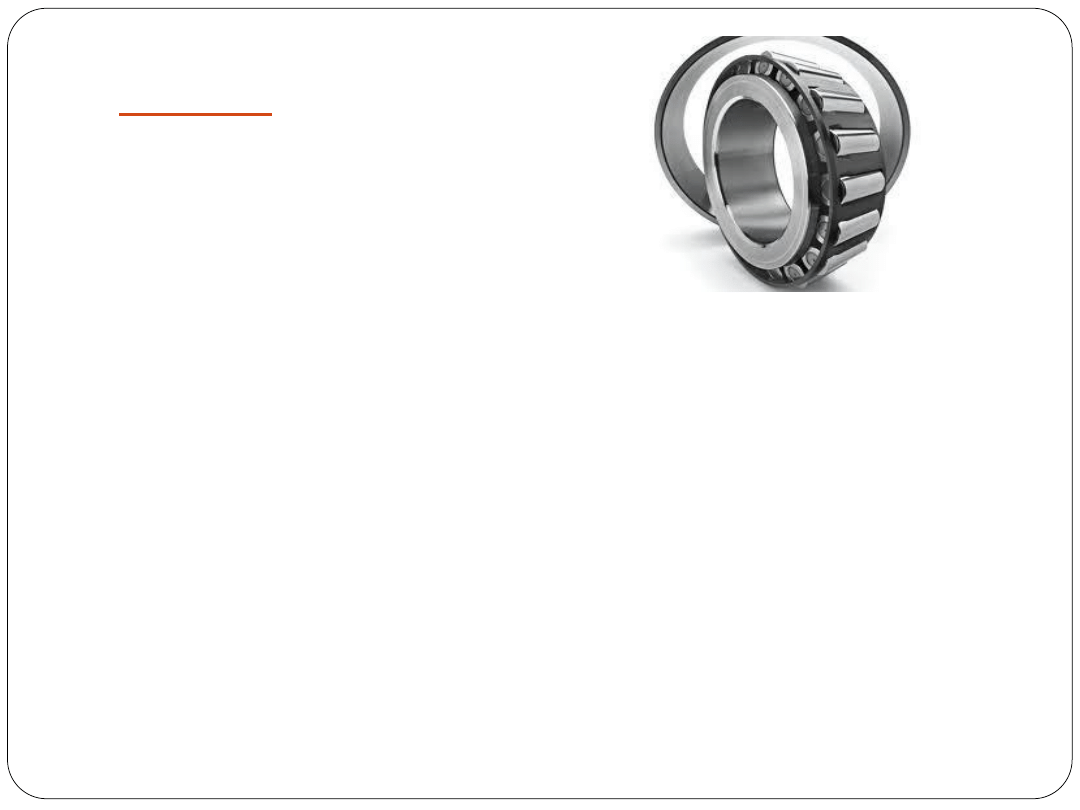
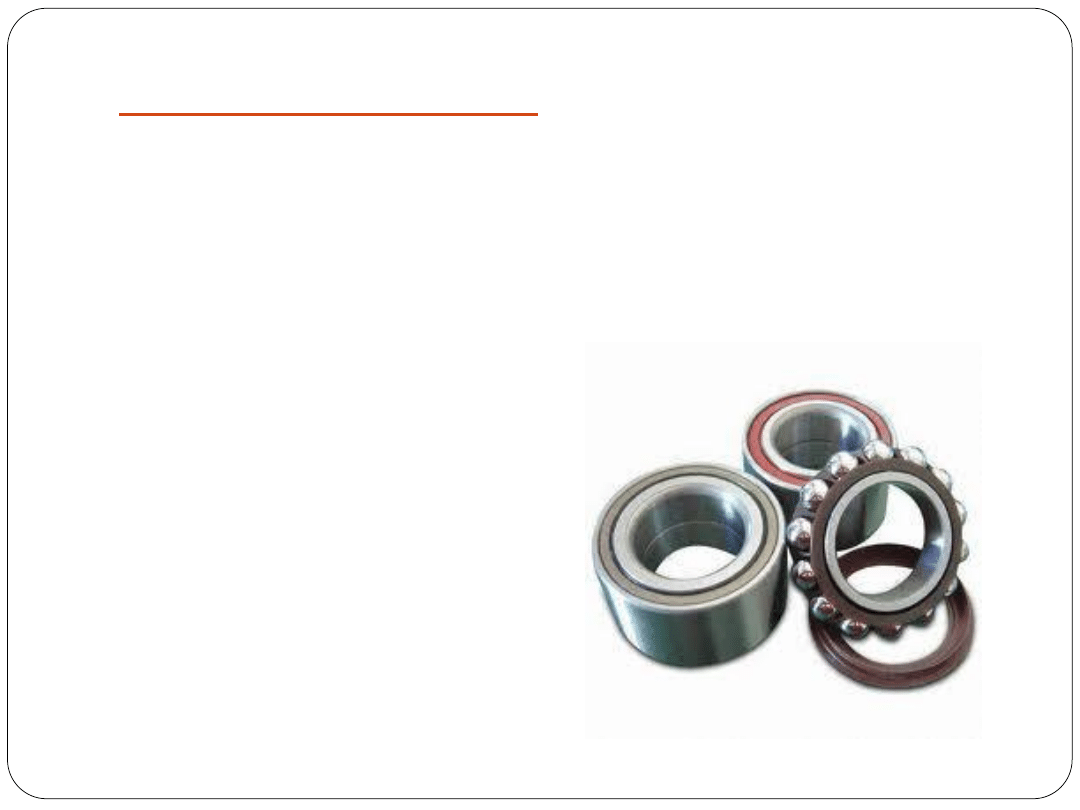
Products: mainly bearings of several types and related
products
Timken - 3 Business Units
Automotive Group – products for Original-Equipment
Manufacturers of cars and trucks
Industrial Group – products for OEMs and distributors of
agricultural, mining, aerospace, and rail equipment
Steel Group – design, manufacture and distribution of alloys
and custom-made steel products for both automotive and
industrial clients
Assets worth $2.75 bn (2002) and net income $38.7bn
(2002) operations in 25 countries and 18,000 workers
The Torrington Company
1960s - acquired by Ingersoll Rand as part of a larger acquisition
process
The Engineered Solutions segement of Ingersoll-Rand
Products: bearings and other diverse metal products such as shafts,
screws
IR decided to divest Torrington Co. in 2002 and focus on
higher return service businesses
Accounted for 22% of income in 2002, revenues $1.2bn (2002)
2 Segments:
Automotive
Industrial
Timken’s Motives for Acquiring
Torrington
Increase market share in the global bearing market
Successful acquisition = being the 3
rd
largest producer of
bearings with many complementary products
Global market share increase to 11%
Create more value for customers
Purchasing synergies
Economies of scale
Cost reductions
However: integration cost ~$130 million
How does Torrington fit with The Timken
Company? 1/2
In 2002, Timken was involved in a company-wide
restructuring (to reduce costs and to set the stage for
international growth) and also was planning to add new
products to its portfolio. “Bundling”
Two companies shared many of the same customers (a
80% overlap) but had few products in common (only a
5% overlap in their product offerings). Timken would
expand its portfolio of products and service solutions
and broaden its technology and engineering capabilities.
How does Torrington fit with The Timken
Company? 2/2
Timken estimated to save more than $80 million in
consolidating manufacturing facilities and processes
(consolidating purchasing activities and distribution
channels, combining operations and eliminating
redundancies within the organization).
- The acquisition would let Timken become a worldwide
leader in bearing industry (third-largest producer of
bearing in the world). Increasing its penetration of the
global bearing market from 7% to 11%.
What are the expected synergies? 1/2
Torrington had sophisticated needle-bearing solutions
for automotive power-train applications, which
complemented Timken´s existing portfolio of tapered
roller bearing and precision-steel components for wheel
ends and drivelines.
Timken´s cylindrical bearings could be married with
flap-like parts from Torrington that lubricated moving
pieces.
Deliver Torrington products under the well-known
Timken brand name would increase its range of products
for aftermarket customers. Using for that the Timken´s
international distribution network. Create more value
for customers with a more complete product line and
more effective new product development
Being number three in the industry would help give
Timken more clout in negotiations with customers and
suppliers.
What are the expected synergies? 2/2
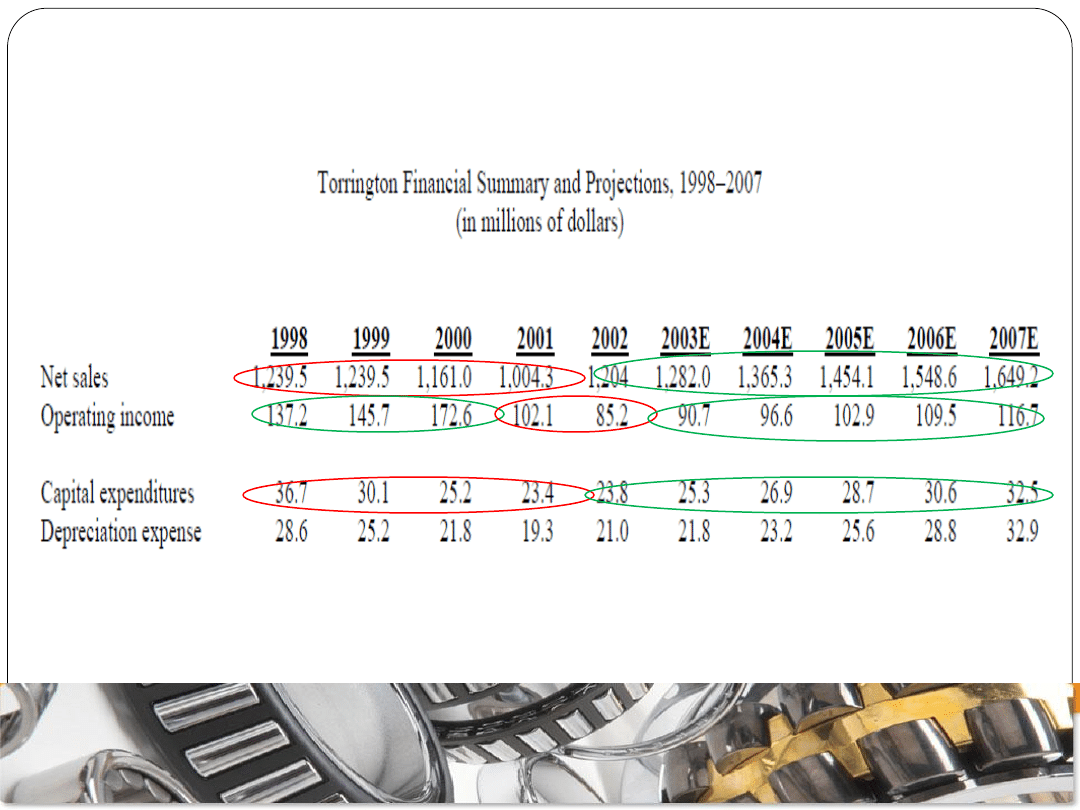
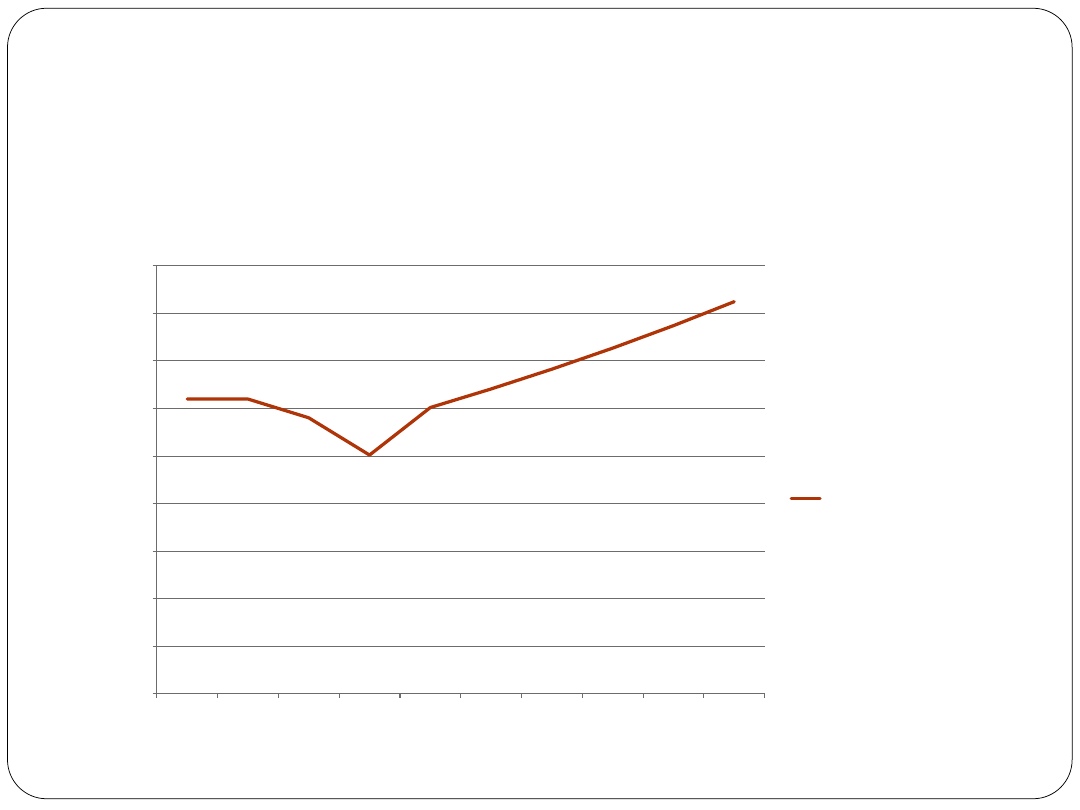
What is the stand-alone valuation of Torrington?
0
200
400
600
800
1000
1200
1400
1600
1800
1998
1999
2000
2001
2002
2003E
2004E
2005E
2006E
2007E
net sales
net sales
Torrington Financial Summary and Projections
(in millions of USD)
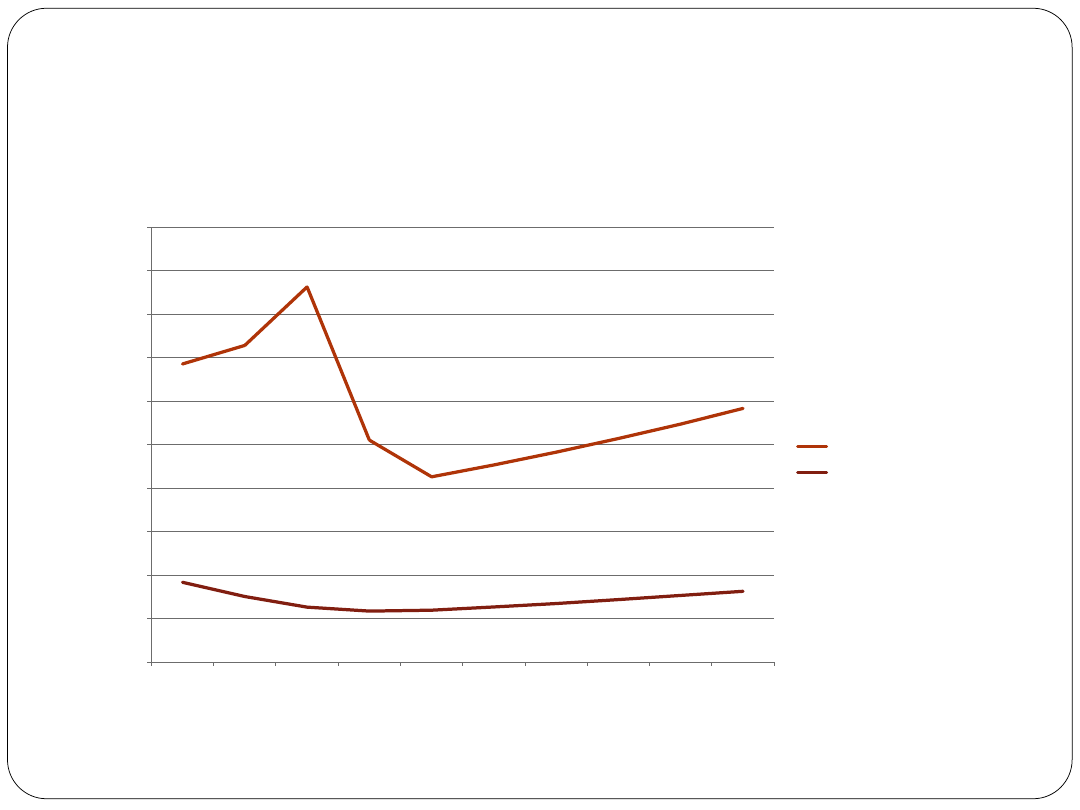
Torrington Financial Summary and Projections
(in millions of USD)
0
20
40
60
80
100
120
140
160
180
200
1998
1999
2000
2001
2002
2003E
2004E
2005E
2006E
2007E
operating income
capital expenditures
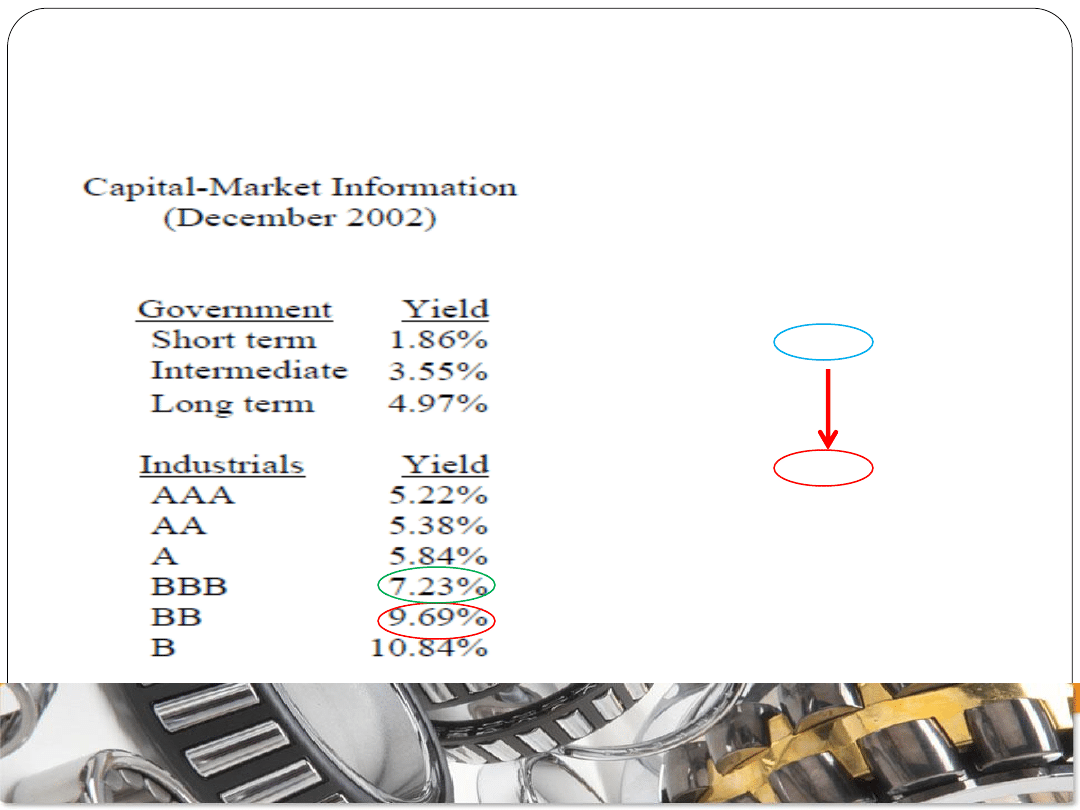
Should Timken be concerned about losing its
investment grade rating?
Timken’s Debt-to-Capital Ratio
1995: 20.5 %
2002: 43.1%
Kaydon Corp.
21.51%
9.09%
11.3
1.25
72.4
NN, Inc.
14.54%
2.61%
7.5
0.85
53.1
Timken
10.81%
2.02%
5.2
1.10
373.9
Commercial Metals
5.66%
1.66%
5.5
0.63
255.6
Melats USA, Inc.
0.42%
5.17%
-
0.38
128.7
Mueller Industires
12.97%
7.45%
7.3
1.08
18.2
Precision Castparts Corp.
18.40%
7.53%
4.5
1.10
612.4
Quantex Corp.
12.77%
5.58%
5.1
0.75
75.6
Worthing Ind.
8.47%
3.39%
10.1
0.49
290.9
-
-
-
-
1173.9
Enterprise
Value/
EBITDA
Debt
(in $ mil.)
Timken
Gross
Margin
Profit
Margin
Bearing Companies
Beta
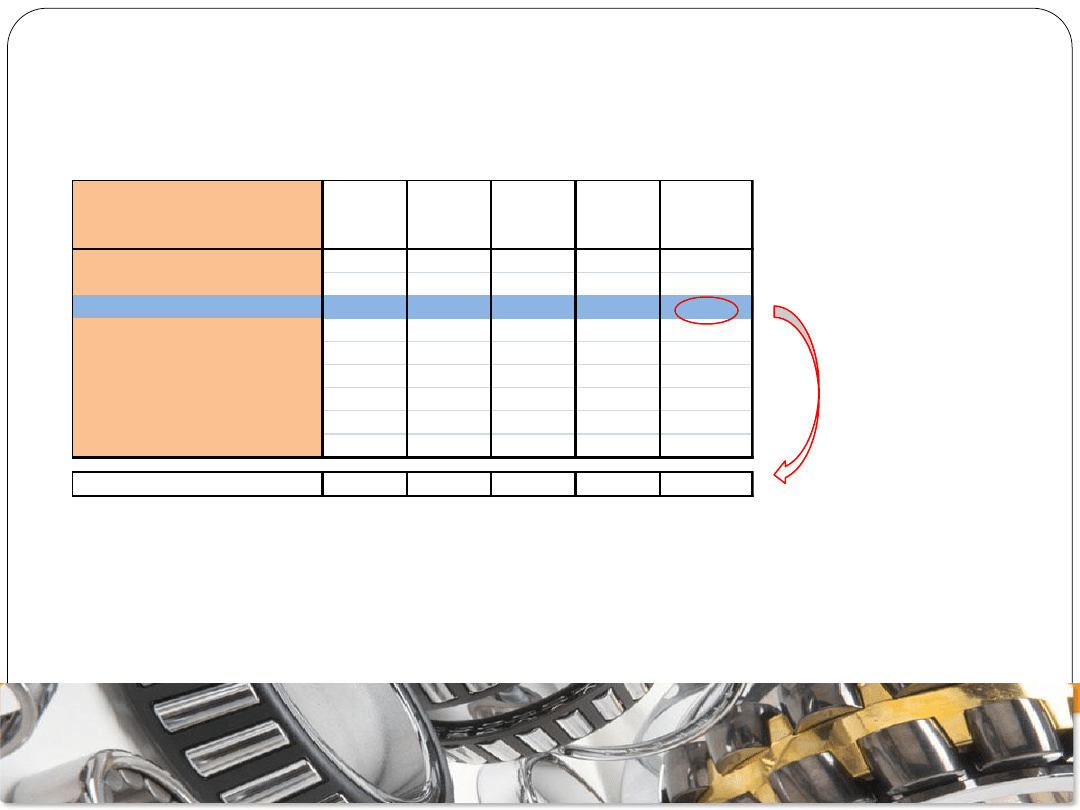
How do Timken’s financial ratios compare
with other industrial firms in 2002?
How would it change if
Timken borrowed $800 mil.
to buy Torrington?
If Timken decides to go forward with the acquisition, how
should Timken offer to structure the deal?
Is Ingersoll-Rand likely to want a cash deal or a stock-for-
stock deal?
What are the risks for Ingersoll-Rand of accepting Timken
shares for some or all of the consideration?
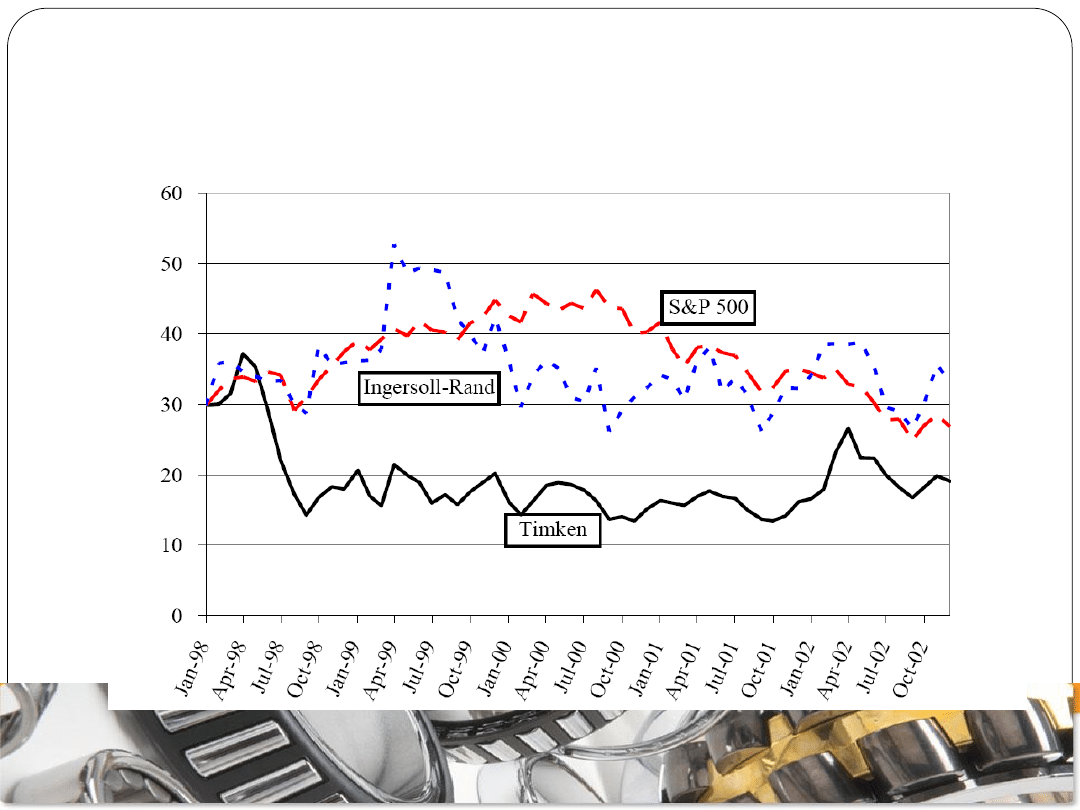
Timken, Ingersoll-Rand, and S&P 500 Stock Performance
Indexed to Timken´s January 1998 Price
(1998-2002)
Feb 20, 2003
The Timken Company completed its
acquisition of The Torrington Company
Timken acquired Torrington from
Ingersoll-Rand for $840 million
$700 million
in cash
•
a public offering of 12.65
millionTimken shares
•
an offering of $250 million
seven-year senior unsecured
notes
•
a five-year revolving credit
facility
•
a $125 million securitized
accounts receivable facility
Timken shares
$140 million =
= 9.4 million Timken shares
= 11% holding in TheTimken
Company
$140 million
The business goes on...
October 20, 2003
Ingersoll-Rand Company Limited has
agreed to sell all of the common
stock it holds in The Timken
Company.
What is the with-synergies
valuation of Torrington/ Timken?
Becoming one of the global leaders in the bearing
industry
Cost savings
Increasing shareholders’ wealth, liquidity, and global
reach
Expanding know-how
Laying off employees
Increasing debt
Restructuring
Thank you for your attention!
Wyszukiwarka
Podobne podstrony:
Financial Analysis of the Company final notes
08 The Functional Lines
The Relationships?tween Semiotics and The Quaker Company
2010 exams dates for individuals ilec icfe toles tkt pl gb 08 02 10 ar final 2
Adams, Robert Horseclans 08 The Death of A Legend
Anderson Poul Flandry 08 The Rebel Worlds
08 The landladys cousin
PN Elrod [Vampire Files 08] The Dark Sleep v1 1 (BD)
Unfortunate Events 08 The Hostile Hospi Lemony Snicket
Isobel Bird [Circle Of Three 08] The Five Paths
Leslie Charteris The Saint 08 The Saint vs Scotland Yard
Scarlet Hyacinth Mate or Meal 08 The Seahorse Who Loved the Wrong Lynx
Alex Archer Rogue Angel 08 The Secret of The Slaves
08 The Unforgiven Metallica
Bujold, Lois McMaster Vorkosigan 08 The Borders of Infinity
Harry Turtledove Videssos Cycle 08 The Stolen Throne
więcej podobnych podstron