IB DIPLOMA PROGRAMME
PROGRAMME DU DIPLÔME DU BI
PROGRAMA DEL DIPLOMA DEL BI
M06/3/HISTX/BP2/ENG/TZ0/XX
HISTORY
HIGHER LEVEL AND STANDARD LEVEL
PAPER 2
Wednesday 10 May 2006 (afternoon)
INSTRUCTIONS TO CANDIDATES
Do not open this examination paper until instructed to do so.
Answer two questions, each chosen from a different Topic.
Questions in this paper must be answered with reference to events and developments in the
twentieth century.
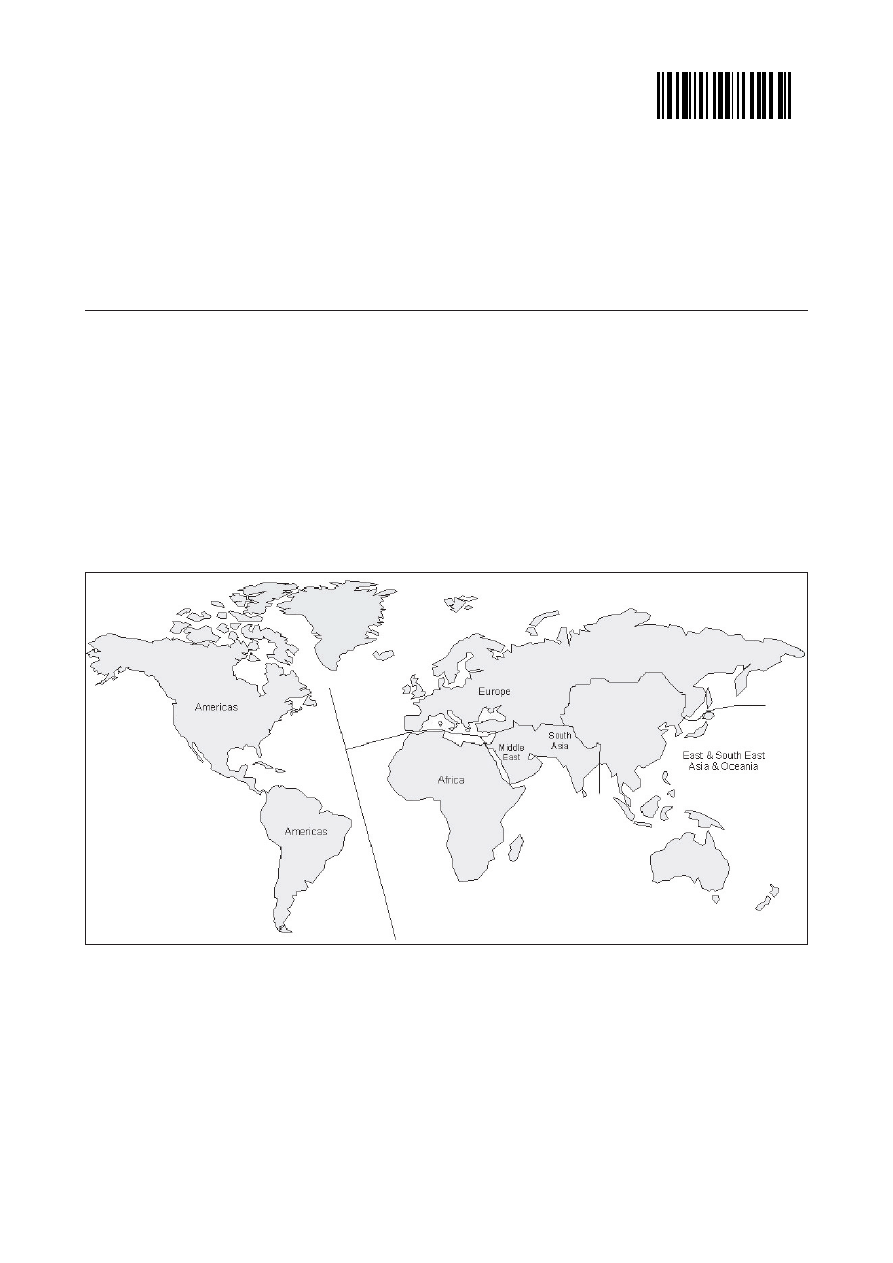
Where the word region is used in questions in this paper, it refers, unless otherwise defined, to the
five regions which are the basis of the regional studies for Higher Level Paper 3.
1 hour 30 minutes
2206-5303
4 pages
22065303

M06/3/HISTX/BP2/ENG/TZ0/XX
2206-5303
– 2 –
Topic 1
Causes, practices and effects of war
1.
Compare and contrast the results of the First World War and the Second World War.
2.
To what extent did technological developments ensure victory in twentieth century wars?
3.
“No twentieth century war could be called a limited war.” To what extent do you agree with this
assertion?
4.
Analyse the causes of either the Spanish Civil War or the Korean War.
5.
Assess the social results of two wars, each chosen from a different region.
Topic 2
Nationalist and independence movements, decolonisation and challenges facing new
states
6.
Analyse the factors favouring the growth of independence movements in one non-European colonial
state.
7.
For what reasons, and with what results, was either Ghana or India successful in obtaining
independence?
8.
Assess the economic problems facing one new non-European state in the ten years after
independence.
9.
Compare and contrast tribal influence in two African states after they had achieved independence.
10. Analyse the form of government after independence in either Algeria or Indonesia.

– 3 –
Turn over
M06/3/HISTX/BP2/ENG/TZ0/XX
2206-5303
Topic 3
The rise and rule of single-party states
11. To what extent was the rise to power of either Hitler or Mao due to personal appeal and ability?
12. Compare and contrast the domestic policies of two rulers of single-party states, each chosen from a
different region.
13. Assess the methods used by either Nasser or Perón to remain in power.
14. In what ways, and with what results, was propaganda used by one ruler of a single-party state?
15. Assess the importance of ideology for rulers of twentieth century single-party states.
Topic 4
Peace and cooperation: international organisations and multiparty states
16. “Peace and cooperation was an ideal that proved impossible to achieve through international
organisations in the twentieth century.” To what extent do you agree with this judgment?
17. Compare and contrast the peace keeping aims and methods of the League of Nations and the United
Nations.
18. Evaluate the success of one multiparty state in improving the status of women.
19. Analyse the foreign policy of two multiparty states, each chosen from a different region.
20. Assess the successes and failures of governments in either Japan (1945-52) or the USA (1933-45).

M06/3/HISTX/BP2/ENG/TZ0/XX
2206-5303
– 4 –
Topic 5
The Cold War
21. “An unnatural alliance that was bound to fall apart after the defeat of the common enemy.” To what
extent does this statement explain the origin of the Cold War?
22. In what ways, and with what results, did the United States’ Cold War policy of containment affect
Cuba after 1959?
23. Compare and contrast the roles of China and Germany in the Cold War.
24. Analyse the importance of détente in ending the Cold War.
25. Examine the part played by economic issues in the development of the Cold War.
Topic 6
The state and its relationship with religion and with minorities
26. Assess the impact on politics of relations between church and state in two countries, each chosen
from a different region.
27. Compare and contrast the efforts of two ethnic/racial minorities, each chosen from a different region,
to obtain equality and self determination.
28. Assess the effects of the persecution of religious minorities during the twentieth century.
29. For what reasons, and in what ways, did integration affect the role and status of women belonging to
ethnic/racial minorities?
30. “The treatment of minorities improved in the second half of the twentieth century.” To what extent
do you agree with this judgment?
Wyszukiwarka
Podobne podstrony:
Nov 2000 History HL&SL Paper 1
Nov 2000 History HL & SL Paper 2
History HL+SL paper 2
History HL+SL paper 1 resources booklet
History HL+SL paper 2
History HL+SL paper 1 question booklet
History HL+SL paper 1
History HL+SL paper 1 resources booklet
May 2001 History HL&SL Paper 1 Markscheme
History HL+SL paper 1 question booklet
więcej podobnych podstron