
30 pages
c
IB DIPLOMA PROGRAMME
PROGRAMME DU DIPLÔME DU BI
PROGRAMA DEL DIPLOMA DEL BI
N05/5/MATHL/HP2/ENG/TZ0/XX/M+
MARKSCHEME
November 2005
MATHEMATICS
Higher Level
Paper 2

- 2 -
N05/5/MATHL/HP2/ENG/TZ0/XX/M+
This markscheme is confidential and for the exclusive use of
examiners in this examination session.
It is the property of the International Baccalaureate and must
not be reproduced or distributed to any other person without
the authorization of IBCA.

- 3 -
N05/5/MATHL/HP2/ENG/TZ0/XX/M+
Instructions to Examiners
Note:
Where there are two marks (e.g. M2, A2) for an answer do not split the marks unless
otherwise instructed.
1 Method
of
marking
(a)
All marking must be done using a red pen.
(b)
Marks should be noted on candidates’ scripts as in the markscheme:
y show the breakdown of individual marks using the abbreviations (M1), (A2) etc., unless a part
is completely correct;
y write down each part mark total, indicated on the markscheme (for example, [3 marks]) – it is
suggested that this be written at the end of each part, and underlined;
y write down and circle the total for each question at the end of the question.
2 Abbreviations
The markscheme may make use of the following abbreviations:
(M) Marks awarded for Method
(A) Marks awarded for an Answer or for Accuracy
(N) Marks awarded for correct answers, if no working (or no relevant working) shown: they may not
necessarily be all the marks for the question. Examiners should only award these marks for correct
answers where there is no working.
(R) Marks awarded for clear Reasoning
(AG) Answer Given in the question and consequently marks are not awarded
Note: Unless otherwise stated, it is not possible to award (M0)(A1).
Follow through (ft) marks should be awarded where a correct method has been attempted but error(s) are
made in subsequent working which is essentially correct.
• Penalize the error when it first occurs
• Accept the incorrect result as the appropriate quantity in all subsequent working
• If the question becomes much simpler then use discretion to award fewer marks
Examiners
should
use
(d) to indicate where discretion has been used. It should only be used for decisions
on follow through and alternative methods. It must be accompanied by a brief note to explain the decision
made
3
Using the Markscheme
(a) This markscheme presents a particular way in which each question may be worked and how it
should be marked. Alternative methods have not always been included. Thus, if an answer is
wrong then the working must be carefully analysed in order that marks are awarded for a different
method in a manner which is consistent with the markscheme. Indicate the awarding of these
marks by (d).

- 4 -
N05/5/MATHL/HP2/ENG/TZ0/XX/M+
Where alternative methods for complete questions or parts of questions are included, they are
indicated by METHOD 1, METHOD 2, etc. Other alternative part solutions are indicated by
EITHER….OR. It should be noted that G marks have been removed, and GDC solutions will not
be indicated using the OR notation as on previous markschemes.
Candidates are expected to show working on this paper, and examiners should not award full marks
for just the correct answer. Where it is appropriate to award marks for correct answers with no
working (or no relevant working), it will be shown on the markscheme using the N notation. All
examiners will be expected to award marks accordingly in these situations.
(b) Unless the question specifies otherwise, accept equivalent forms. For example:
sin
cos
θ
θ
for tan
θ
. On
the markscheme, these equivalent numerical or algebraic forms will generally be written in brackets
after the required answer. Paper setters will indicate the required answer, by allocating full marks at
that point. Further working should be ignored, even if it is incorrect. For example: if candidates
are asked to factorize a quadratic expression, and they do so correctly, they are awarded full marks.
If they then continue and find the roots of the corresponding equation, do not penalize, even if
those roots are incorrect, i.e. once the correct answer is seen, ignore further working.
(c)
As this is an international examination, all alternative forms of notation should be accepted. For
example: 1.7 , 1·7, 1,7; different forms of vector notation such as
1
, , ; tan
u u u
x
−
for arctan x.
4 Accuracy
of
Answers
If the level of accuracy is specified in the question, a mark will be allocated for giving the answer to the
required accuracy.
There are two types of accuracy error. Candidates should be penalized once only IN THE PAPER for an
accuracy error (AP).
Award the marks as usual then write –1(AP) against the answer and also on the front cover
Rounding errors: only applies to final answers not to intermediate steps.
Level of accuracy: when this is not specified in the question the general rule unless otherwise stated in
the question all numerical answers must be given exactly or to three significant figures applies.
• If a final correct answer is incorrectly rounded, apply the AP
OR
• If the level of accuracy is not specified in the question, apply the AP for answers not given to 3
significant figures. (Please note that this has changed from 2003).
Note: If there is no working shown, and answers are given to the correct two significant figures, apply the
AP. However, do not accept answers to one significant figure without working.
5
Graphic Display Calculators
Many candidates will be obtaining solutions directly from their calculators, often without showing any
working. They have been advised that they must use mathematical notation, not calculator commands
when explaining what they are doing. Incorrect answers without working will receive no marks.
However, if there is written evidence of using a graphic display calculator correctly, method marks may
be awarded. Where possible, examples will be provided to guide examiners in awarding these method
marks.
- 5 -
N05/5/MATHL/HP2/ENG/TZ0/XX/M+
P
Q
R
9 km
Examples
1. Accuracy
A question leads to the answer 4.6789….
• 4.68 is the correct 3 s.f. answer.
• 4.7, 4.679 are to the wrong level of accuracy : both should be penalised the first time this type of
error occurs.
• 4.67 is incorrectly rounded – penalise on the first occurrence.
Note
: All these “incorrect” answers may be assumed to come from 4.6789..., even if that value is not
seen, but previous correct working is shown. However, 4.60 is wrong, as is 4.5, 4.8, and these should be
penalised as being incorrect answers, not as examples of accuracy errors.
2. Alternative
solutions
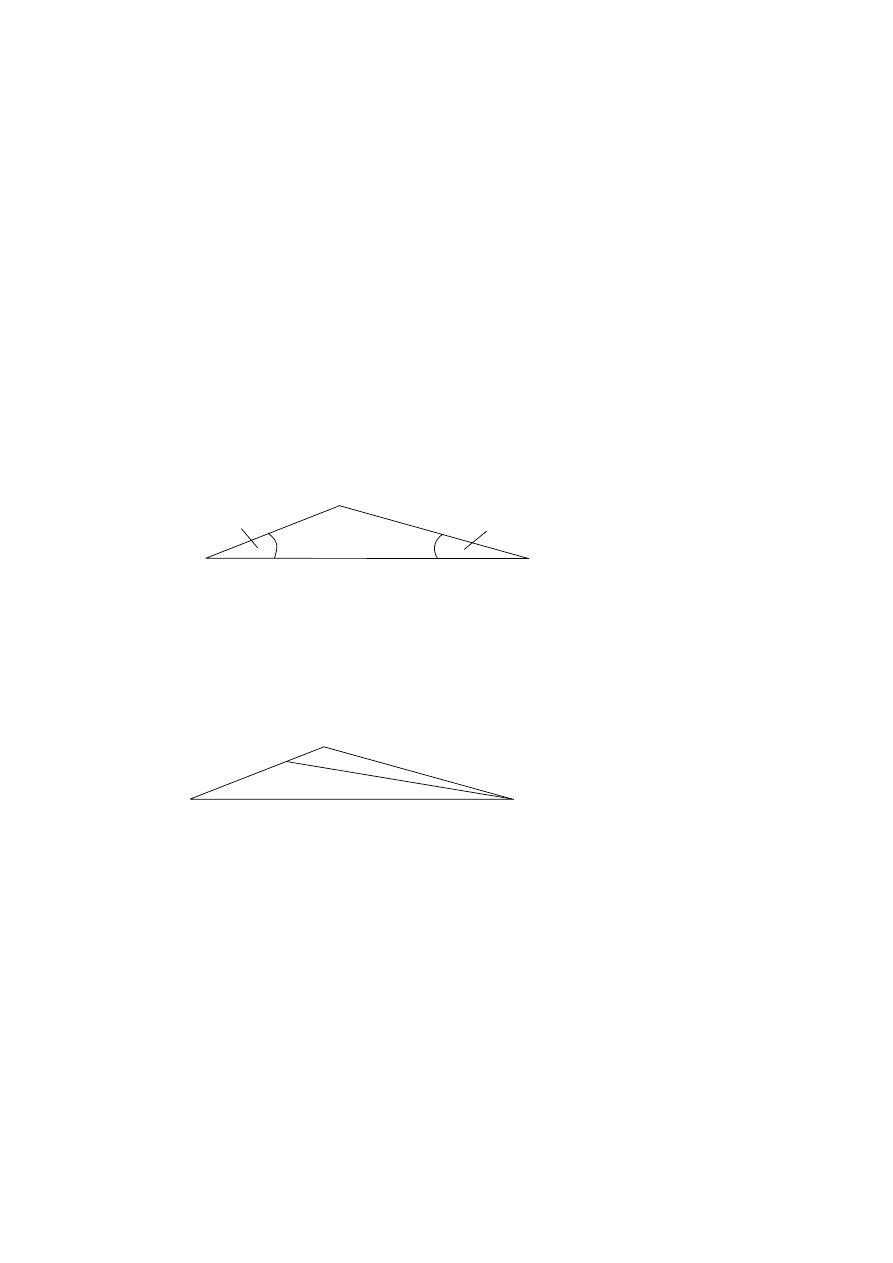
The points P, Q, R are three markers on level ground, joined by straight paths PQ, QR, PR as shown in
the diagram.
ˆ
ˆ
QR
km, PQR
, PRQ
= 9
= 35
= 25 .
(Note: in the original question, the first part was to find PR = 5.96)
(a)
Tom sets out to walk from Q to P at a steady speed of 8 km h
−1
. At the same time,
Alan sets out to jog from R to P at a steady speed of km h .
a
−1
They reach P at the same
time. Calculate the value of a.
[7 marks]
(b)
The point S is on [PQ], such that RS
QS,
= 2
as shown in the diagram.
Find the length QS.
[6 marks]
P
Q
R
35
25
diagram not to scale
S

- 6 -
N05/5/MATHL/HP2/ENG/TZ0/XX/M+
MARKSCHEME
(a)
EITHER
Sine
rule
to
find
PQ
sin 25
PQ
sin 120
9
=
(M1)(A1)
PQ 4.39 km
=
(A1)
OR
Cosine rule:
2
2
PQ
5.96
cos 25
2
=
+ 9 − (2)(5.96)(9)
(M1)(A1)
19.29
=
PQ 4.39 km
=
(A1)
THEN
Time
for
Tom
4.39
=
8
(A1)
Time for Alan
a
5.96
=
(A1)
Then
4.39
8
a
5.96
=
(M1)
10.9
a
=
(A1) (N5)
[7 marks]
Note that the THEN part follows both EITHER and OR solutions, and this is shown by the alignment.
(b) METHOD 1
2
2
RS
4QS
=
(A1)
2
2
4QS
QS
QS cos35
=
+ 81−18 ×
×
(M1)(A1)
2
2
3QS
14.74QS 81 0 (or 3
14.74
81 0)
x
x
+
−
=
+
−
=
(A1)
QS
8.20 or QS 3.29
⇒
= −
=
(A1)
therefore QS
= 3.29
(A1)
METHOD
2
QS
2QS
ˆ
sin 35
sin SRQ
=
(M1)
1
ˆ
sinSRQ
sin 35
2
⇒
=
(A1)
ˆ
SRQ 16.7
=
(A1)
Therefore,
ˆ
QSR 180 (35 16.7)
=
−
+
128.3
=
(A1)
9
QS
SR
sin128.3 sin16.7
sin 35
⎛
⎞
=
=
⎜
⎟
⎝
⎠
(M1)
9sin16.7
9sin 35
QS
sin128.3
2sin128.3
⎛
⎞
=
=
⎜
⎟
⎝
⎠
3.29
=
(A1) (N2)
If candidates have shown no working, award (N5) for the correct answer 10.9 in part (a), and
(N2) for the correct answer 3.29 in part (b).
[6 marks]
- 7 -
N05/5/MATHL/HP2/ENG/TZ0/XX/M+
3. Follow
through
Question
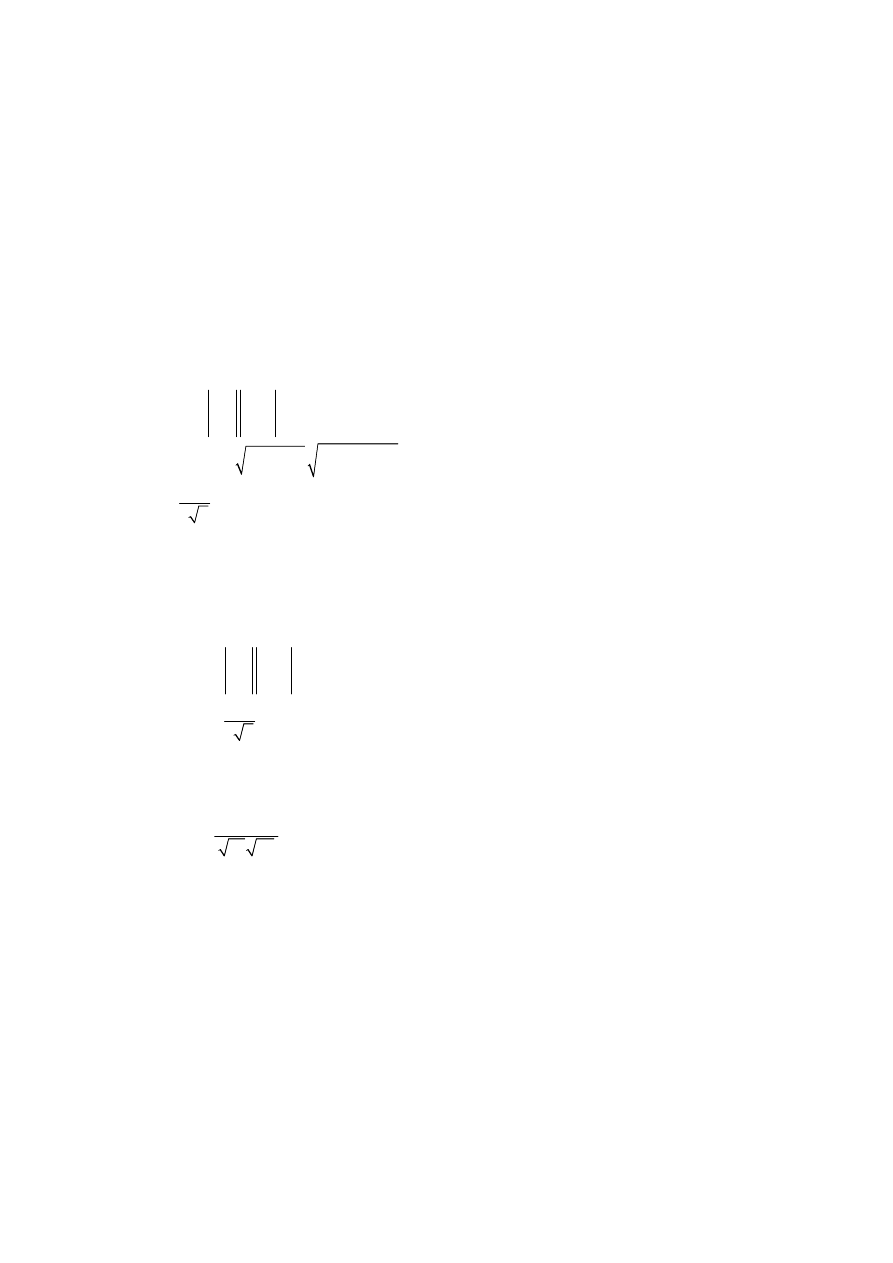
Calculate the acute angle between the lines with equations
4
4
1
3
s
⎛ ⎞
⎛ ⎞
=
+
⎜ ⎟
⎜ ⎟
−
⎝ ⎠
⎝ ⎠
r
and
2
1
4
1
t
⎛ ⎞
⎛ ⎞
=
+
⎜ ⎟
⎜ ⎟
−
⎝ ⎠
⎝ ⎠
r
.
Markscheme
Angle between lines = angle between direction vectors. (May be implied)
(A1)
Direction vectors are
4
3
⎛ ⎞
⎜ ⎟
⎝ ⎠
and
1
1
⎛ ⎞
⎜ ⎟
−
⎝ ⎠
. (May be implied)
(A1)
4
1
4
1
cos
3
1
3
1
θ
⎛ ⎞ ⎛ ⎞ ⎛ ⎞ ⎛ ⎞
=
⎜ ⎟ ⎜ ⎟ ⎜ ⎟ ⎜ ⎟
−
−
⎝ ⎠ ⎝ ⎠ ⎝ ⎠ ⎝ ⎠
i
(M1)
4 1 3 ( 1)
× + × − =
(
)
( )
(
)
2
2
2
2
4
3
1
1
cos
θ
+
+ −
(A1)
1
cos
5 2
θ
=
(= 0.1414….)
(A1)
81.9
θ
=
(1.43 radians)
(A1) (N3)
Examples of solutions and marking
Solutions
Marks
allocated
1.
4
1
4
1
cos
3
1
3
1
7
cos
5 2
8.13
θ
θ
θ
⎛ ⎞ ⎛ ⎞ ⎛ ⎞ ⎛ ⎞
=
⎜ ⎟ ⎜ ⎟ ⎜ ⎟ ⎜ ⎟
−
−
⎝ ⎠ ⎝ ⎠ ⎝ ⎠ ⎝ ⎠
=
=
i
(A1)(A1) implied
(M1)
(A0)(A1)
(A1)ft
Total 5 marks
2.
cos
θ
4
2
1
4
17 20
⎛ ⎞ ⎛ ⎞
⎜ ⎟ ⎜ ⎟
−
⎝ ⎠ ⎝ ⎠
=
i
(A0)(A0) wrong vectors implied
(M1) for correct method, (A1)ft
0.2169
=
(A1)ft
77.5
θ
=
(A1)ft
Total 4 marks
3.
81.9
θ
=
(N3)
Total 3 marks
Note that this candidate has obtained the correct answer, but not shown any working. The way the
markscheme is written means that the first 2 marks may be implied by subsequent correct working,
but the other marks are only awarded if the relevant working is seen. Thus award the first 2 implied
marks, plus the final mark for the correct answer.
END OF EXAMPLES
- 8 -
N05/5/MATHL/HP2/ENG/TZ0/XX/M+
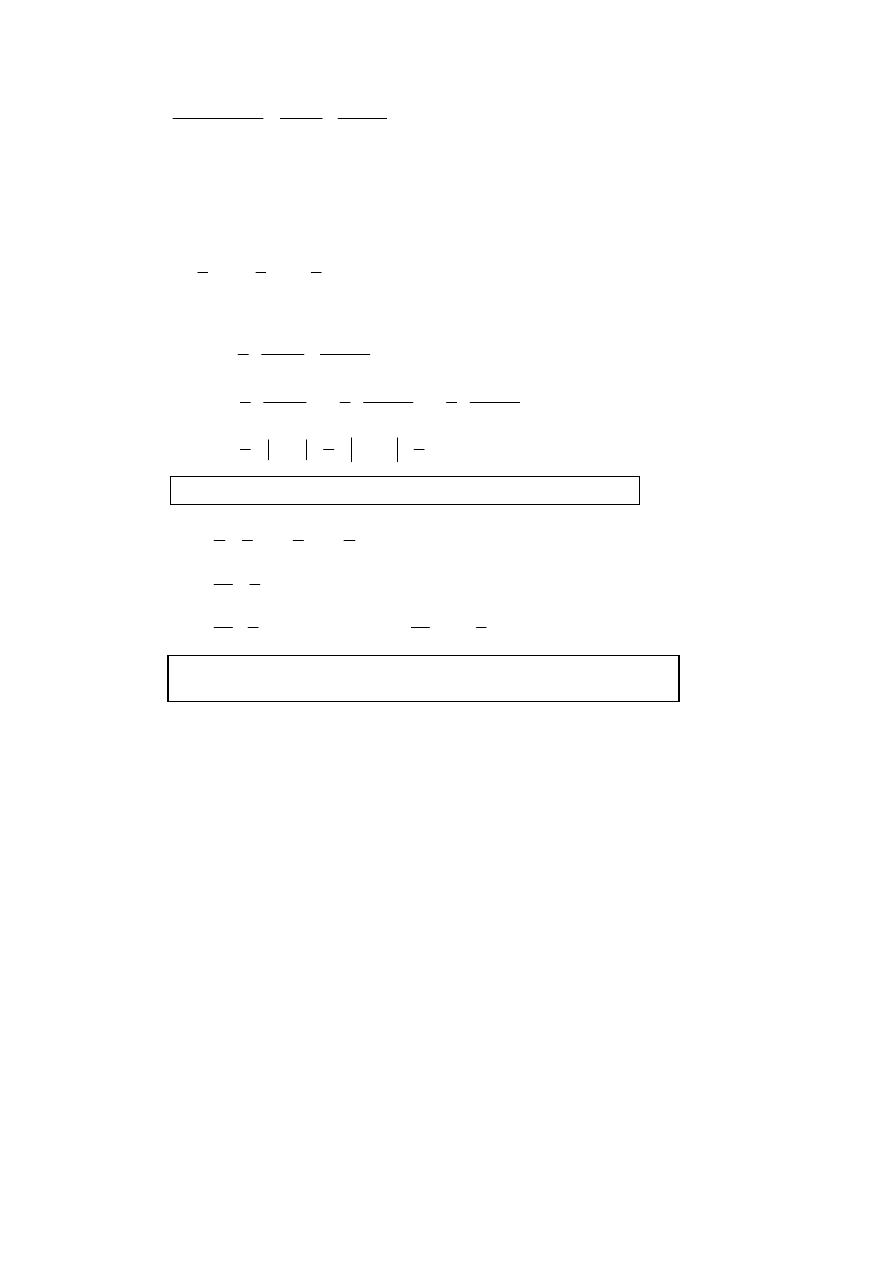
1. (a)
2
2
2
(1
)(1
)
(1
) (1
)
x
a
bx c
x
x
x
x
+
≡
+
+
+
+
+
2
2
(1
) (
)(1
)
x
a
x
bx c
x
≡
+
+
+
+
(M1)(A1)
1
, 0
, 0
a b
a c
b c
= +
= +
= +
Solving
gives
1 2a
=
1
1
1
,
2
2
2
a
b
c
= ⇒ =
= − .
(A1)(A1)(A1) (N2)
[5 marks]
(b)
(i)
2
1
1
1
d
2 (1
)
(1
)
x
I
x
x
x
−
=
+
+
+
∫
2
2
1
1
1
2
1
d
d
d
2 (1
)
4 (1
)
2 (1
)
x
x
x
x
x
x
x
=
+
−
+
+
+
∫
∫
∫
(M1)
2
1
1
1
ln 1
ln 1
arctan
2
4
2
x
x
x k
=
+
+
+
−
+
(A1)(A1)(A1)
Note: Do not penalize the absence of k, or the absolute value signs.
(ii)
1
1
ln 2
ln 2
4
2
4
8
k
π
π
=
+
− +
(M1)(A1)
3
3
ln 2
8
4
k
π
=
+
3
3
ln 2
8
4
k
π
−
=
(accept
3
3
,
,
2
8
4
p
q
r
π
=
= −
= )
(A1) (N1)
Note: I is not unique. Accept equivalent expressions which may lead to
different
values
of
p, q, r.
[7 marks]
Total [12 marks]

- 9 -
N05/5/MATHL/HP2/ENG/TZ0/XX/M+
2.
(i) (a)
1
3
det
4
5
1
1(5
1)
(4
1) 3( 4 5)
1
1
k
k
k k
k
−
−
=
= −
+ +
− + − −
−
M
(M1)
2
5
1 4
27
k
k
k
= − − +
− −
2
4
6
28
k
k
=
−
−
(A1) (N1)
[2 marks]
(b) For there not to be a unique solution
2
4
6
28 0
k
k
−
−
=
(M1)
(2
7)(
2) 0
k
k
−
+
=
7
, 2
2
k
=
− (A1)(A1)
(N2)
[3 marks]
(ii)
(a) A vector in the plane is
1
1
0
1
2
3
5
3
2
⎛ ⎞ ⎛
⎞ ⎛ ⎞
⎜ ⎟ ⎜
⎟ ⎜ ⎟
− − =
⎜ ⎟ ⎜
⎟ ⎜ ⎟
⎜ ⎟ ⎜
⎟ ⎜ ⎟
⎝ ⎠ ⎝
⎠ ⎝ ⎠
(M1)(A1) (N1)
Normal vector to plane is
0
2
12
3
3
4
2
6
6
⎛ ⎞ ⎛ ⎞ ⎛
⎞
⎜ ⎟ ⎜ ⎟ ⎜
⎟
×
=
⎜ ⎟ ⎜ ⎟ ⎜
⎟
⎜ ⎟ ⎜ ⎟ ⎜
⎟
−
⎝ ⎠ ⎝ ⎠ ⎝
⎠
(M1)(A1) (N1)
Equation of plane is
6
1
6
2
2
2
3
3
3
⎛
⎞ ⎛
⎞ ⎛
⎞
⎜
⎟ ⎜
⎟ ⎜
⎟
= −
⎜
⎟ ⎜
⎟ ⎜
⎟
⎜
⎟ ⎜
⎟ ⎜
⎟
−
−
⎝
⎠ ⎝
⎠ ⎝
⎠
i
i
r
6
2
6 4 9
3
⎛
⎞
⎜
⎟ = − −
⎜
⎟
⎜
⎟
−
⎝
⎠
i
r
(M1)(A1)
6
2
7
3
⎛
⎞
⎜
⎟ = −
⎜
⎟
⎜
⎟
−
⎝
⎠
i
r
(A1)
6
2
3
7
x
y
z
⇒
+
−
= −
(AG)
(N0)
[7 marks]
continued …
- 10 -
N05/5/MATHL/HP2/ENG/TZ0/XX/M+
Question 2 (ii) continued
(b) METHOD 1
Any point P on normal from origin O to plane is (6 , 2 , 3 )
k
k
k
−
(M1)
Distance
2
2
2
OP
6
2
( 3)
7
k
k
=
+
+ −
=
(A1)
P lies on plane
6(6 ) 2(2 ) 3( 3 )
7
k
k
k
+
− −
= −
36
4
9
7
k
k
k
+
+
= −
1
7
k
= −
(A1)
Distance
1
7
1
7
= × −
=
(A1) (N2)
METHOD
2
Using distance
0
0
0
2
2
2
ax
by
cz
d
a
b
c
+
+
+
=
+
+
(M1)
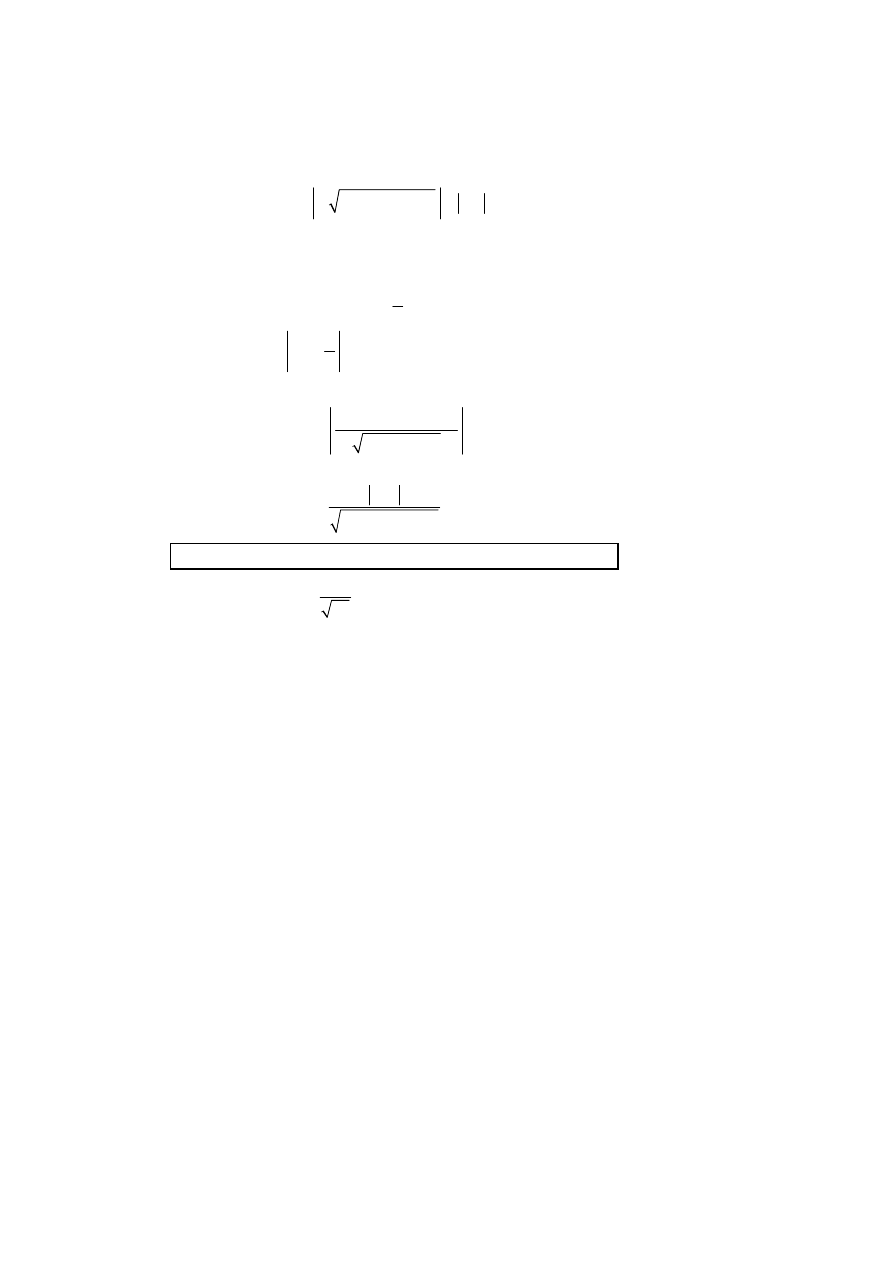
0
0
0
( ,
,
)
x y z
is (0, 0, 0)
distance
2
2
2
7
6
2
( 3)
−
=
+
+ −
(A1)(A1)
Note: Award (A1) for the numerator, (A1) for the denominator.
distance
7
1
49
=
=
(A1) (N2)
[4 marks]
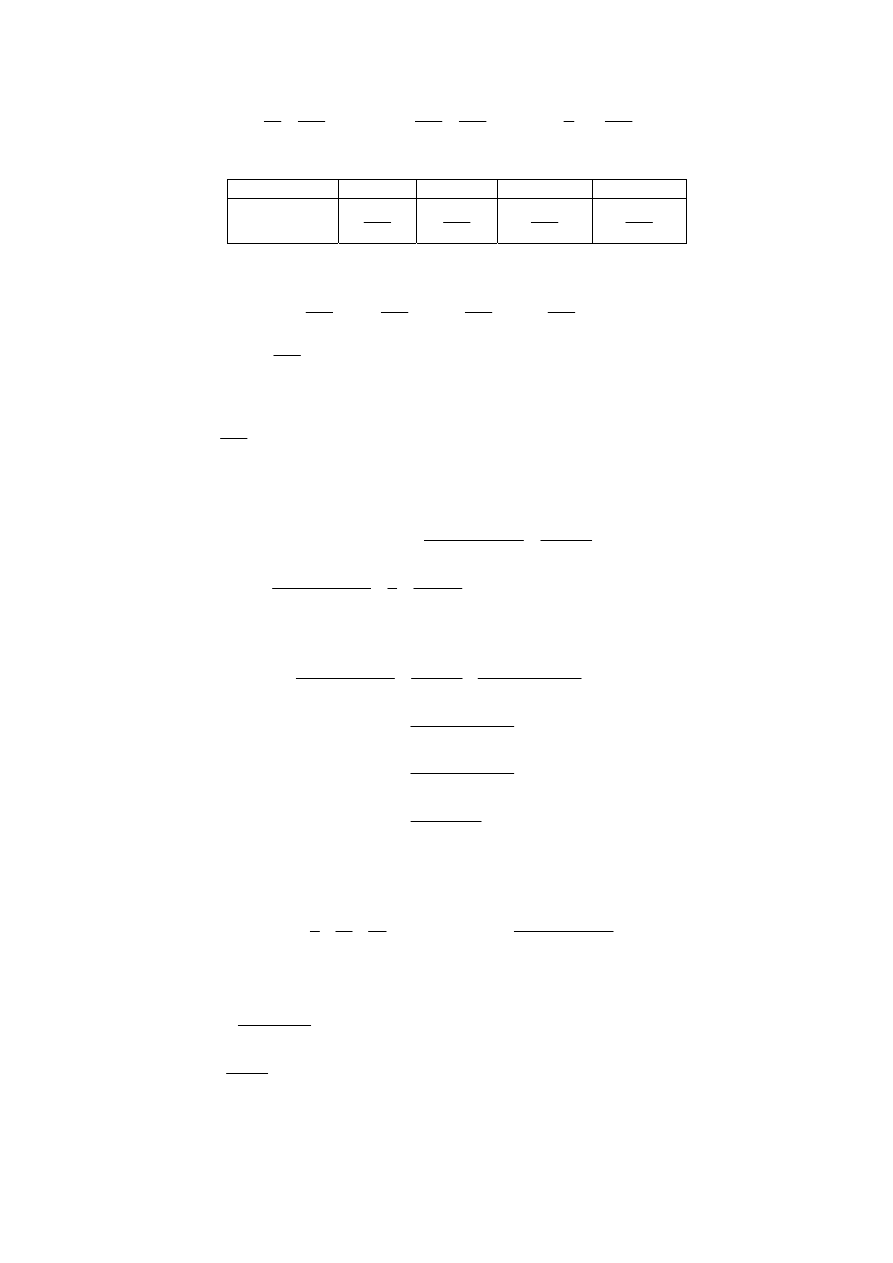
Total [16 marks]
- 11 -
N05/5/MATHL/HP2/ENG/TZ0/XX/M+
3.
(i) (a)
3
1
1
5
15
P (3 )
; P (2 ) 3
;
6
216
216
216
n
n
=
=
= ×
=
3
5
125
P (
)
6
216
n
⎛ ⎞
− =
=
⎜ ⎟
⎝ ⎠
(M1)
[4 marks]
(b)
125
75
15
1
E ( ) (
)
( )
(2 )
(3 )
216
216
216
216
X
n
n
n
n
= − ×
+
×
+
×
+
×
(M1)(A1)
17
216
n
= −
(AG) (N0)
[2 marks]
(c)
17
0.34
216
n
−
= −
(M1)
4.32
n
=
(accept $ 4.32) (A1)
(N1)
[2 marks]
(ii)
(a)
Let P ( )
n
be the proposition
1
1
(2
1)(2
1)
(2
1)
n
r
n
r
r
n
=
=
−
+
+
∑
1
1
1
1
1
P (1) :
(2
1)(2
1)
3
2(1) 1
r
r
= =
−
+
+
∑
so P (1) is true
(M1)
Assume
that
P ( )
k
is true
1
1
1
1
P (
1) :
(2
1)(2
1)
(2
1) (2
1)(2
3)
k
k
k
r
r
k
k
k
+
+
=
+
−
+
+
+
+
∑
(M1)(A1)
(2
3) 1
(2
1)(2
3)
k k
k
k
+ +
=
+
+
(A1)
(
1)(2
1)
(2
1)(2
3)
k
k
k
k
+
+
=
+
+
(
1)
(2
1) 1
k
k
+
=
+ +
(A1)
Therefore P (1) is true and P ( )
P(
1)
k
k
⇒
+ so P( )
n
is true n
+
∀ ∈
. (R1)
[6 marks]
(b) Checking
that
1
1
1
3 15 35
+
+
is the same as
1
1
(2
1)(2
1)
n
r
r
r
=
−
+
∑
(M1)
(e.g.
substitute 1,2
r
=
)
Sum is therefore sum of (
1)
n
+ terms
(M1)
i.e.
(
1)
2(
1) 1
n
n
+
+ +
(A1)
1
2
3
n
n
+
=
+
(AG)
[3 marks]
Total [17 marks]
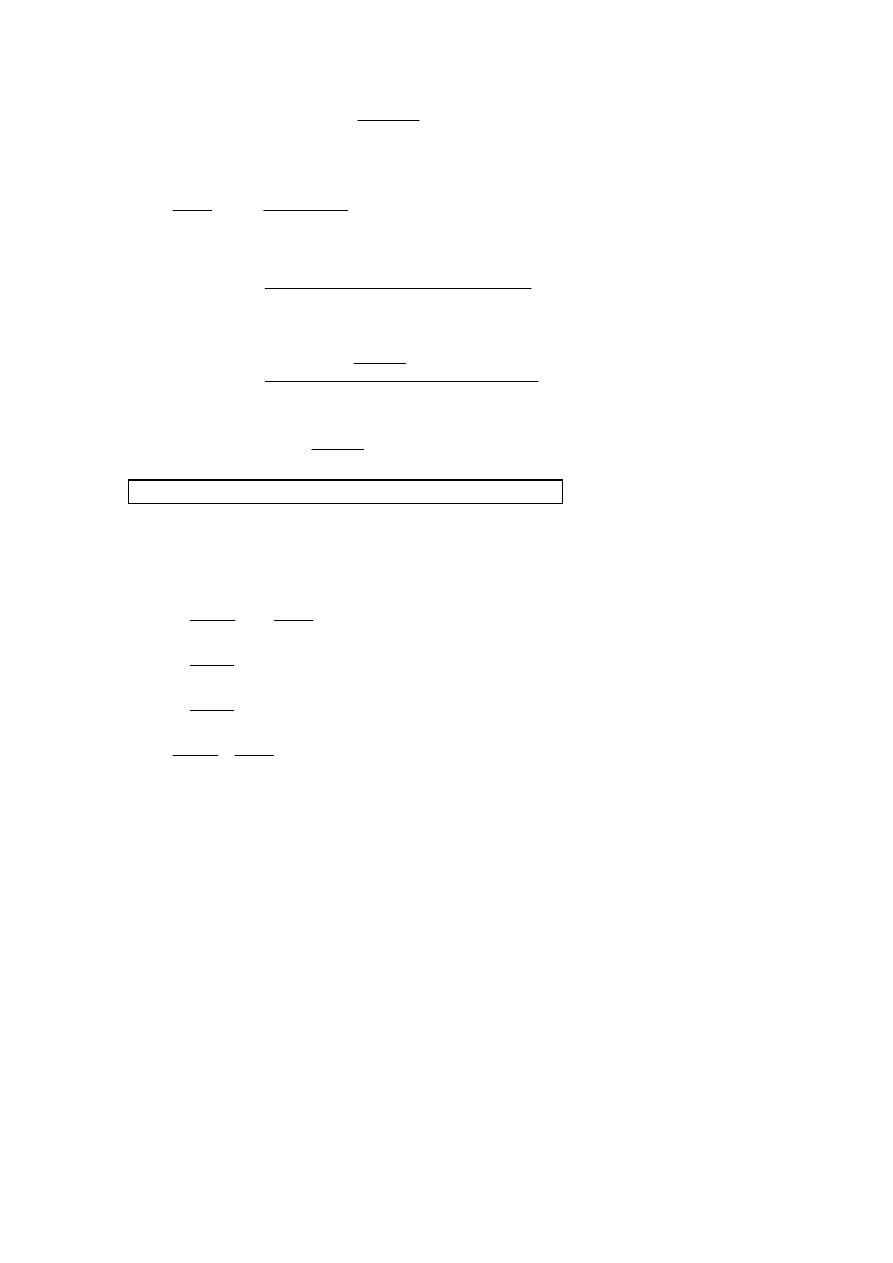
Profit
n
−
n
2n
3n
Probability
125
216
75
216
15
216
1
216
(A1)(A1)(A1) (N3)
- 12 -
N05/5/MATHL/HP2/ENG/TZ0/XX/M+
4.
(a)
th
r
term
!
=
!(
)!
r
n r
r
n r
n
n
x h
x h
n r
r n r
−
−
⎛
⎞
⎛
⎞
=
⎜
⎟
⎜
⎟
−
−
⎝
⎠
⎝
⎠
(A1)
[1
mark]
(b)
0
d ( )
(
)
lim
d
n
n
n
h
x
x h
x
x
h
→
⎛
⎞
+
−
=
⎜
⎟
⎝
⎠
(M1)
1
2
2
0
...
1
2
lim
n
n
n
n
n
h
n
n
x
x h
x
h
h
x
h
−
−
→
⎛
⎞
⎛ ⎞
⎛ ⎞
+
+
+ +
−
⎜
⎟
⎜ ⎟
⎜ ⎟
⎝ ⎠
⎝ ⎠
⎜
⎟
=
⎜
⎟
⎜
⎟
⎜
⎟
⎝
⎠
(A1)
1
2
2
0
(
1)
...
2
lim
n
n
n
n
n
h
n n
x
nx h
x
h
h
x
h
−
−
→
−
⎛
⎞
+
+
+ +
−
⎜
⎟
=
⎜
⎟
⎜
⎟
⎝
⎠
(A1)
1
2
1
0
(
1)
lim
...
2
n
n
n
h
n n
nx
x
h
h
−
−
−
→
−
⎛
⎞
=
+
+ +
⎜
⎟
⎝
⎠
(A1)
Note: Accept first, second and last terms in the 3 lines above.
1
n
nx
−
=
(A1)
[5 marks]
(c)
1
n
n
x
x
−
×
=
d (
)
d ( )
0
d
d
n
n
n
n
x
x
x
x
x
x
−
−
+
= (M1)
1
d (
)
0
d
n
n
n
n
x
x
x
nx
x
−
−
−
+
×
=
(A1)
1
d (
)
0
d
n
n
x
x
nx
x
−
−
+
=
(A1)
(
)
1
(1
)
d (
)
d
n
n
n
x
nx
nx
x
x
−
−
− +
−
=
= −
(A1)
[4 marks]
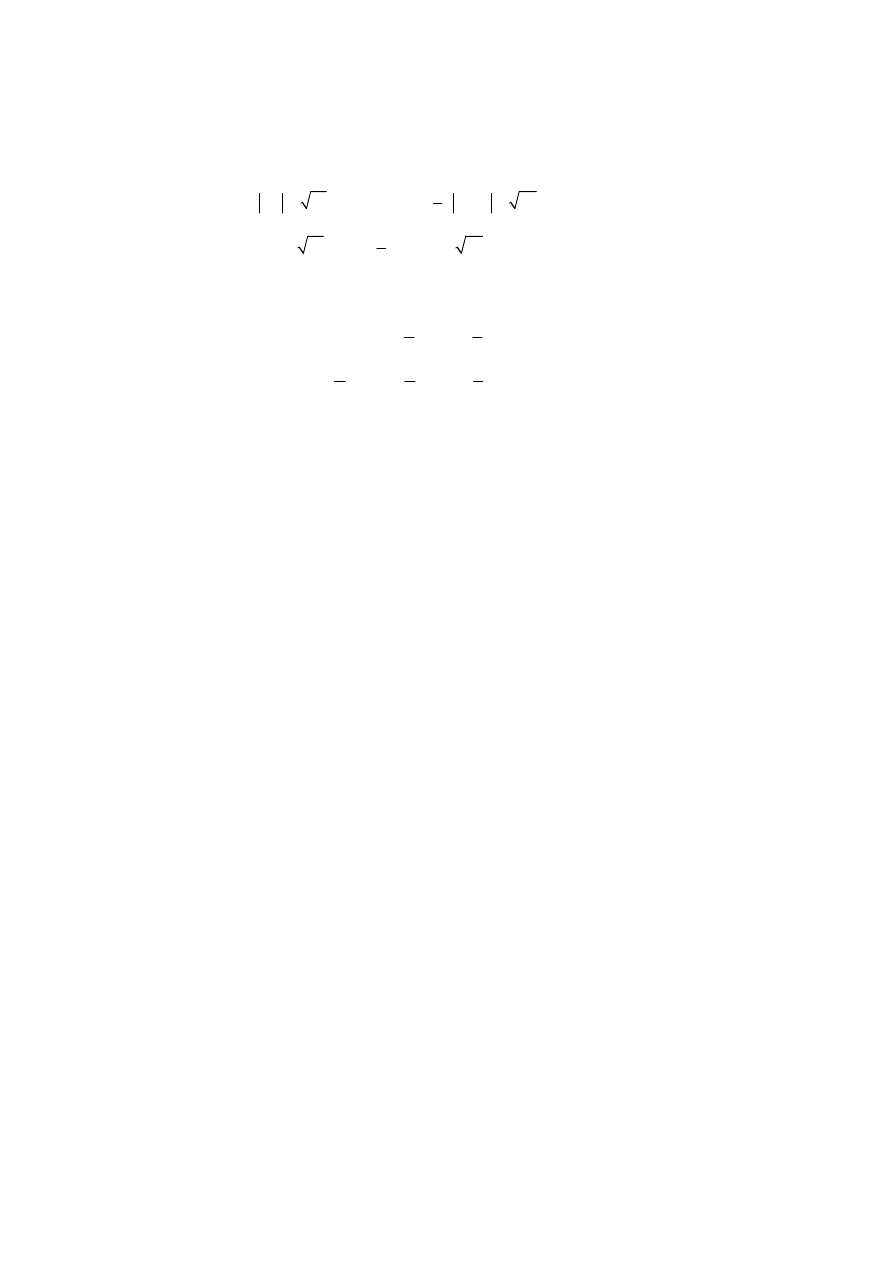
Total [10 marks]
- 13 -
N05/5/MATHL/HP2/ENG/TZ0/XX/M+
5.
(i) (a)
1
2 i
z
= + and
2
3 i
z
= +
1 2
(2 i)(3 i) 5 5i
z z
=
+
+ = +
(A1)
[1 mark]
(b)
(i)
2
2
1 2
1 2
1
10 , arg
arctan ,
50 , arg
arctan1
3
z
z
z z
z z
=
=
=
=
(M1)
(
)
2
1 2
1
10 , arctan
,
50 , arctan1
3
z
z z
⎛
⎞
=
=
⎜
⎟
⎝
⎠
(A1)(A1) (N3)
(ii)
Also
1 2
1
2
arg
arg
arg
z z
z
z
=
+
(M1)
1
1
arctan1 arctan
arctan
2
3
=
+
(A1)
1
1
arctan
arctan
4
2
3
π
=
+
(AG)
(N0)
[5
marks]
continued …
- 14 -
N05/5/MATHL/HP2/ENG/TZ0/XX/M+
Question 5 continued
(ii)
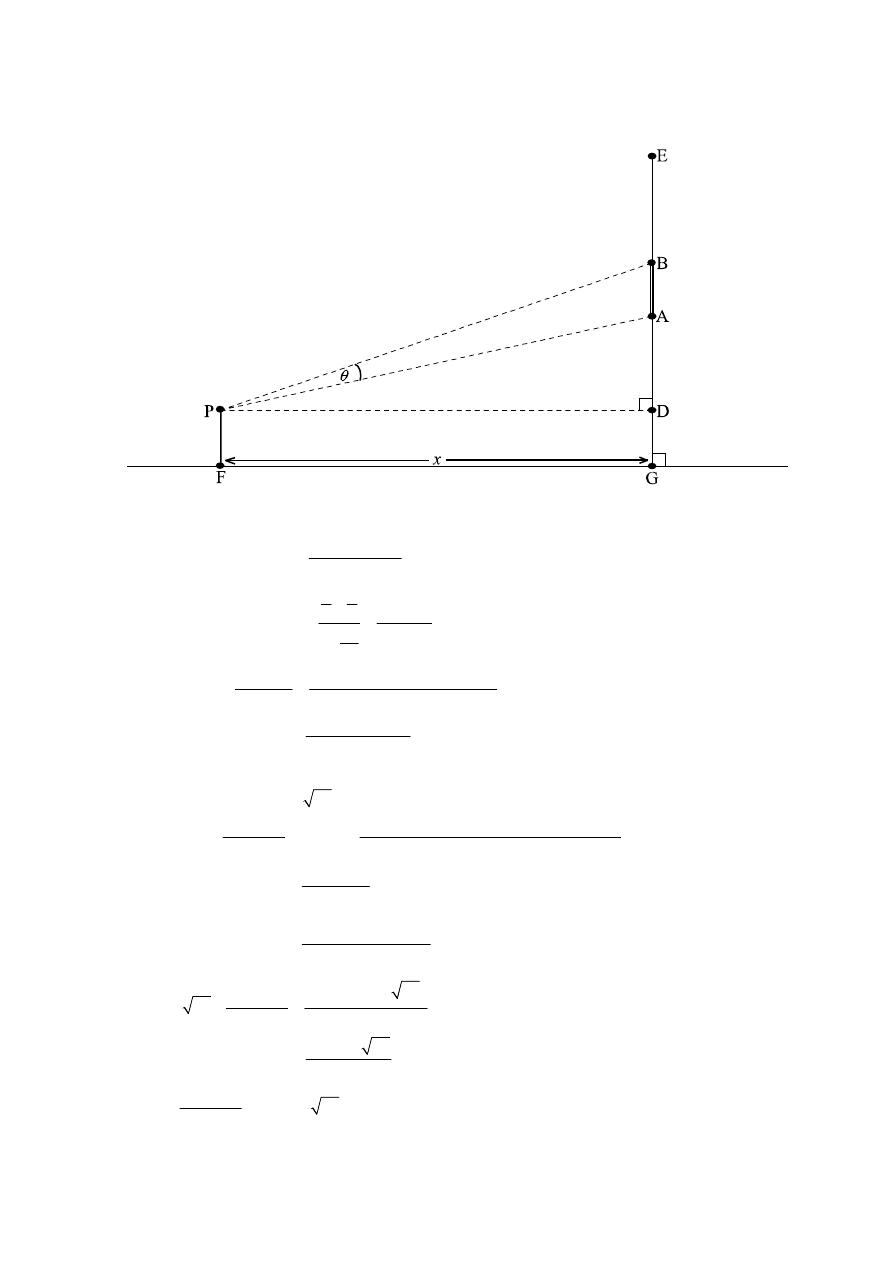
Let BP D
α
= and APD
β
= then
θ α β
= − .
tan
tan
tan
tan (
)
1 tan tan
α
β
θ
α β
α
β
−
=
−
=
+
(M1)
2
2
(
)
=
1
b a
b a x
x
x
ab
x
ab
x
−
−
=
+
+
(A1)
2
2
2
2
d ( tan )
(
)(
) (
) 2
d
(
)
x
ab b a
b a x
x
x
ab
θ
+
− − −
=
+
(M1)
2
2
2
(
)(
)
=
(
)
b a ab x
x
ab
−
−
+
(A1)
at maximum
2
(
) 0
ab x
−
= , b a
≠
x
ab
=
(A1)
2
2
2
2
2
2
2
4
d (tan )
(
) ( 2 ) 4 (
)(
)
(
)
d
(
)
x
ab
x
x ab x
x
ab
b a
x
x
ab
θ
⎡
⎤
+
−
−
−
+
=
−
⎢
⎥
+
⎣
⎦
(M1)
(
)
3
3
3
2
(
)
2
2
4
4
b a
x
xab
xab
x
x
ab
−
⎡
⎤
=
−
−
−
+
⎣
⎦
+
(
)
3
3
2
(
)(2
6
)
b a
x
xab
x
ab
−
−
=
+
(A1)
at x
ab
=
,
(
)
2
2
3 3
(
) 4
d (tan )
d
8
b a
ab ab
x
a b
θ
−
−
=
2 2
(
)
2
b a
ab
a b
− −
=
(A1)
since
2
2
d (tan )
0 at
d
x
ab
x
θ
<
=
this value is a maximum.
(R1)
[9 marks]
Total [15 marks]

- 15 -
N05/5/MATHL/HP2/ENG/TZ0/XX/M+
6.
(i) (a)
E (2 ) 2E ( ) 2(5) 10
X
X
=
=
=
(A1)
(b)
Var (2 ) 4Var ( ) 12
X
X
=
=
(A1)
(c)
E (3
2 ) 3E ( ) 2E ( ) 3(5) 2(4) 7
X
Y
X
Y
−
=
−
=
−
=
(A1)
(d)
Var (3
2 ) 9 Var ( ) 4 Var ( ) 9(3) 4(2) 35
X
Y
X
Y
−
=
+
=
+
=
(A1)
[4 marks]
(ii)
(a)
METHOD 1
Sample 1 : Mean 9.315 9.32
=
=
(3 s.f.)
(A1)
Variance 0.0171
=
(
3 s.f.)
(A1)
Sample 2 :
669.6
Mean
9.3
72
=
=
(A1)
Variance
2
6228
(9.3)
72
=
−
(A1)
0.01
=
Hence pooled estimate for population mean
1 1
2 2
1
2
n x
n x
n
n
+
=
+
85(9.315) 72(9.3)
85 72
+
=
+
9.31
=
(3 s.f.)
(A1)
Hence pooled estimate for population variance
2
2
1 1
2 2
1
2
2
n s
n s
n
n
+
=
+ −
(M1)
85(0.0171) 72(0.01)
155
+
=
(A1)
0.0140
=
(3 s.f.)
[7 marks]
METHOD 2
Since the samples are drawn from the same population it is also possible
to combine the two samples into one for an estimate of population mean
and variance.
1
791.8
x
=
∑
and
2
669.6
x
=
∑
1461.4
x
⇒
=
∑
(A1)
1461.4
9.31
157
x
⇒ =
=
(A1)
2
1
7377.3
x
=
∑
and
2
2
6228
x
=
∑
2
13 605.3
x
⇒
=
∑
(A1)
Now
2
2
2
n
x
x
s
n
n
⎛
⎞
=
− ⎜
⎟
⎜
⎟
⎝
⎠
∑
∑
2
2
13 605.3
(9.3083)
0.01388...
157
n
s
⇒
=
−
=
(M1)(A1)
2
2
1
0.01396... 0.0140
1
n
n
n
s
s
n
−
⇒
=
=
=
−
(3 s.f.)
(M1)(A1)
[7 marks]
continued…
- 16 -
N05/5/MATHL/HP2/ENG/TZ0/XX/M+
Question 6 (ii) continued
(b)
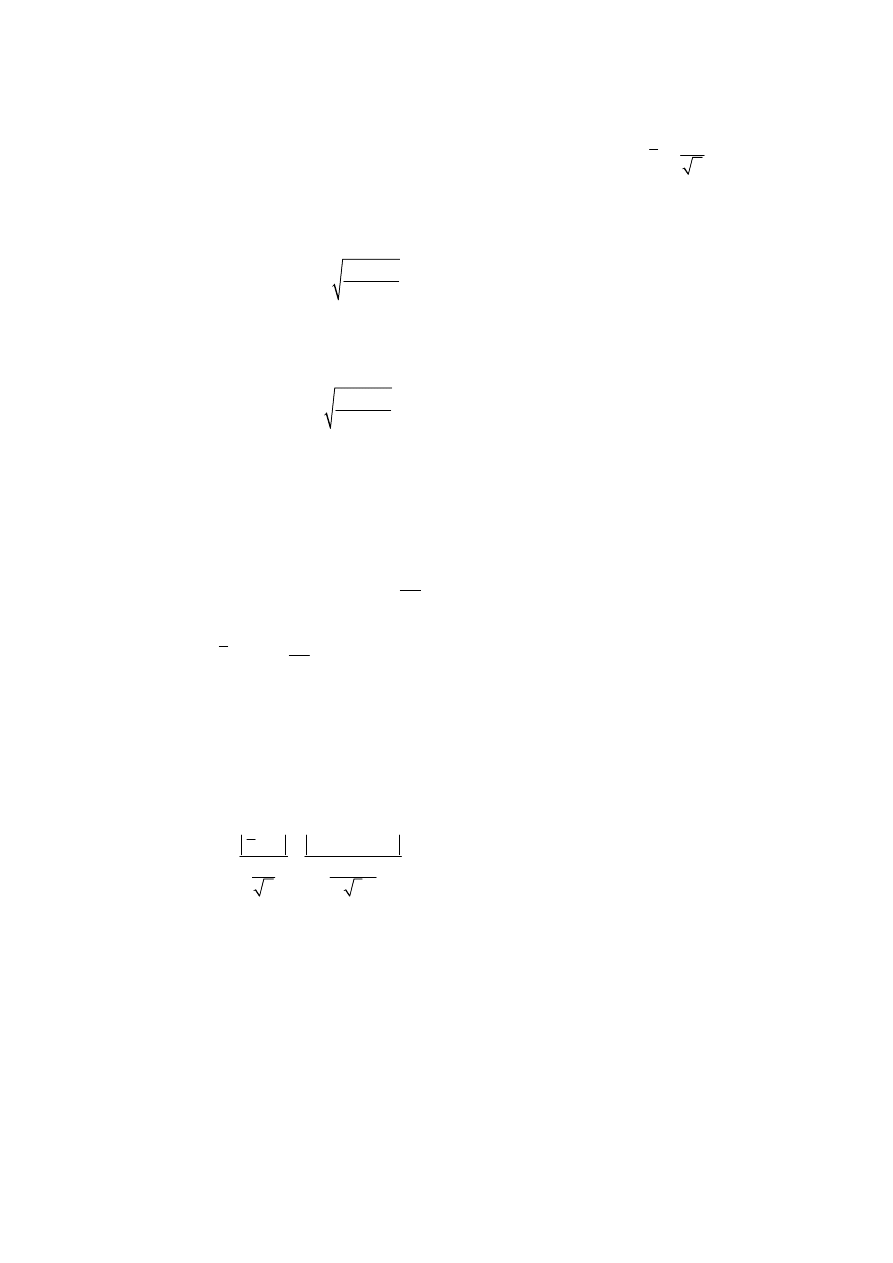
Since population variance unknown confidence interval given by
1
n
s
x t
n
−
±
(R1)
Degrees of freedom are 155 (Method 1); 156 (Method 2)
EITHER
1.975
t
=
(A1)
CI is
0.01396
9.31 1.975
157
±
(A1)
]9.29, 9.33[
=
(A1)
OR
Since
n large, use
1.96
z
=
(A1)
CI is
0.01396
9.31 1.96
157
±
(A1)
]9.29, 9.33[
=
(A1)
[4 marks]
(iii) (a)
2
N ( ,
)
X
µ σ
∼
EITHER
The sample mean is normally distributed
(R1)
with mean
µ
and variance
2
n
σ
(R1)
OR
2
N
,
X
n
σ
µ
⎛
⎞
⎜
⎟
⎝
⎠
∼
(R1)(R1)
[2 marks]
(b)
0
H
: Mean,
1.005
µ
=
,
2
H :
1.005
µ
≠
(A1)
A two-tail z-test is appropriate since
σ
is given
(R1)
EITHER
Sample mean is 1.003
(A1)
1.003 1.005
0.0028
8
x
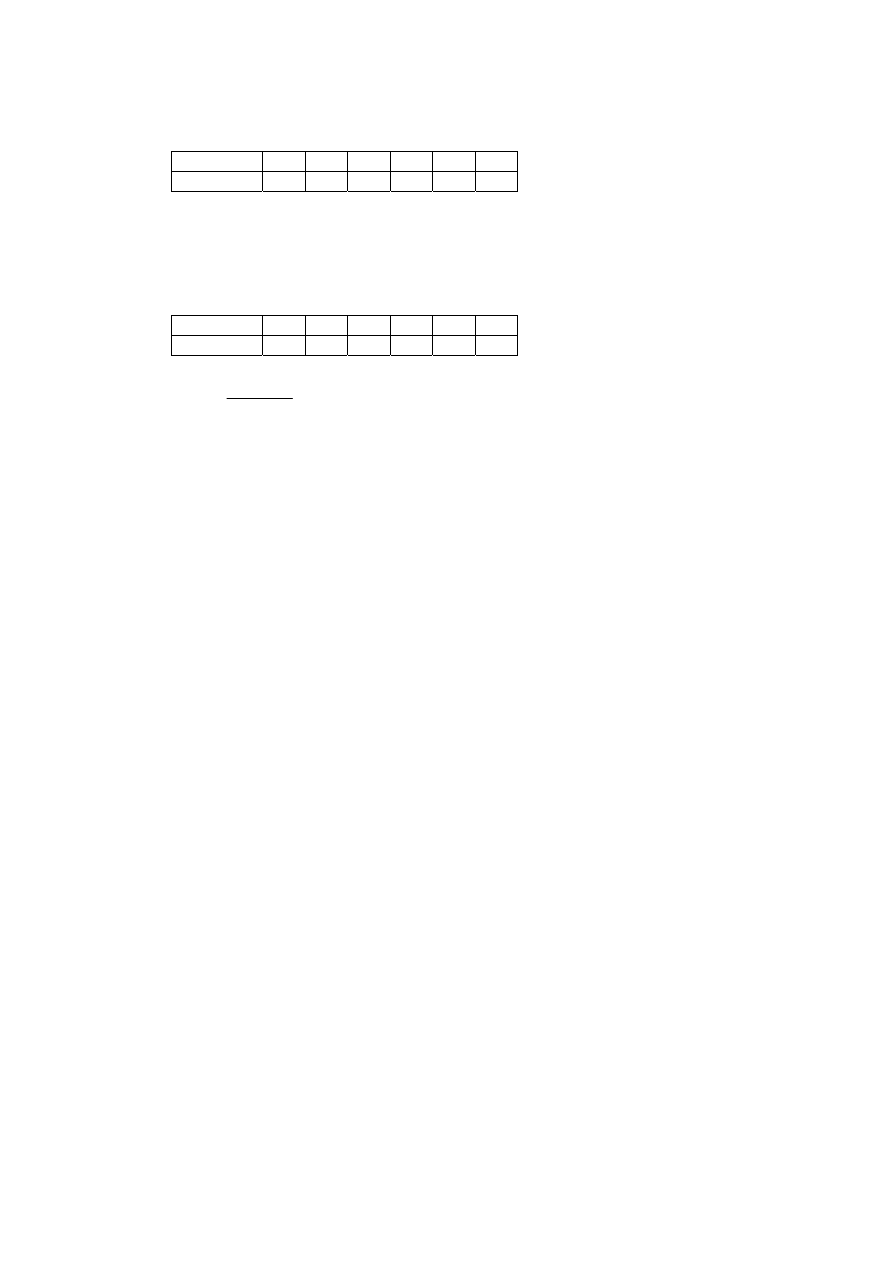
z
n
µ
σ
−
−
=
=
(M1)
2.02
=
(A1)
Critical z value for 1 % test is 2.58
(A1)
Result is not significant, mean is 1.005.
(A1)
OR
using gdc
2.02
z
= −
(A2)
0.0434
p
=
(A2)
Result is not significant. Accept
0
H
, mean is 1.005.
(A1)
[7 marks]
continued…
- 17 -
N05/5/MATHL/HP2/ENG/TZ0/XX/M+
Question 6 continued
(iv)
Score
1 2 3 4 5 6
Frequency 45 57 51 56 47 44
0
H
: Die is fair.
1
H
: Die is not fair.
(A1)
Since 300 throws expect 50 outcomes of each score
(A1)
Observed 45 57 51 56 47 44
Expected 50 50 50 50 50 50
2
2
(
)
o
e
e
f
f
f
χ
−
=
∑
(M1)
3.12
=
(A1)
From table
2
χ
(critical value at 5 % level) with (degrees of freedom = 5)
is
11.07
(A1)
Since
2
11.07
calc
χ
<
Result is not significant, die is fair.
(R1)
[6 marks]
Total [30 marks]
- 18 -
N05/5/MATHL/HP2/ENG/TZ0/XX/M+
7.
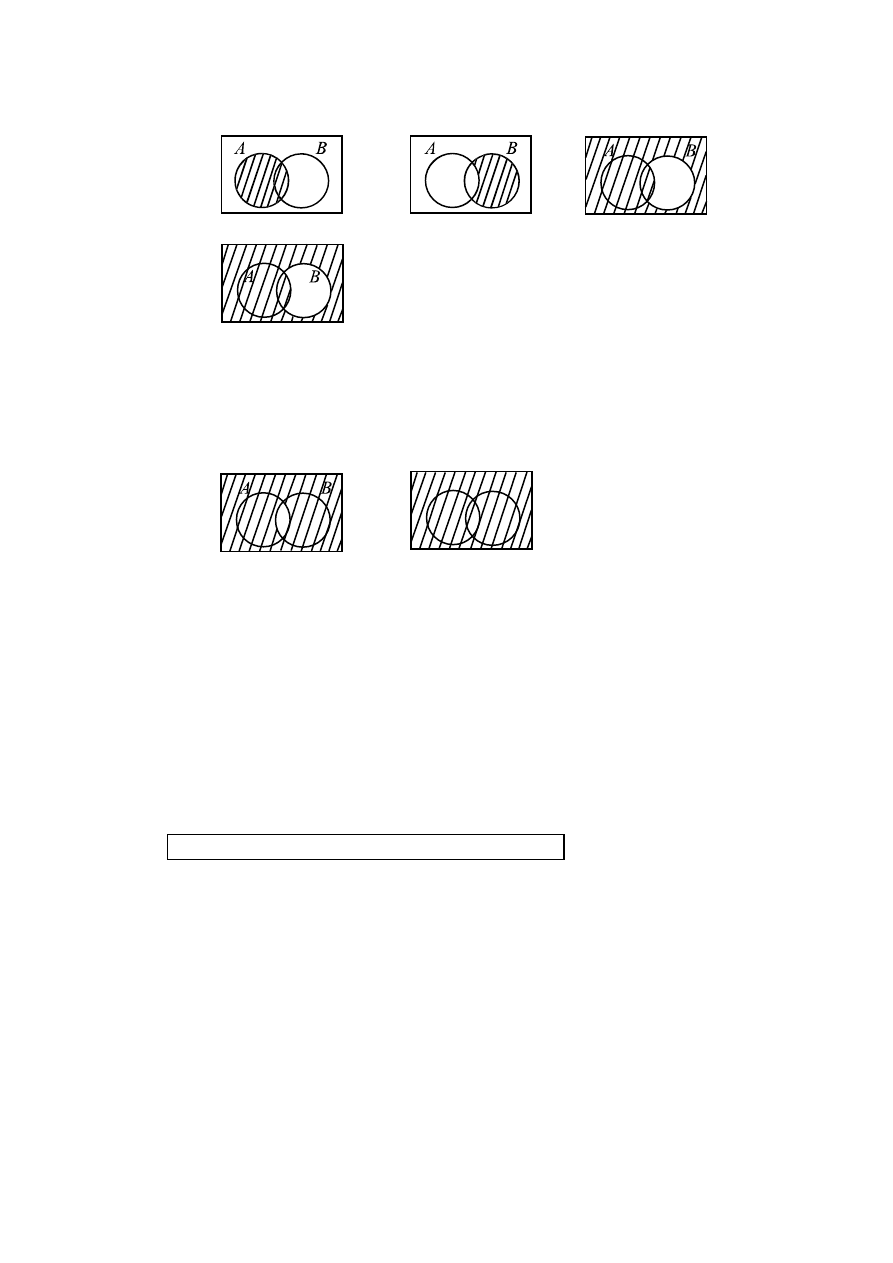
(i) (a)
(
)
A
B
A′ ′
∪
∩
A
B
A′
∩
(
)
A
B
A′ ′
∪
∩
A B′
∪
Hence
(
)
A
B
A
A B
′ ′
′
∪
∩
= ∪
(AG)
[2 marks]
(b)
(
)
(
)
A B
B ′
′
∩
∪
= ∅
(
)
A B ′
∩
(
)
A B
B
′
∩
∪
everything shaded
(R1)
(
)
(
)
A B
B ′
′
⇒
∩
∪
= ∅
(AG)
[2 marks]
(ii)
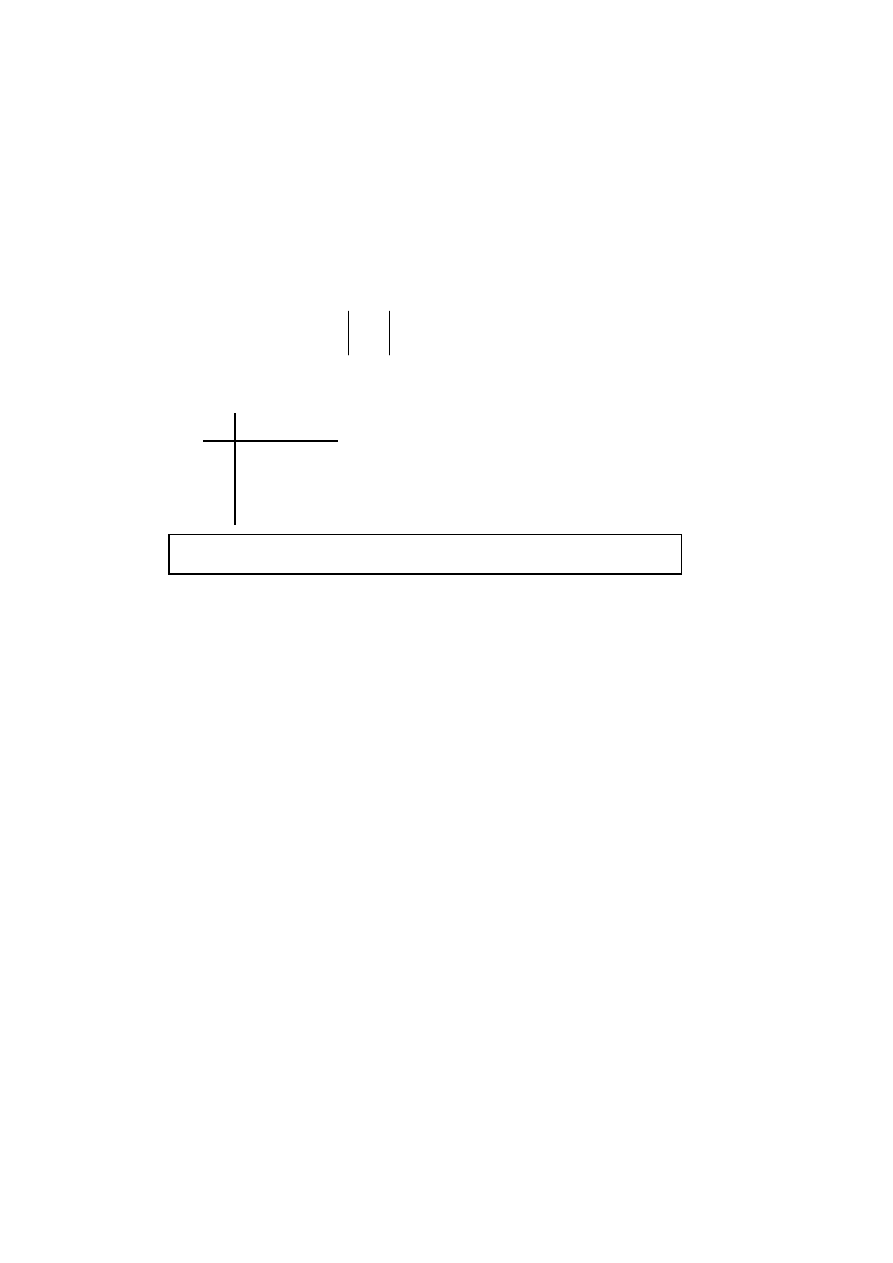
(a)
( , )
M
+ is not a group since
1
1
2 2
0 1
0 1
0
2
x
x
x
⎛
⎞ ⎛
⎞ ⎛
⎞
+
=
⎜
⎟ ⎜
⎟ ⎜
⎟
⎝
⎠ ⎝
⎠ ⎝
⎠
2 2
0
2
x
M
⎛
⎞
∉
⎜
⎟
⎝
⎠
We do not have closure.
(R1)
Note: Any counter example will do, x term not needed.
[1 mark]
continued…
and
⇒
⇒
(A1)
(M1)(A1)
- 19 -
N05/5/MATHL/HP2/ENG/TZ0/XX/M+
Question 7 (ii) continued
(b)
Under matrix product
1
1
1
0 1 0 1
0
1
x
y
x y
+
⎛
⎞⎛
⎞ ⎛
⎞
=
⎜
⎟⎜
⎟ ⎜
⎟
⎝
⎠⎝
⎠ ⎝
⎠
and
1
0
1
x y
M
+
⎛
⎞
∈
⇒
⎜
⎟
⎝
⎠
closure.
(A1)
1
1
1
0 1
0 1
0
1
y
x
y x
+
⎛
⎞⎛
⎞ ⎛
⎞
=
⎜
⎟⎜
⎟ ⎜
⎟
⎝
⎠⎝
⎠ ⎝
⎠
hence operation is commutative
(A1)
There is an identity element
1 0
0 1
M
⎛
⎞
∈
⎜
⎟
⎝
⎠
(A1)
Inverses exist since
1
0
0 1
x
≠ and
1
1
1
0 1
0
1
x
x
M
−
−
⎛
⎞
⎛
⎞
=
∈
⎜
⎟
⎜
⎟
⎝
⎠
⎝
⎠
(M1)(A1)
Hence M forms an abelian group.
(AG)
[5 marks]
(iii)
(a)
(A
Note: Award (A3) if one error, (A2) if 2 errors, (A1) if 3 errors, (A0) for
4 or more errors in table.
[4 marks]
(b)
(i)
using
inverse
elements
( # )
b x c a d a
∗ ∗ = ∗
#
b x a
⇒
=
(A1)
# #
#
d b x d a
⇒
=
x d
⇒ =
(A1)
(ii)
( # )
a
x b c a b a
∗
∗ ∗ = ∗
( # )
a
x b
c
⇒ ∗
=
(A1)
( # )
c a
x b
c c
⇒ ∗ ∗
= ∗
#
x b b
⇒
=
(A1)
# #
#
x b d b d
⇒
=
x a
⇒ =
(A1)
[5
marks]
continued …
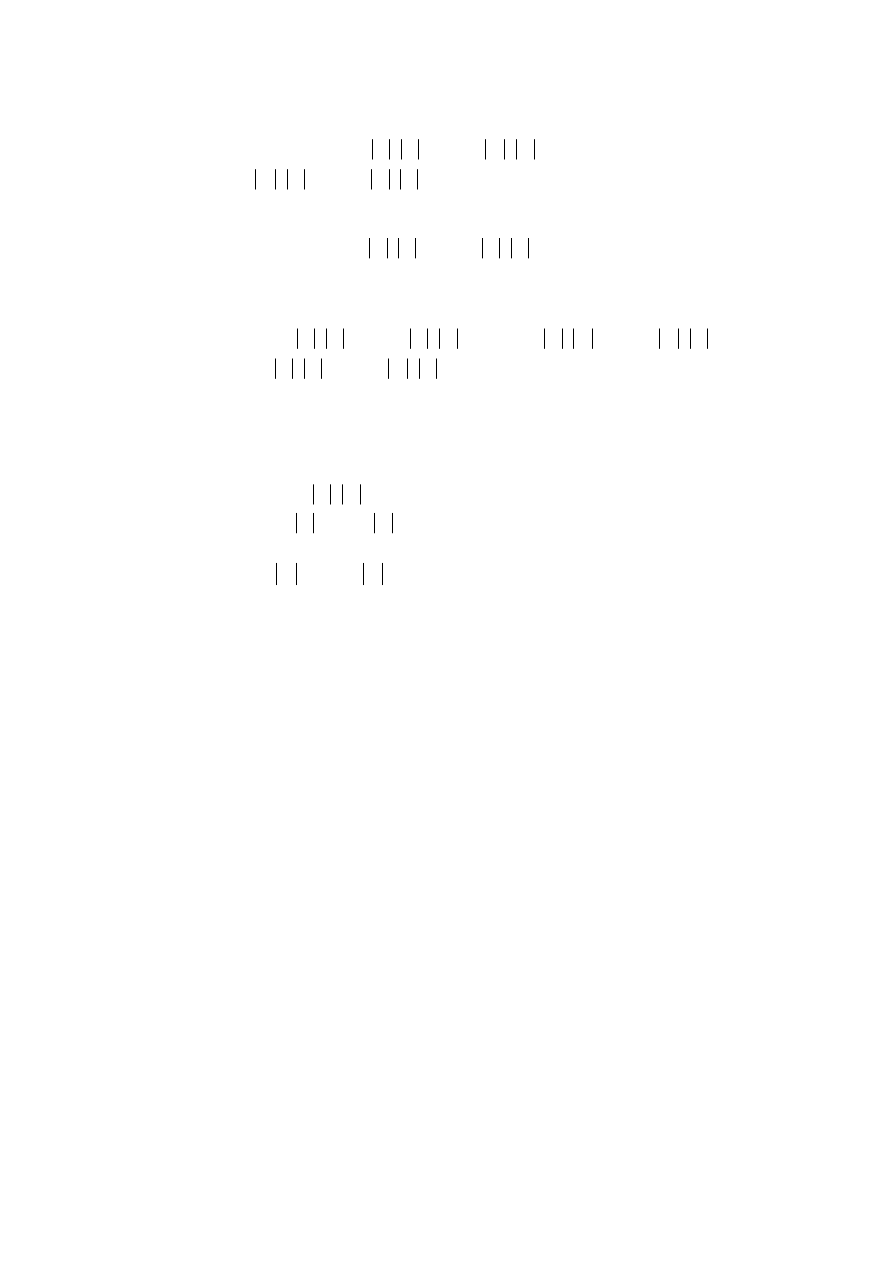
a b c d
a b
c
c
d
d
a
b
c
c
d
a
a
b
c
d
d
a
a
b
b
c
d a b
c
c
d
(A4)
- 20 -
N05/5/MATHL/HP2/ENG/TZ0/XX/M+
Question 7 continued
(iv) (a)
(
)
(
)
( , ) ( , )
max
,
max
,
a b R p q
a
b
p
q
⇒
=
(M1)
(
)
(
)
max
,
max
,
( , ) ( , )
p
q
a
b
p q R a b
=
⇒
⇒
R is symmetric
(A1)
(
)
(
)
( , ) ( , )
max
,
max
,
a b R a b
a
b
a
b
⇒
=
(M1)
R is reflexive
(A1)
( , ) ( , ) and ( , ) ( , )
( , ) ( , )
a b R x y
x y R p q
a b R p q
⇒
since
(
)
(
)
(
)
(
)
max
,
max
,
and max
,
max
,
a
b
x
y
x
y
p
q
=
=
(M1)
(
)
(
)
max
,
max
,
a
b
p
q
⇒
=
R is transitive.
(A1)
R
⇒ is an equivalence relation.
(AG)
[6 marks]
(b) (i) If
(
)
max
,
x
y
c
=
Then
and
x
c
y
c
=
≤
and
x
c
c y c
⇒ = ±
− ≤ ≤
(M1)(A1)
or
and
y
c
x
c
=
≤
(M1)
and
y
c
c x c
⇒ = ±
− ≤ ≤
(A1)
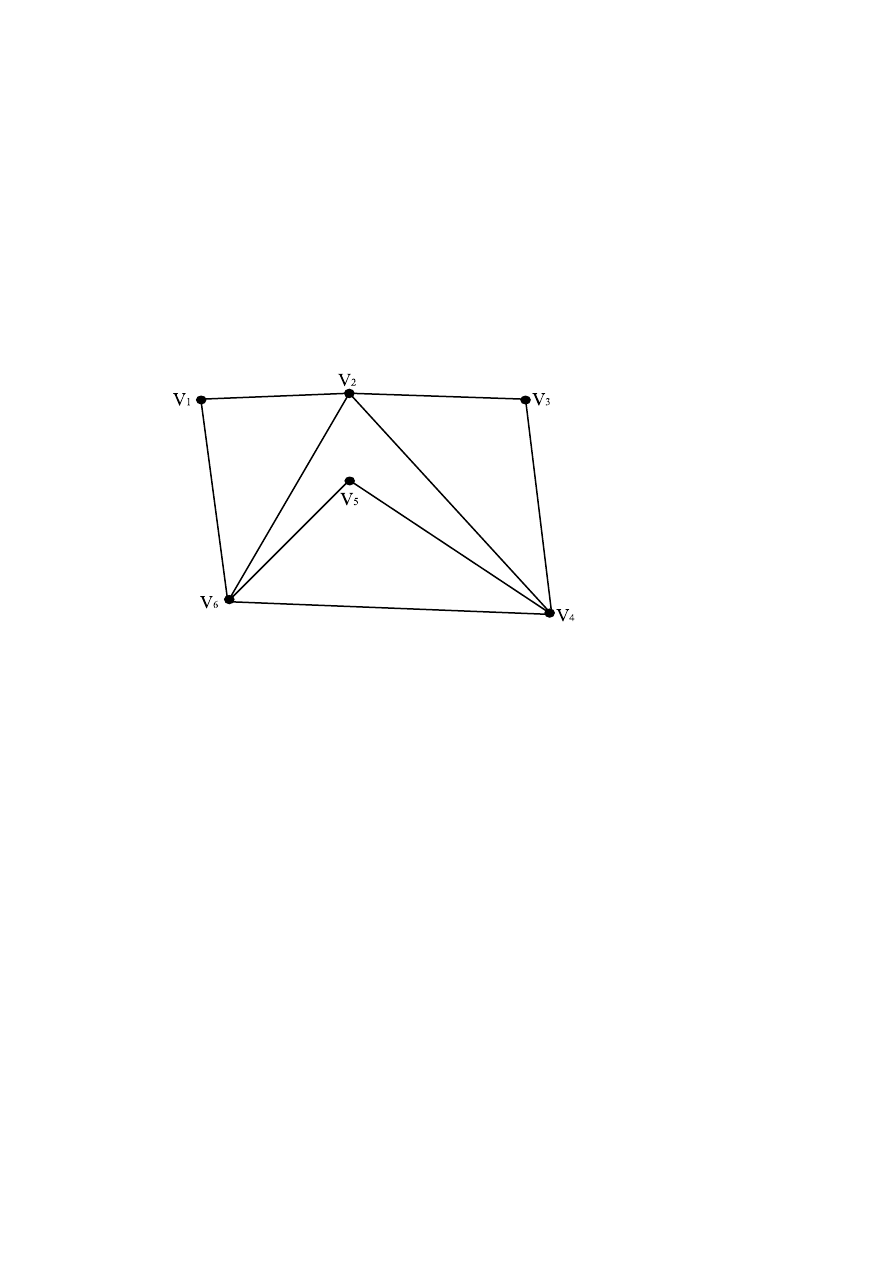
(ii) i.e. Concentric squares with a centre at (0, 0)
(A1)
[5
marks]
Total [30 marks]
- 21 -
N05/5/MATHL/HP2/ENG/TZ0/XX/M+
8.
(i)
gcd (64, 33) gcd (33, 64 mod 33)
=
(M1)
gcd (33, 31)
=
gcd (31, 33 mod 31)
=
(M1)
gcd (31, 2)
=
gcd (2, 31 mod 2)
=
gcd (2,1)
=
1
=
(A1)
hence 64 and 33 are relatively prime.
(AG)
[3 marks]
(ii)
is not well ordered because it contains subsets (e.g. itself) which do not
have a smallest element.
(A2)
[2 marks]
(iii)
(a)
(i)
EITHER
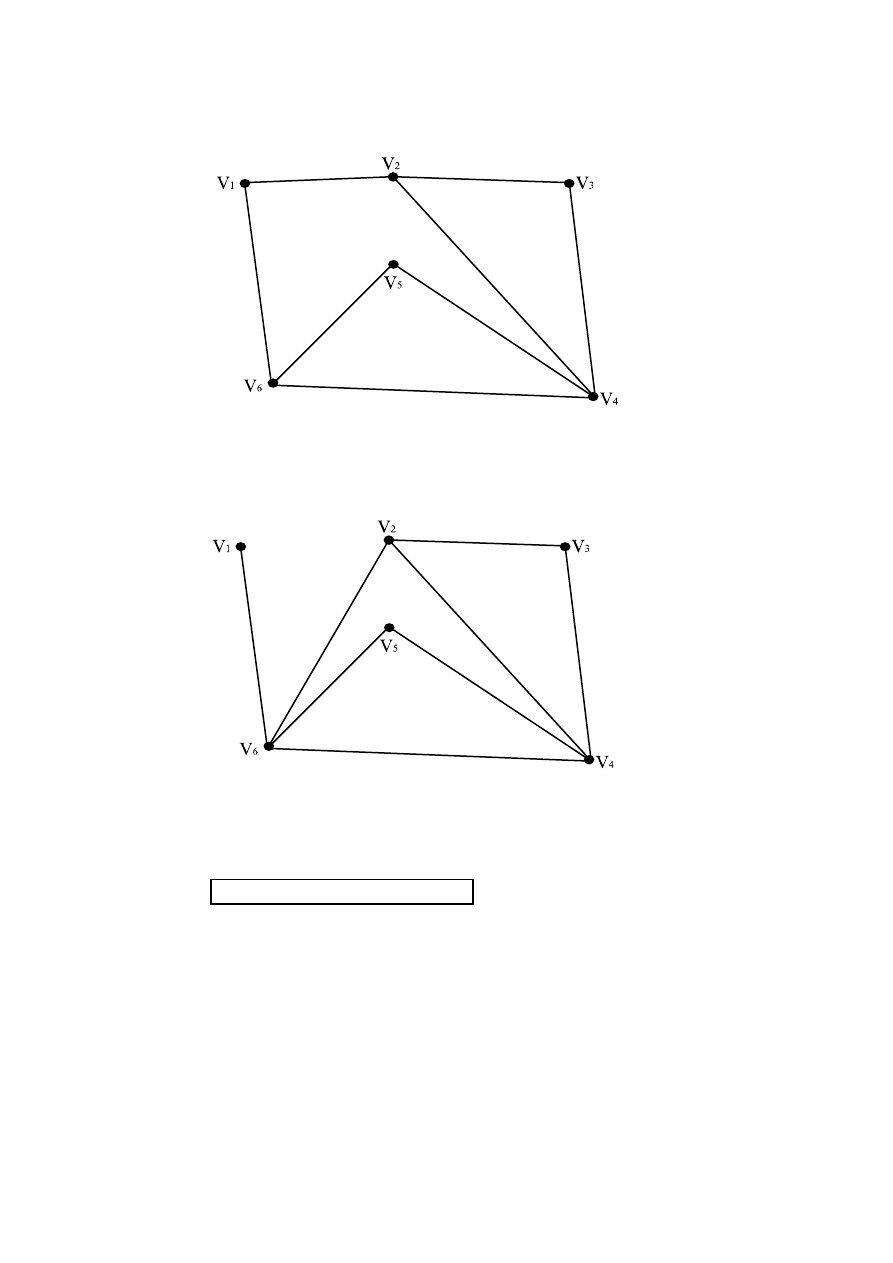
Every vertex has even degree
⇒ Eulerian circuit exists.
(A1)
OR
Circuit containing all edges is
V
1
, V
2
, V
3
, V
4
, V
2
, V
6
, V
5
, V
4
, V
6
, V
1
.
(A1)
(ii) A cycle containing all vertices is
V
1
, V
2
, V
3
, V
4
, V
5
, V
6
, V
1
.
(A2)
[3 marks]
continued …
- 22 -
N05/5/MATHL/HP2/ENG/TZ0/XX/M+
Question 8 (iii) continued
(b)
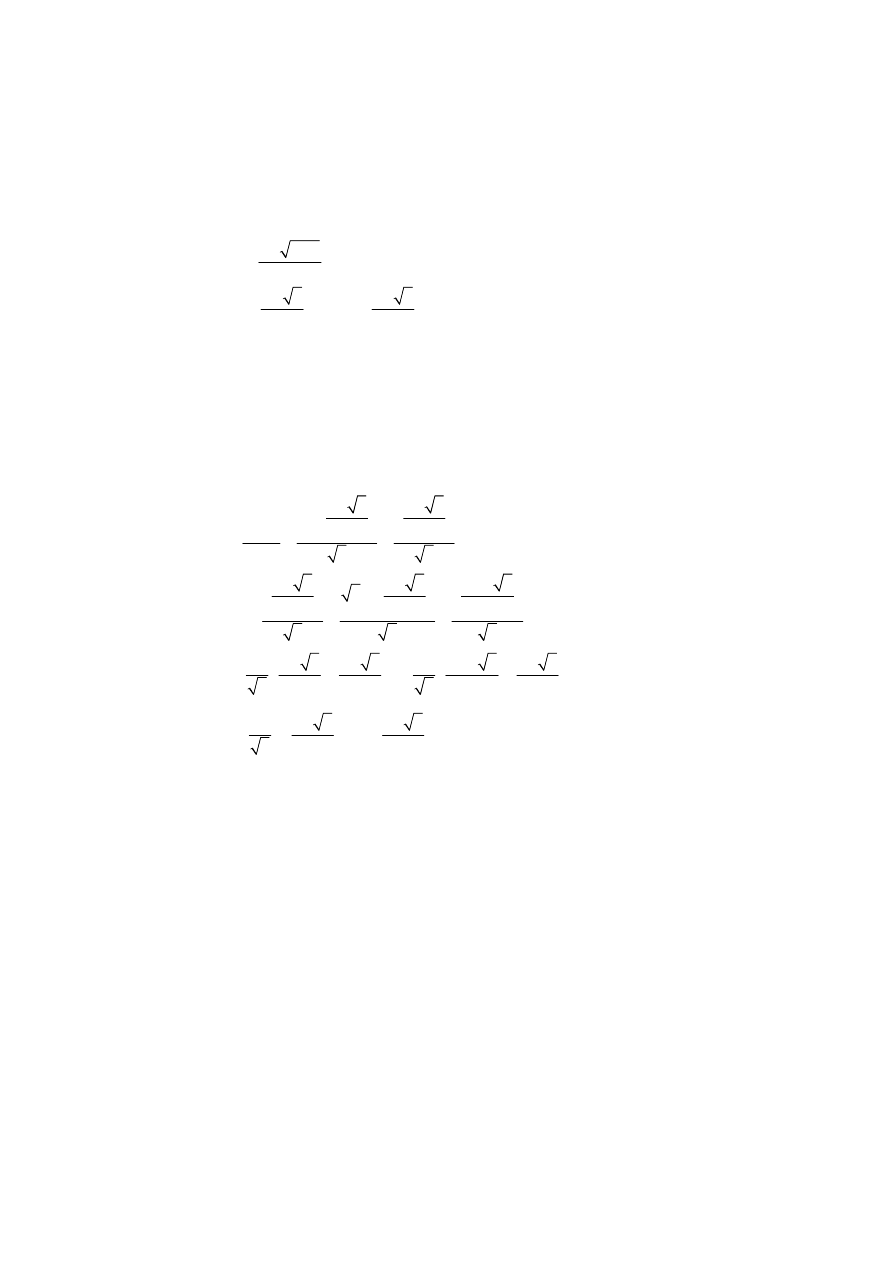
Removing edge V
2
V
6
There is no Eulerian circuit since V
2
and V
6
are now odd degree.
(M1)(A1)
There is a Hamiltonian cycle still, same as above.
(A1)
[3 marks]
(c)
If we now replace edge V
2
V
6
and remove V
1
V
2
(i)
an
Eulerian
trail
V
2
, V
3
, V
4
, V
2
, V
6
, V
5
, V
4
, V
6
, V
1
(A2)
(ii)
a
Hamiltonian
path
V
2
, V
3
, V
4
, V
5
, V
6
, V
1
(A2)
Note: Other solutions are possible.
[4 marks]
continued …
- 23 -
N05/5/MATHL/HP2/ENG/TZ0/XX/M+
Question 8 continued
(iv) (a)
1
2
0
1
for
2,
1
n
n
n
u
u
u
n
u
u
−
−
=
+
≥
= =
⇒ 1, 1, 2, 3, 5, 8, 13, 21, …
(A1)
[1
mark]
(b)
2
1 0
r
r
− − = is the characteristic equation.
(A1)
1
1 4
2
r
±
+
⇒ =
1
2
1
5
1
5
and
2
2
r
r
+
−
⇒ =
=
(A1)(A1)
1
2
( )
( )
n
n
n
u
A r
B r
⇒
=
+
(M1)
Now
0
0
1
1
n
u
A B
=
⇒
=
⇒
= +
(1)
and
1
1
2
1
1
1
n
u
Ar
Br
=
⇒
=
⇒
=
+
(2)
(A1)
Solving simultaneously for A and B
from
(1)
1
B
A
= −
Subsititute
in
(2)
1
2
1
2
2
1
(1
)
1
(
)
Ar
A r
A r
r
r
⇒ =
+ −
⇒
=
−
+
2
1
2
1
5
1
5
1
2
2
1
5
5
r
A
r r
⎛
⎞ ⎛
⎞
−
+
− ⎜
⎟ ⎜
⎟
−
⎝
⎠ ⎝
⎠
=
=
=
−
(A1)
1
5
1
5
1
5
5
2
2
2
1
5
5
5
B
⎛
⎞
⎛
⎞ ⎛
⎞
+
+
− +
−
⎜
⎟
⎜
⎟ ⎜
⎟
⎝
⎠
⎝
⎠ ⎝
⎠
= −
=
=
(A1)
1 1
5
1
5
1
1
5
1
5
2
2
2
2
5
5
n
n
n
u
⎛
⎞⎛
⎞
⎛
⎞⎛
⎞
+
+
− +
−
=
+
⎜
⎟⎜
⎟
⎜
⎟⎜
⎟
⎜
⎟⎜
⎟
⎜
⎟⎜
⎟
⎝
⎠⎝
⎠
⎝
⎠⎝
⎠
(A1)
1
1
1
1
5
1
5
2
2
5
n
n
+
+
⎡
⎤
⎛
⎞
⎛
⎞
+
−
⎢
⎥
=
−
⎜
⎟
⎜
⎟
⎜
⎟
⎜
⎟
⎢
⎥
⎝
⎠
⎝
⎠
⎣
⎦
(AG)
[8 marks]
continued …
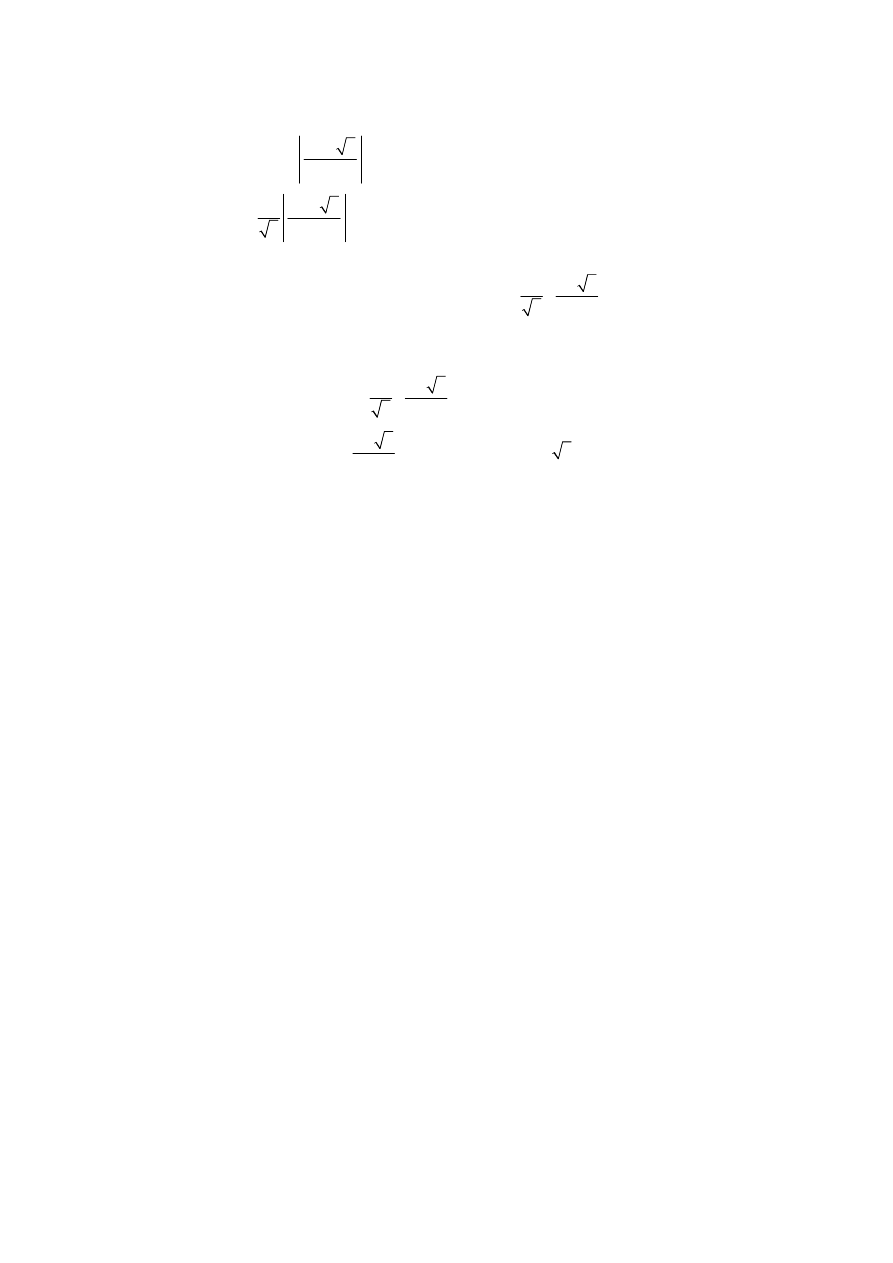
- 24 -
N05/5/MATHL/HP2/ENG/TZ0/XX/M+
Question 8 (iv) continued
(c)
(i)
Since
1
5
0.62
2
− +
<
(A1)
1
1
1
5
0.5 for
0
2
5
n
n
+
− +
<
≥
(A1)
⇒
the terms are getting smaller and smaller as n increases.
(A1)
⇒
n
u
is given by the closest integer to
1
1
1
5
2
5
n
+
⎛
⎞
+
⎜
⎟
⎜
⎟
⎝
⎠
(AG) (N0)
(ii)
102 334155
n
u
=
1
1
1
5
102 334155
2
5
n
+
⎛
⎞
+
⇒
=
⎜
⎟
⎜
⎟
⎝
⎠
(
)
( )
1
5
(
1)log
log 102 334155
5
2
n
⎛
⎞
+
⎡
⎤
⇒
+
=
⎜
⎟
⎜
⎟
⎣
⎦
⎝
⎠
(M1)(A1)
1 40
n
⇒ + =
39
n
⇒ =
(So 102 334155 is the 40
th
term of this sequence)
(A1)
[6
marks]
Total [30 marks]
- 25 -
N05/5/MATHL/HP2/ENG/TZ0/XX/M+
9.
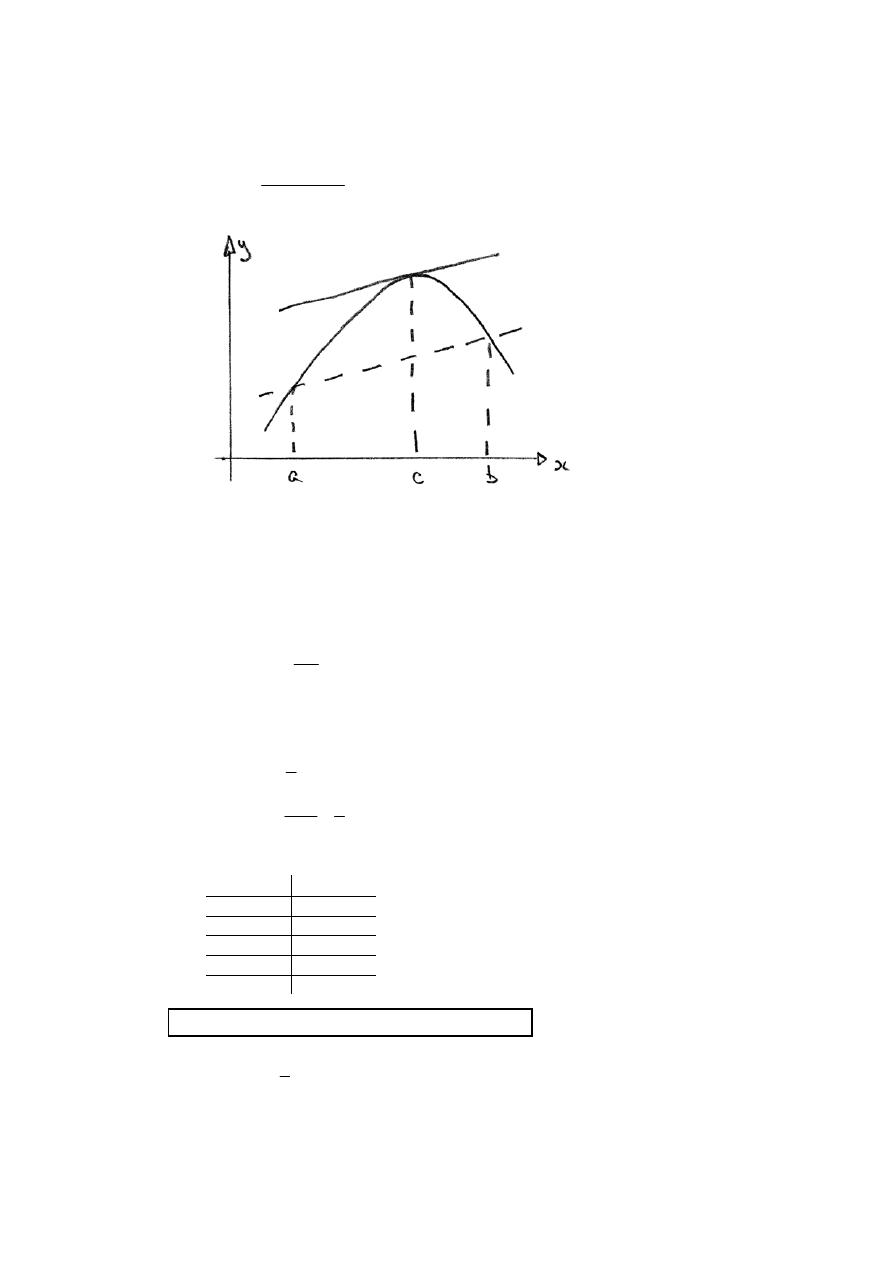
(i) (a) If a function f is continuous on a closed interval [ , ]
a b
and is
differentiable on the open interval ] , [
a b
then there exists a number c in
] , [
a b
such that
( )
( )
( )
( )
( )
( )(
)
f b
f a
f c
f b
f a
f c b a
b a
−
′
′
=
−
=
−
−
OR
(A1)
This can be illustrated with the following sketch.
[2
marks]
(b)
If
( ) 0
( )
( ) 0
f x
f p
f q
′
= ⇒
−
= for all values of p and q in interval [a, b] (M1)
( )
( )
f p
f q
⇒
=
(A1)
and f is constant on the interval
(AG)
[2 marks]
(ii) (a)
2
6
2
5
0
0
3
3 d
6
x
x x
⎡
⎤
= ⎢
⎥
⎣
⎦
∫
32
=
(A1)
[1
mark]
(b)
[
]
2
5
0
1
2
3
4
0
3 d
4
2
4
3
h
x x
y
y
y
y
y
≈
+
+
+
+
∫
(M1)
where
2 0
1
4
2
h
−
=
=
Using the following table of x, y values
x
y
0
0
0.5 0.09375
1 3
1.5 22.78125
2 96
Note: Award (A1) for x-values, (A1) for y-values.
[
]
2
5
0
1
3 d
0 4(0.09375) 2(3) 4(22.78125) 96
6
x x
≈
+
+
+
+
∫
32.25
=
(accept 32.3)
(A1)
[4 marks]
continued …
(A1)(A1)
(A1)

- 26 -
N05/5/MATHL/HP2/ENG/TZ0/XX/M+
Question 9 (ii) continued
(c)
Error
0.25
=
(A1)
[1
mark]
(d) Error
4
(4)
(
)
( )
180
b a h
f
c
−
≤
Now
5
( ) 3
f x
x
=
4
3
2
( ) 15
( ) 60
( ) 180
f x
x
f x
x
f
x
x
′
=
′′
=
′′′
=
4
( ) 360
f
x
x
=
(A1)
So over
(4)
[0, 2] max
( ) 720
f
x
=
(A1)
4
2
2
(720) 0.0001
180 n
⎛ ⎞
⇒
<
⎜ ⎟
⎝ ⎠
(M1)
5
4
4
16
1.25 10
1 280 000
n
n
−
⇒
<
×
⇒
>
33.6
n
⇒ >
(M1)
⇒ error < 0.0001
34 intervals needed
(A1)
[5 marks]
(iii) (a) (i)
1
1
( 1)
(2
1)!
n
n
−
−
−
∑
1
lim
lim
0
(2
1)!
n
n
n
a
n
→∞
→∞
=
=
−
(A1)
Now
1
(2
1)!
n
−
is decreasing as n increases
1
n
n
a
a
+
⇒
>
for
1
n
≥
(A1)
So by alternating series test
(M1)
1
1
( 1)
(2
1)!
n
n
−
−
−
∑
is convergent. (accept ratio test)
(AG)
(ii)
4
1
1
1
1
3! 5! 7!
S
= − + −
(M1)
1
1
1
1
6 120 5040
= − +
−
(A1)
0.841468 (6 d.p.)
=
(iii) Error
in
n
th
partial sum is less than
1
n
a
+
4
5
Error
S
a
⇒
<
1
Error
9!
⇒
<
(M1)
Error 0.00000276
⇒
<
(A1)
[7 marks]
continued …
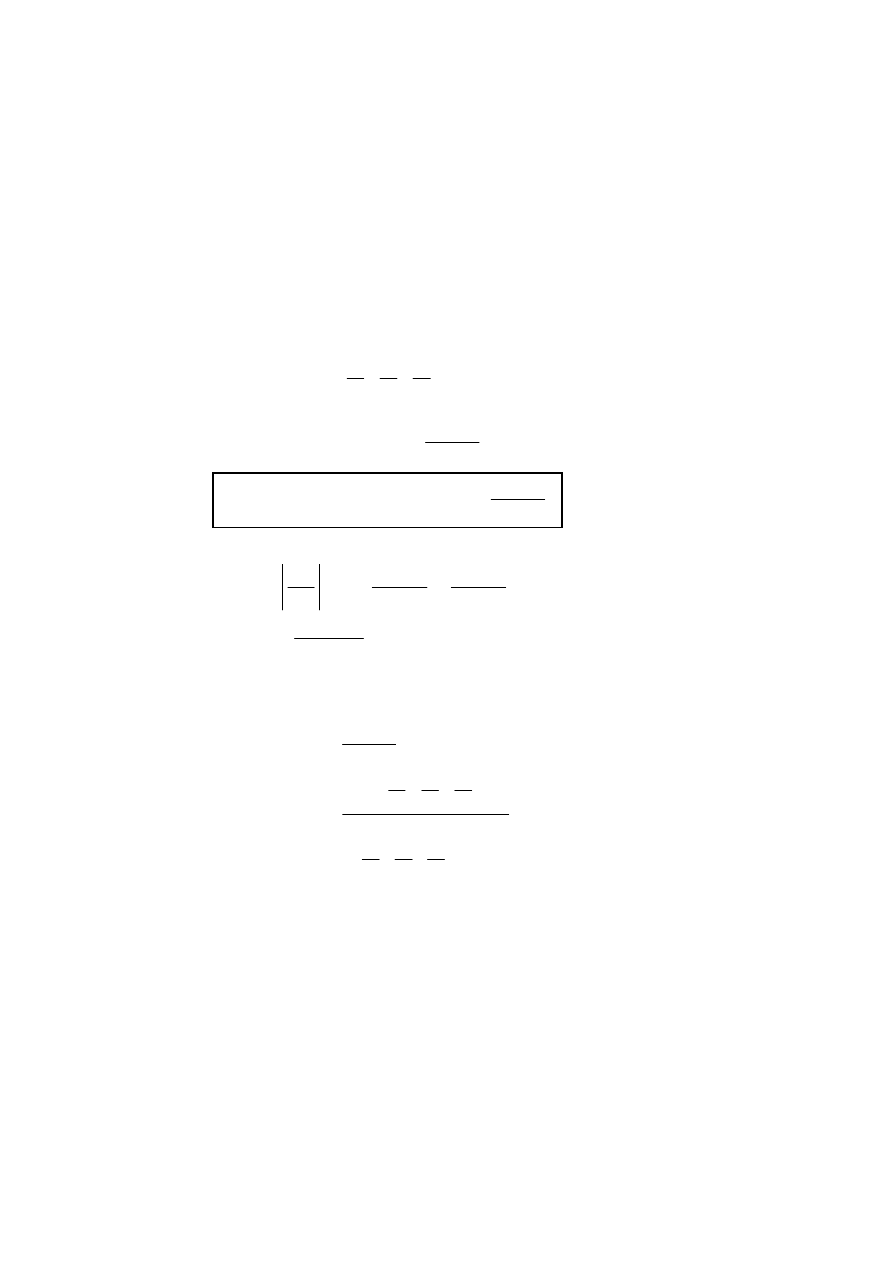
- 27 -
N05/5/MATHL/HP2/ENG/TZ0/XX/M+
Question 9 (iii) continued
(b) (i) ( ) sin
(0) 0
f x
x
f
=
=
(4)
(4)
(5)
(5)
(6)
(6)
(7)
(7)
( ) cos
(0) 1
( )
sin
(0) 0
( )
cos
(0)
1
( ) sin
(0) 0
( ) cos
(0) 1
( )
sin
(0) 0
( )
cos
(0)
1
f x
x
f
f x
x
f
f
x
x f
f
x
x
f
f
x
x
f
f
x
x f
f
x
x f
′
′
=
=
′′
′′
= −
=
′′′
′′′
= −
= −
=
=
=
=
= −
=
= −
= −
3
5
7
sin
...
3!
5!
7!
x
x
x
x x
⇒
= −
+
−
+
(M1)(A1)
(ii)
th
n
term given by
2 1
1
( 1)
(2
1)!
n
n
x
n
−
−
−
−
(A1)(A1)
Note: Award (A1) for
1
( 1)
n
−
−
, (A1) for
2 1
(2
1)!
n
x
n
−
−
.
(iii)
2
1
1
2
1
(2
1)!
lim
lim
(2
1)!
n
n
n
n
n
n
a
x
n
a
n
x
+
+
−
→∞
→∞
⎛
⎞
−
⎛
⎞
=
⎜
⎟⎜
⎟
+
⎝
⎠
⎝
⎠
2
lim
(2
1) 2
n
x
n
n
→∞
=
+
0
=
(M1)(A1)
series converges for all x.
(AG)
(iv) Now
d (sin )
cos
d
x
x
x
=
3
5
7
d
...
3!
5!
7!
d
x
x
x
x
x
⎛
⎞
−
+
−
+
⎜
⎟
⎝
⎠
=
2
4
6
1
...
2!
4! 6!
x
x
x
= −
+
−
+
(M1)(A1)
[8
marks]
Total [30 marks]
- 28 -
N05/5/MATHL/HP2/ENG/TZ0/XX/M+
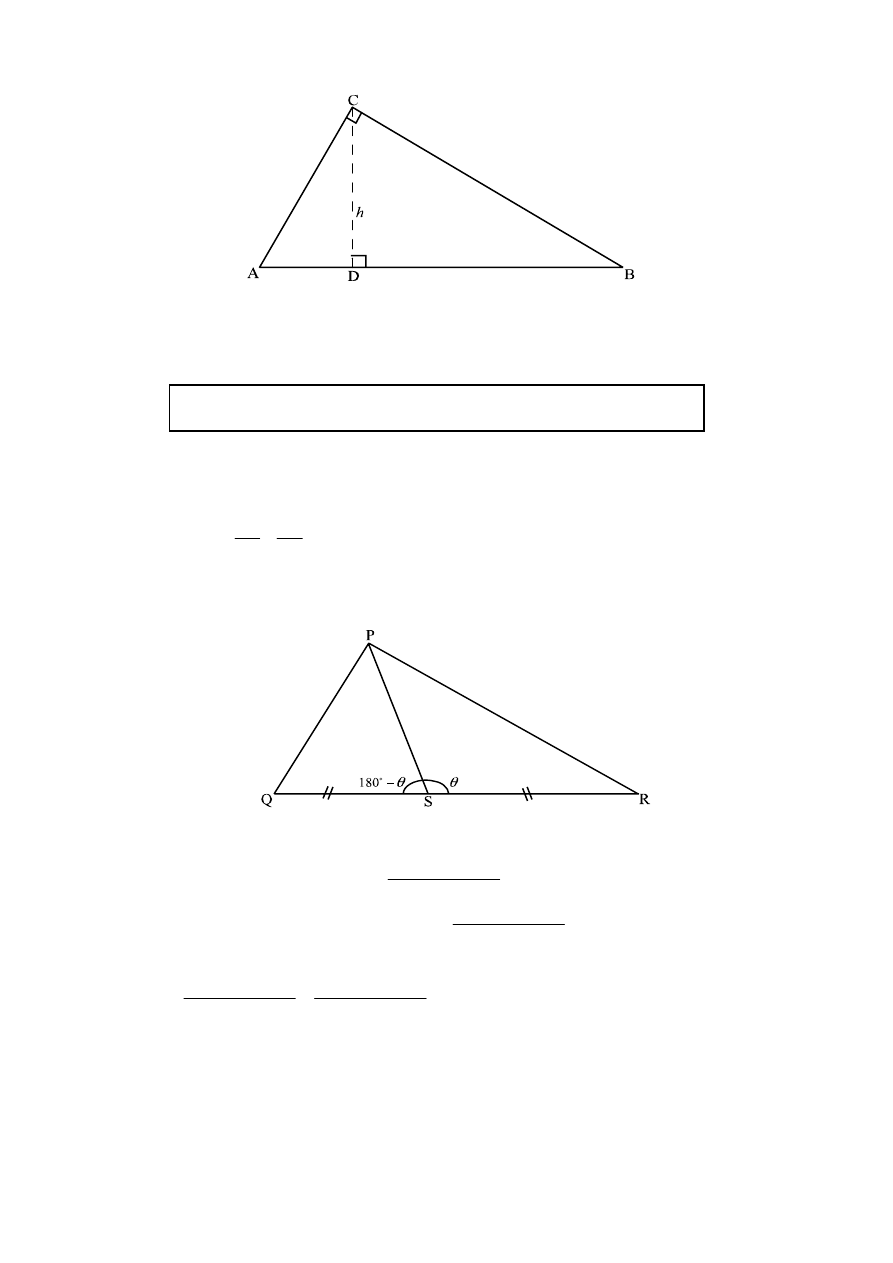
10. (i) (a)
ˆ
ˆ
CAD 90
ABC
=
−
,
ˆ
ˆ
BCD 90
ABC
=
−
, or
ˆ
ˆ
ACD 90
CAB
=
−
,
ˆ
ˆ
DBC 90
CAB
=
−
ˆ
ˆ
CAD BCD
=
or
ˆ
ˆ
ACD DBC
=
or
ˆ
ˆ
ADC BDC
=
(
90
=
)
Since two angles in ACD
∆
are equal to two angles in CDB
∆
(A1)(A1)
Note: Award (A1) for noting one correct pair of equal angles and (A1) for a
second
pair
and the statement.
ADC
⇒ ∆
is similar to
BCD
∆
(AG)
[2 marks]
(b)
Corresponding sides of
∆ s are in equal proportion
(M1)
CD
AD
BD
CD
⇒
=
(A1)
2
CD
AD BD
⇒
=
×
(AG)
[2 marks]
(ii)
Let ˆ
ˆ
PSR
PSQ 180
θ
θ
= ⇒
=
−
(A1)
Using PRS
∆
we obtain
2
2
2
SR
PS
PR
cos
2 SR PS
θ
+
−
=
×
×
(M1)(A1)
Using
PQS
∆
we obtain
2
2
2
QS
PS
PQ
cos(180
)
2 QS PS
θ
+
−
−
=
×
×
(A1)
Now
cos(180
)
cos
θ
θ
−
= −
(A1)
2
2
2
QS
PS
PQ
2 QS PS
+
−
−
×
×
2
2
2
SR
PS
PR
2 QS PS
+
−
=
×
×
(M1)
2
2
2
2
2
QS
SR
2PS
PR
PQ
+
+
=
+
(A1)
Since SR QS
=
(A1)
2
2
2
2
PQ
PR
2(PS
QS )
+
=
+
(AG)
[8 marks]
continued …
- 29 -
N05/5/MATHL/HP2/ENG/TZ0/XX/M+
Question 10 continued
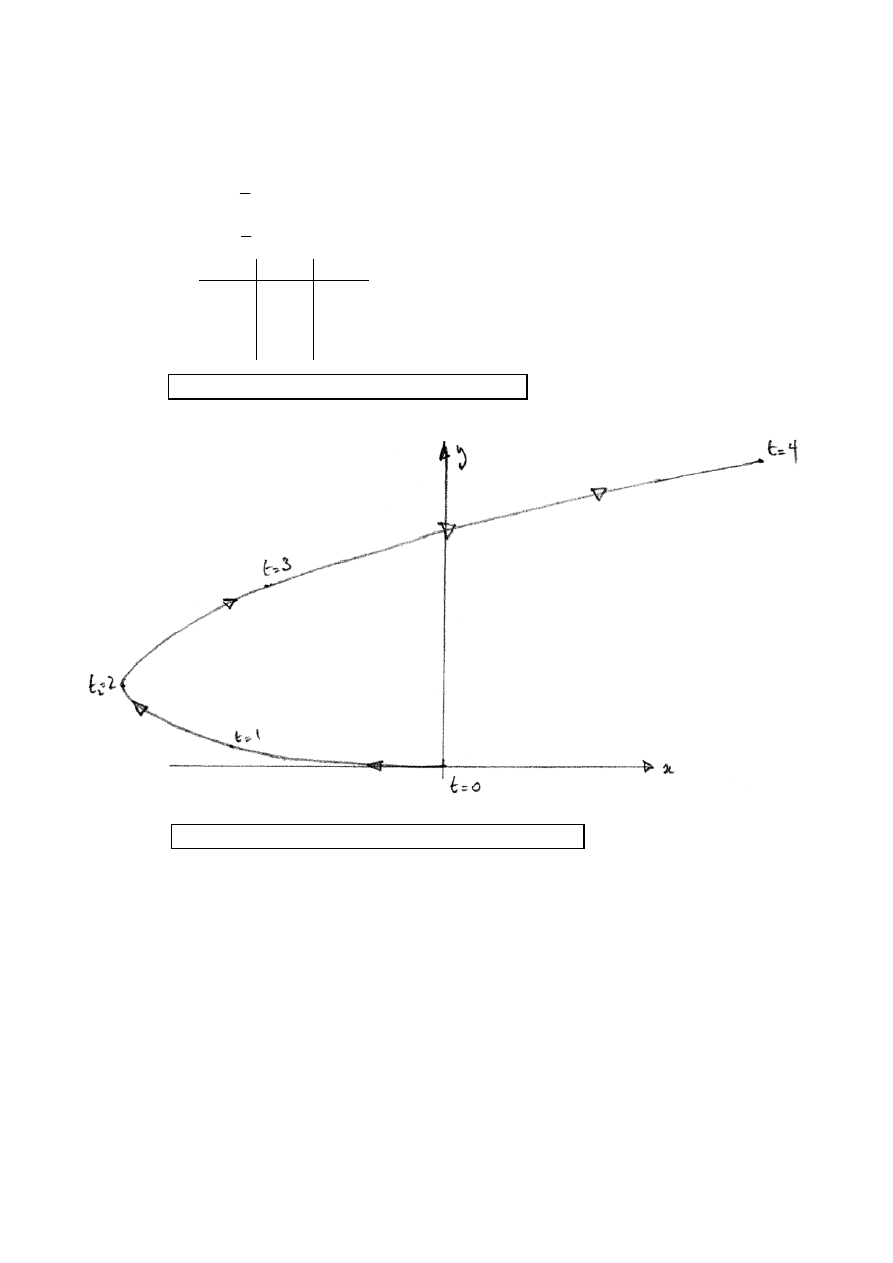
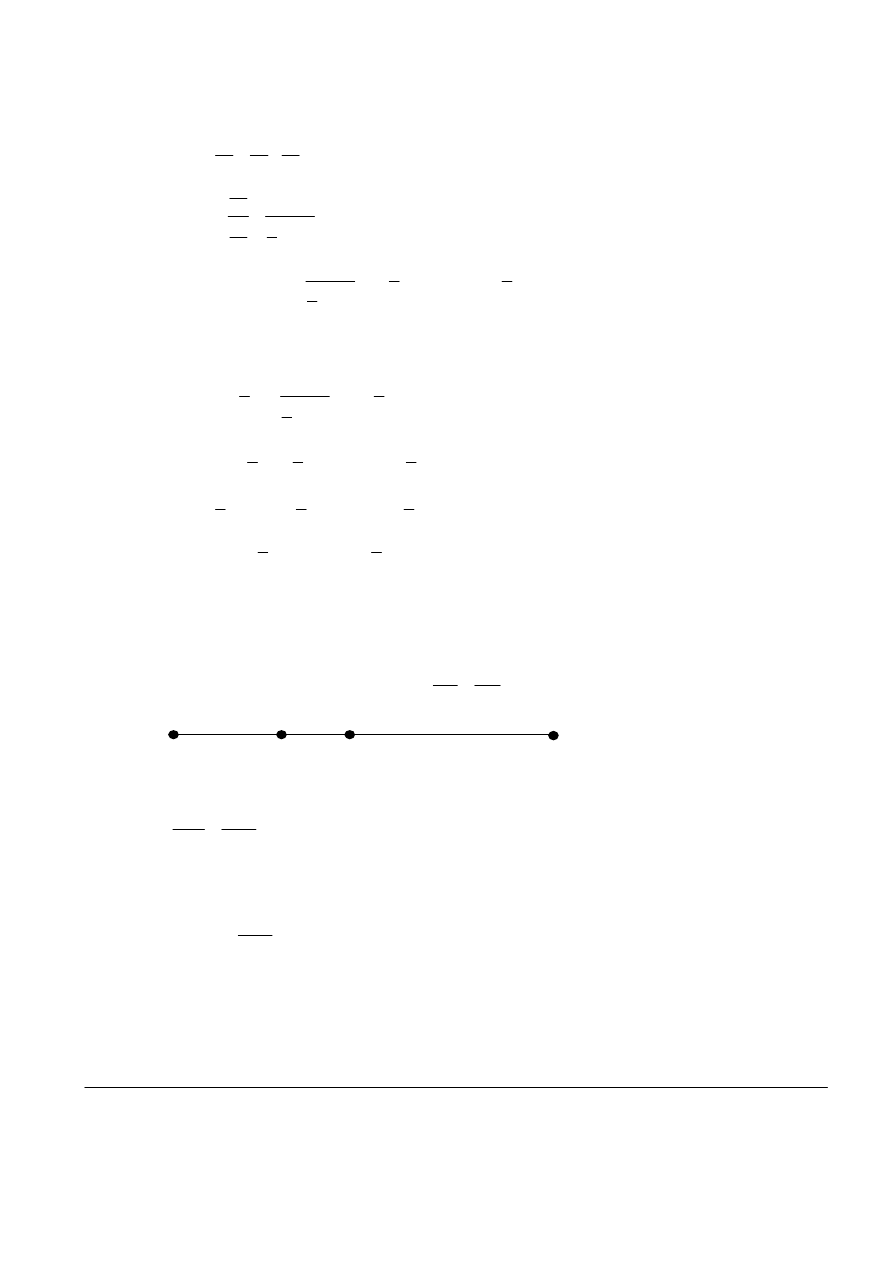
(iii)
(a)
3
1
6
2
x
t
t
=
−
2
1
2
y
t
=
Note: Award (A1) for x values, (A1) for y values.
(A1)(A2)
Note: Award
(A2) for sketch, (A1) for direction of motion.
[5 marks]
continued …
t x y
1
−5.5
0.5
2
−8
2
3
−4.5
4.5
4 8 8
(A1)(A1)
- 30 -
N05/5/MATHL/HP2/ENG/TZ0/XX/M+
Question 10 (iii) continued
(b)
d
d
d
d
d
d
y
y
t
x
t
x
=
×
(M1)
2
d
d
d
3
6
d
2
y
t
t
x
t
t
=
=
−
(A1)(A1)
at
3
2
1
1
1
1
1
2
1
1
1
,
6 and
3
2
2
6
2
t
t t
m
x
t
t
y
t
t
=
=
=
−
=
−
Hence the equation of the tangent is given by
2
3
1
1
1
1
2
1
1
1
6
3
2
2
6
2
t
y
t
x
t
t
t
⎛
⎞
⎛
⎞
−
=
−
−
⎜
⎟
⎜
⎟
⎝
⎠
⎝
⎠
−
(M1)(A1)
2
2
3
1
1
1
1
1
1
3
1
6
6
2
2
2
y
t
t
t x
t
t
⎛
⎞ ⎛
⎞
⎛
⎞
−
−
=
−
+
⎜
⎟ ⎜
⎟
⎜
⎟
⎝
⎠ ⎝
⎠
⎝
⎠
2
4
2
4
2
1
1
1
1
1
1
3
3
1
6
3
6
2
4
2
yt
y
t
t
t x
t
t
−
−
+
=
−
+
(A1)
2
4
2
1
1
1
1
3
1
6
3
2
4
yt
t x
y
t
t
−
−
=
+
2
4
2
1
1
1
1
6
4
24
12
yt
t x
y t
t
−
−
= +
(A1)
2
4
2
1
1
1
1
4
6 (
4)
12
t x
y t
t
t
−
+
−
= +
(AG)
[7 marks]
(iv) The points A, B, C and D are such that
AC
AD
CB
BD
=
Let AB
, AC
, AD
b
c
d
=
=
=
c
d
b c
d b
=
−
−
(M1)(A1)
cd bc bd cd
−
=
−
(A1)
2cd bd bc
=
+
(A1)
2
(
)
cd b c d
=
+
(A1)
2cd
b
c d
=
+
(A1)
Hence AB is the harmonic mean of AC and AD.
(AG)
[6 marks]
Total [30 marks]
A
C
B
D
Wyszukiwarka
Podobne podstrony:
Mathematics HL Nov 2005 P2
Mathematics HL Nov 2002 P2
Mathematics HL Nov 2003 P2 $
Mathematics HL Nov 2004 P2
Mathematics HL Nov 2005 P1 $
Mathematics HL Nov 2001 P2
Mathematics HL Nov 2001 P2 $
Mathematics HL Nov 2002 P2 $
Mathematics HL Nov 2004 P2 $
Mathematics HL Nov 2003 P2
Mathematics HL Nov 2000 P2 $
Mathematics HL Nov 2000 P2
Mathematics HL Nov 2002 P2
Mathematics HL Nov 2003 P2 $
Mathematics HL Nov 2000 P2
więcej podobnych podstron