
Position of adverbs
I. Three positions
II. Adverbs used in one, two or all three positions
III. Position of adverbs of manner, place and time in one sentence
I. Three positions of adverbs
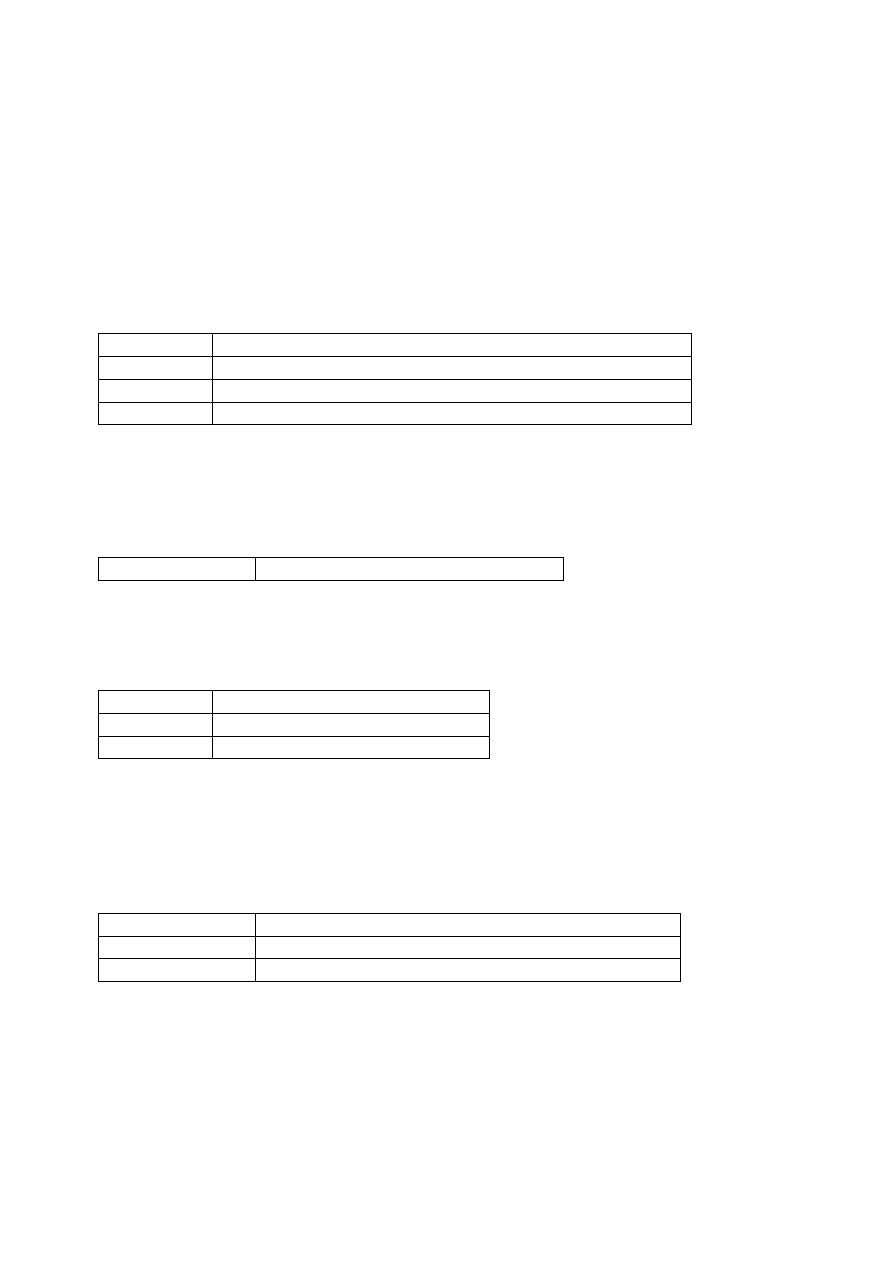
1. Front
Adverb
Subject
Verb
Gradually,
he
changed
his mind.
2. Mid
a) Subject
Adverb
Main verb
They
------------------- always
speak
English.
b) Subject
“be”
Adverb
-------------------
We
are
almost
-------------------
ready.
c) Subject
Auxiliary
Adverb
Main verb
I
have
never
said
that.
She
will
probably
join
us.
This
can
hardly
be
true.
Notes:
- With main verbs, the adverb comes before the verb:
They always speak English.
- With “be”, it comes after the verb:
We are almost ready.
- With auxiliaries and modals, it is placed after the auxiliary/modal (between the
auxiliary/modal and the main verb):
I have never said that.
She will probably join us.
This can hardly be true.
If there are two auxiliaries or a modal and an auxiliary, the adverb is placed after the
first verb:
The experiment has always been done like this.
They may never have used this method.
3. End
Subject
Verb
Adverb
He
spoke
about his plans
at the meeting.
She
has been attending
the English class
regularly.
Note:
Below you will find some basic guidelines and examples of usage. You should, however, be
aware that there may be several options, depending on what the speaker wants to put
emphasis on. Neither the rules nor the examples pretend to be exhaustive. Remember that
the positions listed here may not be suitable in all contexts. In some cases, the position of
the adverb may also modify its meaning. Nevertheless, there is no need to despair: through
intensive reading of English texts and listening to native speakers you will develop a feeling
for these words and their place in the sentence.
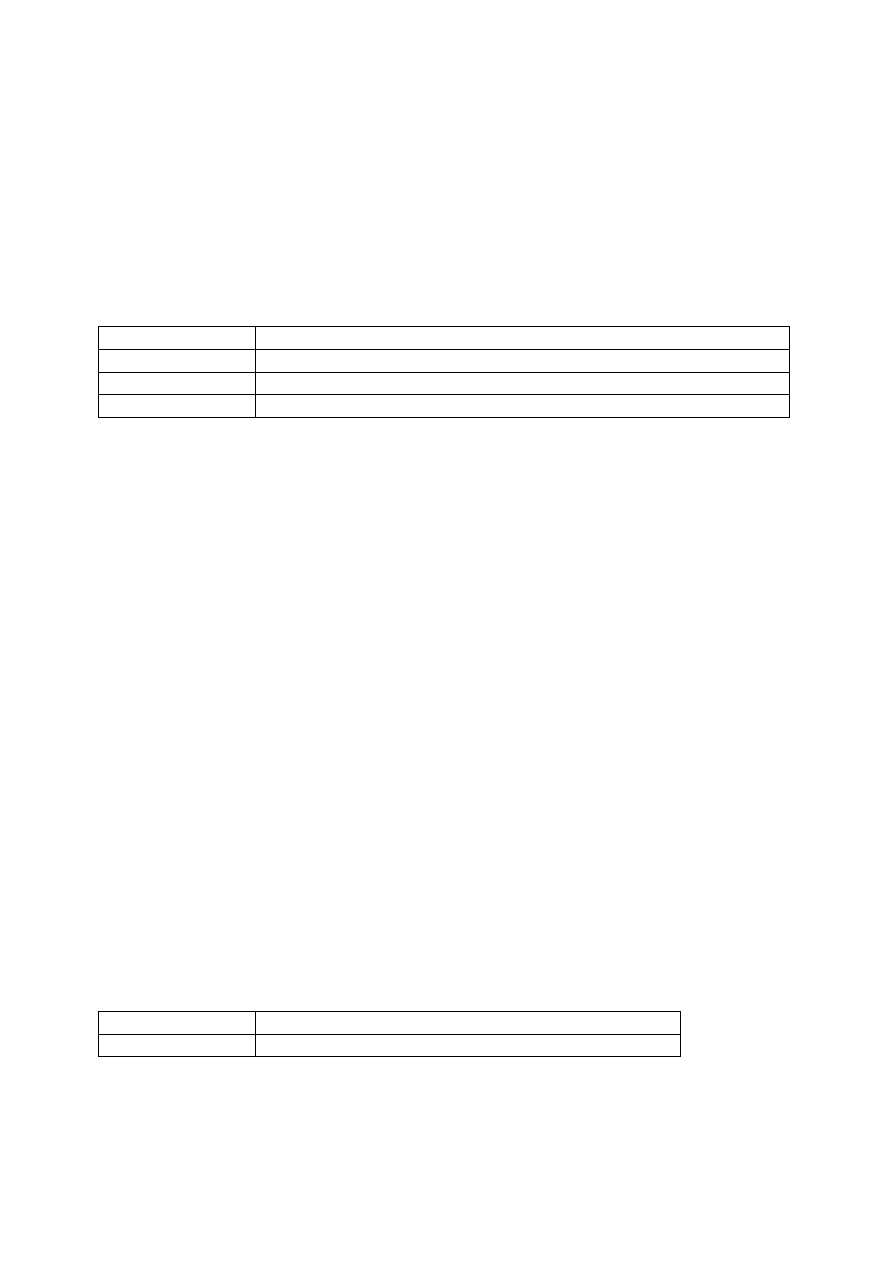
II. Adverbs used in one, two or all three positions
1.
Adverbs used mostly in mid position
frequency
always, ever, hardly ever, never, often, rarely, seldom
degree
almost, hardly, nearly, quite, scarcely
probability
certainly, definitely, probably
time
just
He has never attended an international conference.
I quite understand what you mean.
He is probably back.
2.
Adverbs used mostly in front or mid position
frequency/time
sometimes, usually; eventually, finally
I sometimes work till late at night.
Sometimes, I work till late at night.
3. Adverbs used mostly in mid or end position
frequency
constantly, continuously, regularly
degree
completely, entirely, greatly
time
already, lately, recently
The temperature was constantly rising.
The temperature was rising constantly.
I completely agree with you.
I agree with you completely.
4. Adverbs used mostly in end or front position
place
above, here, there, at home, upstairs
time/frequency
in January, last year; as a rule, from time to time, once
probability
maybe, perhaps
Notes:
- With adverbs of place, time and frequency, the end position is more common; the front
position is used to give importance or draw attention to the adverb:
You will find a more detailed description below.
Below you will find a more detailed description.
I offered him help once, but he refused it.
Once I offered him help, but he refused it.
I started to learn English last year.
Last year, I started to learn English.
- With maybe and perhaps, the front position is more common.
Perhaps, you should ask him for help.
5. Adverbs used in any of the three positions
manner
briefly, carefully, easily, quickly, slowly
time/frequency
now, soon, immediately, suddenly; occasionally
aspect
economically, financially, logically, scientifically, technically
probability
apparently, certainly, clearly, evidently, obviously
Manner: In this chapter we briefly examine the latest developments in … .
Briefly, I think we should join this project. (in brief)
Let me describe briefly how we arrived at this conclusion.
He explained the situation briefly.
Not: He explained briefly the situation.
If the verb has an object, the adverb comes after the object.
Only when the object is long, the adverb may precede it:
We considered briefly our next steps in that unexpected situation.
Time: The situation suddenly changed.
The situation changed suddenly.
Suddenly, the situation changed.
The mid position is the most common. The end position draws
attention to the adverb. The front position is the least common; it is
used to raise interest in what is coming next.
Aspect: Technically, this is no problem.
This is no problem, technically.
This is, technically, no problem.
The end and front positions are the most common.
Probability: This is obviously a mistake.
This is a mistake, obviously.
Obviously, this is a mistake.
6. Adverbs used mostly in front position
comment/opinion admittedly, evidently, hopefully, naturally, surprisingly
sentence linkers
however, consequently, as a result, nevertheless
Comment/opinion: Surprisingly, the experiment did not fail.
Sometimes these adverbs may also come in mid position:
He was evidently nervous.
Sentence linkers: This is a simple and safe procedure. However, you should not
underestimate the risk.
See also Guidelines for Academic Writing: Text structure (Sentence
linkers).
Note the use of commas before and after the adverb in some cases. For more information
see Guidelines for Academic Writing: Punctuation.
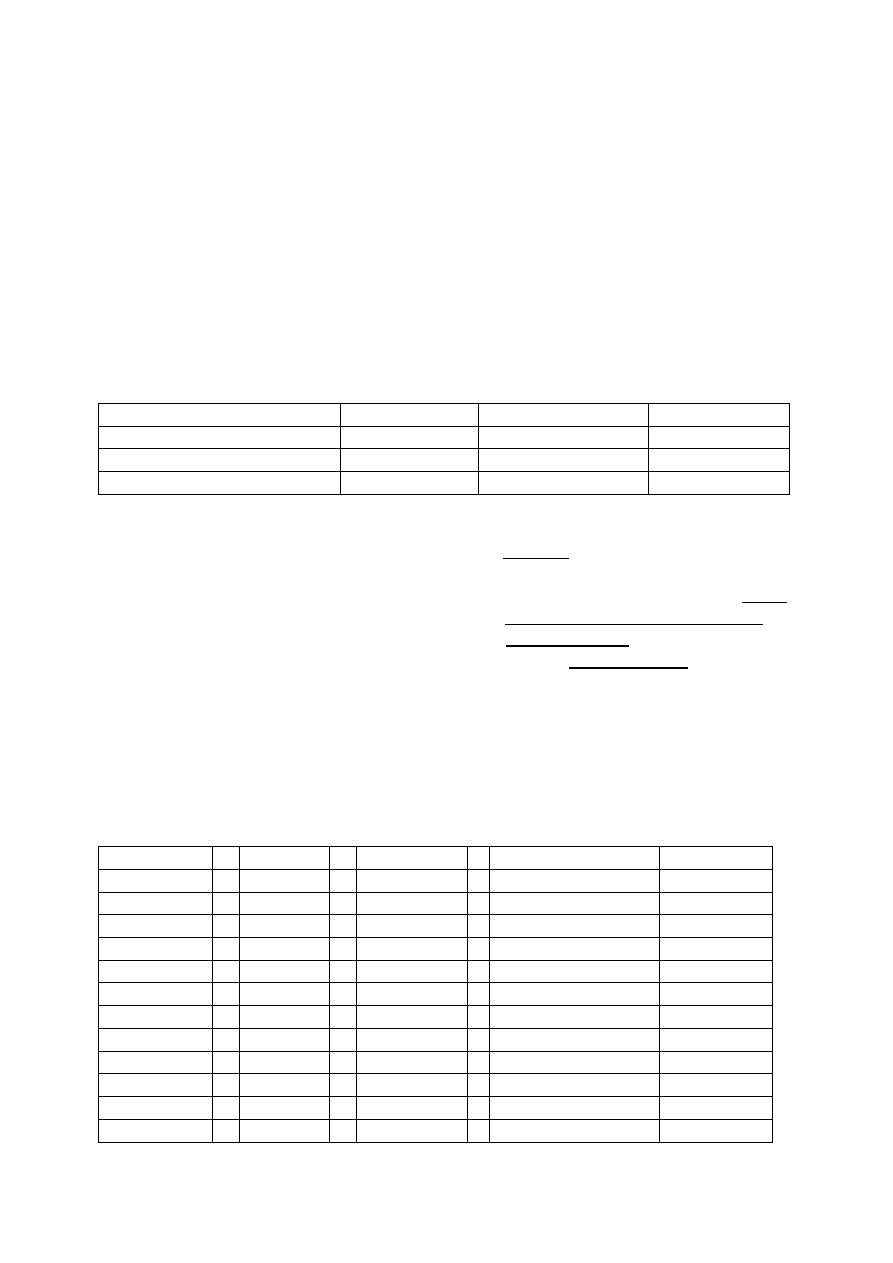
III. Position of adverbs of manner, place, and time in one sentence
Normal position
Manner
Place
Time
He worked
very hard
last semester.
I didn´t participate
in that conference
last year.
He explained that problem
thoroughly
at the seminar
last week.
The position can be changed in order to
- emphasize/draw attention to one adverb: Last year I didn´t participate in that
conference.
- avoid putting the longest adverb in the middle: I lived quite happily for one year in one
of the remotest places in the world.
- avoid placing too many adverbs in the end position: In the mountains it is dangerous
to drive quickly in winter.
See also A Remedial Course in English Grammar: Word order (Statements).
EXERCISES
I. Tick the place where you would put the adverbs in bold type.
That
has
occurred
to me.
never
I
have
appreciated
his help.
always
He
lost
his job
last year.
nearly
I
forgot
to tell you
about the change.
completely
He
could
have done
anything else.
hardly
The lab
is
open
all night.
often
Have
you
been
to England?
ever
He
has
returned
from abroad.
just
I
see
him
these days.
rarely
We
expected
him
to be there on time.
certainly
She
is
at home
in the evening.
hardly ever
They
are
complaining
about something.
constantly
I
slept
the night
before the exam.
hardly

She
needs
a holiday
soon.
definitely
He
could
say
one word.
scarcely
This method
is
used
for such purposes.
seldom
II. In which positions are the adverbs most likely to be used? Tick their numbers.
In some cases there are more options than one.
1. We have 1) made 2) some radical changes 3). (already)
2. 1) The discussion 2) takes 3) one hour. (usually)
3. 1) He 2) helps us 3) with the experiments 4). (sometimes)
4. The world 1) is 2) changing 3). (constantly)
5. 1) They 2) agreed 3) on the higher education reform 4). (finally)
6. They 1) discussed 2) the issue 3). (thoroughly)
7. 1) The problem will 2) be 3) solved by tomorrow 4). (hopefully)
8. 1) The spring semester 2) ends 3) at the end of May 4). (as a rule)
9. 1) I 2) could 3) help you 4). (maybe)
10. 1) They 2) discussed 3) the differences between the calculated
and measured values 4). (thoroughly)
III. Put the adverbs in the position which is the most likely in the given context.
1. regularly
a) Accidents …………………… occur ………………………. at this crossing. (= usually)
b) They …………………….. meet …………………….. every three months.
2. greatly
a) The prices ……………………… varied …………………………… .
b) I ………………………. admired his courage …………………………. .
3. completely
a) I ………………………… forgot ………………………… to tell you about the change.
b) If you can´t ………………………. trust him ……………………….., don´t let him handle the grant.
4. soon
a) We didn´t have to persuade him. He …………………. decided to join our team ………………. .
b) He ……………………. decided to join our team …………………………. as he was very much
interested in our project.
5. once
a) We have ……………………….. met …………………….. before. (= one time; jednou, jedenkrát)
b) He …………………….. told us ………………………. about his life in Africa. (= at some point in the
past; jednou, kdysi)
IV. Put the adverbs listed below in different positions in the sentences. Explain in what
situations the speaker/writer might use the different options.
1. The lecture was over. John left the room. immediately
………………………………………………………………………………………………………………………………………………..
………………………………………………………………………………………………………………………………………………..
………………………………………………………………………………………………………………………………………………..
2. He pressed the button. carefully
………………………………………………………………………………………………………………………………………………
………………………………………………………………………………………………………………………………………………
……………………………………………………………………………………………………………………………………………..

3. That conclusion is wrong. apparently
……………………………………………………………………………………………………………………………………………
……………………………………………………………………………………………………………………………………………
…………………………………………………………………………………………………………………………………………..
4. Their argument makes sense. logically
……………………………………………………………………………………………………………………………………………
……………………………………………………………………………………………………………………………………………
……………………………………………………………………………………………………………………………………………
5. He entered the room. slowly
………………………………………………………………………………………………………………………………………………
………………………………………………………………………………………………………………………………………………
………………………………………………………………………………………………………………………………………………
6. Such behaviour isn´t acceptable. socially
……………………………………………………………………………………………………………………………………………
……………………………………………………………………………………………………………………………………………
…………………………………………………………………………………………………………………………………………
V. Complete the sentences. Use the words and phrases in brackets and put them in the
most likely non-emphatic positions.
1. The students waited for the Dean … /for half an hour, patiently, in the secretary´s office/
………………………………………………………………………………………………………………………………………………..
2. Don´t take what he says. /seriously/
………………………………………………………………………………………………………………………………………………..
3. He will be …. . /late/today/probably/
………………………………………………………………………………………………………………………………………………
4. We discussed this problem … /at the seminar/last/on Monday/
………………………………………………………………………………………………………………………………………………
5. The exam requirements will remain the same … /this year/hopefully/
……………………………………………………………………………………………………………………………………………….
6. He sits … . /for two hours/every evening/usually/at his computer/
………………………………………………………………………………………………………………………………………………
7. She has done … /well/in maths/this semester/really/
…………………………………………………………………………………………………………………………………………….
8. Read your paper … before mailing it. /at least/carefully/twice.
……………………………………………………………………………………………………………………………………………
9. She is coming … /on Monday morning/certainly/to the lecture/
…………………………………………………………………………………………………………………………………………….
10. He stays … /in the evening/hardly ever/at home/
……………………………………………………………………………………………………………………………………………
Wyszukiwarka
Podobne podstrony:
positive psychology progress seligman
Microactuator for Precise Head Positioning
138318439 The Anarcho Positivist Perspective
Adverbs of Action
Adverbs of frequency
Adverbs jiu?i YouYiDian
adverbs CUR5NC6U2DNK22MB52TTH777I3SYOL24NZZNVDQ
Positive attitude
Marriage of Same Sex Couples Position Statement October 2006
howto 071106 pointing out the positive
adverbs of frequency acabar
Adjectives -adverbs, Filologia Angielska
Practical rook endgames test positions
Greene Proof Positive
Adverbs teoria ogólna i ćwiczenia
International Field Position
więcej podobnych podstron